 Regulatory & Policy
Mounting evidence gaps in the MENA region are now manifesting as tangible commercial liabilities for pharmaceutical companies. From missed opportunities at the outset of clinical design to downstream business impacts, the issue throws a spotlight on the evolving interplay between regulatory demands and global corporate strategy.
 Emily Carter·Jul 5, 2026
 Regulatory & Policy
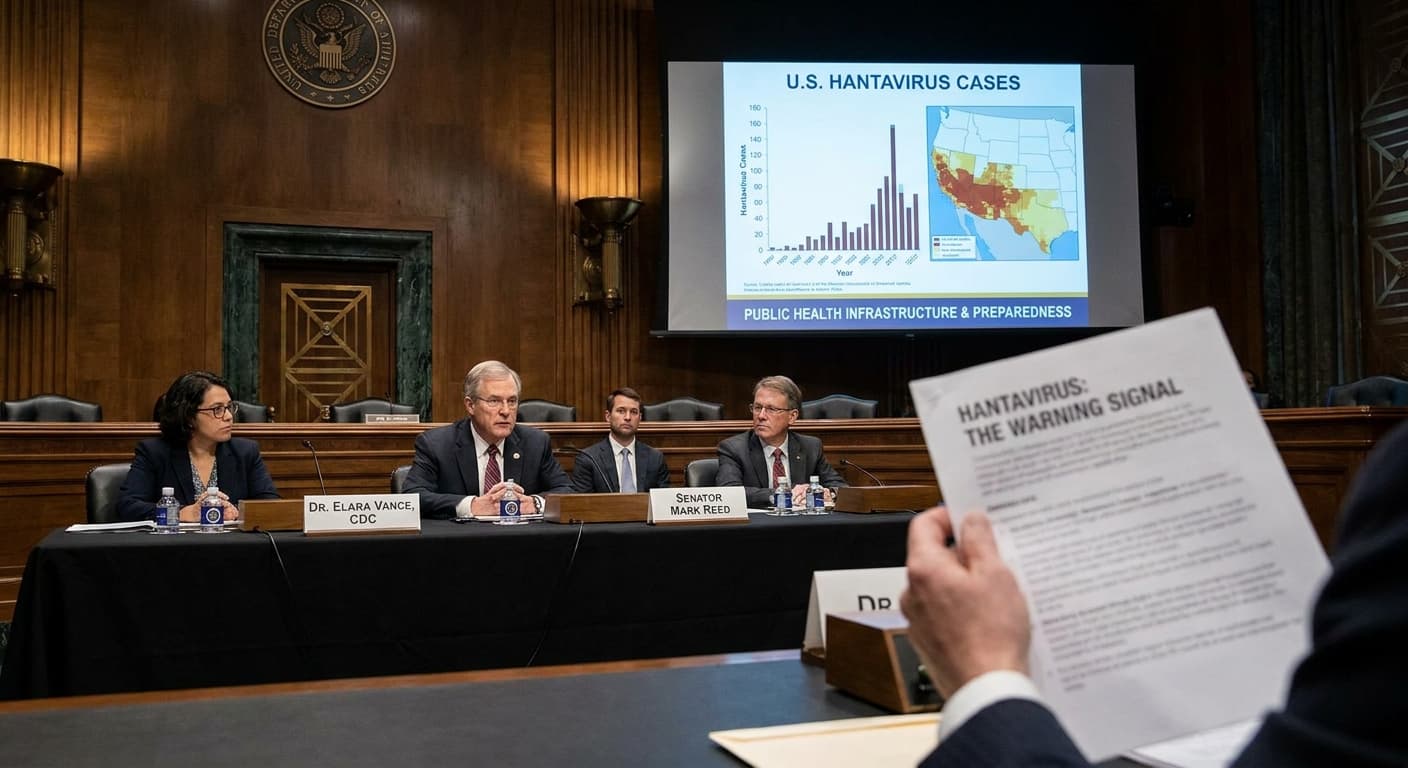
The recent attention to hantavirus outbreaks raises urgent questions about whether the United States is building durable preparedness infrastructure or simply improvising from one infectious disease emergency to the next. Examining the lessons from hantavirus, this article explores shortcomings in public health readiness and the perennial dilemma of sustainable epidemic response.
Emily Carter·Jul 4, 2026  Medical Technology
With the FDA awarding breakthrough device designation to Aurenar’s V-Link, a novel ear-based nerve stimulation device, clinicians and patients may soon see a transformative approach to addressing the risks of brain hemorrhage. Results from early trials show a remarkable reduction in cerebral vasospasm, a major complication after a brain bleed, igniting discussions over the future of non-invasive neuroprotection.
Emily Carter·Jul 3, 2026 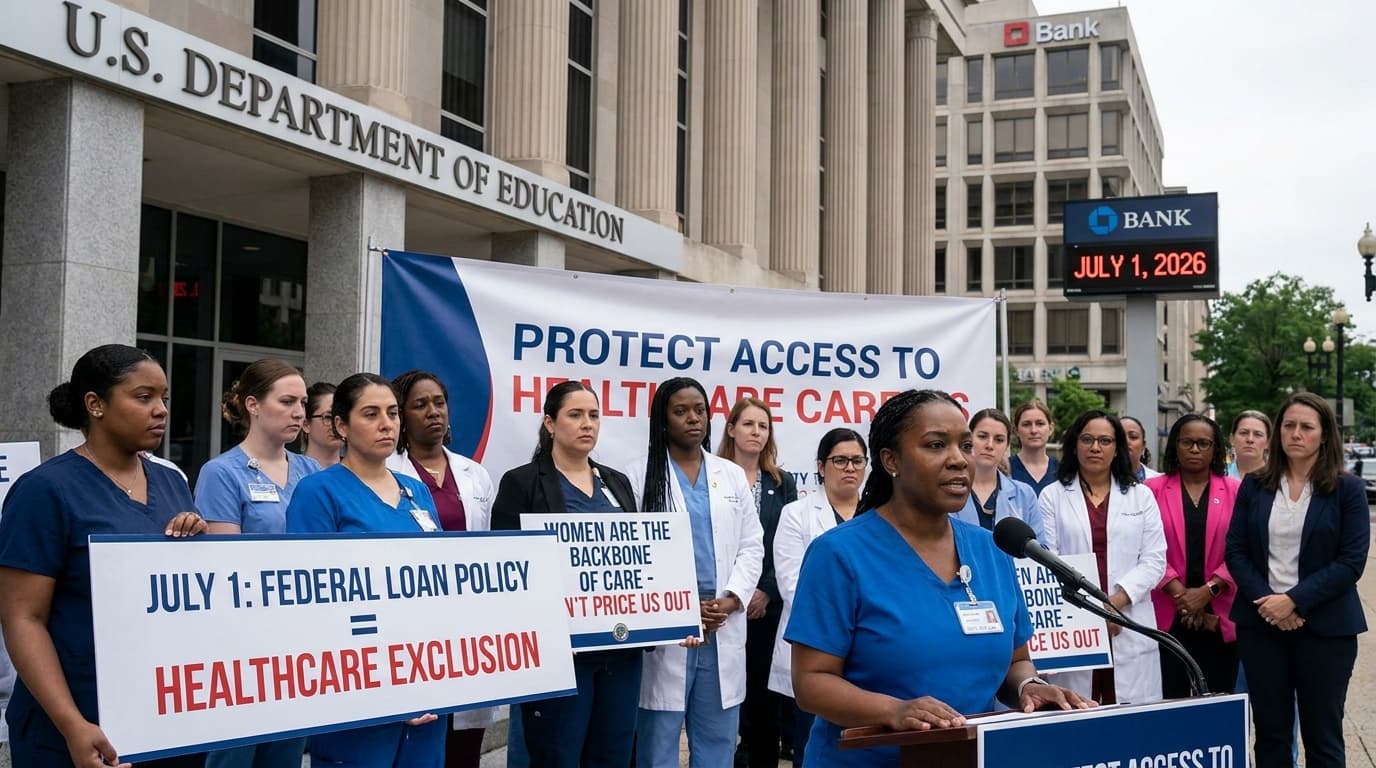 Regulatory & Policy
Starting July 1, alterations to federal student loan policy are having profound implications for aspiring healthcare professionals, especially women. As debate intensifies over what kinds of labor—and whose labor—receive public investment, the industry faces a reckoning over gender equity, workforce sustainability, and the future shape of care delivery.
Emily Carter·Jun 30, 2026  Biopharmaceutical Industry
The past month saw a notable shuffle of executive leaders and workforce reductions—spanning from medical associations and government bodies to biotech and provider organizations. Beyond the announcements, these shifts raise new questions about organizational resiliency, financial pressures, and the evolving priorities of the healthcare sector.
Emily Carter·Jun 30, 2026  Biopharmaceutical Industry
Healthcare organizations may excel at meeting the wrong benchmarks, leading to subpar patient experiences and persistent operational challenges. Examining the deeper consequences of a 'good enough' mentality unpacks why high performance should be strategically redefined across the industry.
Emily Carter·Jun 27, 2026 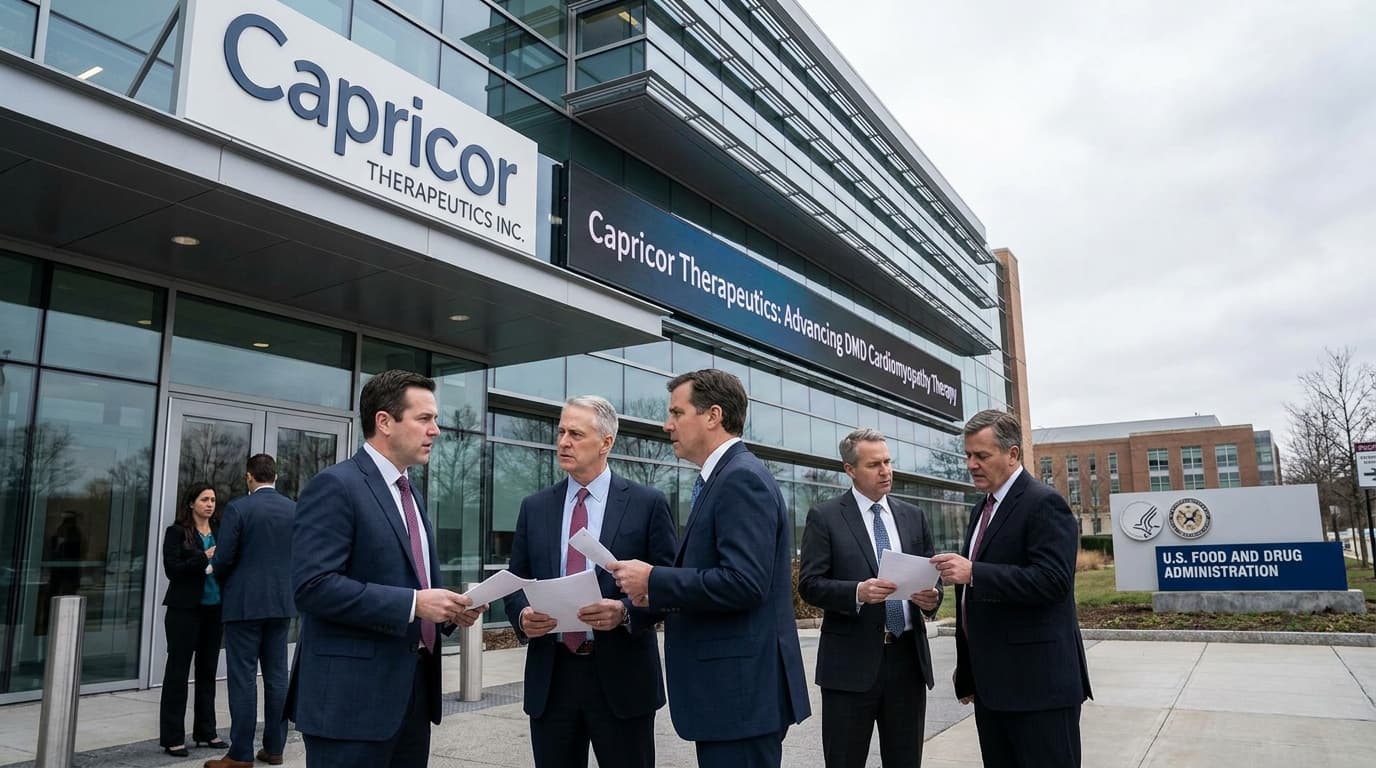 Biopharmaceutical Industry
The U.S. Food and Drug Administration's (FDA) decision to convene an advisory committee to evaluate Capricor’s deramiocel—following a prior rejection and silent resubmission process—spotlights ongoing unpredictability in the path to approval for rare disease therapies. This move has significant implications for Capricor and the DMD community, touching on both the regulatory environment and biotech investor sentiment.
Emily Carter·Jun 27, 2026  AI in Drug Discovery
AI’s technological prowess in healthcare is evident, but many projects stall once initial pilots end. This deep-dive analysis explores why capability alone is not enough, identifying systemic obstacles and offering context on moving from pilot to practice.
Emily Carter·Jun 26, 2026 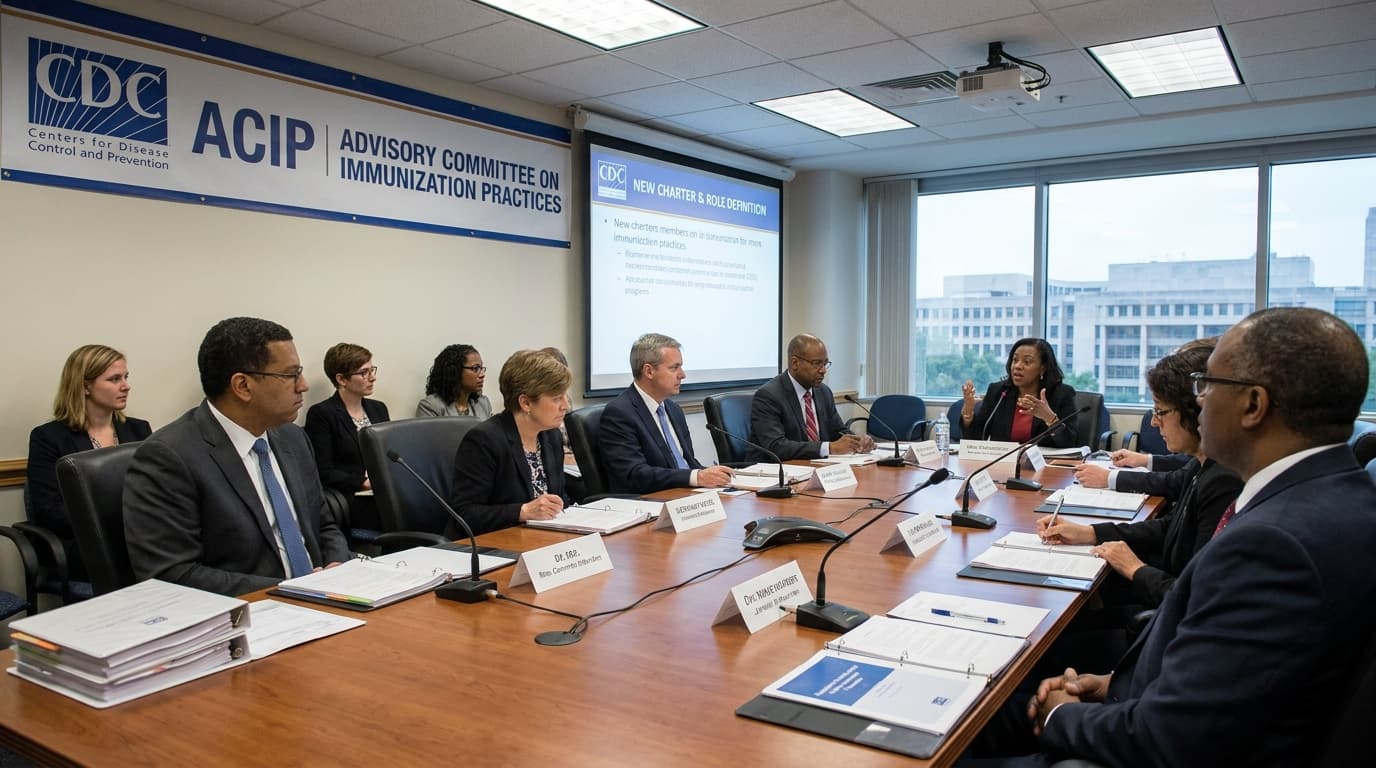 Regulatory & Policy
A new ACIP charter broadens membership criteria and reduces the committee’s responsibility to recommend new vaccines. This substantial policy shift could signal a reframing of U.S. vaccine advisory processes, with implications for expert composition and the CDC’s broader public health strategy.
Emily Carter·Jun 26, 2026 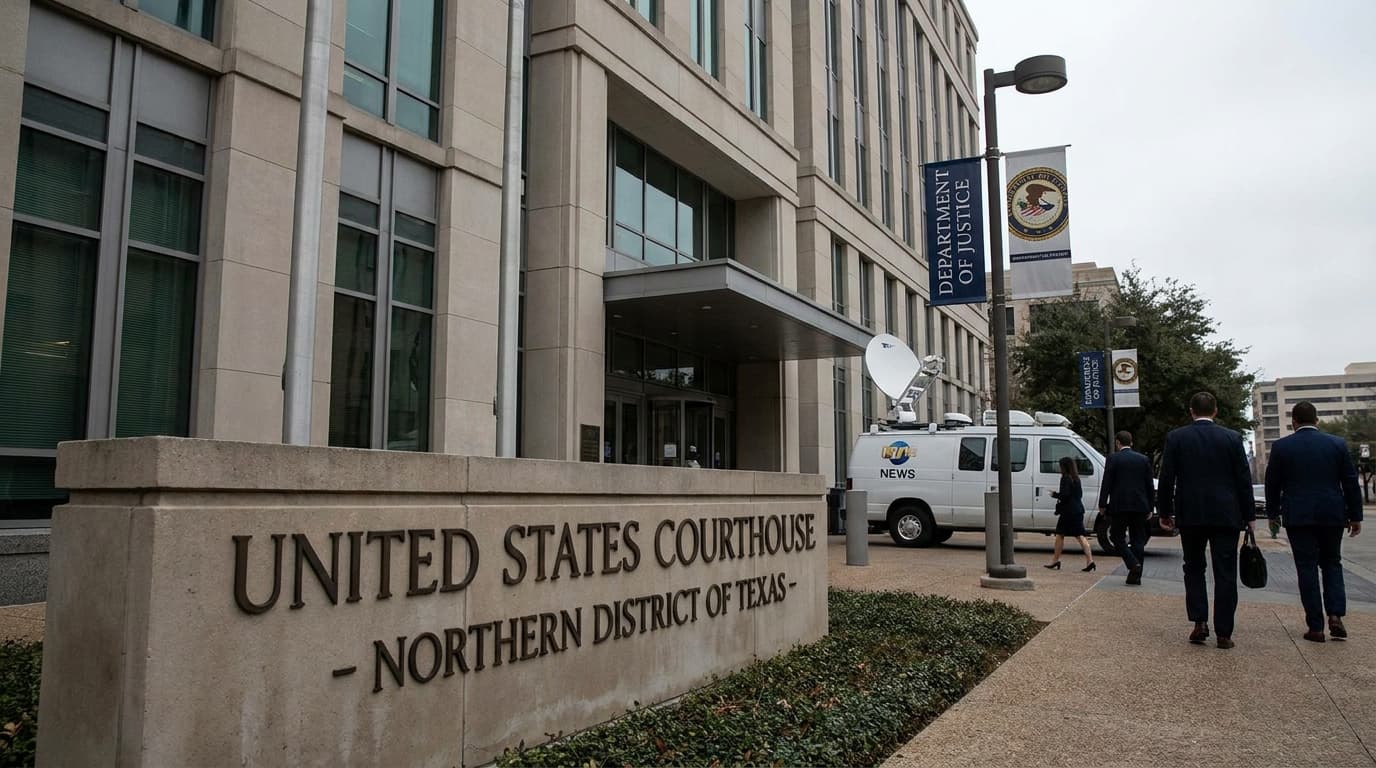 Regulatory & Policy
A Texas physician is at the center of an alleged $89 million fraud scheme, accused of billing insurance for medically unnecessary cardiovascular screening tests. This high-profile indictment comes as federal regulators pledge intensified crackdown efforts in the health care sector, signaling broader shifts in enforcement and oversight.
Emily Carter·Jun 23, 2026  Biotech Innovation
As the role of monoclonal antibodies expands in healthcare, nations and health systems are re-evaluating their preventive medicine strategies. The precision, adaptability, and growing uptake of this approach mark a significant departure from historical paradigms.
Emily Carter·Jun 22, 2026 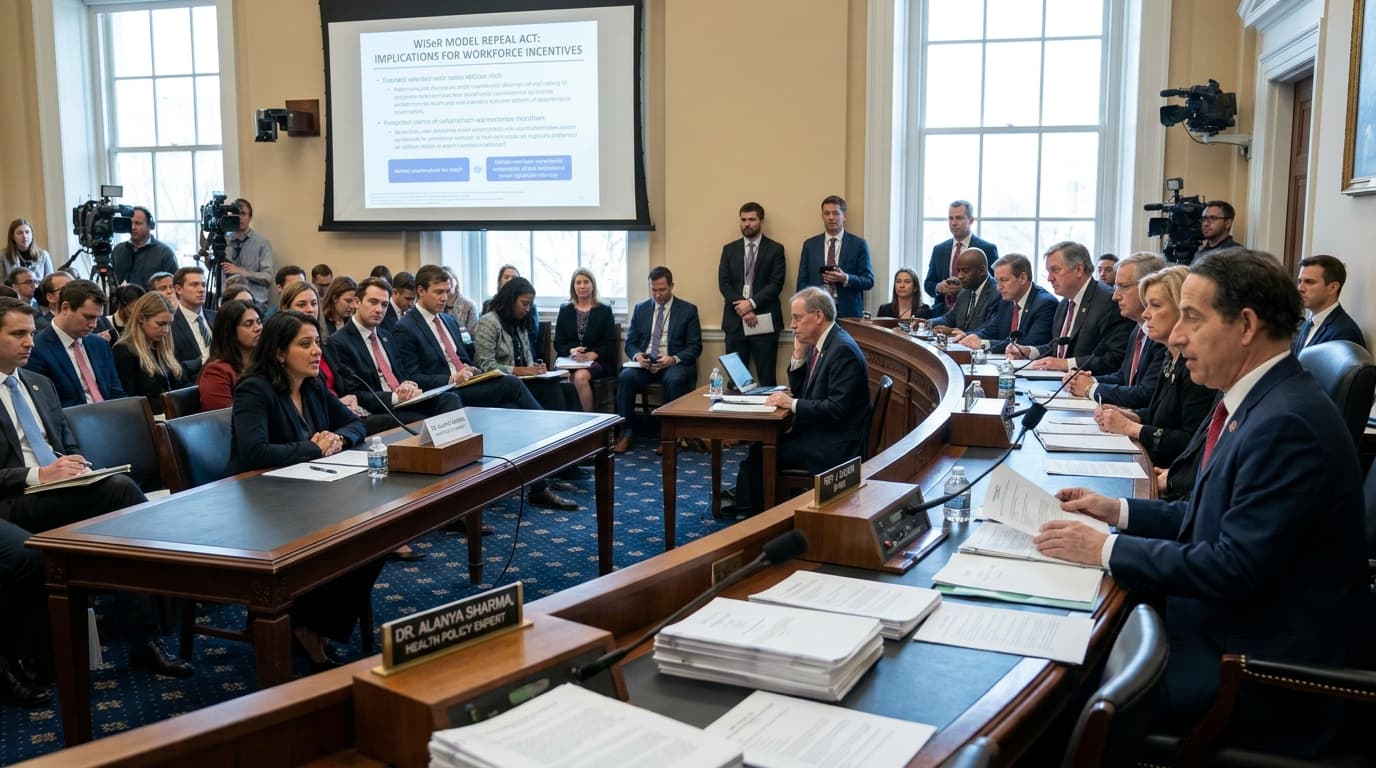 Regulatory & Policy
The WISeR model remains a lightning rod in federal healthcare policy discussions, with Congressional Democrats taking steps toward repeal. However, a complex interplay of political, industry, and expert opinions raises questions about whether these efforts can succeed, and what it means for the broader healthcare landscape.
Emily Carter·Jun 21, 2026 