 Sep 2, 2026
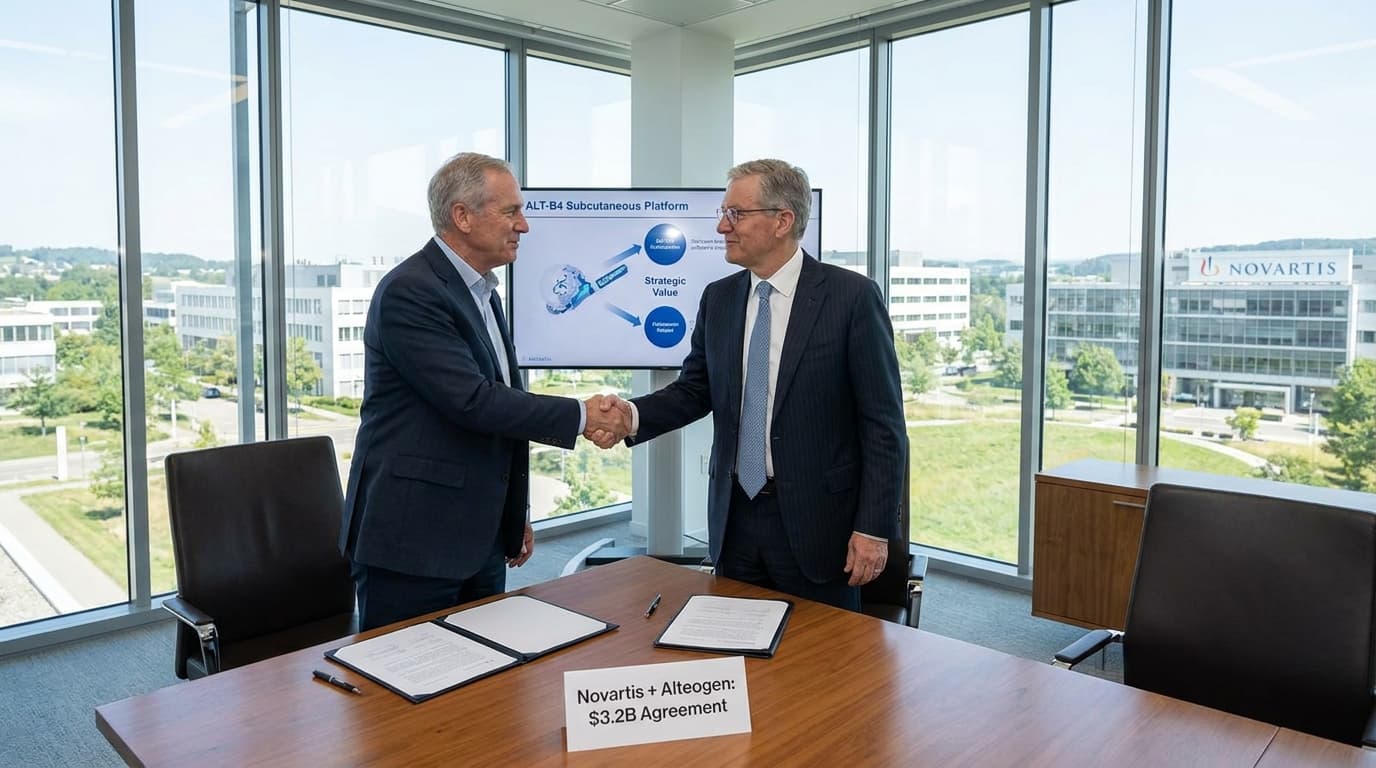
Alteogen said Novartis will hold multiple options to secure exclusive rights to develop drugs using ALT-B4, though the release did not disclose an upfront fee. The agreement extends a run of partnerings that has turned the Korean company into one of the main challengers to Halozyme Therapeutics in subcutaneous drug delivery.
The Catalyst Brief
 Sep 2, 2026
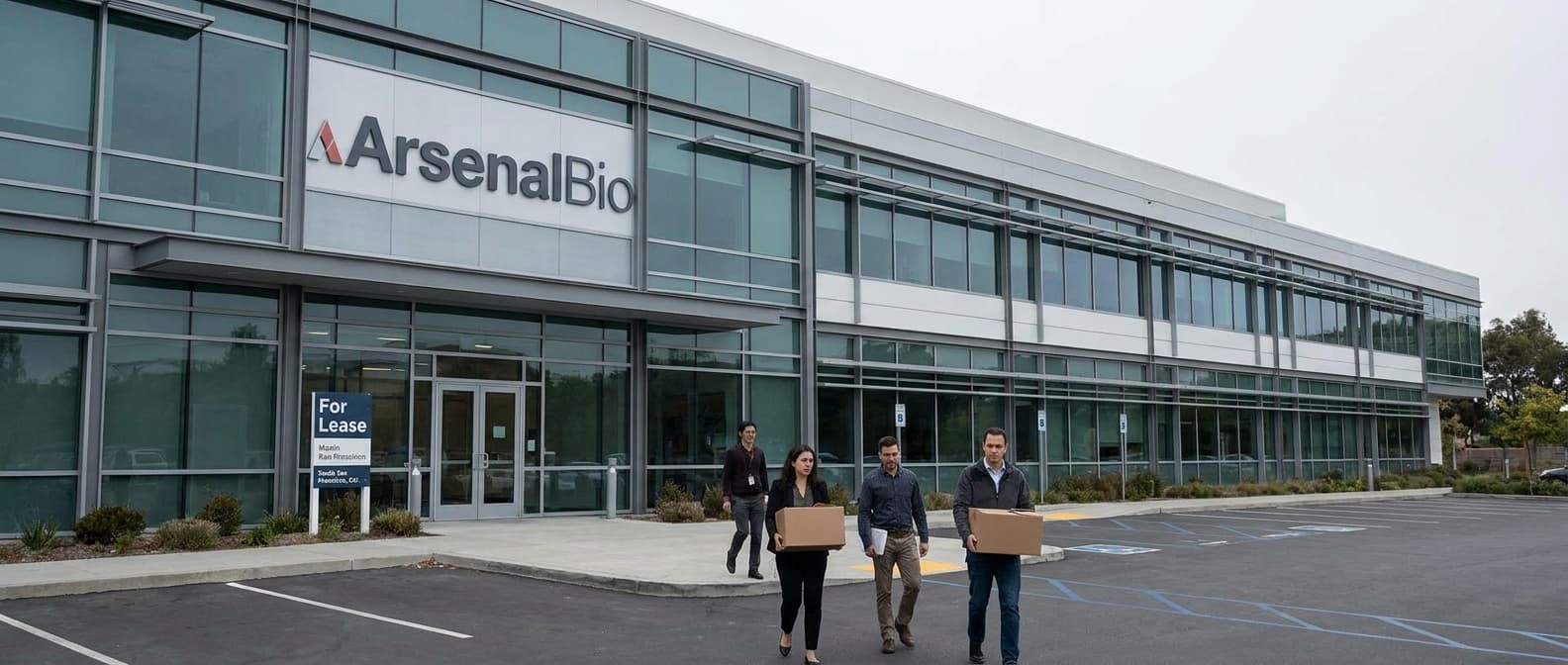
Arsenal Biosciences said a "significant strategic shift" will leave it with a core team focused on in vivo CAR-T therapies. At the same time, the company is seeking strategic opportunities for its existing technology and assets after dropping prior lead programs from its pipeline.
The Catalyst Brief
 Sep 1, 2026
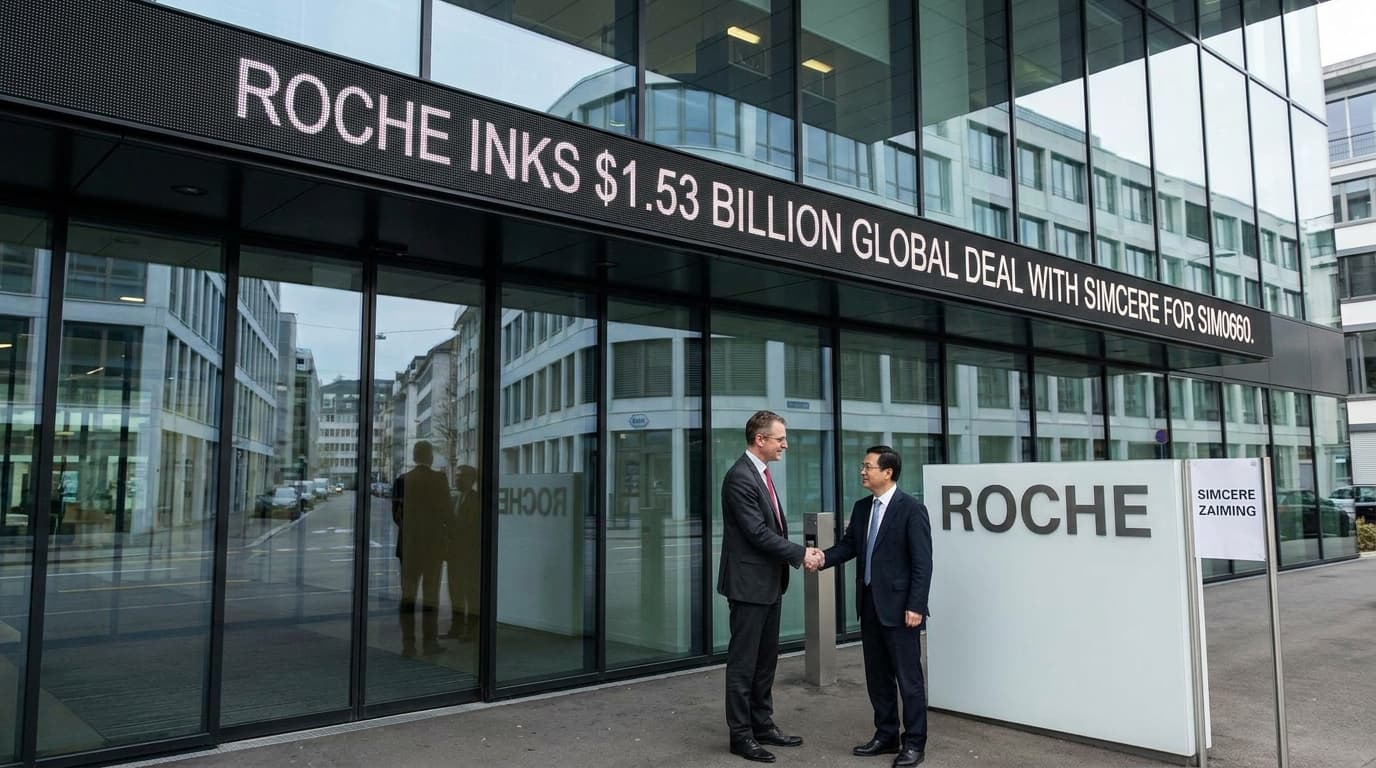
SIM0660 targets CD79a, CD19 and CD3 and is being positioned around B-cell-mediated diseases, including certain lymphomas, with Roche saying the collaboration will focus on malignancies. The deal also adds to a growing pattern of Chinese biotechs using out-licensing to monetize early assets before late-stage development.
The Catalyst Brief
 Sep 1, 2026
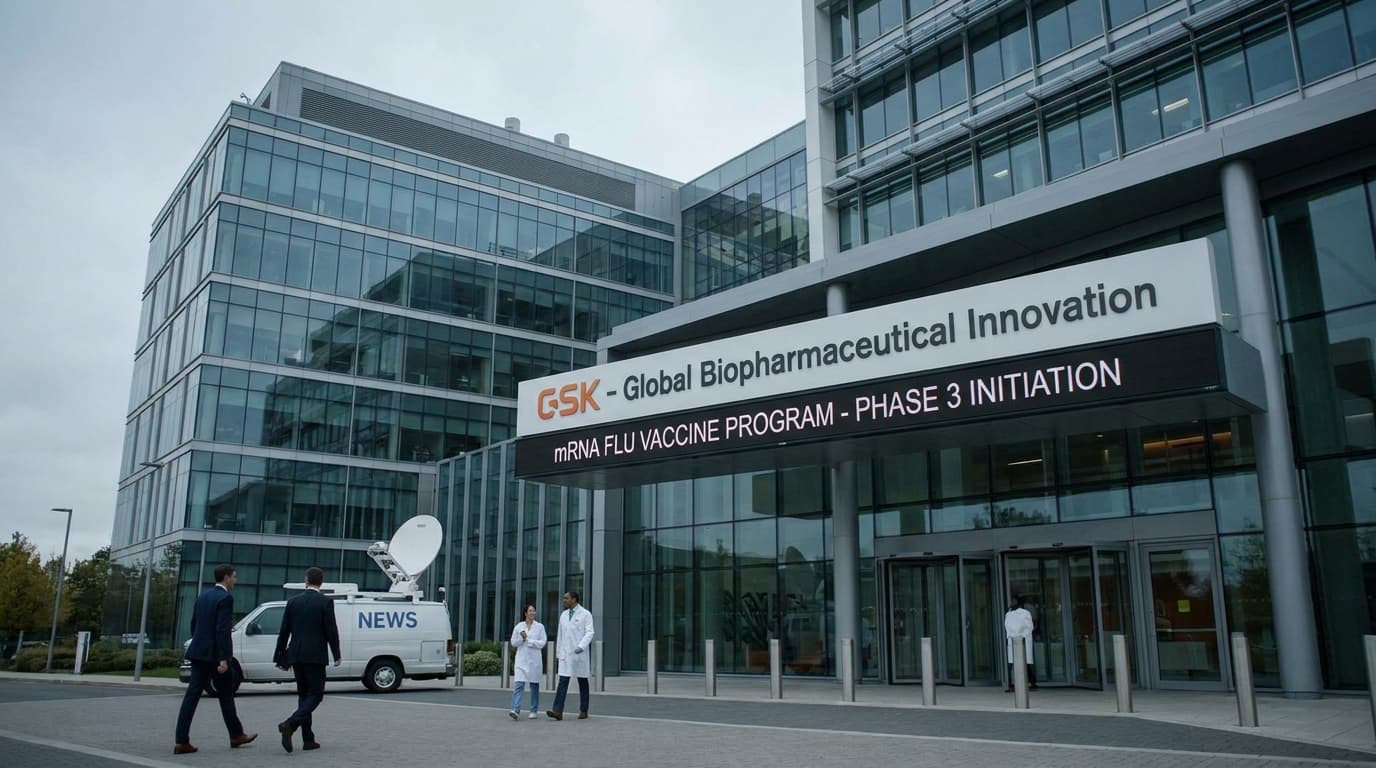
The update gives GSK a new shot at rebuilding a flu vaccine business that shrank by about 25% last year amid competitive pressure in the U.S. It also sharpens the next competitive question in mRNA flu: whether adding neuraminidase to the antigen mix can improve on first-generation products that focus mainly on hemagglutinin.
The Catalyst Brief
 Sep 1, 2026
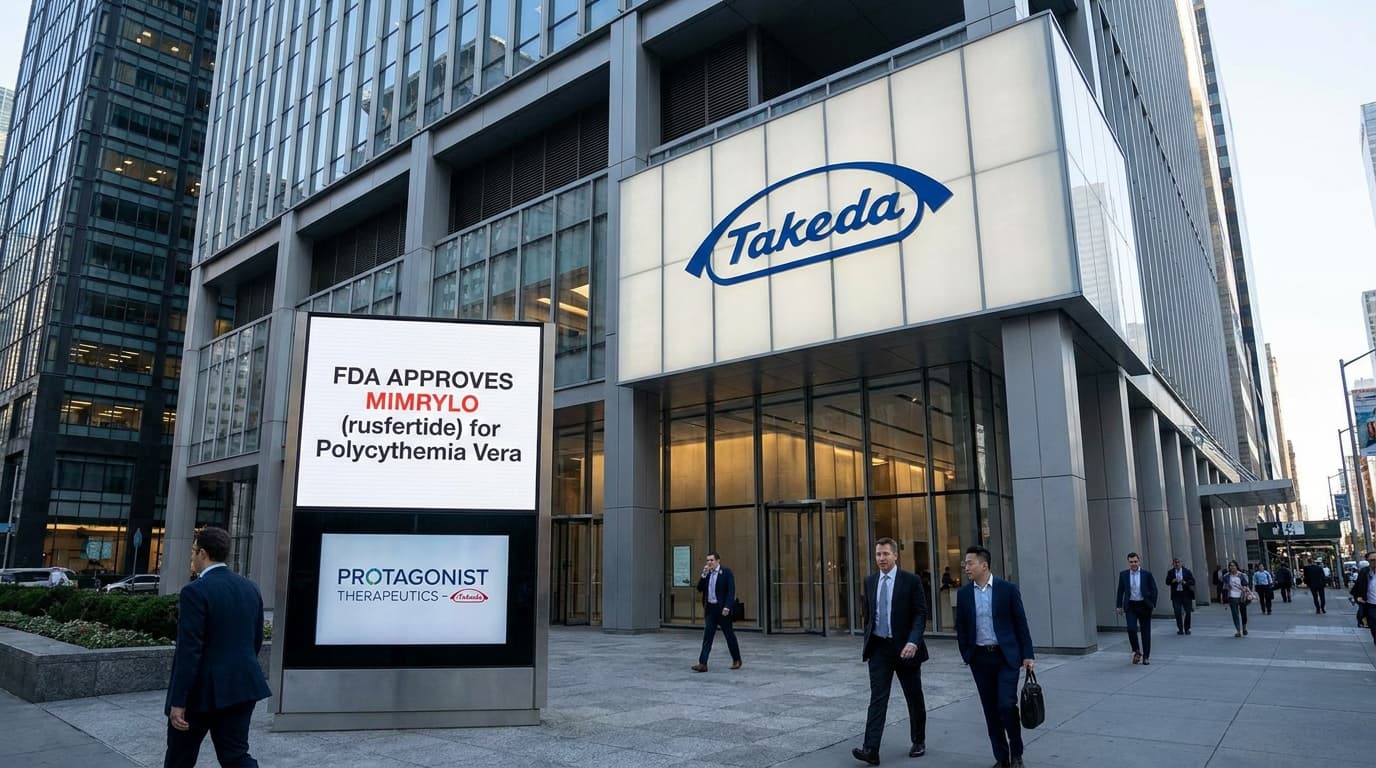
Takeda’s latest approval adds a second recent launch to what Jefferies described as the company’s next growth cycle. For Mimrylo, the commercial signal is less the approval itself than the scope of the label, which Jefferies said does not require prior treatment with medications that lower blood cell counts.
The Catalyst Brief
 Sep 1, 2026
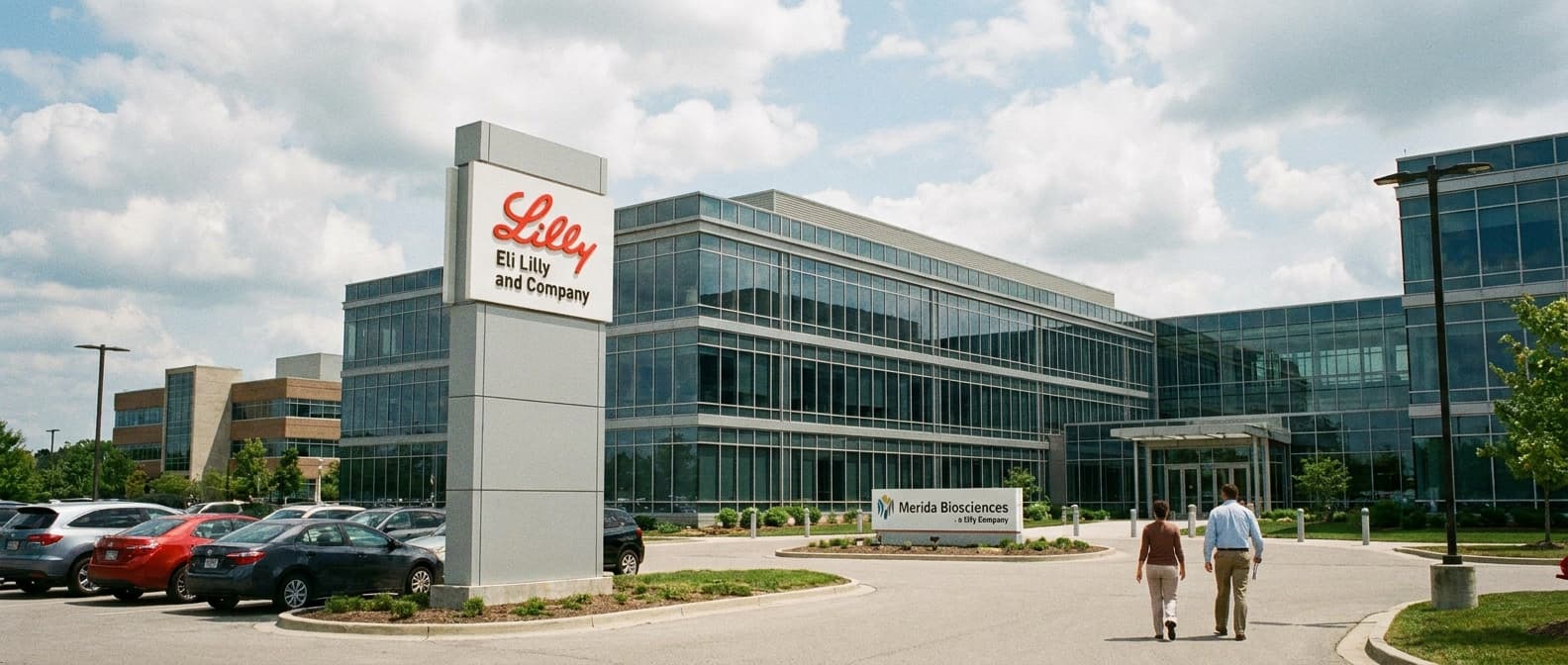
Lilly said it will pay up to $2.875 billion, including an upfront payment and contingent milestones, to buy Merida Biosciences, with closing expected in the fourth quarter pending clearances. The acquisition adds MER511 in Phase 1 for thyroid eye disease and Graves’ disease, MER769 in preclinical development for allergic conditions, and a platform designed to selectively target and destroy disease-causing autoantibodies.
The Catalyst Brief
 Aug 29, 2026
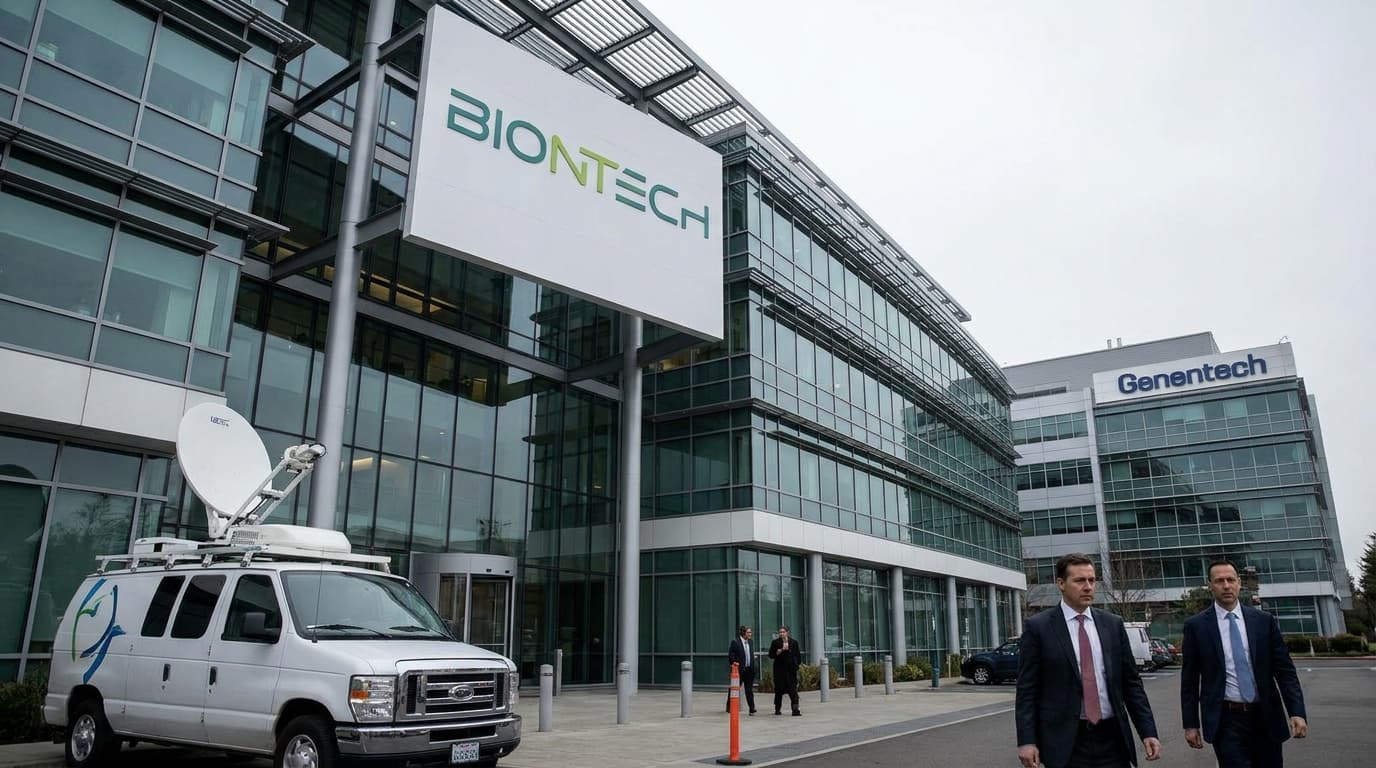
The stopped study tested whether autogene cevumeran, also known as BNT122, could prevent recurrence after surgery by targeting each patient’s tumor mutations. Instead, Genentech confirmed there were more deaths in the vaccine arm in this patient population, shifting attention to whether the platform’s future depends on combination use rather than standalone treatment.
The Catalyst Brief
 Aug 29, 2026
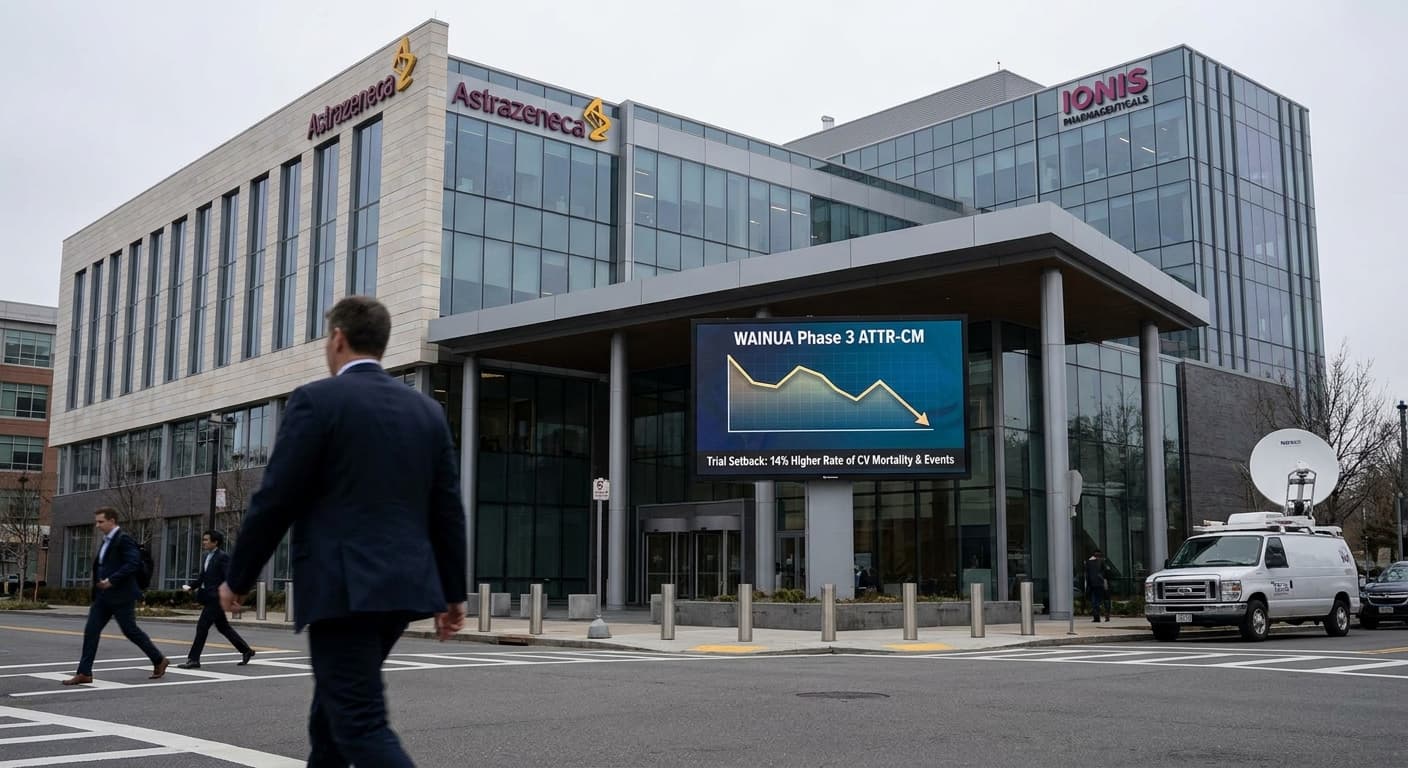
AstraZeneca and Ionis Pharmaceuticals’ Wainua posted a hazard ratio of 1.14 in ATTR-CM when given alongside standard of care treatment, a result that Stifel called clearly worse than expected. While monotherapy data showed a 29% improvement in cardiovascular events, the combined picture makes a regulatory path harder to see and may influence how rivals position next-generation programs.
The Catalyst Brief
 Aug 28, 2026
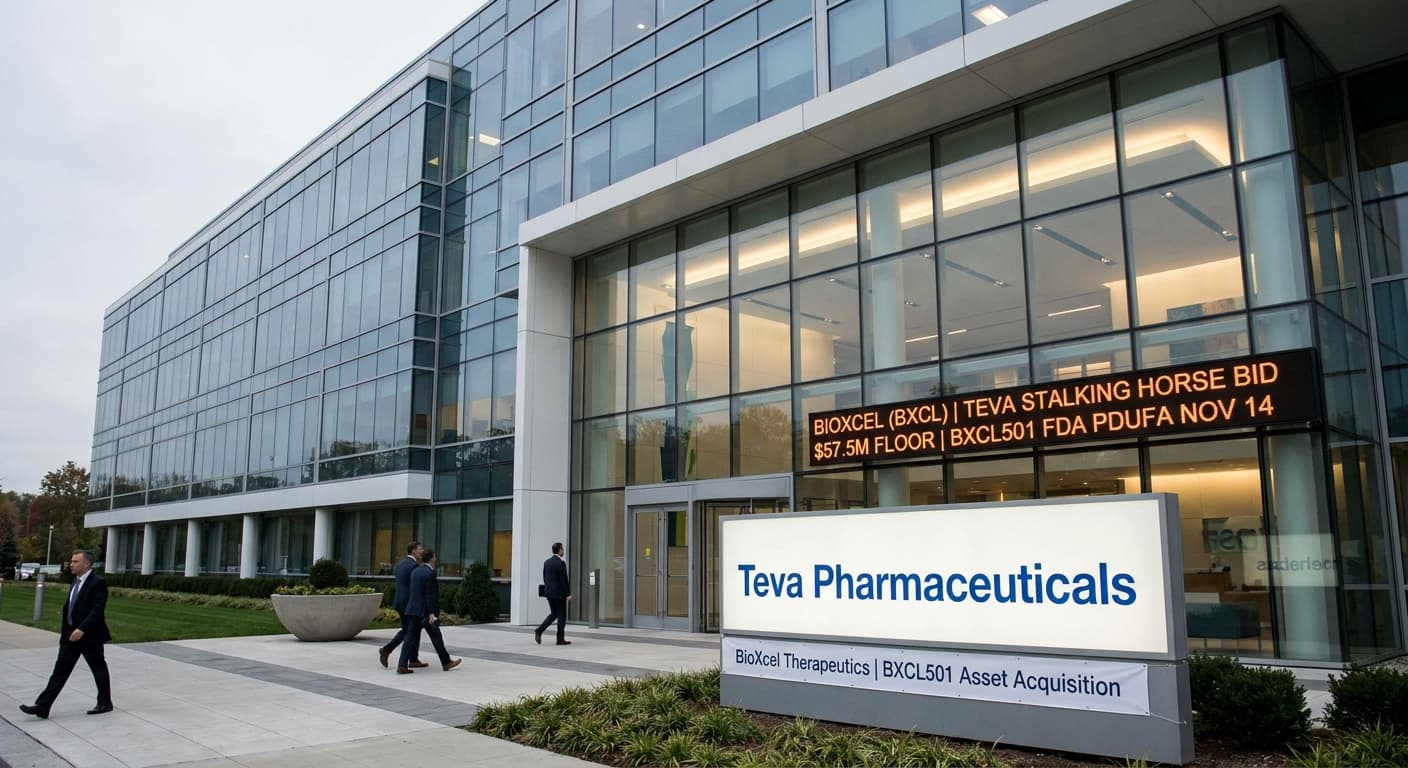
BioXcel moved into bankruptcy after warning it lacked funds to operate through the end of August, even after securing a loan earlier this week. Teva’s bid includes $57.5 million upfront and up to $67.5 million in milestones, with the largest payout contingent on BXCL501 winning approval by the current Nov. 14 PDUFA date.
The Catalyst Brief
 Aug 28, 2026
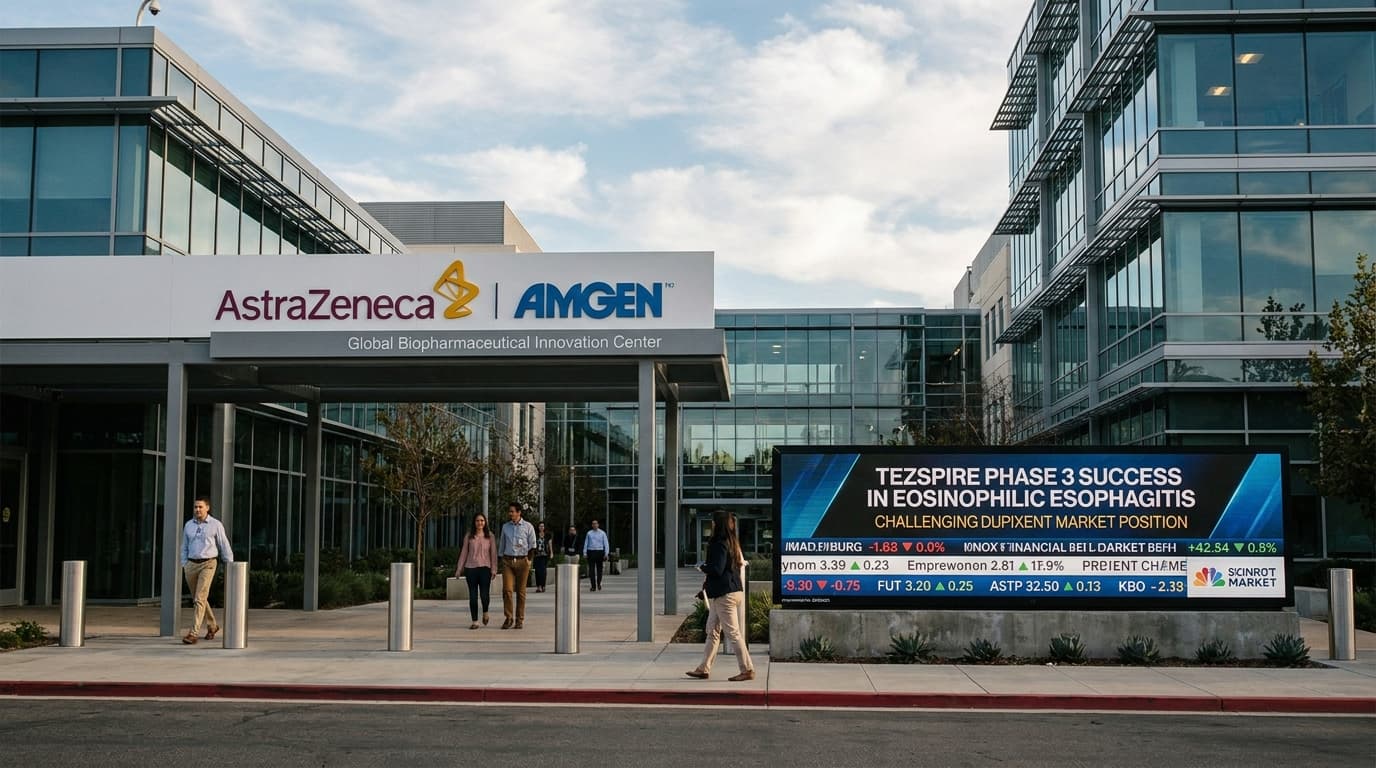
AstraZeneca and Amgen reported that Tezspire significantly improved histologic remission and dysphagia symptoms at 24 weeks in the Phase 3 CROSSING study, with effects sustained through 52 weeks. The announcement matters because Dupixent currently owns the biologic category in eosinophilic esophagitis, yet Tezspire may have a practical differentiator in dosing frequency if the full efficacy data are competitive.
The Catalyst Brief
 Aug 28, 2026
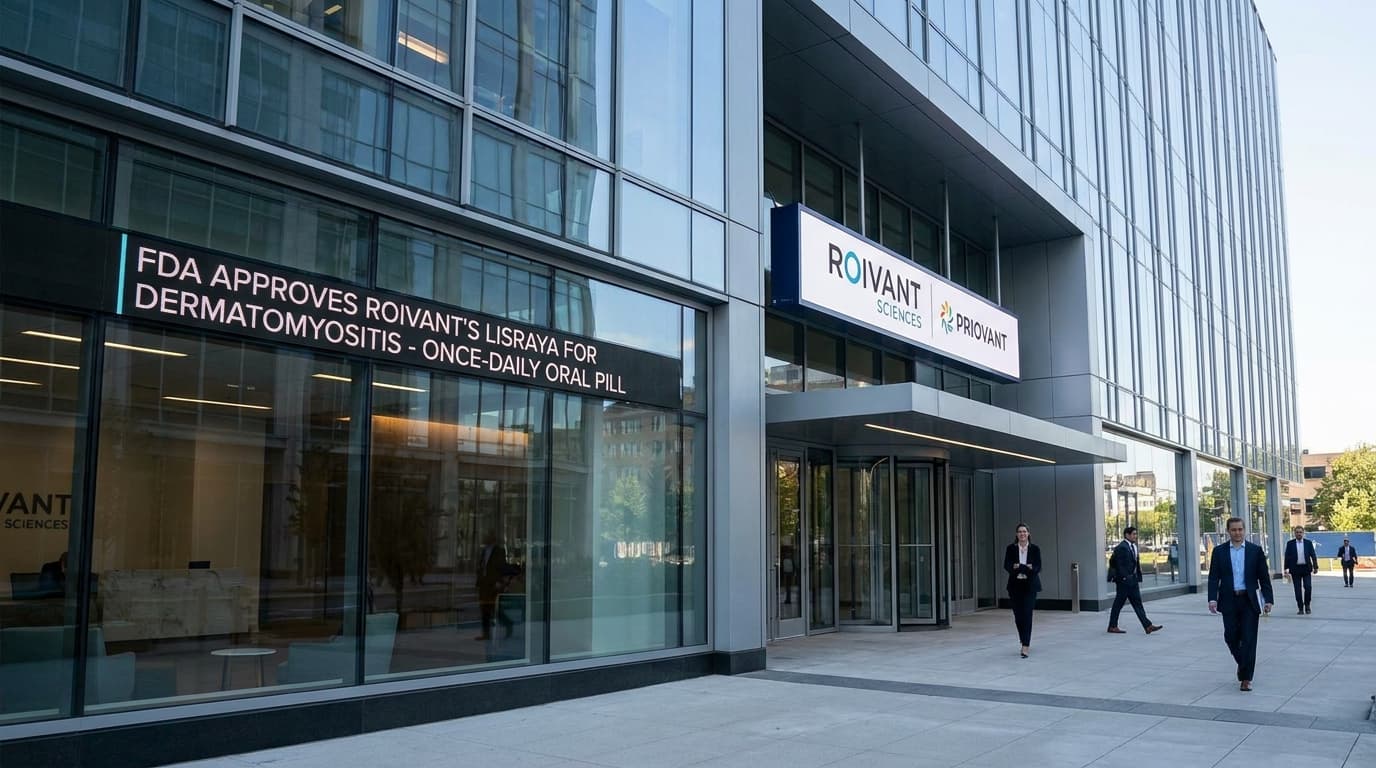
The drug will be sold as Lisraya and taken once daily. For Roivant, the approval turns a rare-disease immunology program into a commercial product in a U.S. market the company says includes between 40,000 and 70,000 people.
The Catalyst Brief
 Aug 27, 2026
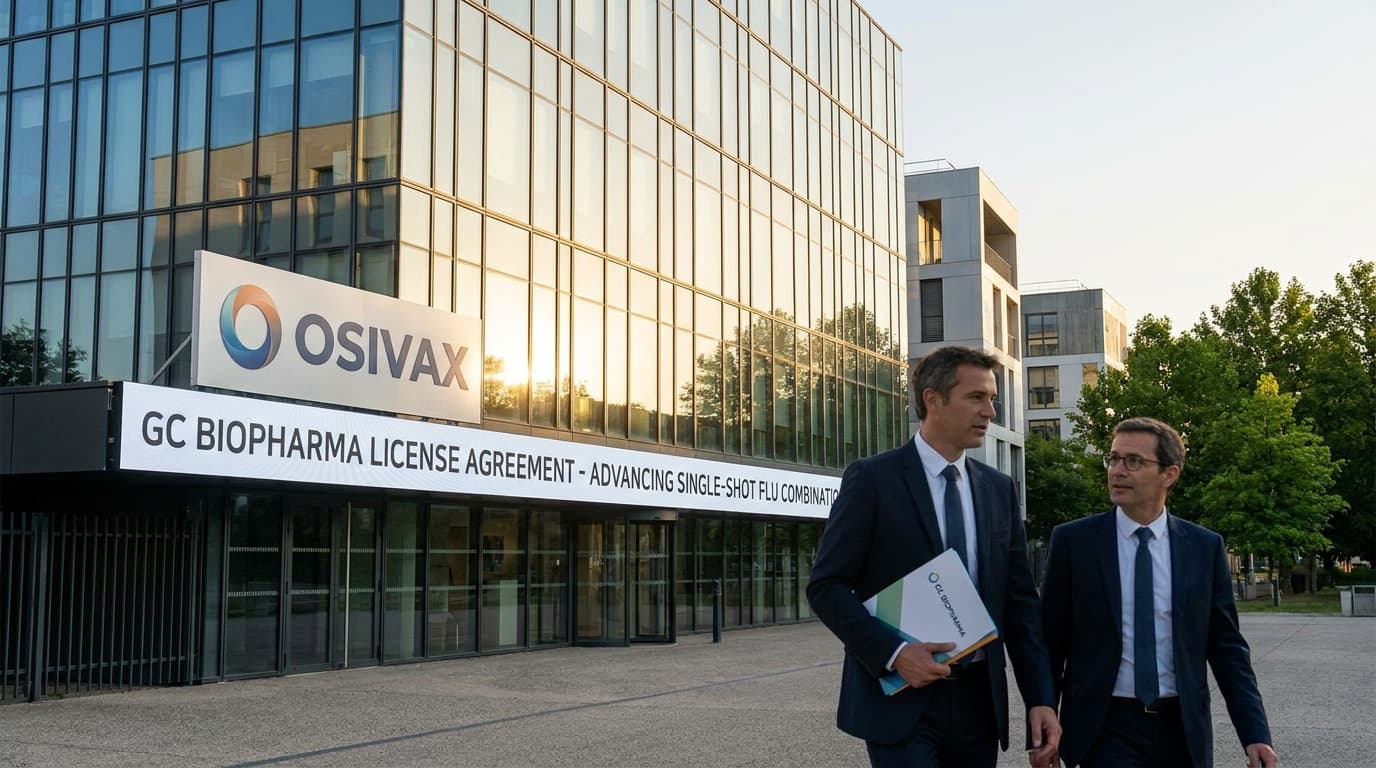
France’s Osivax will lead development of a combination vaccine pairing its influenza A candidate OVX836 with GC Biopharma’s inactivated seasonal flu vaccine, GC FLU. The agreement gives Osivax the components it needs to move from separate injections toward a single product that it believes could broaden protection while avoiding the friction of two shots.
The Catalyst Brief
