 Aug 13, 2026
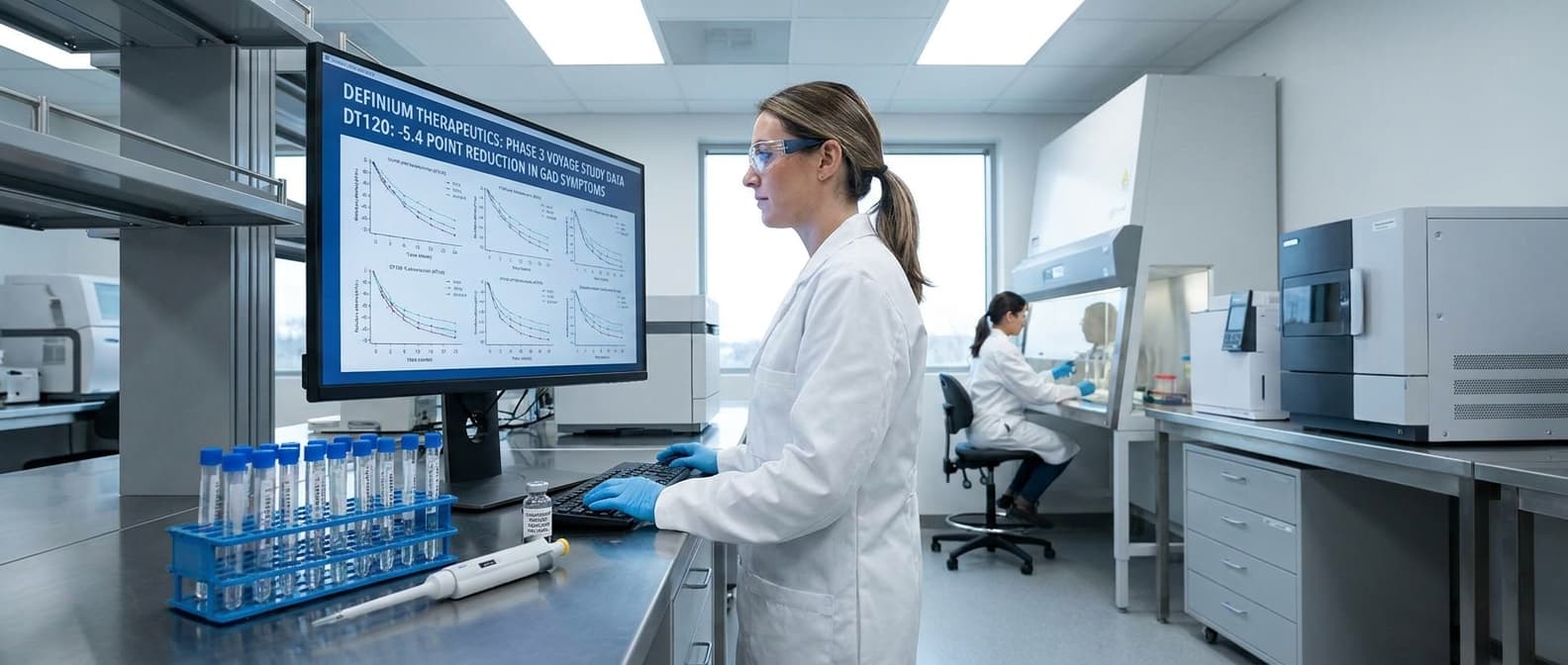
In the 12-week Voyage study of 214 adults, Definium said DT120 produced a statistically significant placebo-adjusted reduction of 5.4 points from baseline on a clinician-administered anxiety scale, with p < 0.0001. The company now has late-stage wins in generalized anxiety disorder and major depressive disorder, but the commercial and regulatory case in anxiety still depends on whether Panorama confirms the effect next month.
The Catalyst Brief
 Aug 9, 2026
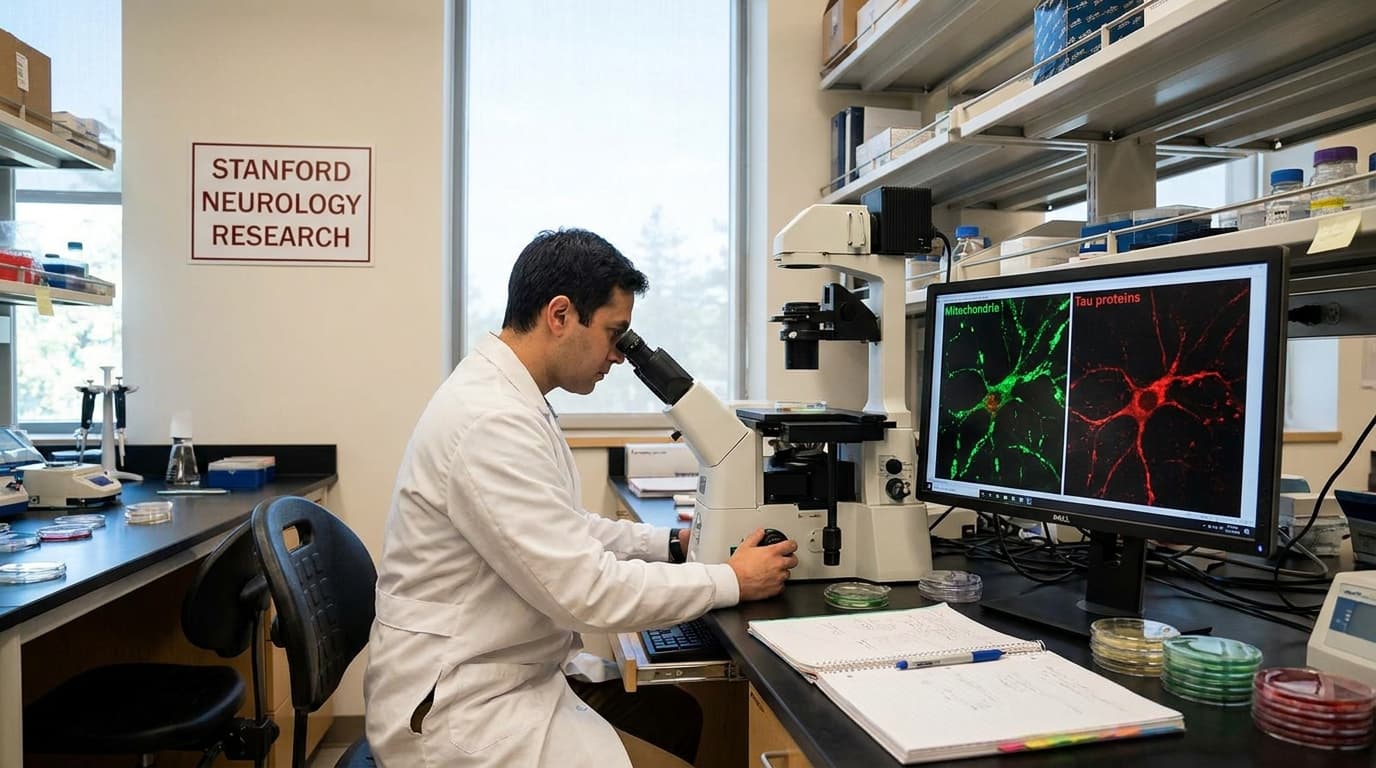
Researchers reported that tau can trigger reverse electron transport in mitochondria, sending electrons in the opposite direction of their usual relay. Blocking that process reversed many harmful effects and improved learning and memory in flies and mice, though whether the same will hold true in people remains unclear.
The Catalyst Brief
 Aug 7, 2026
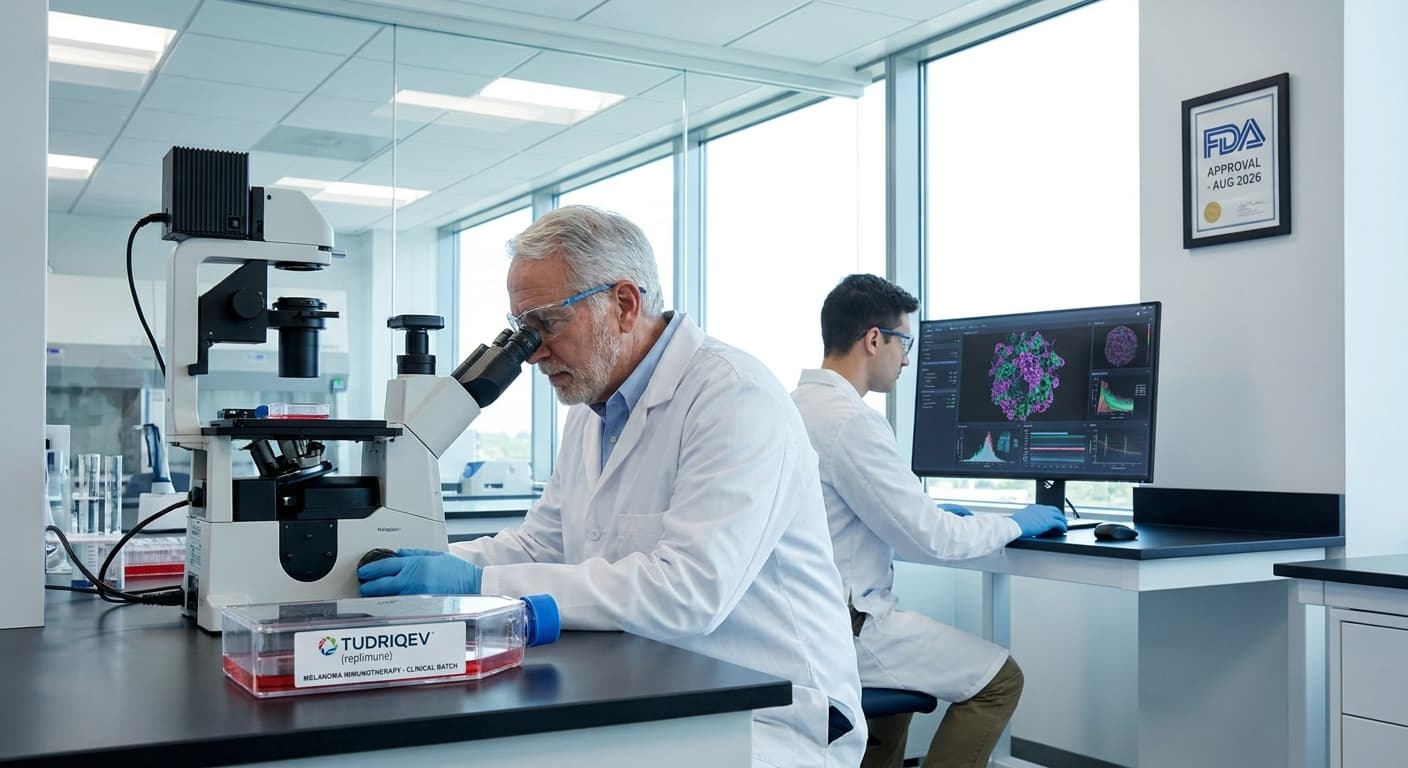
Replimune’s Tudriqev immunotherapy overcame substantial regulatory hurdles and a polarized advisory committee process to become a new FDA-approved treatment for advanced melanoma. The approval comes after years of uncertainty and highlights the pivotal role of both scientific evidence and consensus-building within U.S. drug regulation.
The Catalyst Brief
 Aug 6, 2026
The U.S. Food and Drug Administration has granted approval to a novel narcolepsy treatment developed by Takeda, representing a significant milestone for the field. This approval is expected to benefit not only narcolepsy patients, but potentially others with related conditions, spotlighting innovations in sleep disorder therapeutics.
The Catalyst Brief
 Aug 4, 2026
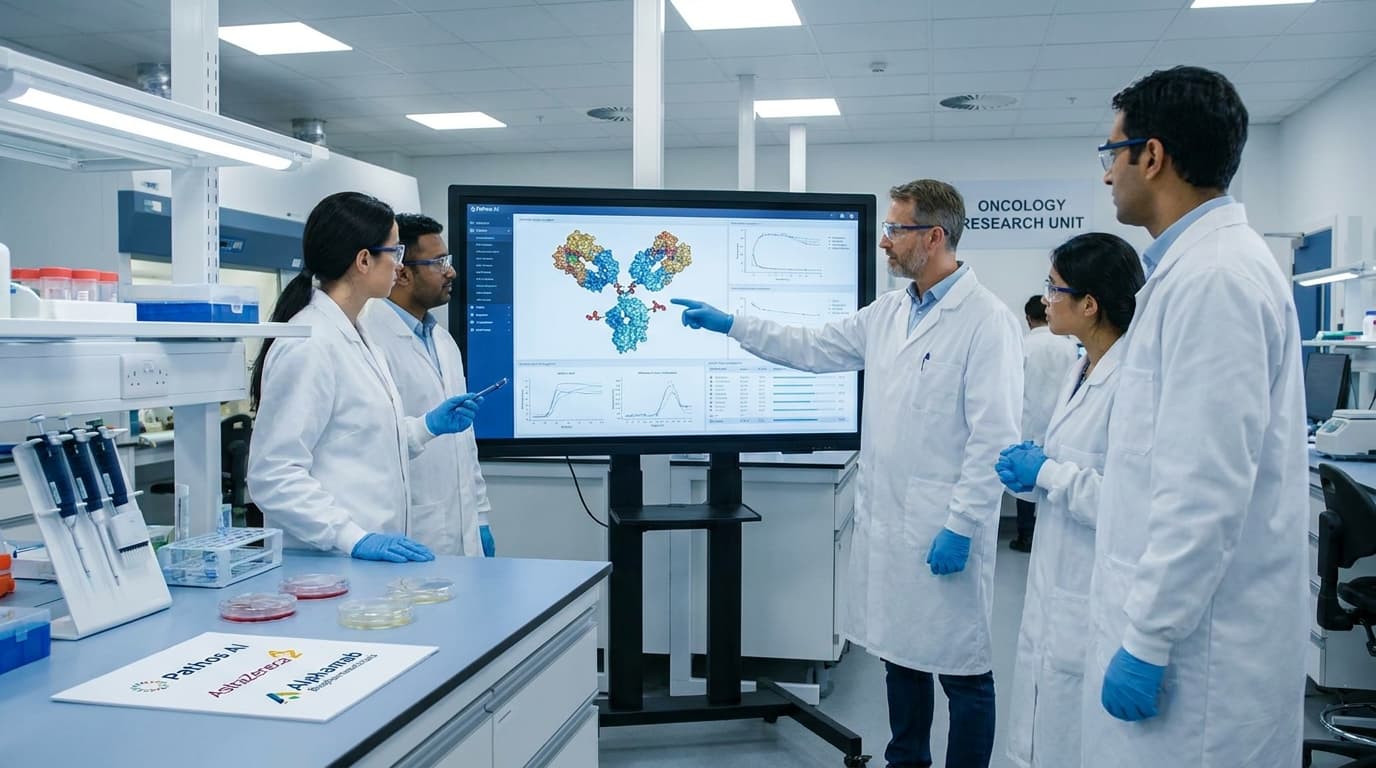
By signing substantial cancer agreements with global players AstraZeneca and Alphamab Biopharmaceuticals, Pathos AI is moving aggressively into the oncology market. These deals highlight shifting priorities in biotech innovation and the evolving landscape of advanced drug development.
The Catalyst Brief
 Aug 3, 2026
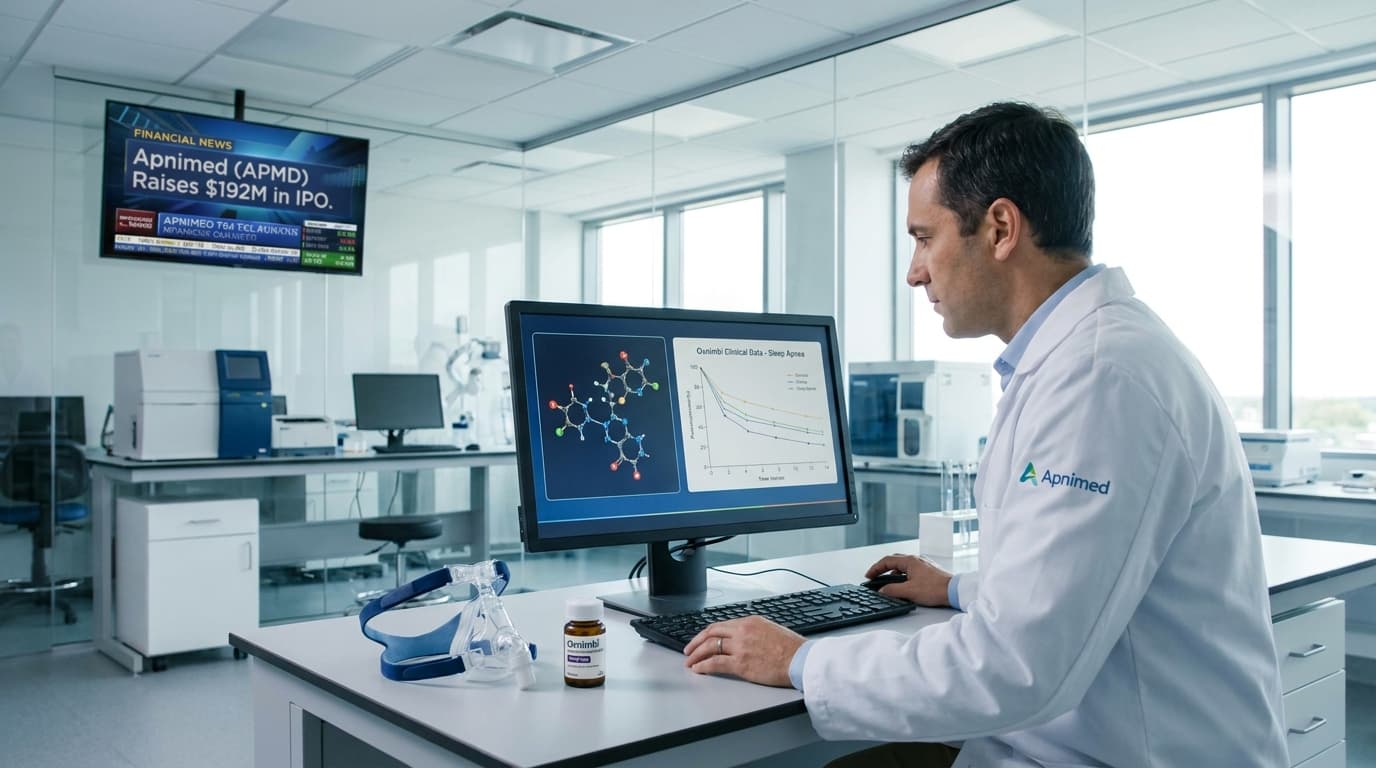
With funds secured from its IPO, Apnimed sets its sights on regulatory submission and commercial launch of its once-nightly pill, Oxnimbi, for obstructive sleep apnea. This pivotal moment could reshape treatment paradigms for a condition affecting millions, as Oxnimbi approaches a key February 2027 FDA decision.
The Catalyst Brief
 Jul 28, 2026
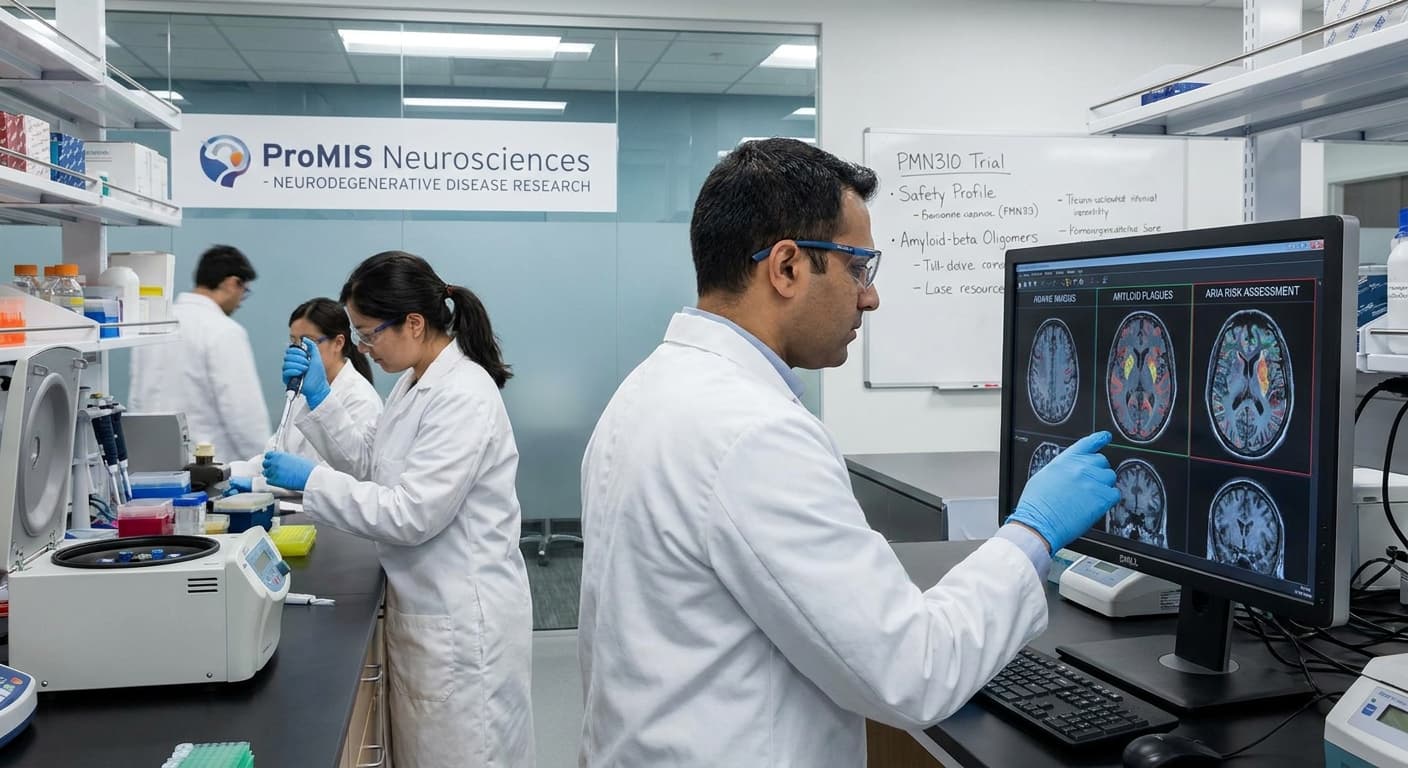
The pursuit of safer treatment options for Alzheimer’s disease—particularly those targeting amyloid—has reached another milestone. Preliminary results from ProMIS Neurosciences highlight the delicate balance between efficacy and safety and may provide new optimism for both clinicians and patients seeking effective interventions.
The Catalyst Brief
 Jul 28, 2026
Alpha-1 antitrypsin deficiency (AATD) was once seen by drug developers as a therapeutic dead end. New genetic tools and emerging industry trends have transformed it into one of biopharma’s hottest battlegrounds, with rapid-fire innovation, complex legal maneuvering, and high-stakes international competition.
The Catalyst Brief
 Jul 27, 2026
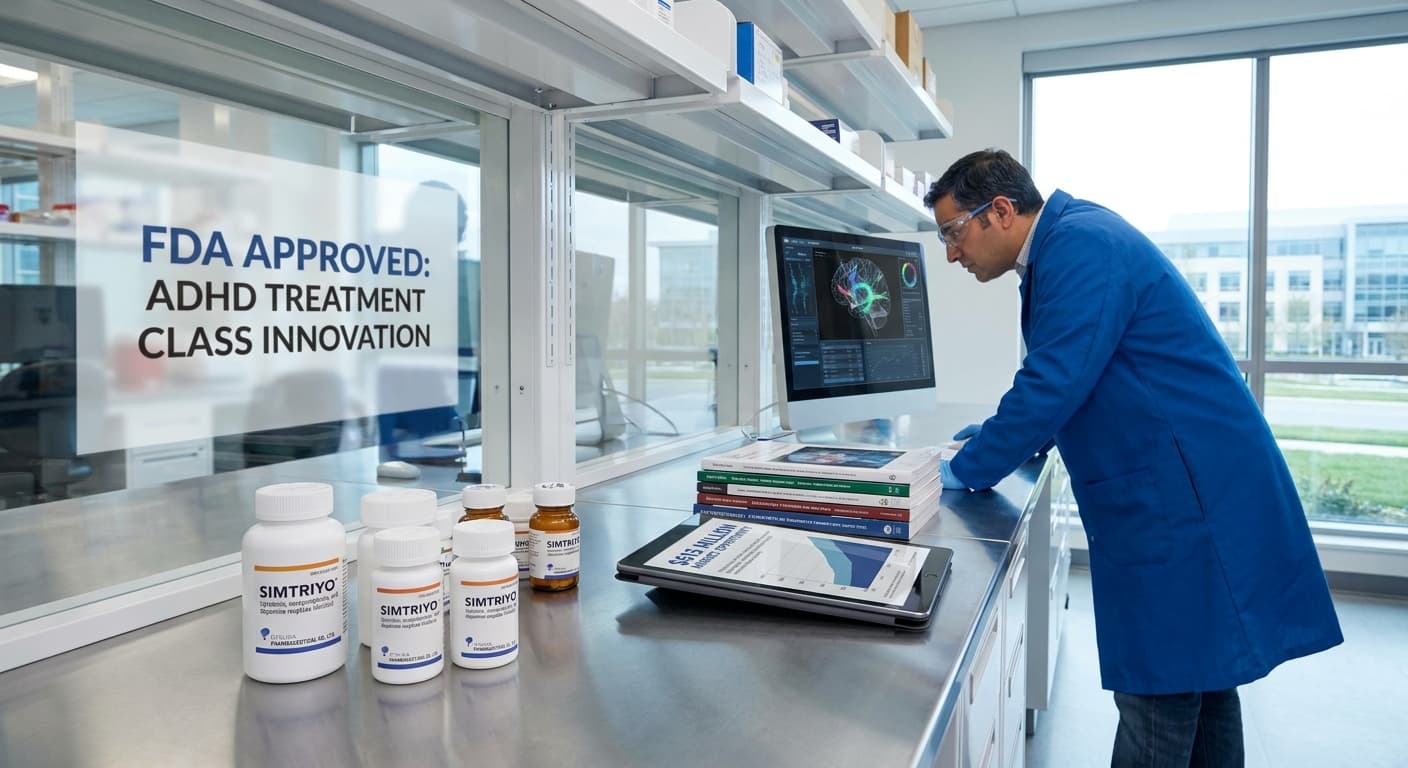
In a major regulatory development, Otsuka wins FDA approval for Simtriyo, the world’s first triple reuptake inhibitor for ADHD. The launch opens a new chapter in ADHD drug innovation as the company prepares for commercialization pending DEA scheduling.
The Catalyst Brief
 Jul 25, 2026
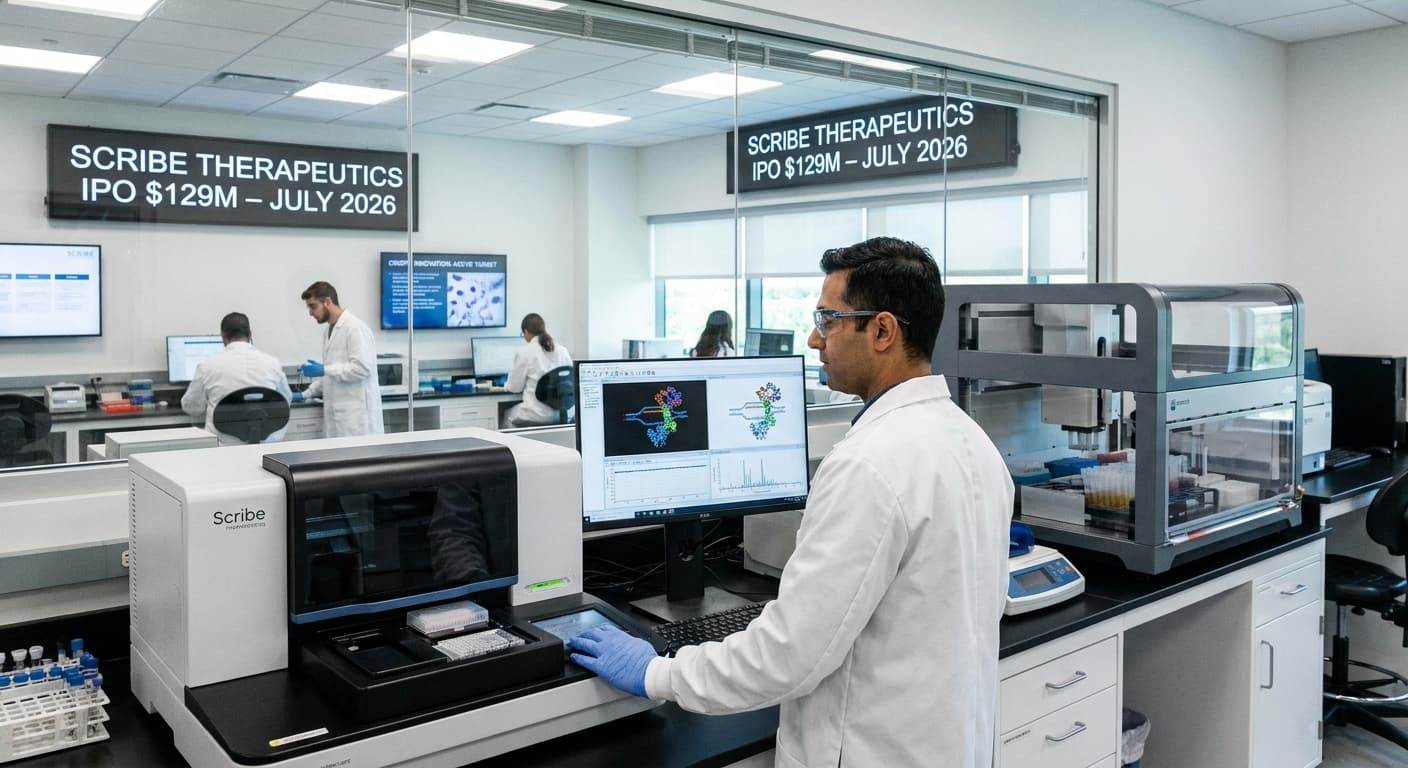
Scribe Therapeutics has set the stage for renewed interest in gene editing companies by completing an initial public offering valued at $129 million. This long-form analysis dives deep into the context, market conditions, scientific promise, and future outlook for not just Scribe but the gene editing sector at large—spotlighting the pursuit of epigenetic silencing therapies and the evolution of CRISPR-derived medicines beyond rare diseases.
The Catalyst Brief
 Jul 23, 2026
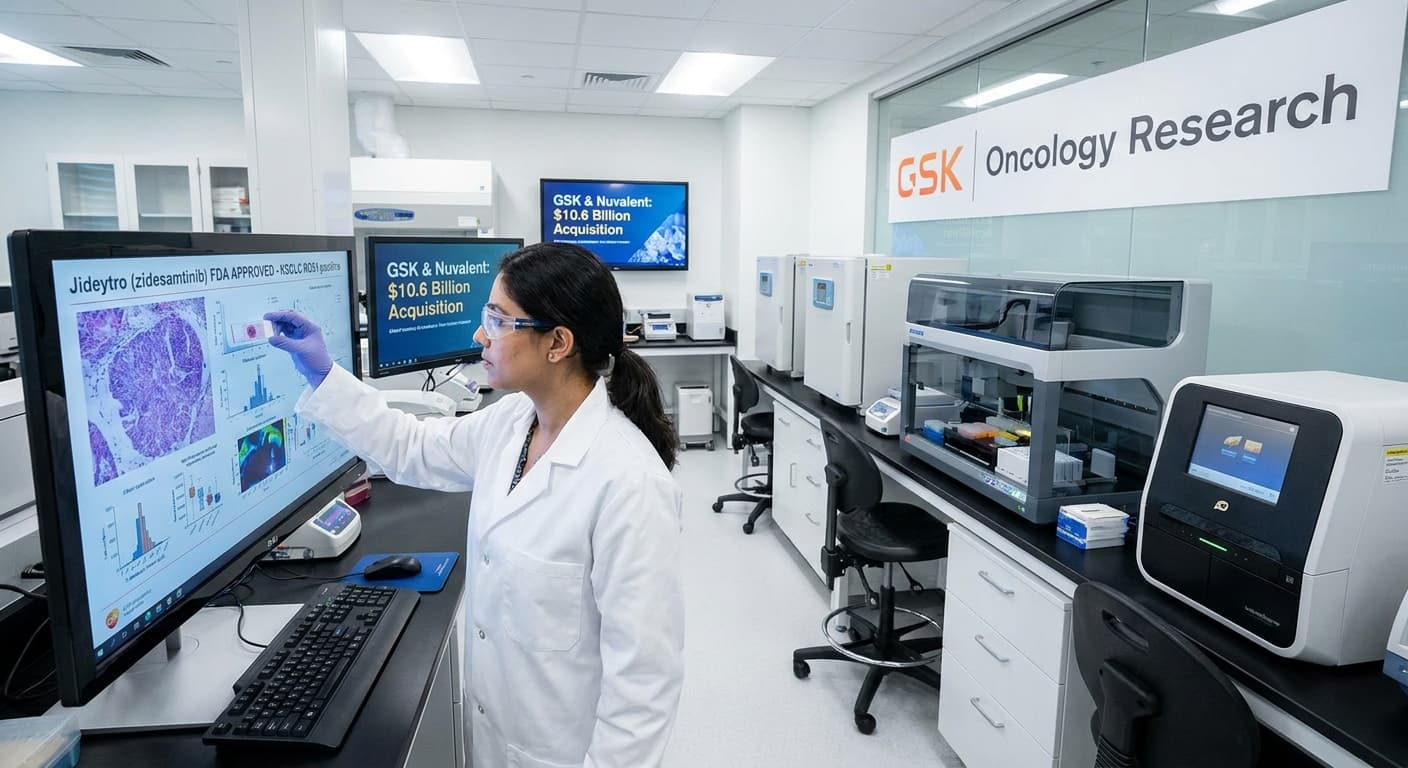
GSK's recently acquired molecule Jideytro (from Nuvalent) has received FDA approval for advanced non-small cell lung cancer driven by ROS1 genetic alterations. This development marks an important outcome of a $10.6 billion merger and positions GSK for a new presence in the competitive lung cancer drug market.
The Catalyst Brief
 Jul 22, 2026
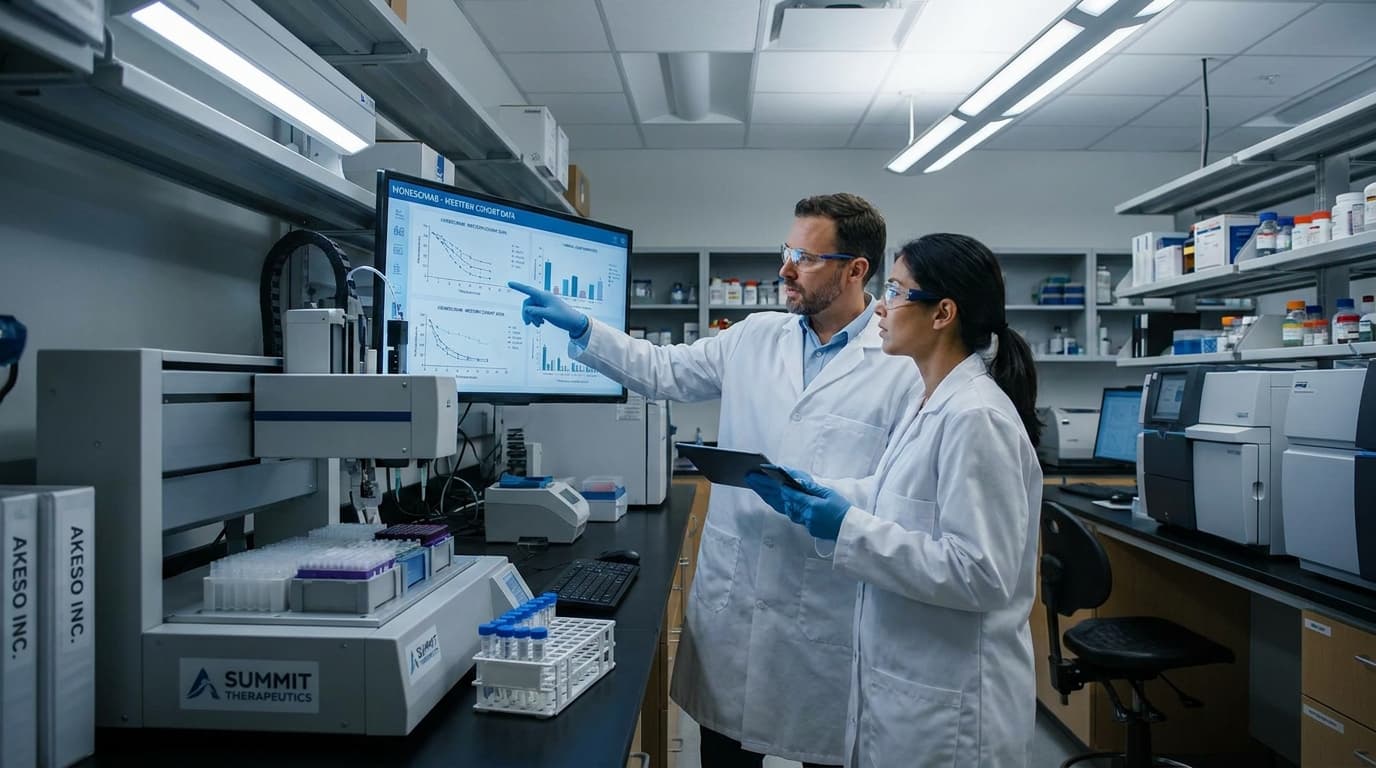
As Summit Therapeutics and Akeso unveil new data for their antibody ivonescimab, questions persist about its translation from prior results to Western populations. The ongoing dialogue underscores the complexities facing global drug development and regulatory acceptance, especially as biopharmaceutical partnerships increasingly seek to bridge geographical and genetic divides.
The Catalyst Brief
