 Jun 25, 2026
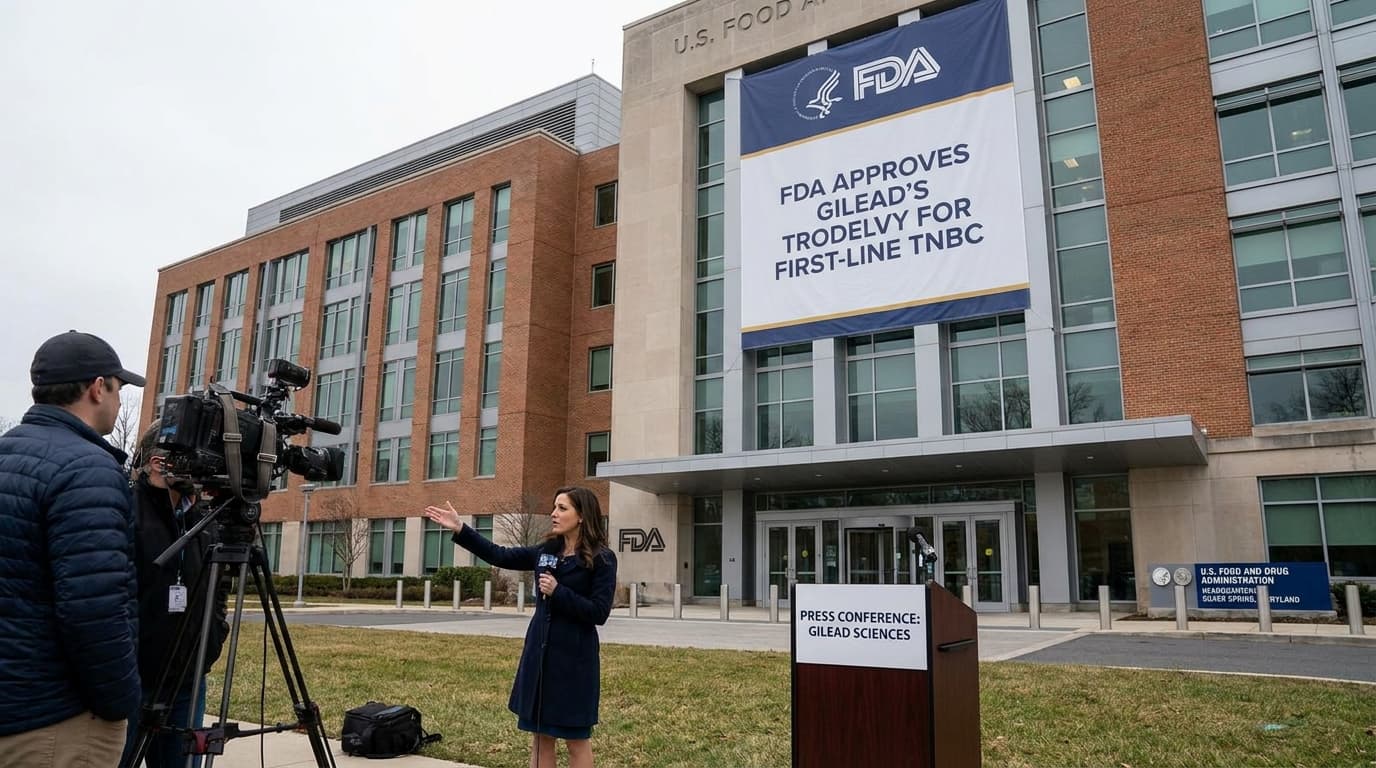
The FDA has granted Trodelvy, an antibody-drug conjugate from Gilead Sciences, a significant label expansion as a first-line therapy for triple-negative breast cancer (TNBC). This regulatory milestone puts Gilead on closer footing against competitors AstraZeneca and Daiichi Sankyo, intensifying the commercial and scientific race in the ADC space for breast cancer.
The Catalyst Brief
 Jun 24, 2026
Jubilant HollisterStier recently received a formal warning letter from the US FDA over a series of lapses—including delayed investigation into mold contamination and broader quality unit shortfalls—compelling the company to reassess practices across global operations. This incident lays bare the ongoing high stakes in regulatory compliance for the contract manufacturing sector and offers key insights into the enduring challenges faced by organizations providing essential drug supply services.
The Catalyst Brief
 Jun 24, 2026
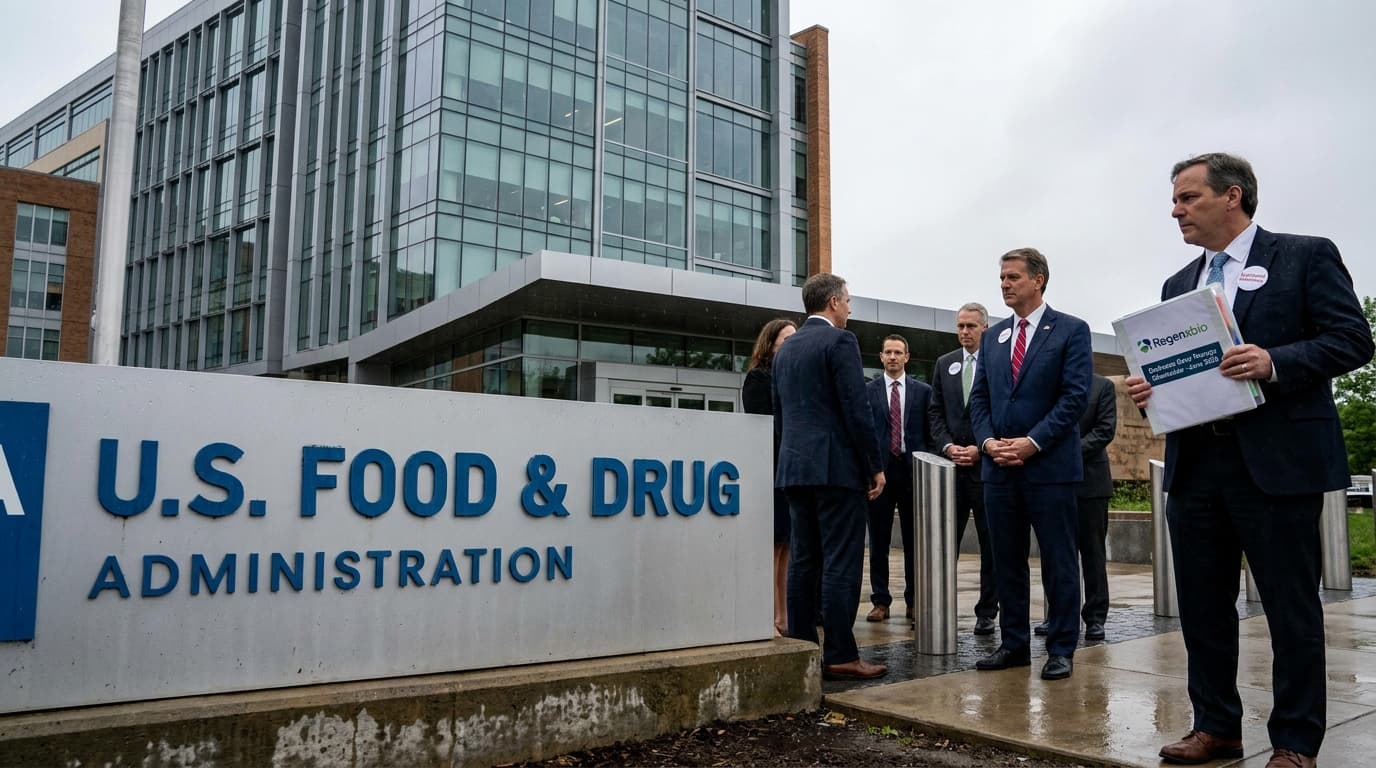
Regenxbio is moving forward with an FDA submission for its highly anticipated gene therapy targeting Duchenne muscular dystrophy, just one month after regulators indicated more data was required. The decision reflects rapid developments and shifting regulatory landscapes in rare disease approvals, as well as intensifying focus on accelerated pathways and the balance of risk and reward in gene therapy development.
The Catalyst Brief
 Jun 23, 2026
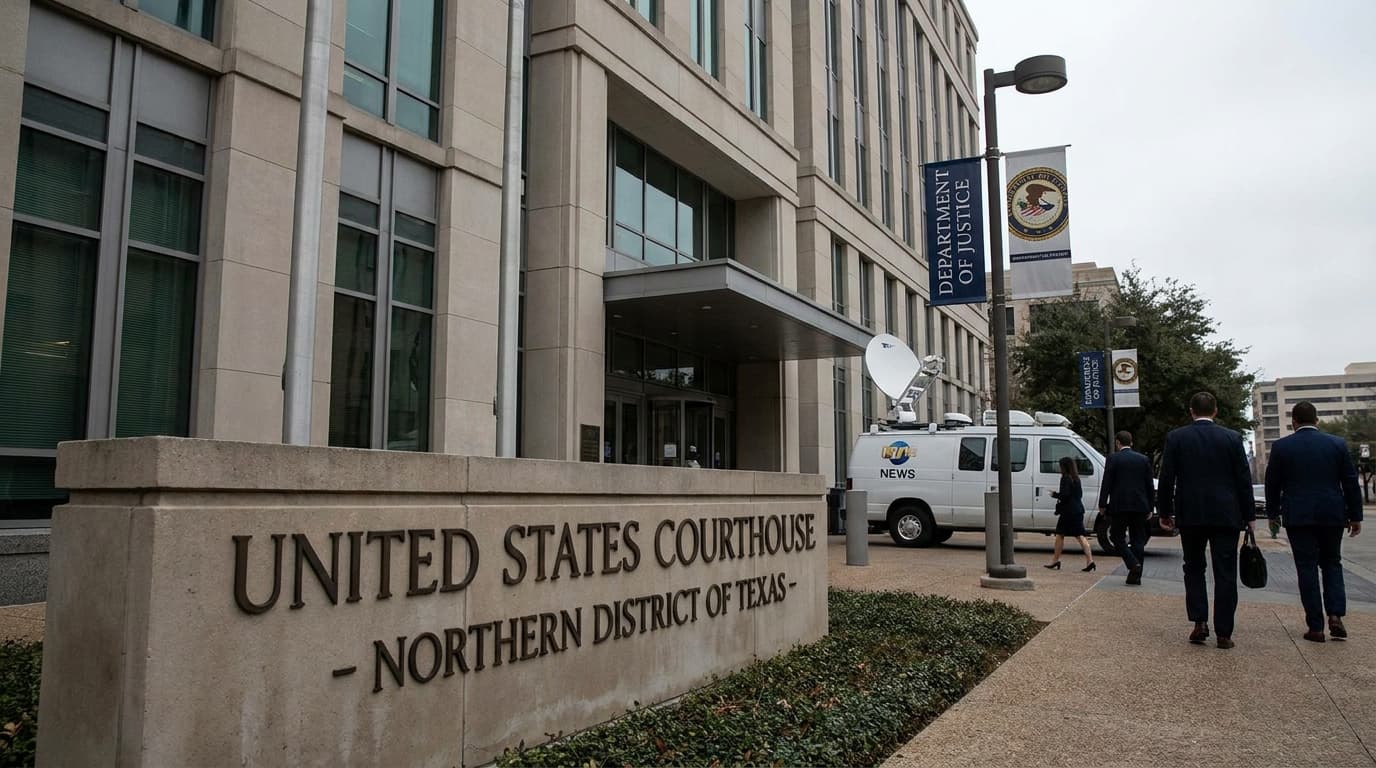
A Texas physician is at the center of an alleged $89 million fraud scheme, accused of billing insurance for medically unnecessary cardiovascular screening tests. This high-profile indictment comes as federal regulators pledge intensified crackdown efforts in the health care sector, signaling broader shifts in enforcement and oversight.
The Catalyst Brief
 Jun 23, 2026
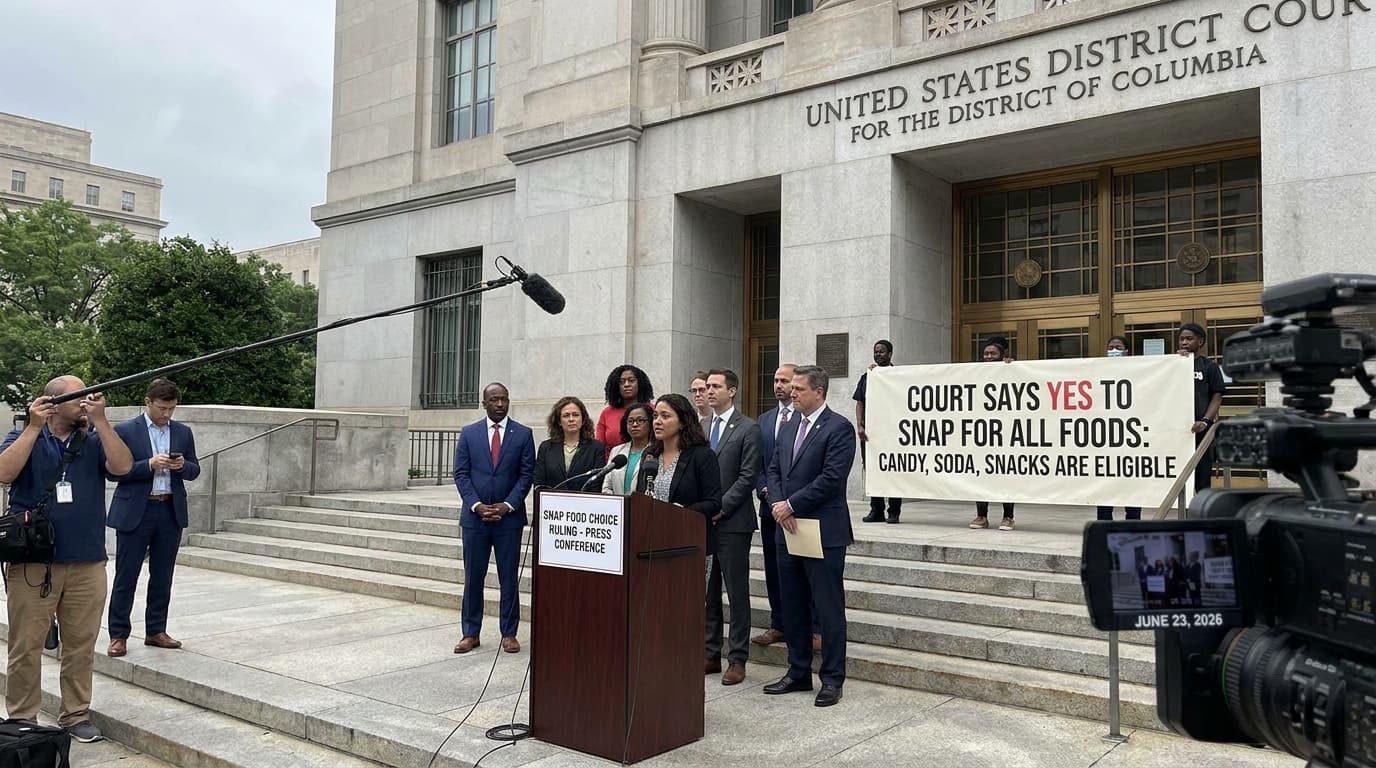
A judge has ruled that the federal government cannot restrict recipients of the Supplemental Nutrition Assistance Program (SNAP) from using their benefits to purchase candy, soda, and other sugary beverages. The decision is likely to have a substantial impact on ongoing debates around food security, nutrition, public health, and the regulation of federal aid programs.
The Catalyst Brief
 Jun 23, 2026
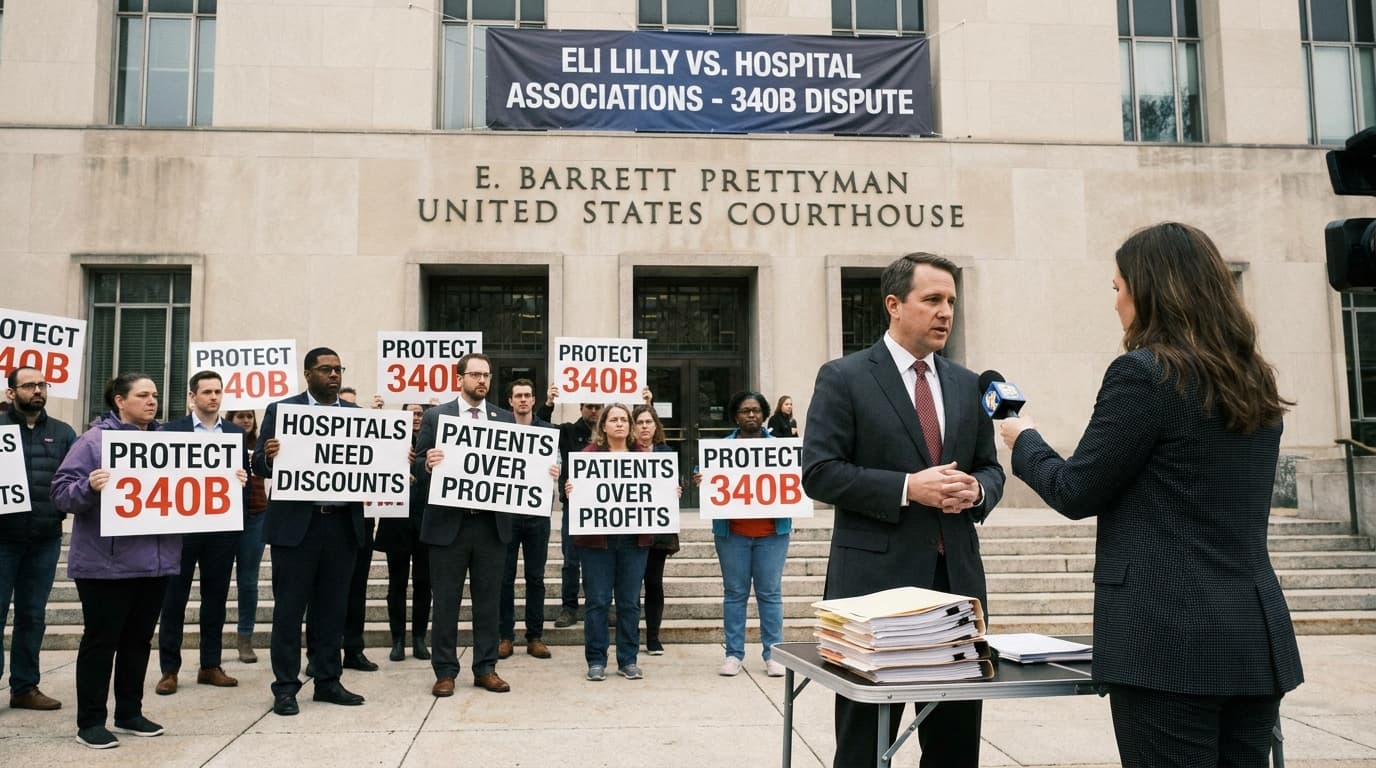
The tension between pharmaceutical giant Eli Lilly and U.S. hospitals has reached a new peak as the company enforces stricter claims data requirements for 340B drug discounts. Health systems, already under pressure, argue the move could undermine the very fabric of a program designed to serve some of the nation's most vulnerable patients.
The Catalyst Brief
 Jun 22, 2026
Federal health officials are rolling out a new pilot that could transform the early phases of drug development. The initiative is part of a broader effort to boost innovation and retain international leadership in the biopharmaceutical sector.
The Catalyst Brief
 Jun 22, 2026
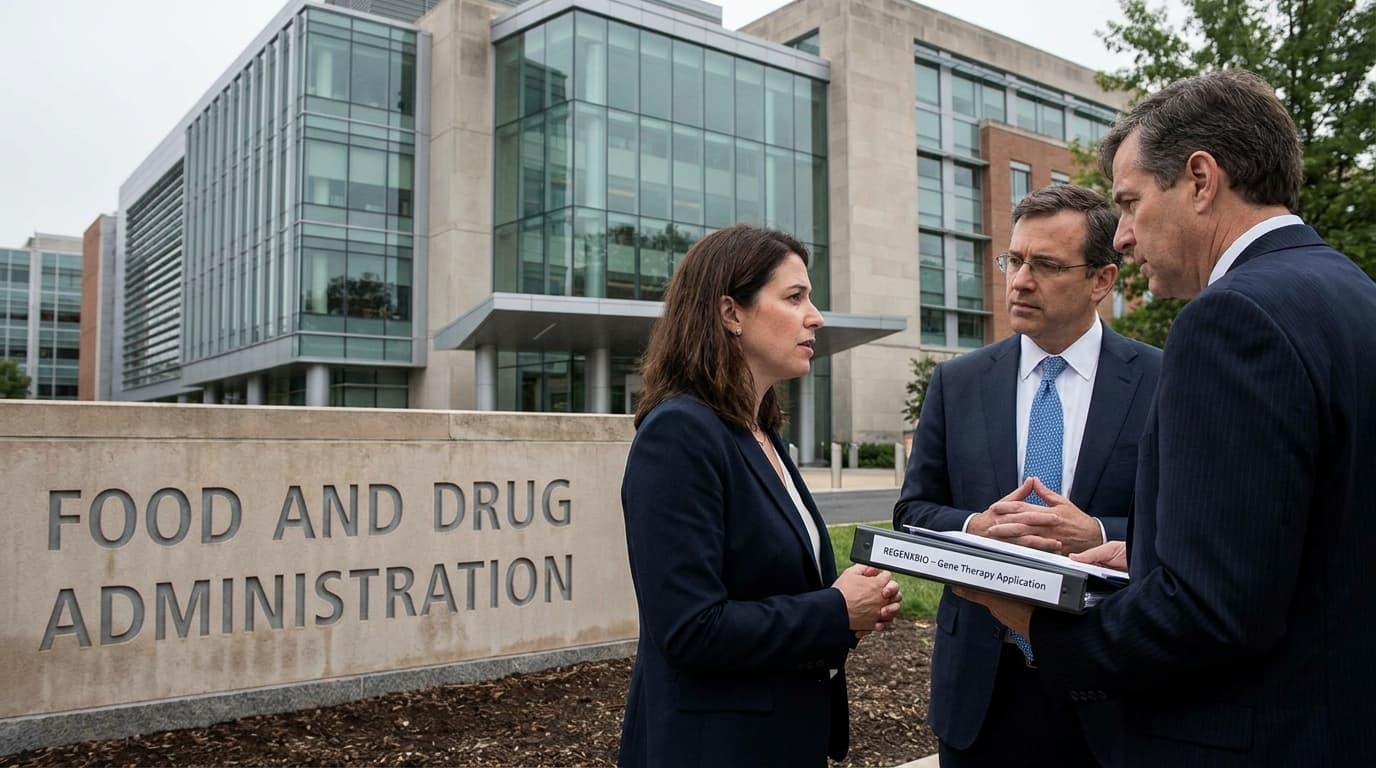
The FDA’s reversal on Regenxbio’s gene therapy application is emblematic of the regulator’s evolving approach toward cutting-edge, high-risk therapies for rare diseases. The move reflects both ongoing scientific debates and the urgent needs of patients with few (or no) alternatives. Today’s reconsideration provides new hope for transformative genetic treatments targeting devastating pediatric disorders.
The Catalyst Brief
 Jun 21, 2026
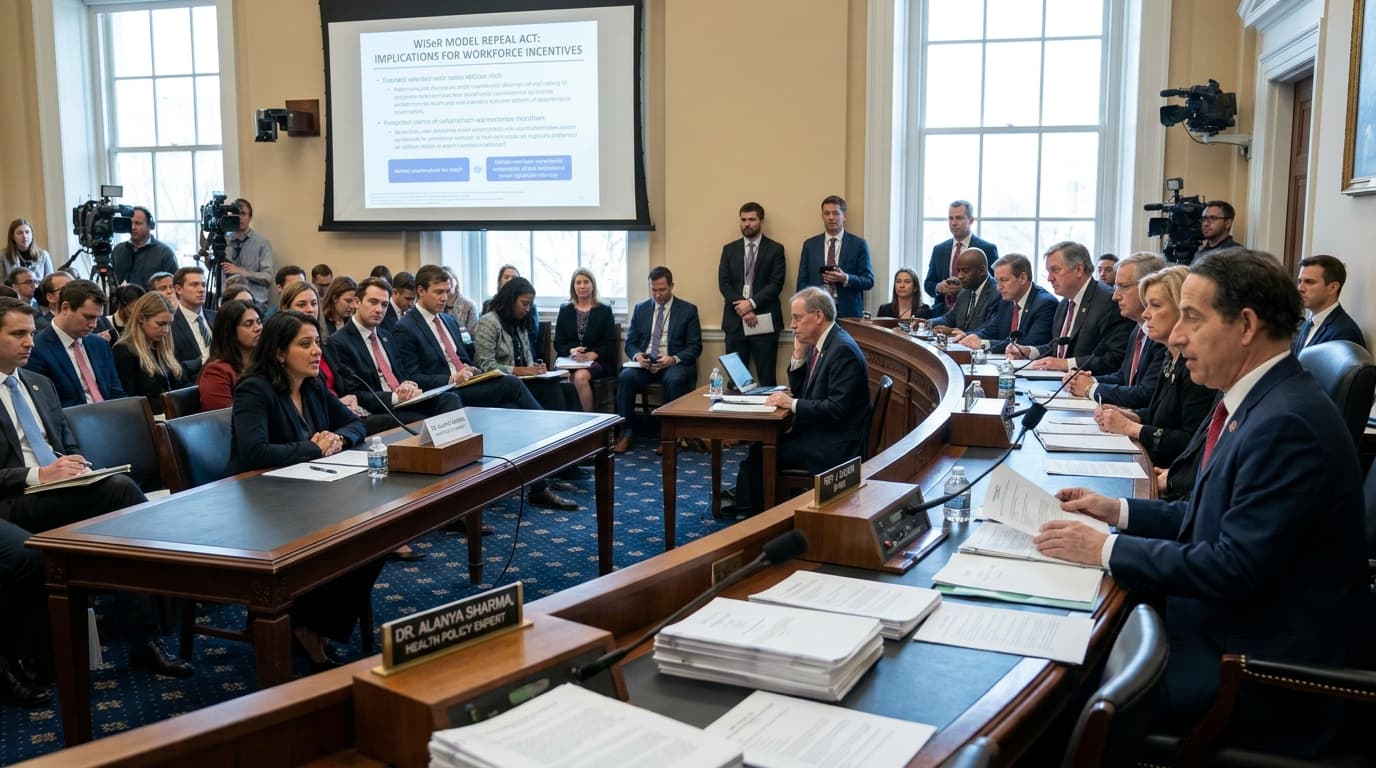
The WISeR model remains a lightning rod in federal healthcare policy discussions, with Congressional Democrats taking steps toward repeal. However, a complex interplay of political, industry, and expert opinions raises questions about whether these efforts can succeed, and what it means for the broader healthcare landscape.
The Catalyst Brief
 Jun 20, 2026
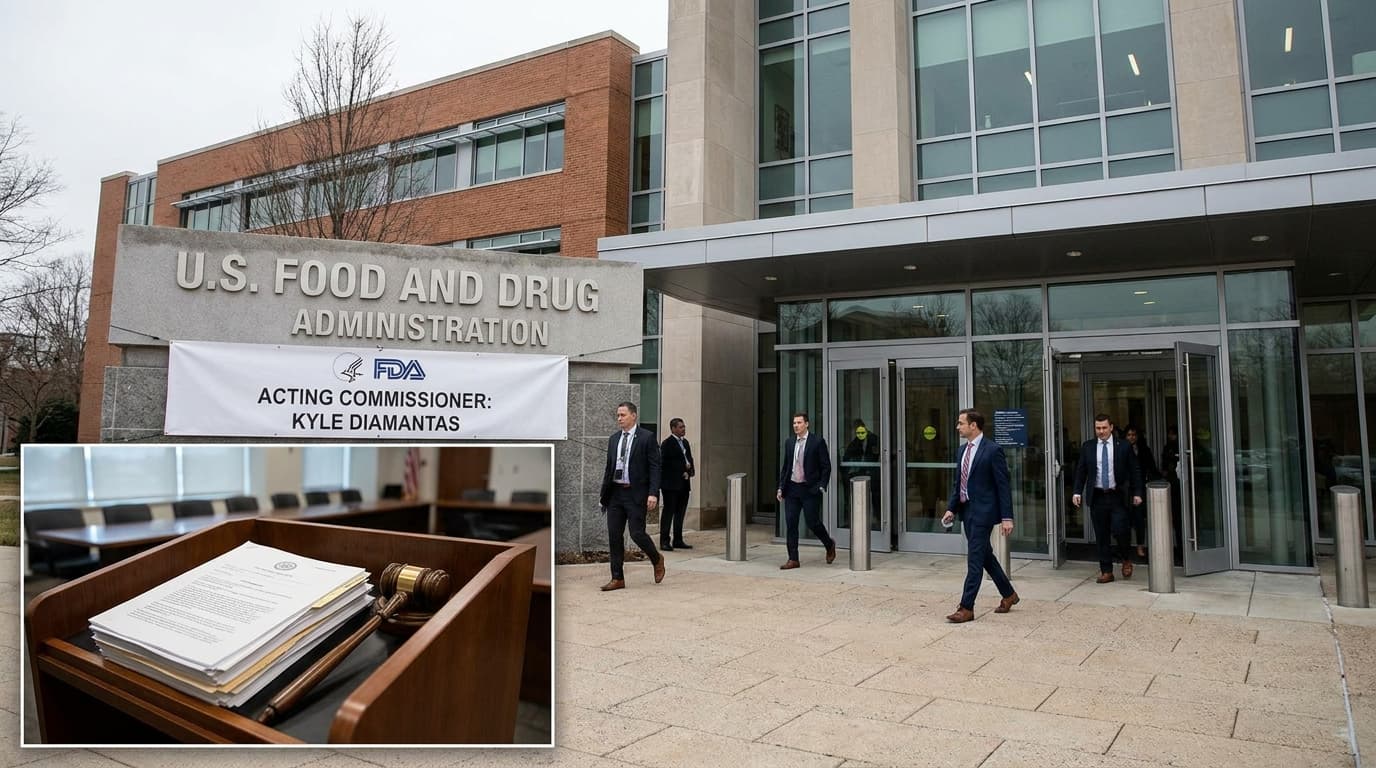
As UniQure prepares a third-quarter submission for its Huntington’s disease gene therapy, many in the biopharmaceutical industry are watching the FDA’s approach under acting commissioner Kyle Diamantas for signs of lasting change. This feature examines the evolving regulatory landscape and explores whether recent displays of flexibility represent a new permanent direction, or are simply the calm before the next wave of policy shifts.
The Catalyst Brief
 Jun 20, 2026
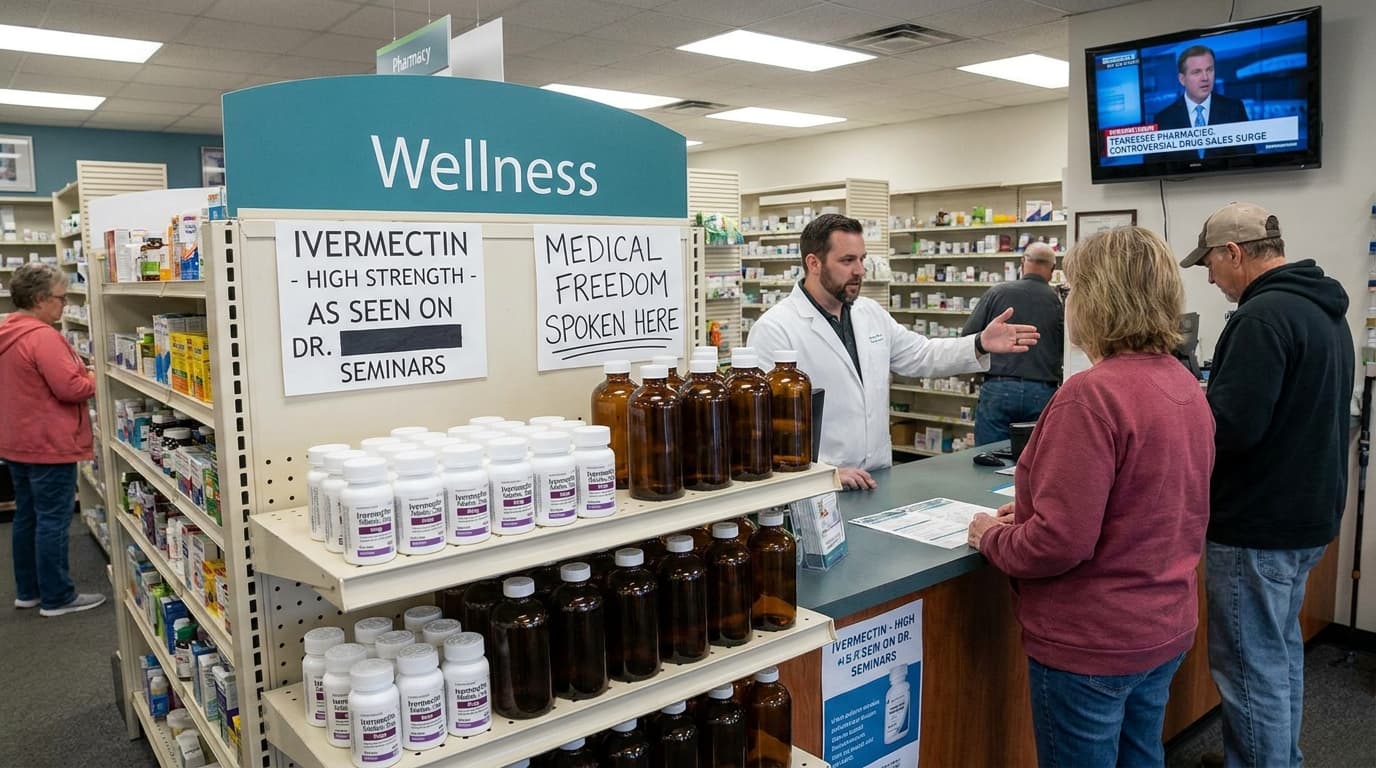
In Tennessee, pharmacies have experienced a remarkable increase in sales of potent formulations of the antiparasitic drug ivermectin. This market growth is largely driven by an anti-vaccine doctor who has publicized his use of the drug and actively encourages others to follow suit. The expansion of this controversial market underscores persistent challenges for regulators, the medical community, and public health officials as they confront misinformation and lax pharmacy oversight.
The Catalyst Brief
 Jun 20, 2026
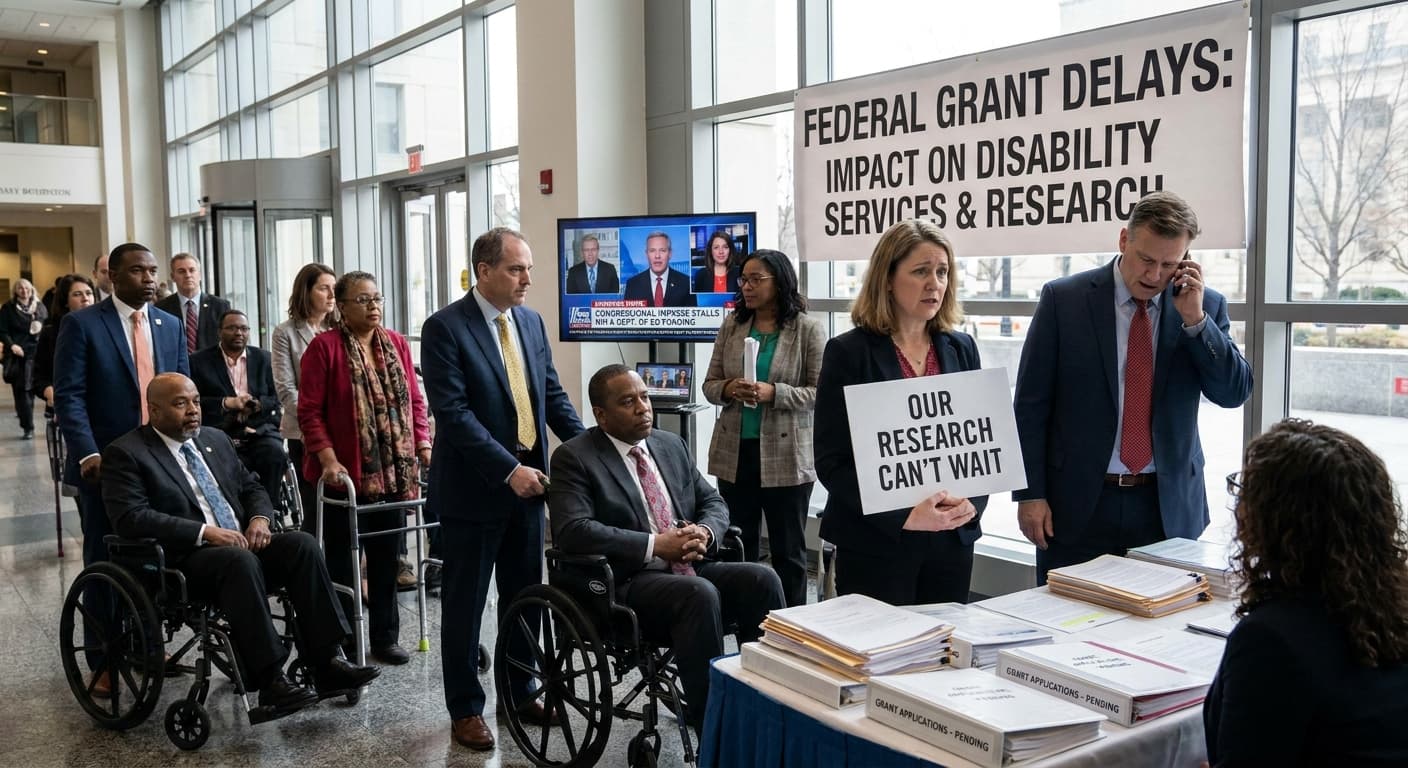
Delays in the distribution of federal research grants have sparked anxiety among disability researchers and the broader scientific community, casting doubts on job security, project continuity, and the future of critical disability-related services. The situation puts an essential segment of public health and social support at risk, with far-reaching implications for individuals with disabilities, their care networks, and the field of disability research as a whole.
The Catalyst Brief
