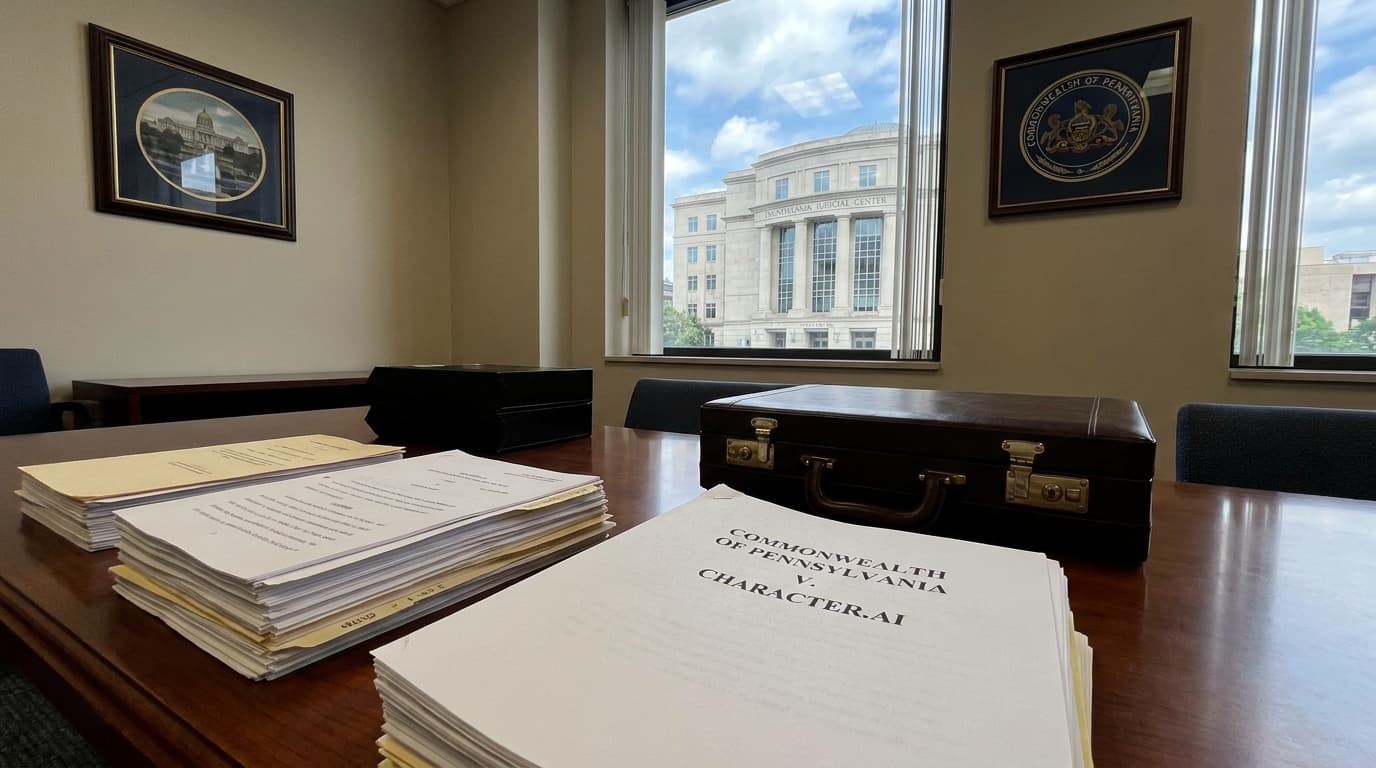
 May 9, 2026
This lawsuit brings to light the increasing scrutiny on AI-driven chatbot platforms within the healthcare sector and raises important questions about safety, accountability, and the boundaries of artificial intelligence applications in medical practice.
The Catalyst Brief
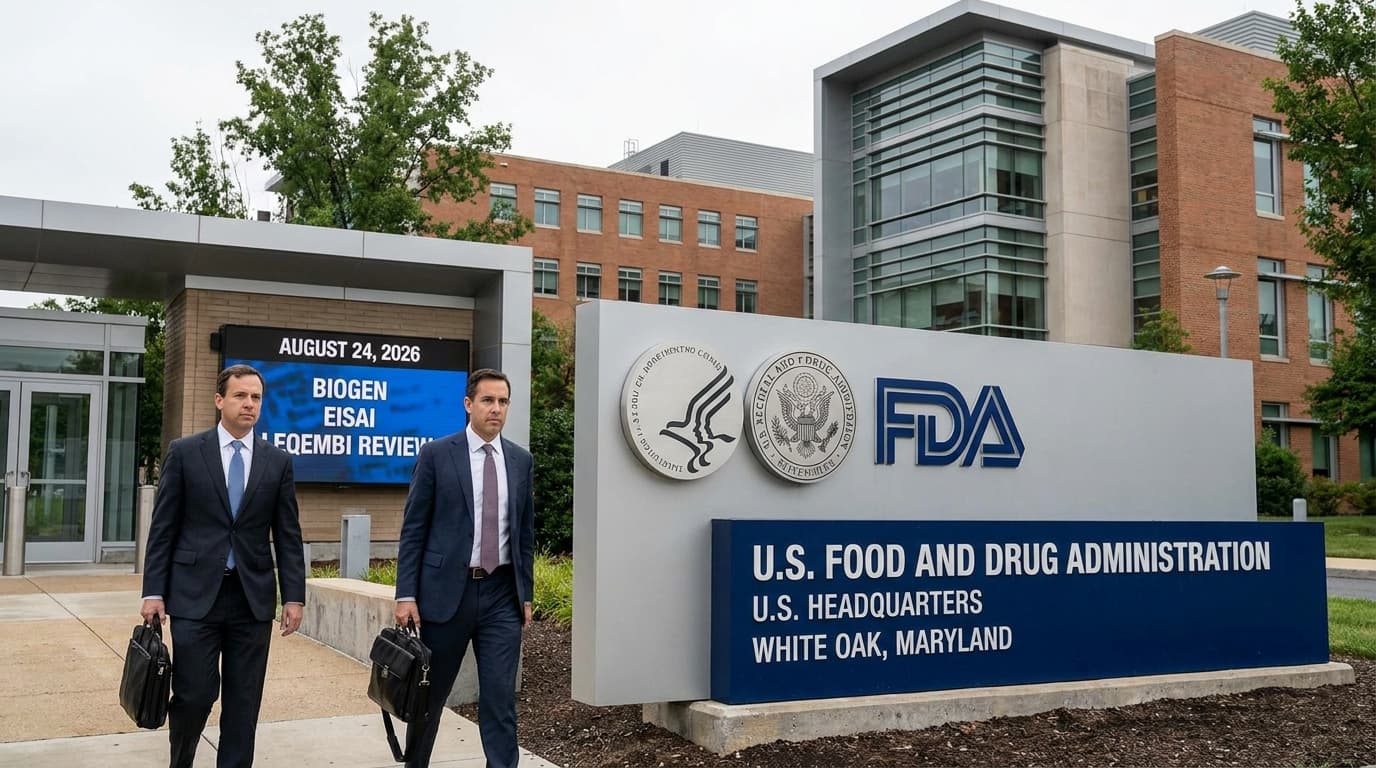 May 8, 2026
Biogen and Eisai's application for a subcutaneous induction formulation of their Alzheimer’s disease therapy Leqembi has encountered a three-month review delay from the FDA. This extension allows additional time for reviewers to evaluate a significant amendment to the application, postponing the target action date to late August 2026.
The Catalyst Brief
 May 7, 2026
In an innovative move to enhance regulatory efficiency, the FDA is piloting AI-informed facility inspections that reduce the time of screenings to one day. This initiative promises to streamline workflows, allow better resource targeting, and potentially transform how compliance is monitored within the biotech and pharmaceutical manufacturing sectors.
The Catalyst Brief
 May 7, 2026
Ebvallo, a drug aimed at treating a rare cancer, was initially rejected unexpectedly by the FDA. Subsequent dialogue led to an agreement that lays the groundwork for the agency to revisit the drug’s approval process, signaling a notable development in regulatory oversight and drug evaluation for rare diseases.
The Catalyst Brief
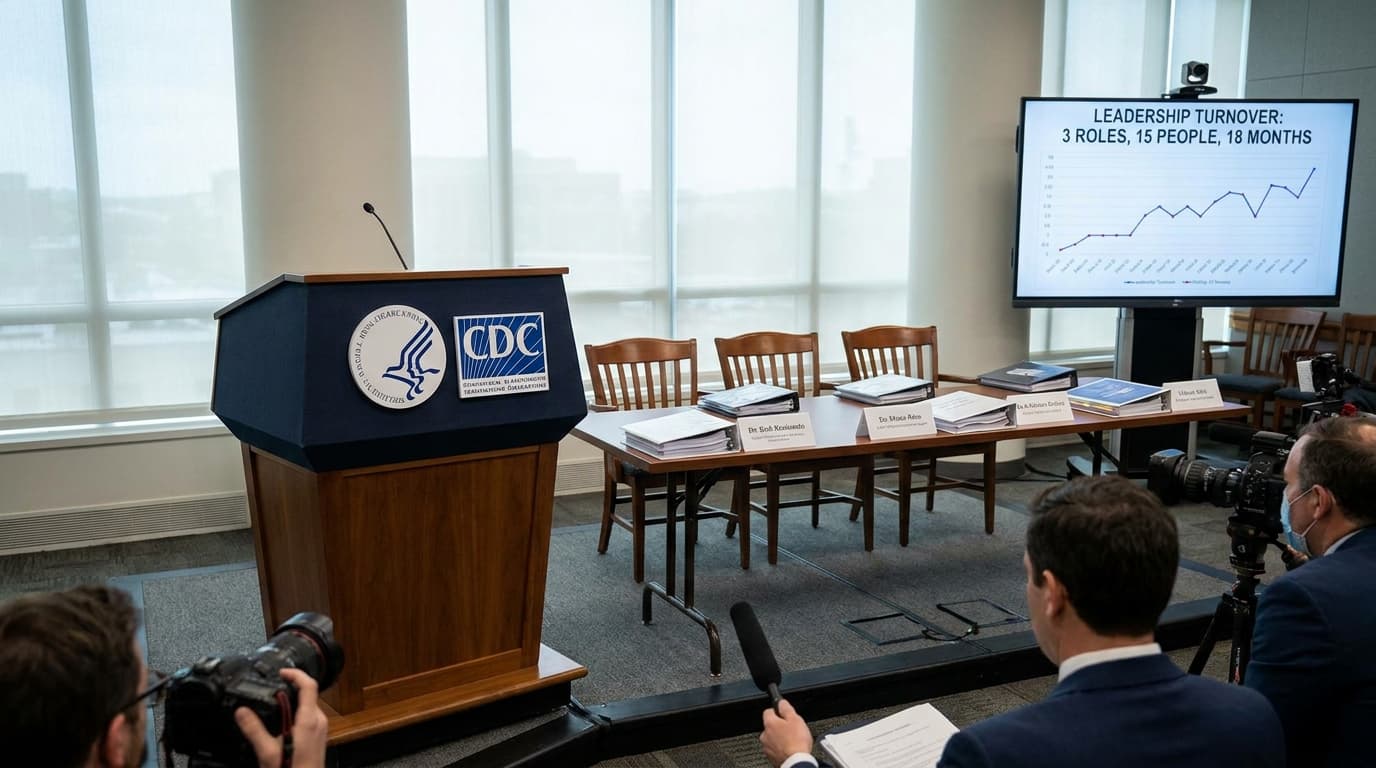 May 7, 2026
Leadership stability is crucial to effective public health policy and regulatory oversight. However, recent turnover rates at the U.S. Department of Health and Human Services' major public health agencies signal ongoing challenges in maintaining consistent governance and oversight at the FDA and CDC.
The Catalyst Brief
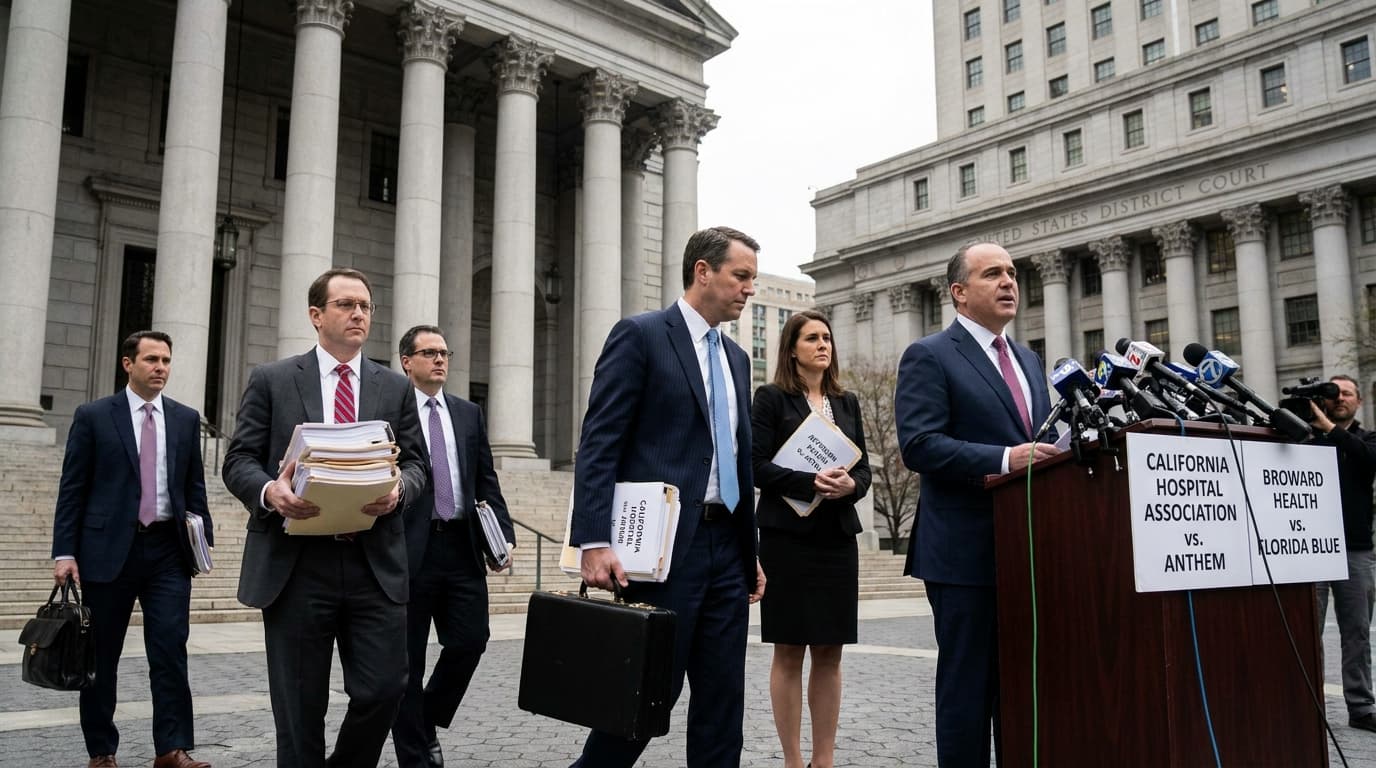 May 6, 2026
Healthcare provider and payer relationships are under strain as multiple lawsuits emerge, reflecting complex disputes over payment policies and reimbursement rules. Understanding these court cases sheds light on broader financial and regulatory challenges in the healthcare system.
The Catalyst Brief
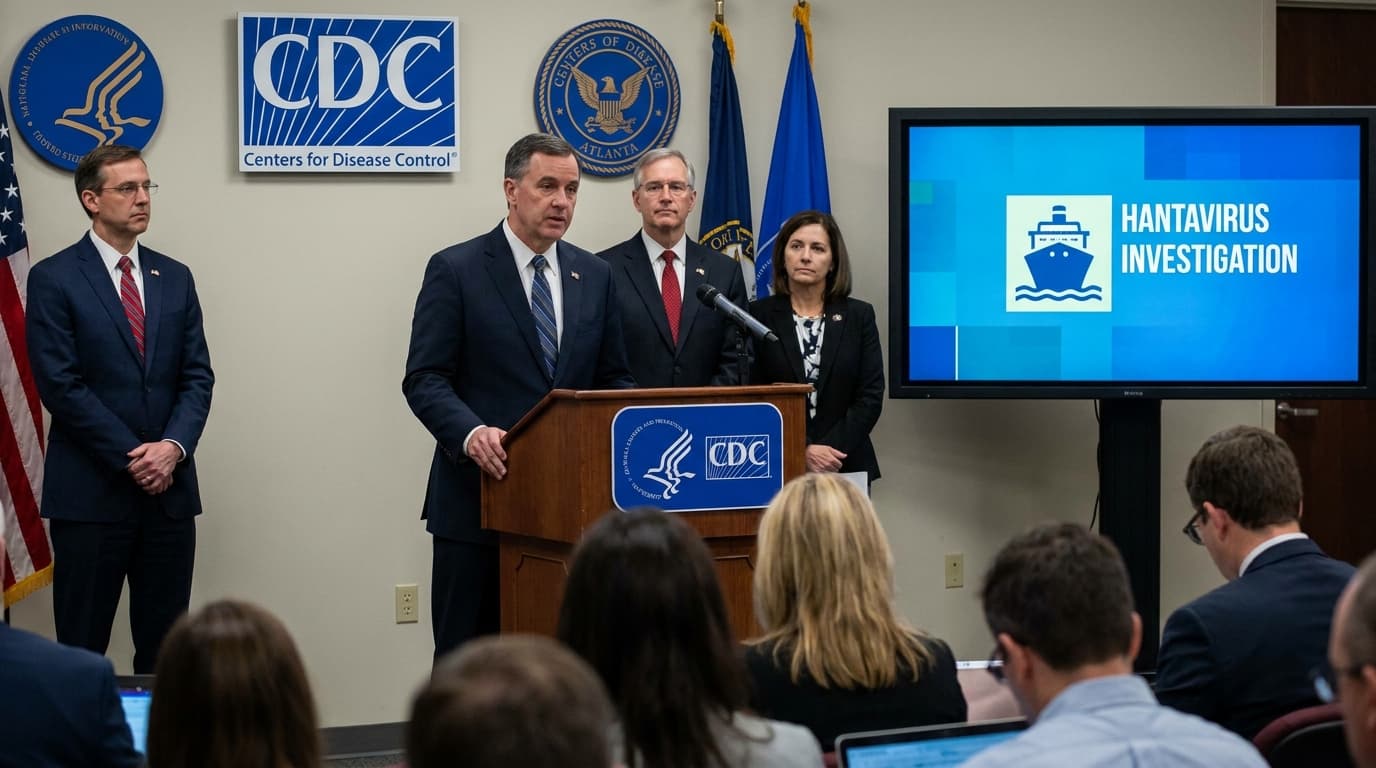 May 5, 2026
Recently, a cruise ship experienced an outbreak attributed to hantavirus, resulting in fatalities and illnesses. This article explores the biology of hantavirus, symptoms, transmission, and how public health entities manage such outbreaks while maintaining public reassurance.
The Catalyst Brief
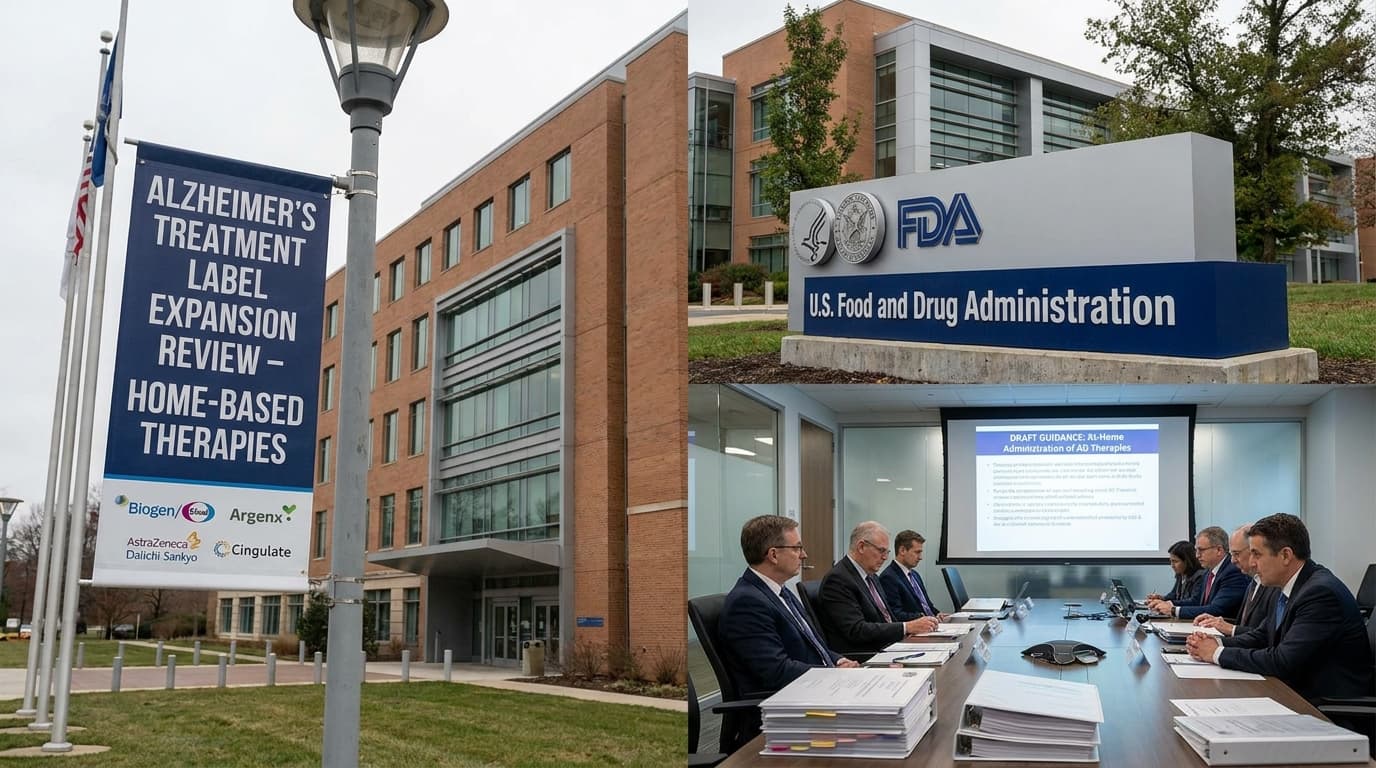 May 4, 2026
This month, the FDA’s focus on label expansions for multiple pharmaceuticals presents notable implications for Alzheimer’s disease treatment accessibility and modalities. Among these, the possibility of home-based interventions marks an important development in managing this challenging condition.
The Catalyst Brief
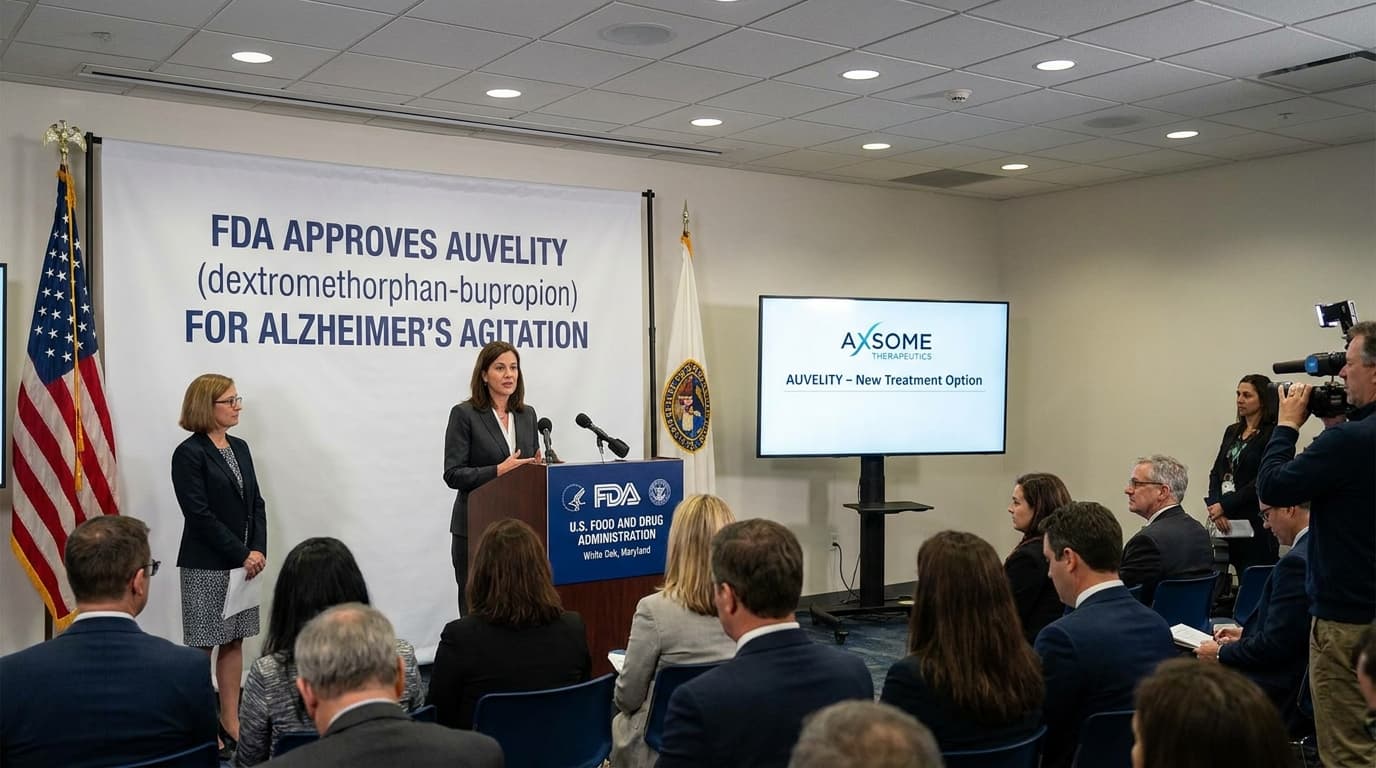 May 4, 2026
The recent FDA expansion of Auvelity’s label to include agitation in Alzheimer's disease marks a significant milestone in managing this challenging symptom. As only the second FDA-approved option, Auvelity offers a novel, non-antipsychotic approach with safety advantages, bringing hope to patients and caregivers alike.
The Catalyst Brief
 May 3, 2026
A recent warning by a Massachusetts regulator highlights the likelihood that the CVS and Mass General Brigham MinuteClinic deal may lead to increased healthcare spending by at least $40 million annually. Experts caution that while the partnership could enhance convenience, it is unlikely to expand patient access meaningfully and may consolidate market power, driving costs higher.
The Catalyst Brief
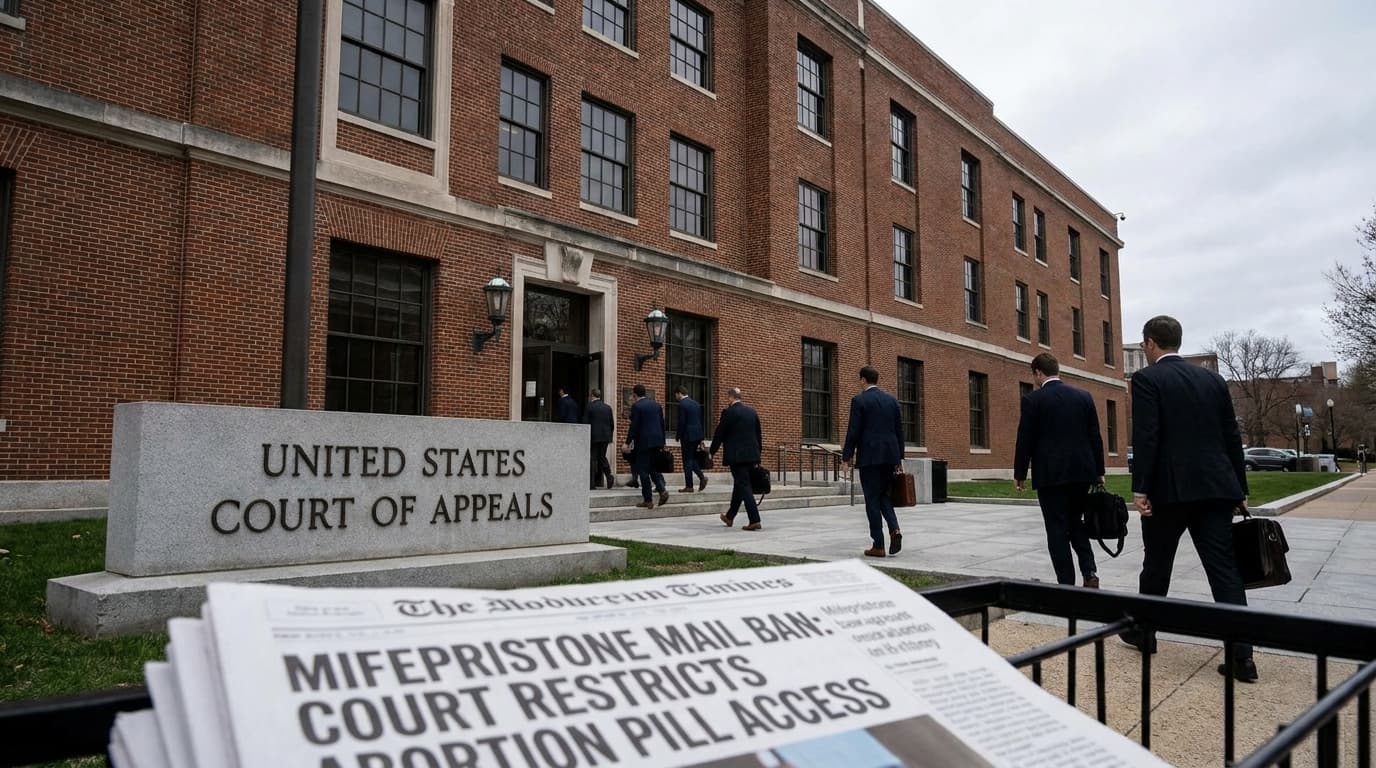 May 2, 2026
Mifepristone, a key drug involved in the majority of abortion procedures across the United States, faces new regulatory hurdles after a federal appeals court ruled to block its distribution via mail. This ruling mandates that the drug can only be administered in clinical settings with direct patient presence. The decision raises important implications for access to abortion care nationwide.
The Catalyst Brief
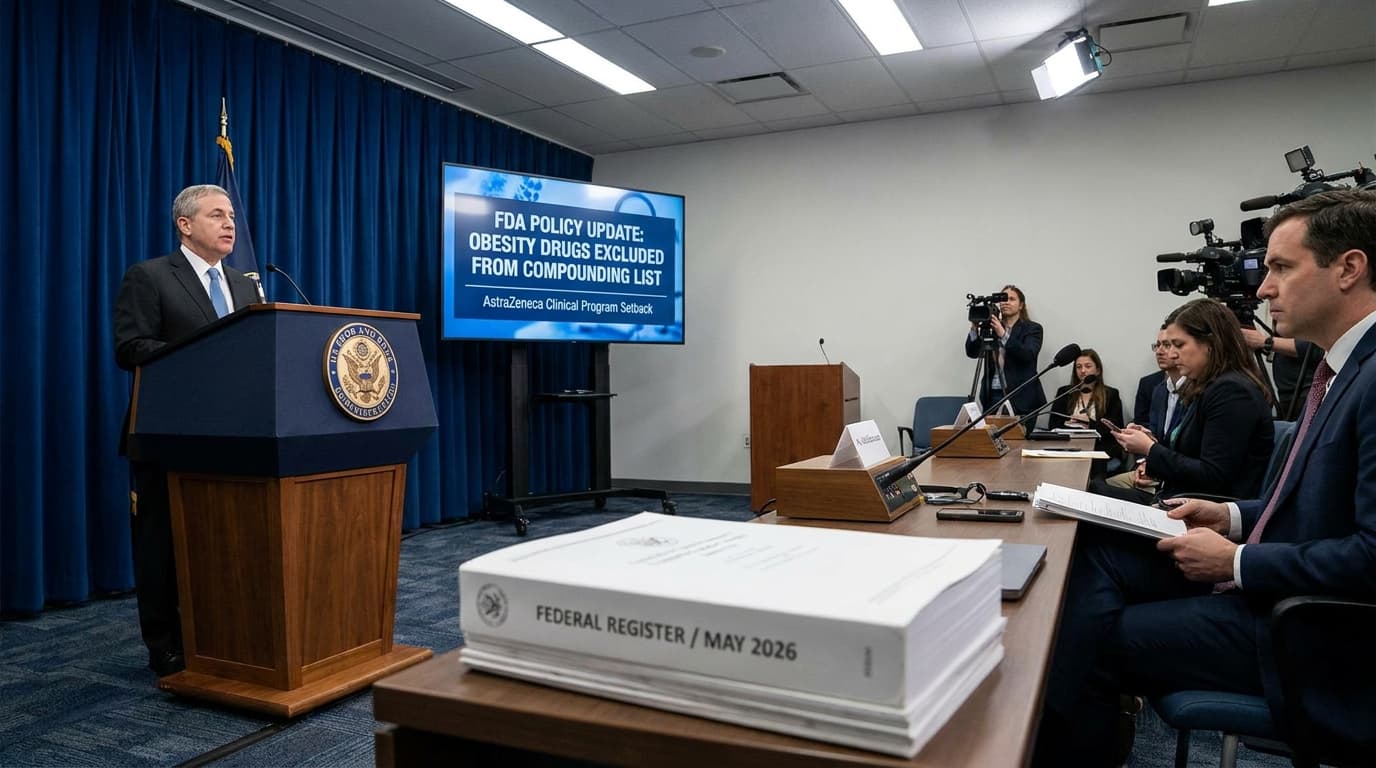 May 1, 2026
Recent regulatory updates include the FDA's new stance on obesity treatment compounding, spotlighting broader policy implications on drug accessibility. Meanwhile, AstraZeneca faces challenges in its obesity drug pipeline, prompting industry-wide reflections on the future of weight loss therapies.
The Catalyst Brief
