 Apr 7, 2026
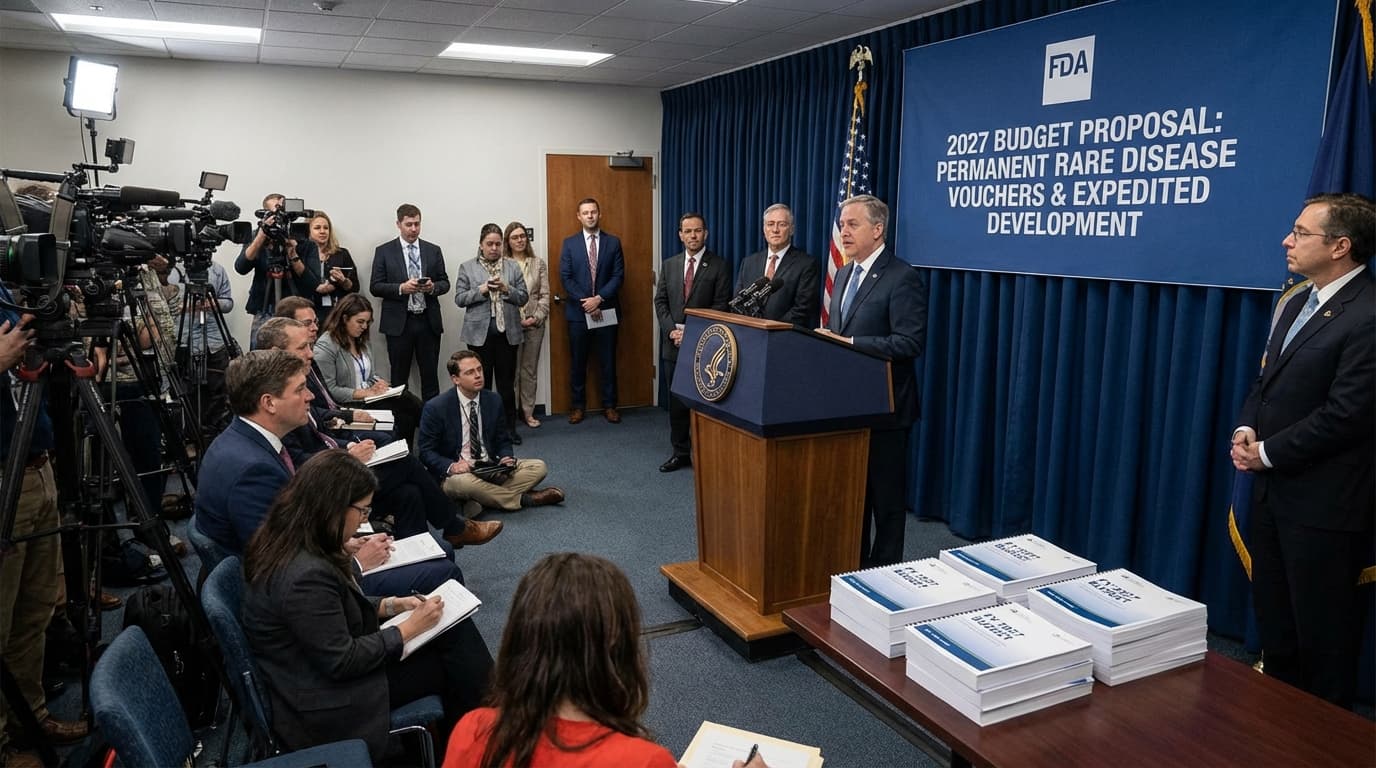
With a focus on accelerating pharmaceutical innovation and enhancing public health, the FDA plans to make rare disease vouchers a permanent program and facilitate easier clinical entry for new therapeutics. These changes aim to support faster development pathways for treatments addressing rare and complex conditions.
The Catalyst Brief
 Apr 6, 2026
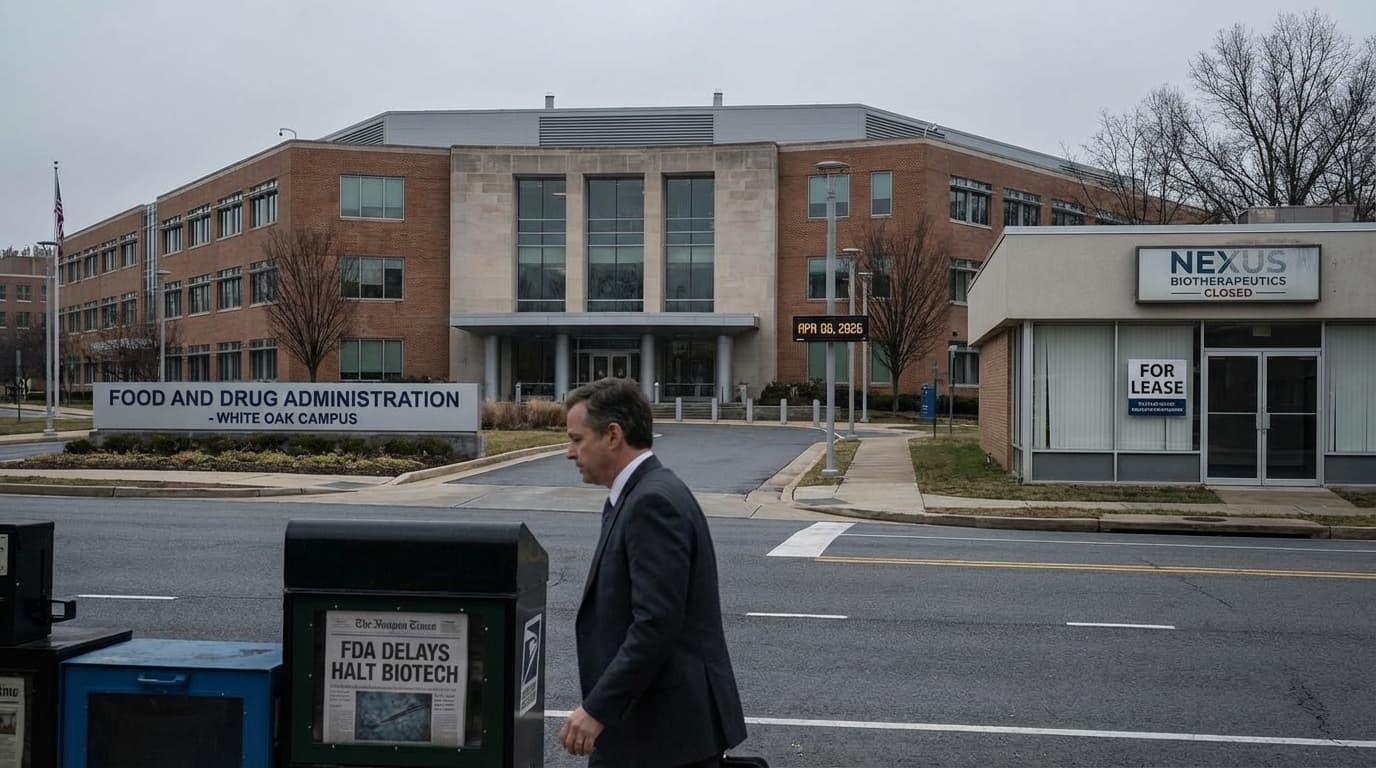
In February 2026, a small biotech company nearing a clinical trial agreement with the FDA faced an unexpected four-month postponement that ultimately led to its closure. This incident highlights challenges that news and stakeholders in the biotech industry frequently encounter due to protracted regulatory processes.
The Catalyst Brief
 Apr 6, 2026
As the FDA prepares to finalize its stance on Replimune’s RP1, industry analysts emphasize the decision’s role as a crucial litmus test. It could shape regulatory frameworks, influence drug approvals, and affect innovation trajectories throughout the biotech sector. This article explores the significance of the RP1 decision, the context within the FDA’s evolving policies, and potential impacts on biotech companies and patients.
The Catalyst Brief
 Apr 5, 2026
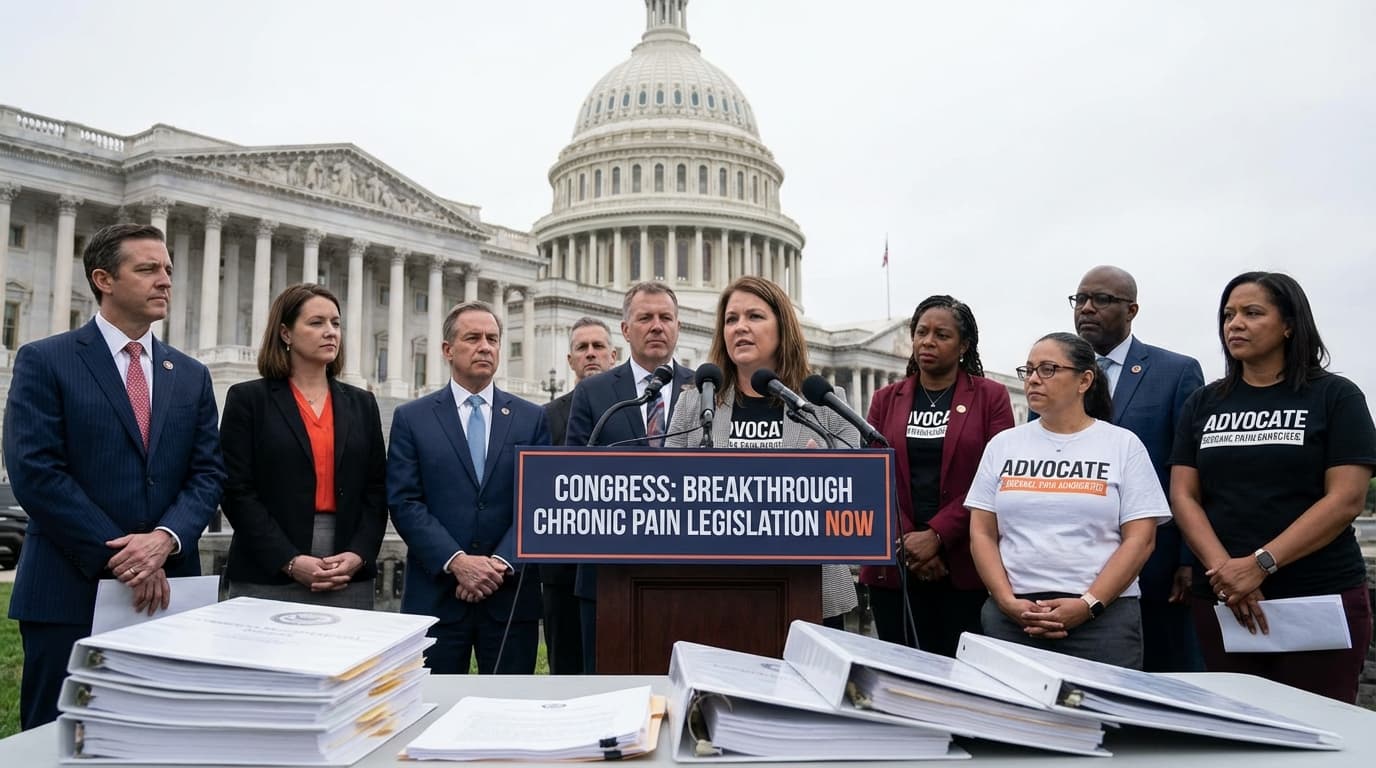
Chronic pain remains a significant public health challenge, with many patients facing hurdles to accessing effective therapies. Legislative breakthroughs in Congress may address these barriers, easing the burden on patients and healthcare professionals alike. This article explores the systemic obstacles and potential policy solutions gaining traction.
The Catalyst Brief
 Apr 4, 2026
The pharmaceutical industry faces new challenges under the Trump administration's tariff policies aimed at reshaping the drug supply chain and controlling prices. This article explores the current state of tariffs, the exemptions granted, and the ongoing negotiations that could lead to changes in tariff application for branded drugmakers.
The Catalyst Brief
 Apr 3, 2026
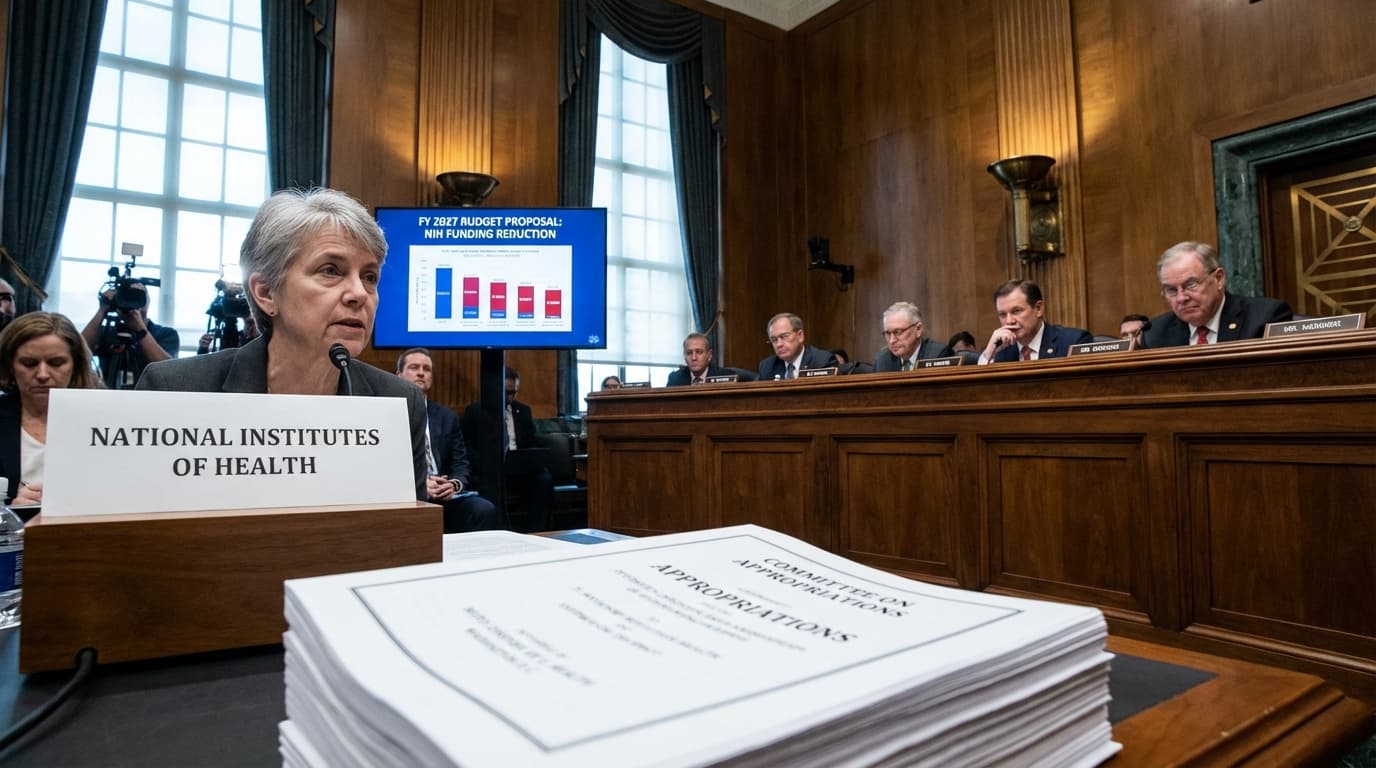
The White House's 2027 budget proposal seeks to downsize NIH funding and restructure the agency by reducing its institutes and centers. This move could have broad implications for biomedical research and public health, but legislative resistance may temper the administration's plans.
The Catalyst Brief
 Apr 3, 2026
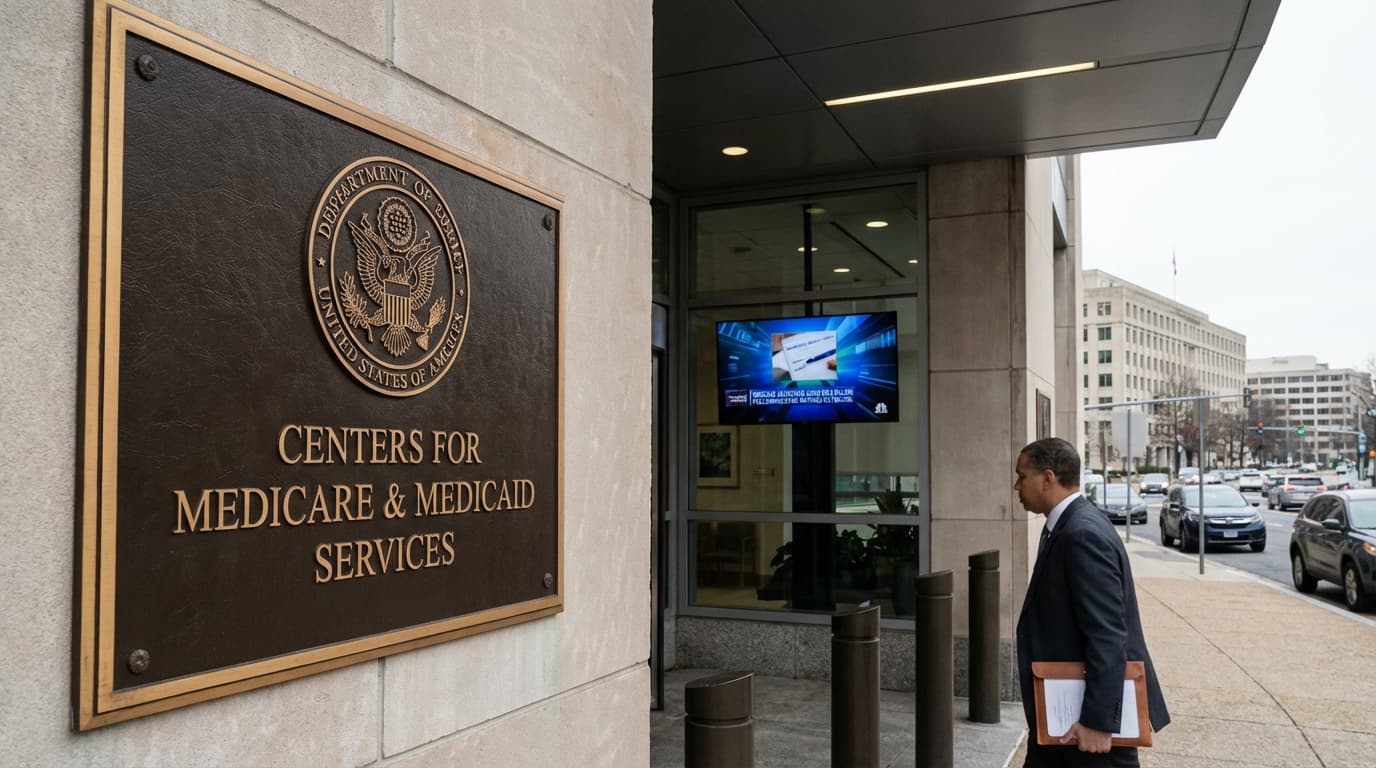
The Centers for Medicare & Medicaid Services (CMS) has recently decided to scale back the number of performance measures it employs to rate health insurers, particularly affecting Medicare Advantage plans. This decision has led to a significant financial windfall for these plans, with estimates indicating an $18.6 billion increase. This development has sparked discussion and analysis regarding regulatory approaches and the implications for health insurer accountability.
The Catalyst Brief
 Apr 2, 2026
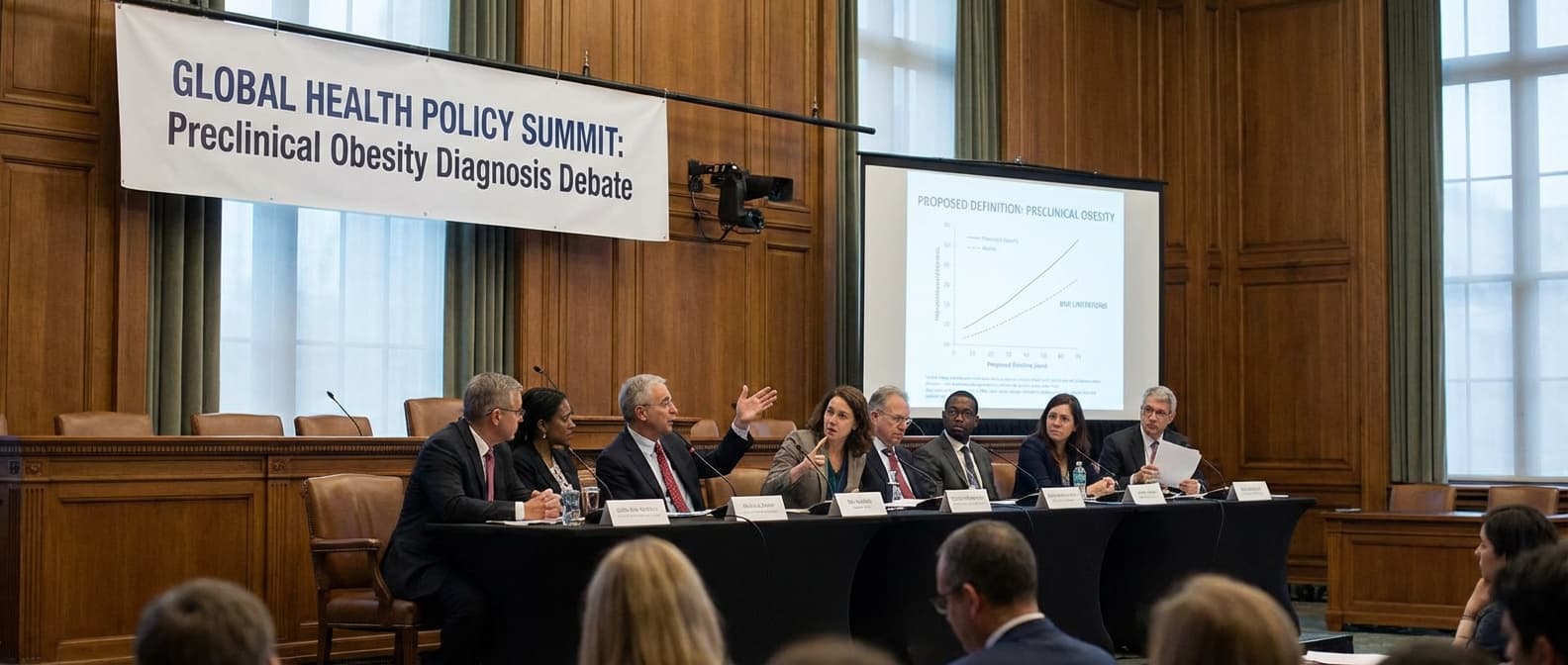
Obesity diagnosis is at a crossroads with a proposed new definition aiming to refine the clinical identification of the condition before it fully manifests. This initiative has sparked a global debate involving endocrinologists, healthcare professionals, and policy makers, with proponents and critics weighing the implications for patient care and healthcare disparities.
The Catalyst Brief
 Apr 2, 2026
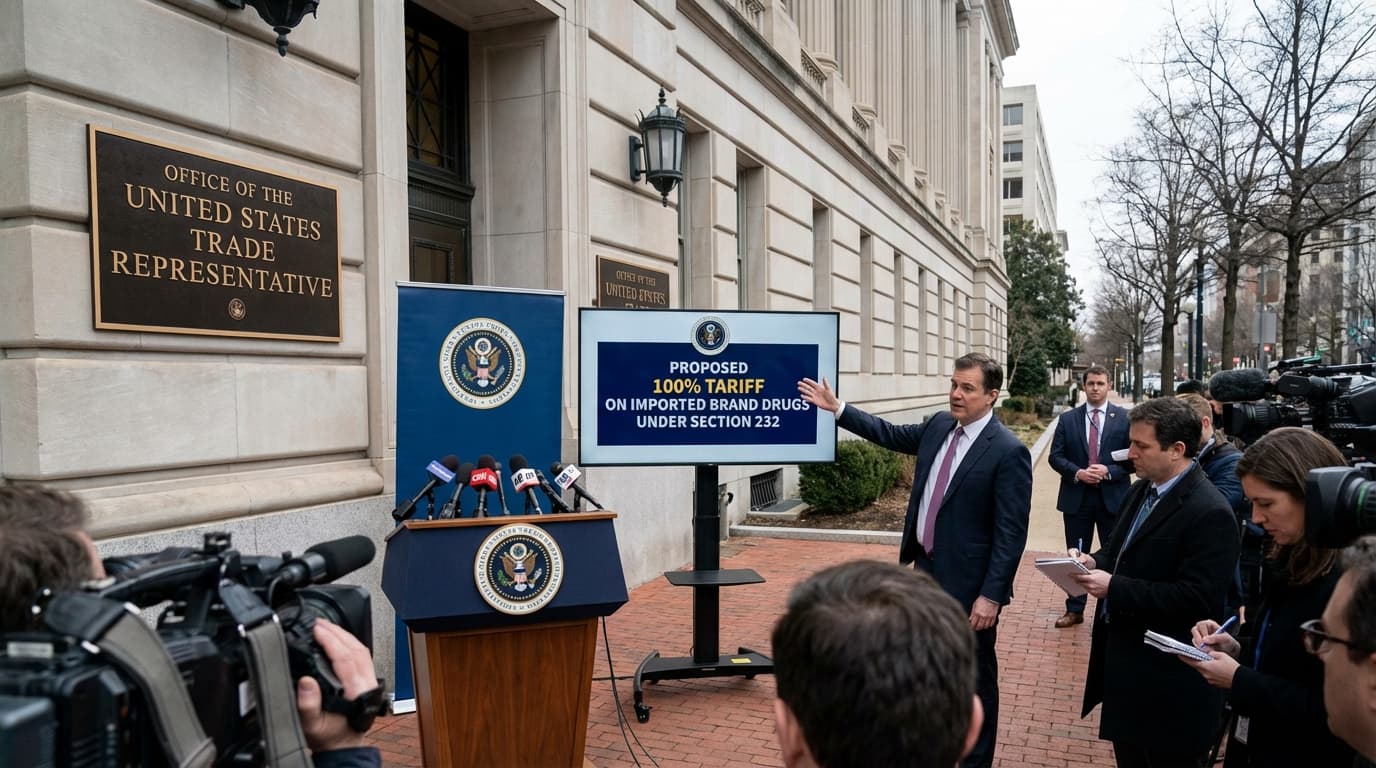
A newly surfaced draft order reveals that the U.S. government is considering imposing a full 100% tax on some imported medications as a strategy to support domestic pharmaceutical manufacturing and address trade imbalances. Such a policy could have broad implications across the healthcare and pharmaceutical industries, patient affordability, and international trade relations affecting drug availability and pricing dynamics.
The Catalyst Brief
 Apr 2, 2026
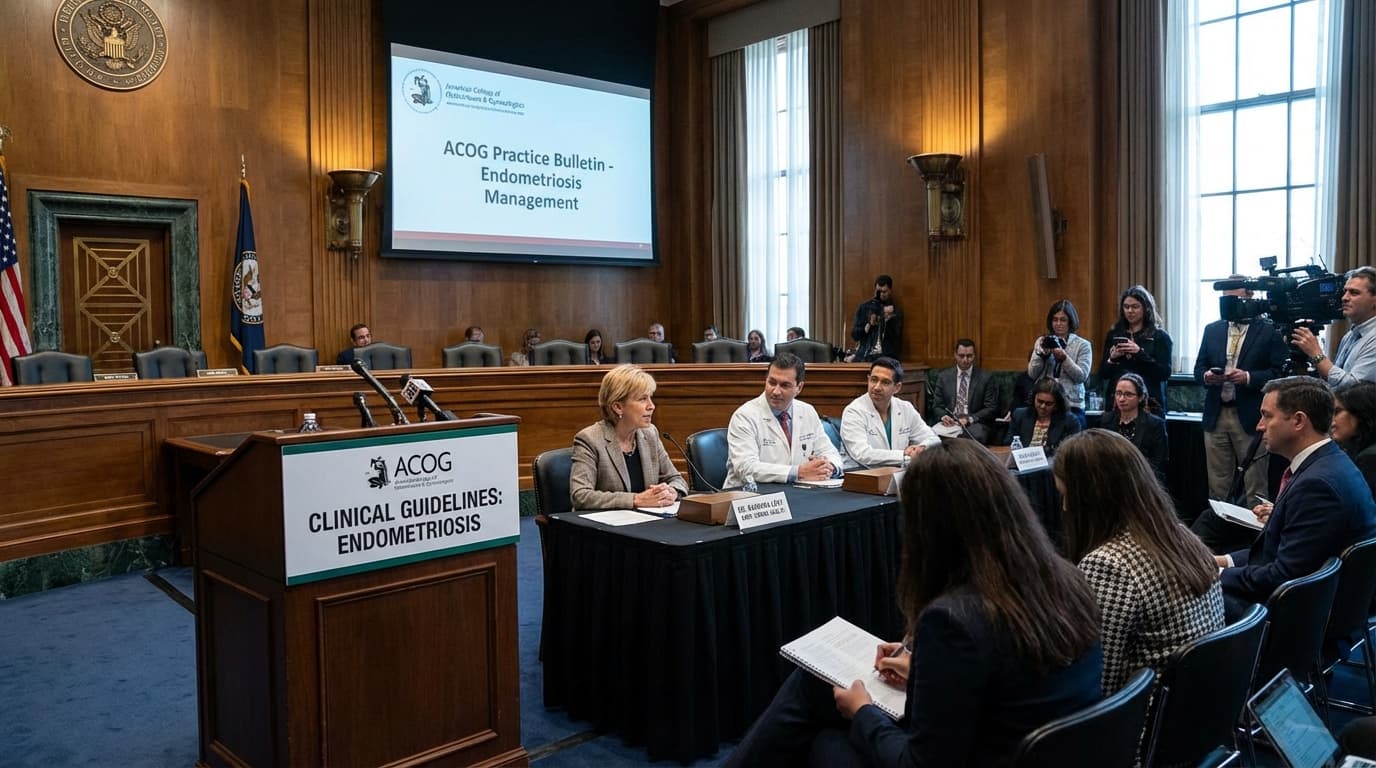
Endometriosis presents significant diagnostic and therapeutic challenges, and ACOG’s new guidelines aim to improve patient care by standardizing approaches and integrating latest research findings. Dr. Barbara Levy discusses key updates and implications for clinicians and patients.
The Catalyst Brief
 Apr 1, 2026
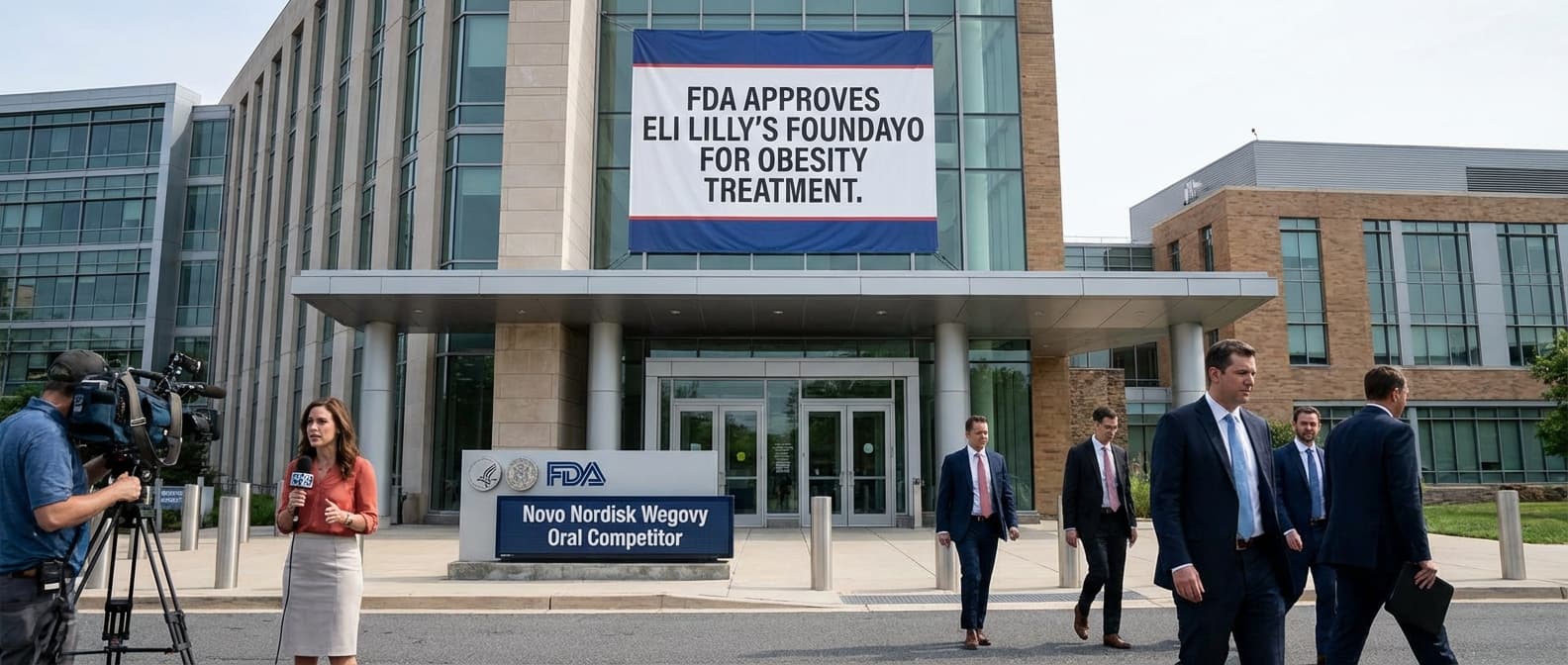
Eli Lilly’s recent FDA approval for its oral obesity drug, orforglipron, branded as Foundayo, introduces a potent new player in the obesity treatment market. This milestone triggers a strategic rivalry with Novo Nordisk, whose oral Wegovy has dominated the segment. This analysis explores the implications of this approval, expected market dynamics, and how this competition might shape the future of obesity therapeutics.
The Catalyst Brief
 Mar 31, 2026
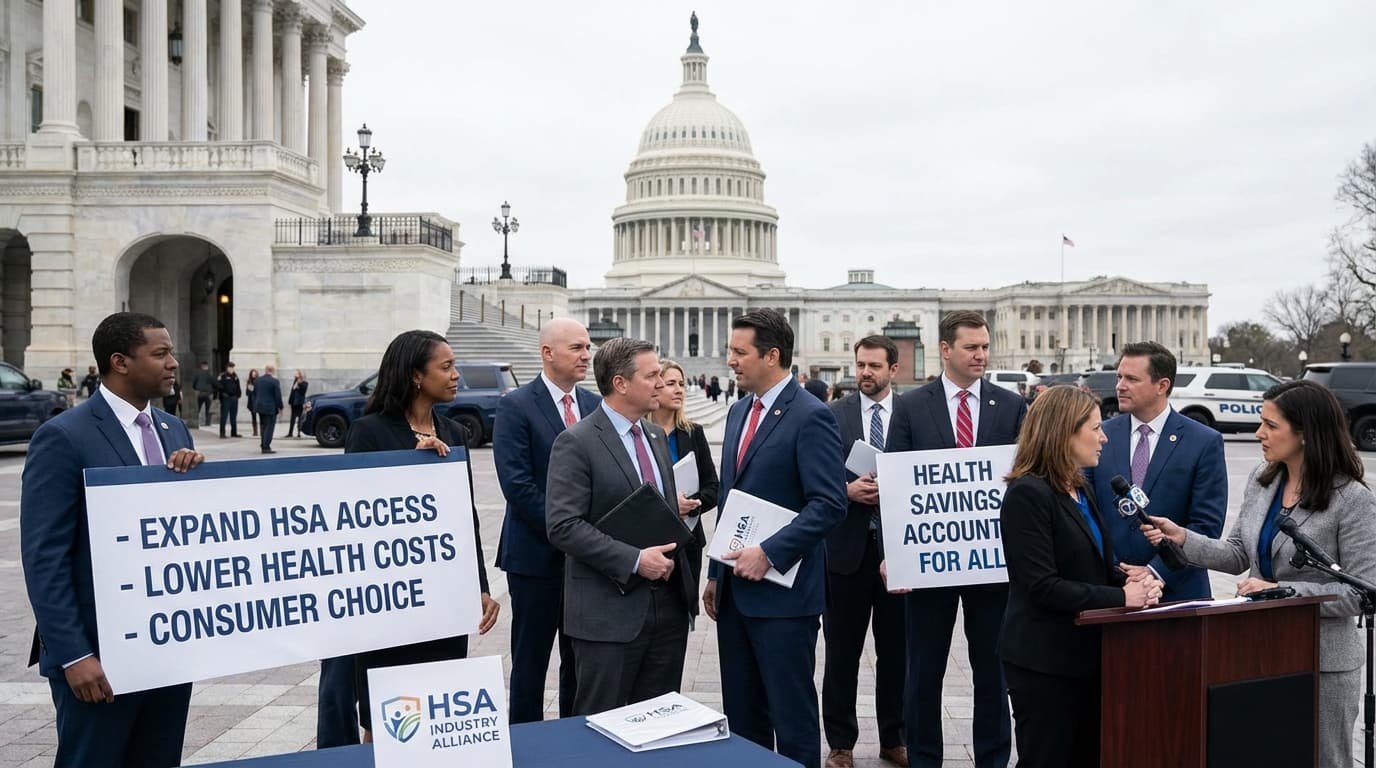
The health savings account industry has launched a vigorous lobbying campaign aimed at broadening access to HSAs. This push echoes the momentum gained from the Trump administration’s tax reforms and has sparked discussions on potential policy changes impacting consumer health financing options.
The Catalyst Brief
