 Mar 20, 2026
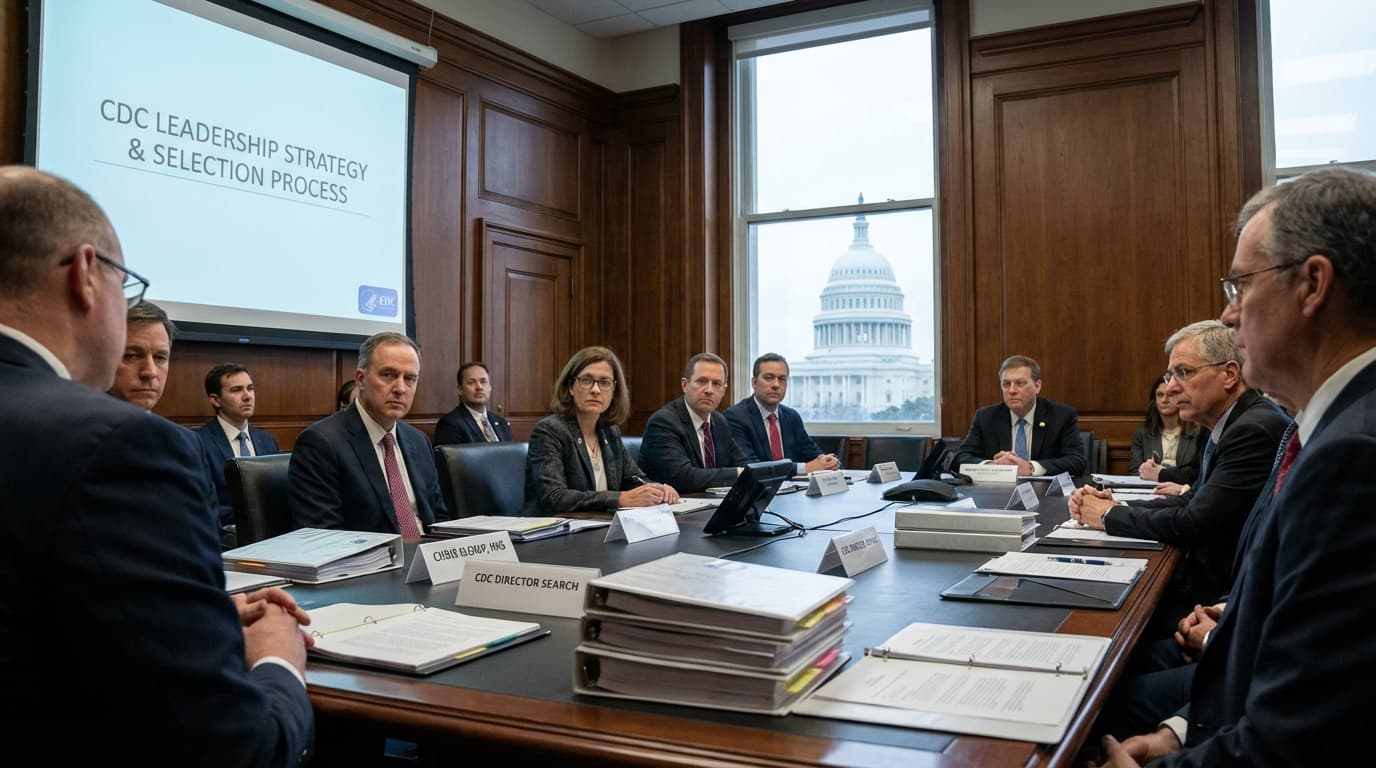
The search for a new director of the Centers for Disease Control and Prevention (CDC) is a multifaceted process marked by high expectations, political sensitivity, and urgent public health needs. At the helm of this search is Chris Klomp, a top Department of Health and Human Services official, who has shared insights into the deliberations and challenges faced amidst evolving health threats and governance demands.
The Catalyst Brief
 Mar 20, 2026
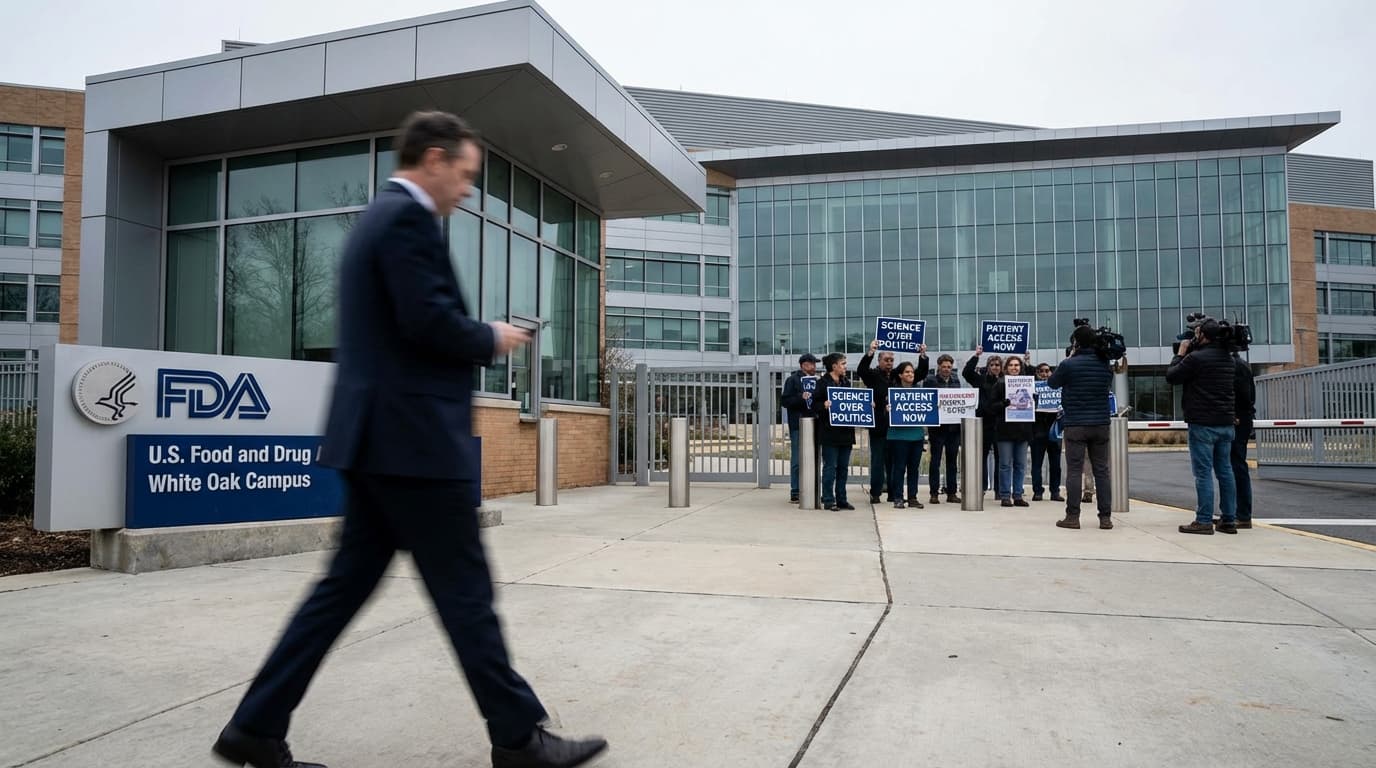
The FDA stands at a critical crossroads in managing the evolving landscape of individualized therapies for rare diseases. Robert Califf, a former commissioner, underscores how political influence under President Trump seriously compromised the agency's decision-making rigour. Such pressures risk delaying or derailing promising new treatments essential for patients with rare conditions.
The Catalyst Brief
 Mar 19, 2026
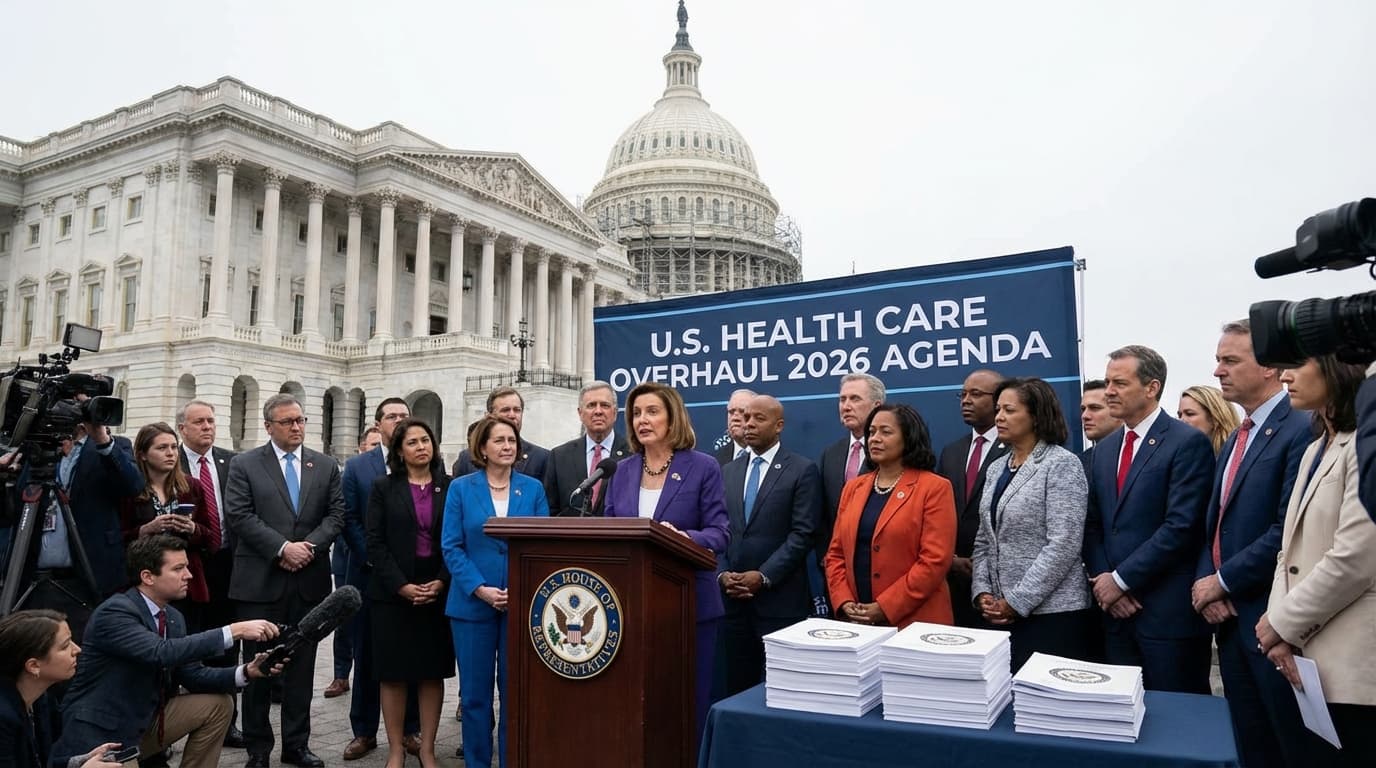
The evolving political landscape in Washington is prompting Democratic lawmakers to outline a refreshed vision for health care reform. Their agenda seeks to address systemic issues, expand coverage options, and improve affordability in the context of a changing electorate.
The Catalyst Brief
 Mar 19, 2026
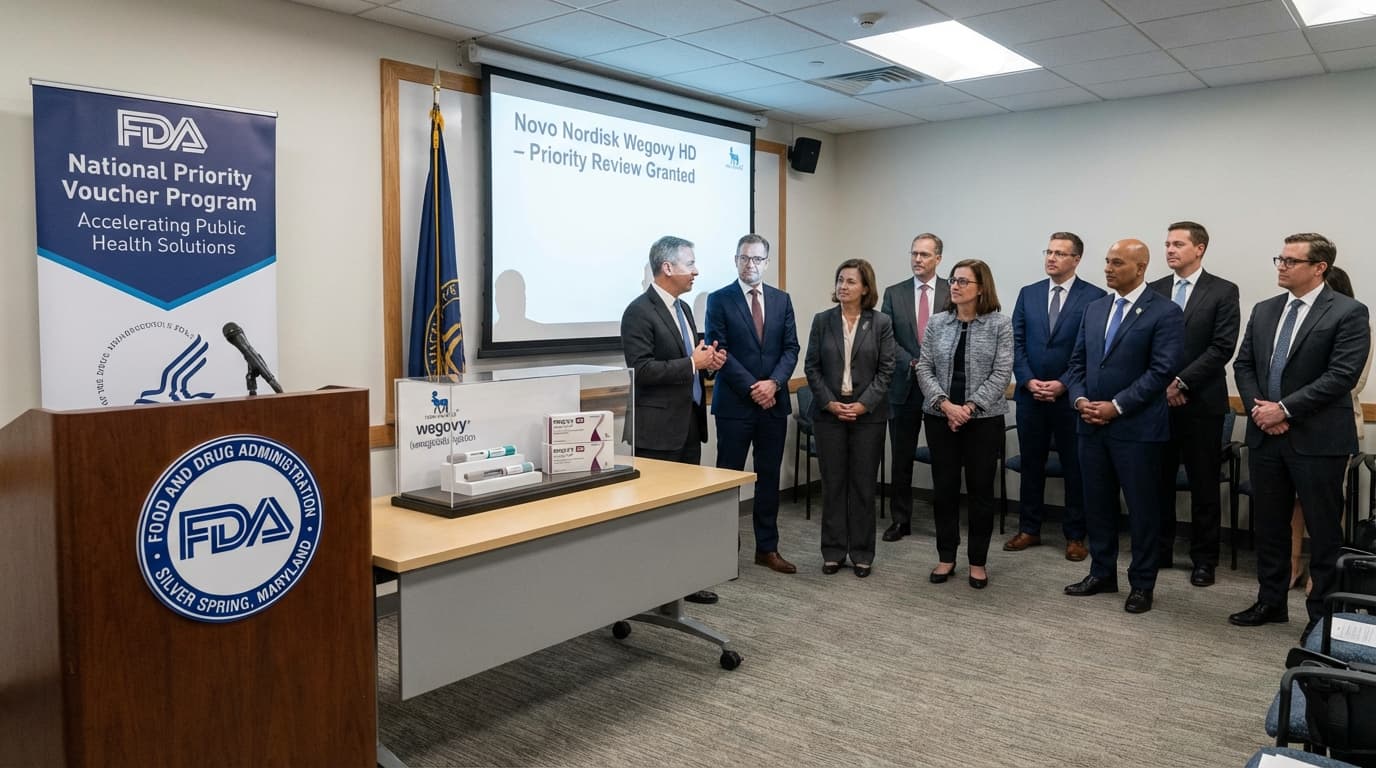
The approval of the high-dose formulation of Wegovy marks a significant milestone both for Novo Nordisk and the FDA’s accelerated review initiatives. This development places Novo alongside notable industry players benefiting from expedited pathway programs designed to quickly deliver critical therapies to patients.
The Catalyst Brief
 Mar 19, 2026
As 2026 progresses, the FDA faces both momentum and scrutiny amid dramatic policy shifts affecting biopharma companies. Key issues involve the administration of Regenerative Medicine Advanced Therapy (RMAT) awards and challenges surrounding priority review vouchers, which have historically incentivized innovation but are now being questioned.
The Catalyst Brief
 Mar 19, 2026
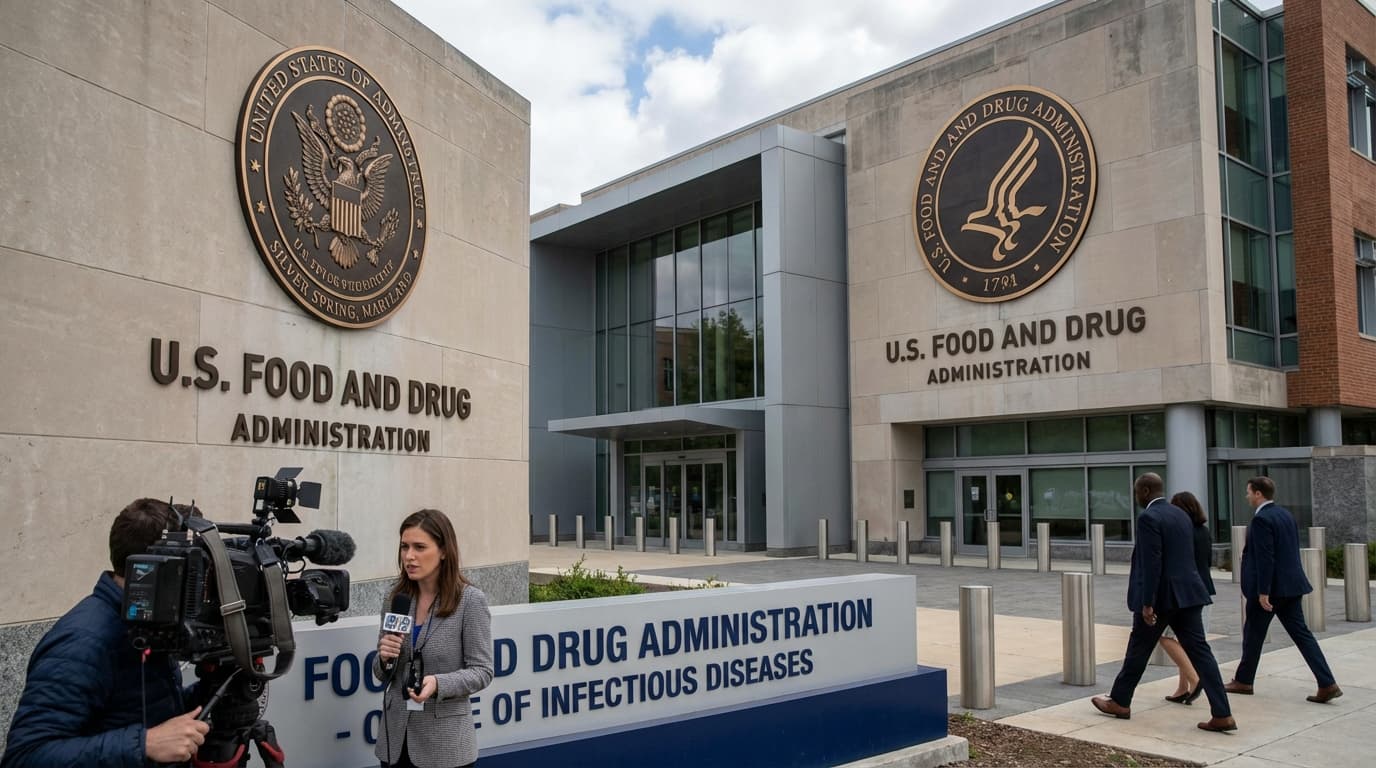
The FDA faces a critical transition as Adam Sherwat, a leading figure in infectious disease regulation, steps down. His tenure oversaw key drug evaluations during a complex era marked by global epidemics and advancing therapies.
The Catalyst Brief
 Mar 18, 2026
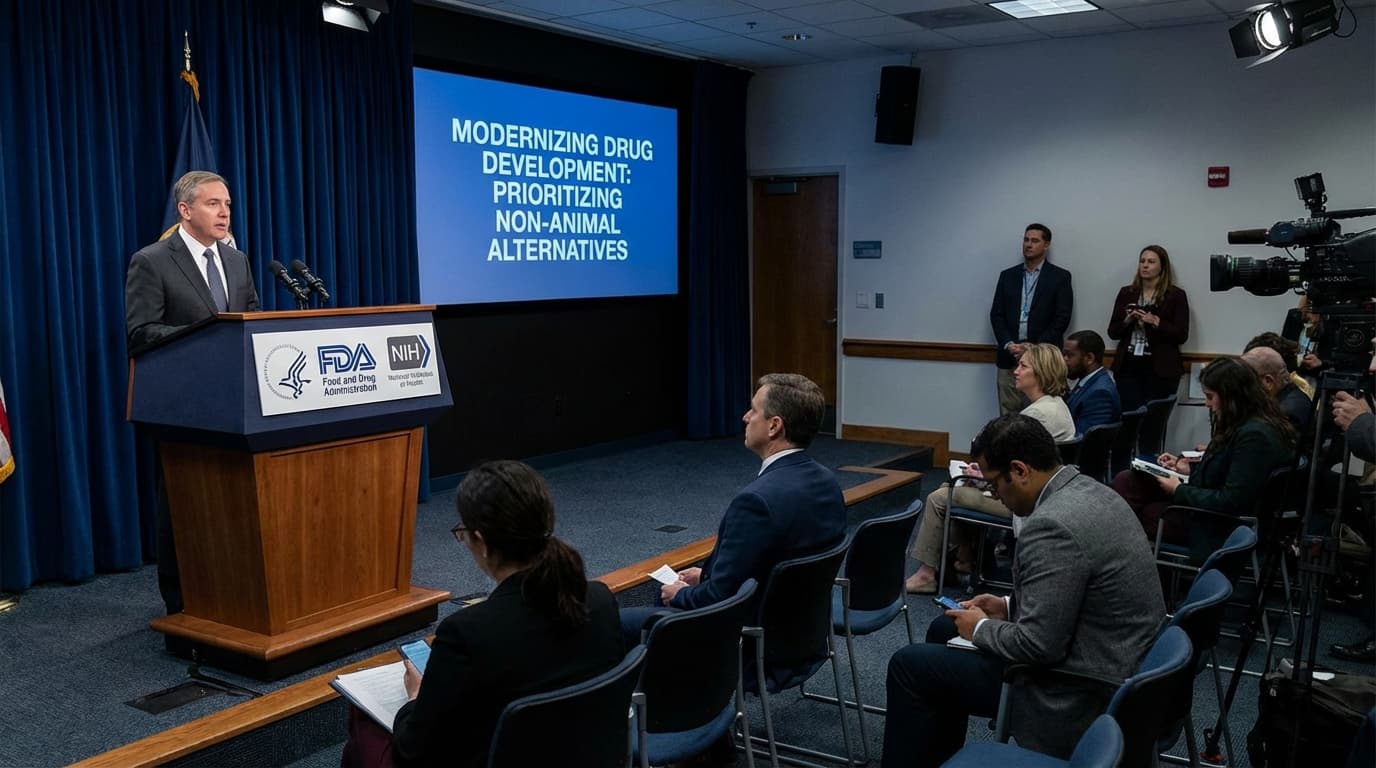
The U.S. Department of Health and Human Services (HHS) is placing increasing emphasis on reducing the reliance on animal testing within pharmaceutical research and development. The FDA and NIH are coordinating new strategies and funding mechanisms designed to promote innovative testing methods that could replace traditional animal-based experiments.
The Catalyst Brief
 Mar 17, 2026
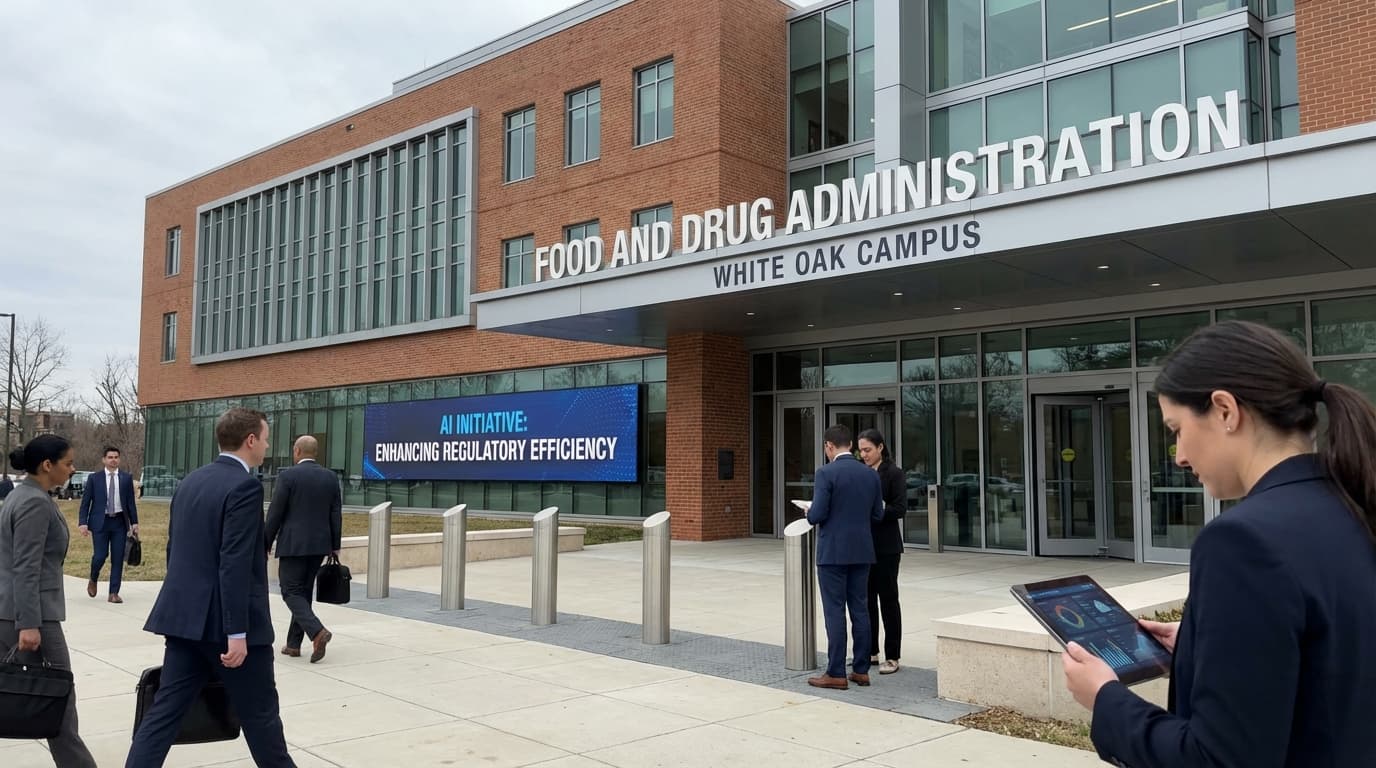
At SXSW, observers detailed the uneven return to stability within the Food and Drug Administration, highlighting which divisions are most secure. Additionally, the gradual integration of AI tools across the FDA's departments exemplifies a broader institutional shift towards technological adoption aimed at improving regulatory processes and decision-making speed.
The Catalyst Brief
 Mar 17, 2026
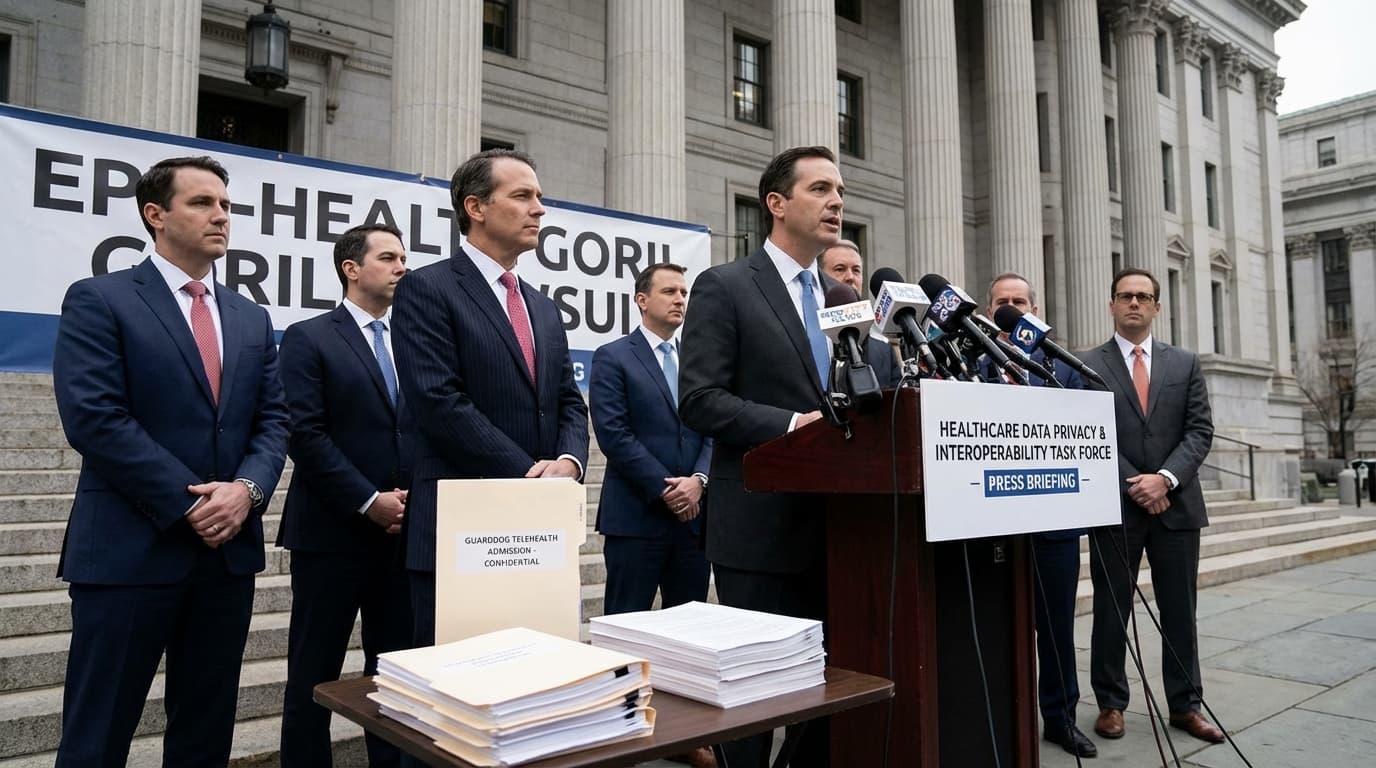
Recent developments in the Epic-Health Gorilla lawsuit reveal serious concerns about data privacy in healthcare interoperability networks. GuardDog Telehealth's admission marks a critical juncture, raising questions about the safeguards in place to protect patient information as providers and tech firms navigate complex data-sharing ecosystems.
The Catalyst Brief
 Mar 16, 2026
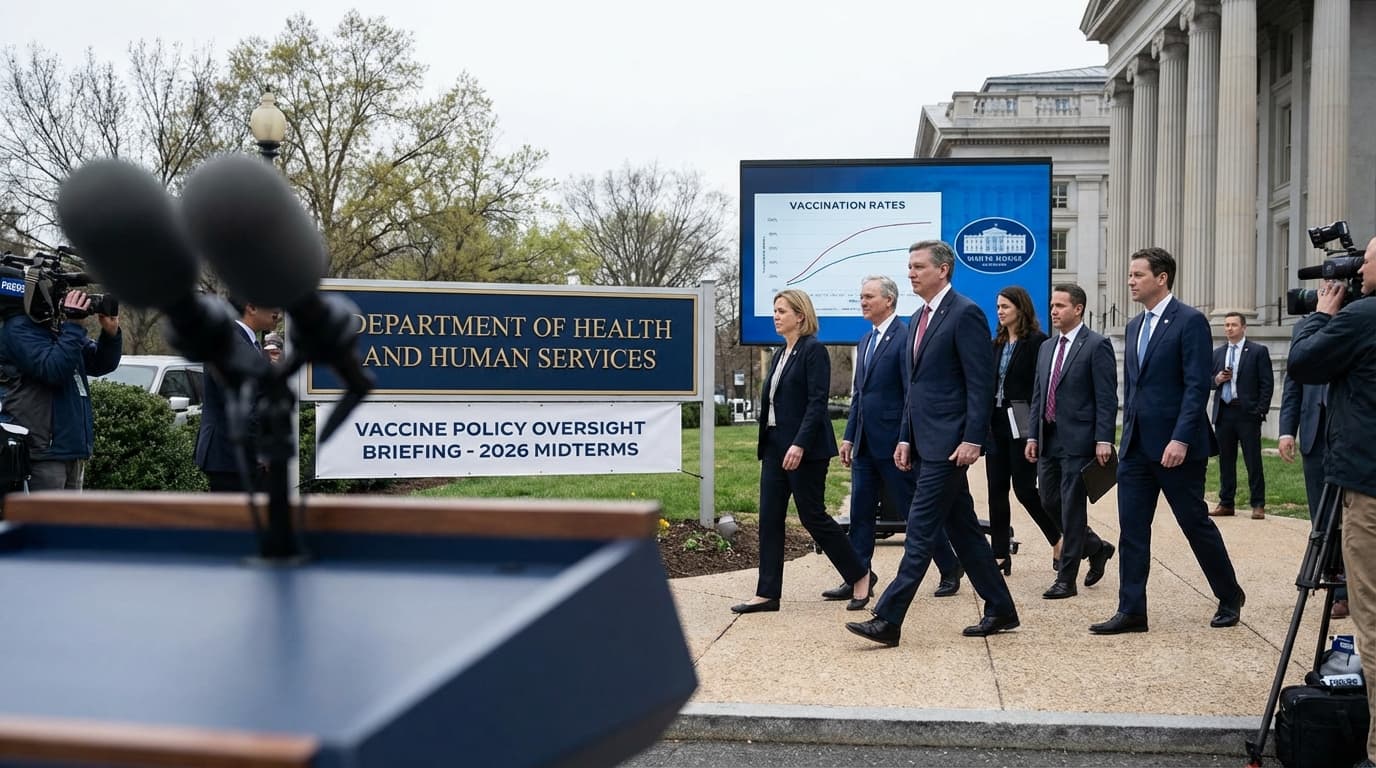
Robert F. Kennedy Jr., serving as Health Secretary, has generated significant controversy with his antivaccine stance and related policy decisions. As the political landscape heats up ahead of the midterms, the federal government seeks to counter and regulate these policies, raising questions about public health strategy and government cohesion.
The Catalyst Brief
 Mar 15, 2026
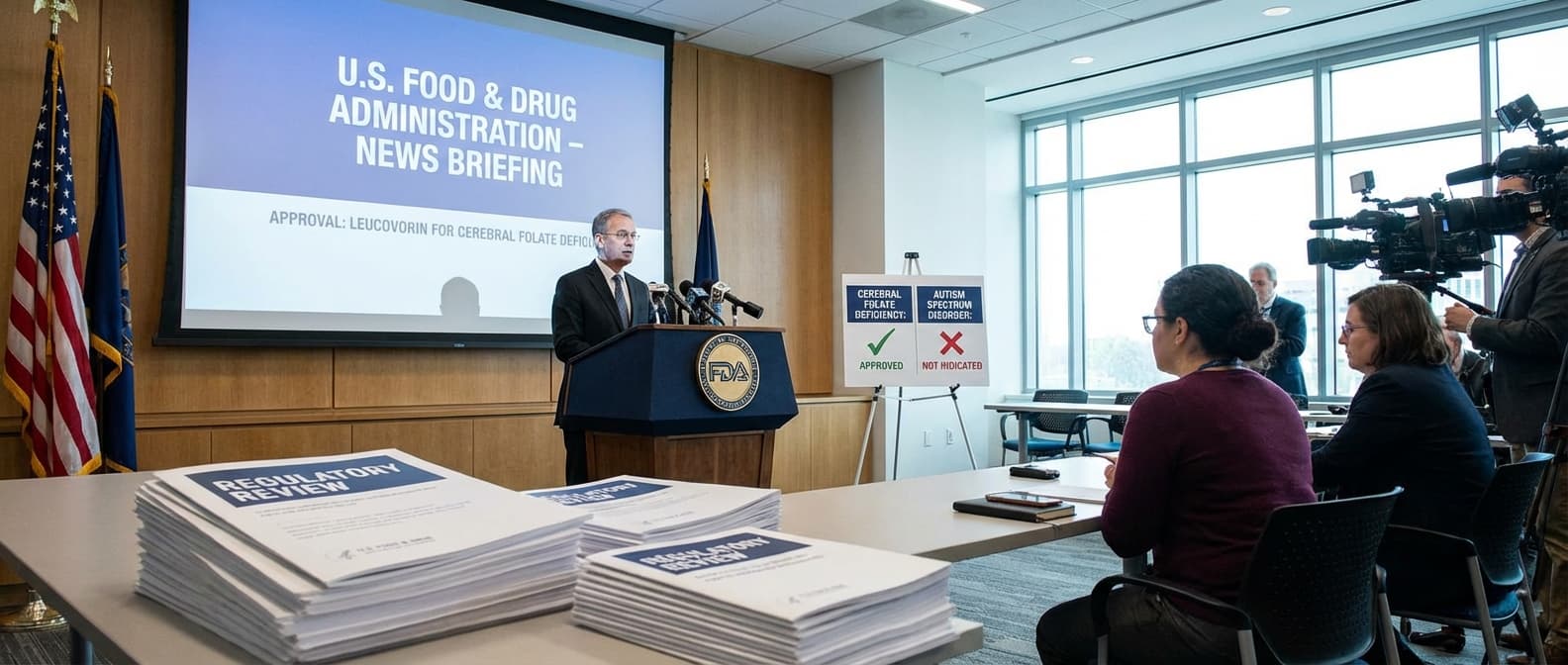
The U.S. Food and Drug Administration (FDA) has granted approval for leucovorin as a treatment for cerebral folate deficiency, marking a historic moment for this rare disease. This decision came months after comments by FDA Commissioner Marty Makary about the drug's promise for autism treatment, a claim that the current approval does not support.
The Catalyst Brief
 Mar 14, 2026
This recent cyberattack on Stryker, a major global medical device manufacturer, exposed vulnerabilities in healthcare cybersecurity. The attack caused widespread operational delays, affecting supply chains and posing risks to patient care delivery. Here are six essential points to understand the incident, its implications, and the broader lessons for healthcare organizations.
The Catalyst Brief
