 Sep 3, 2026
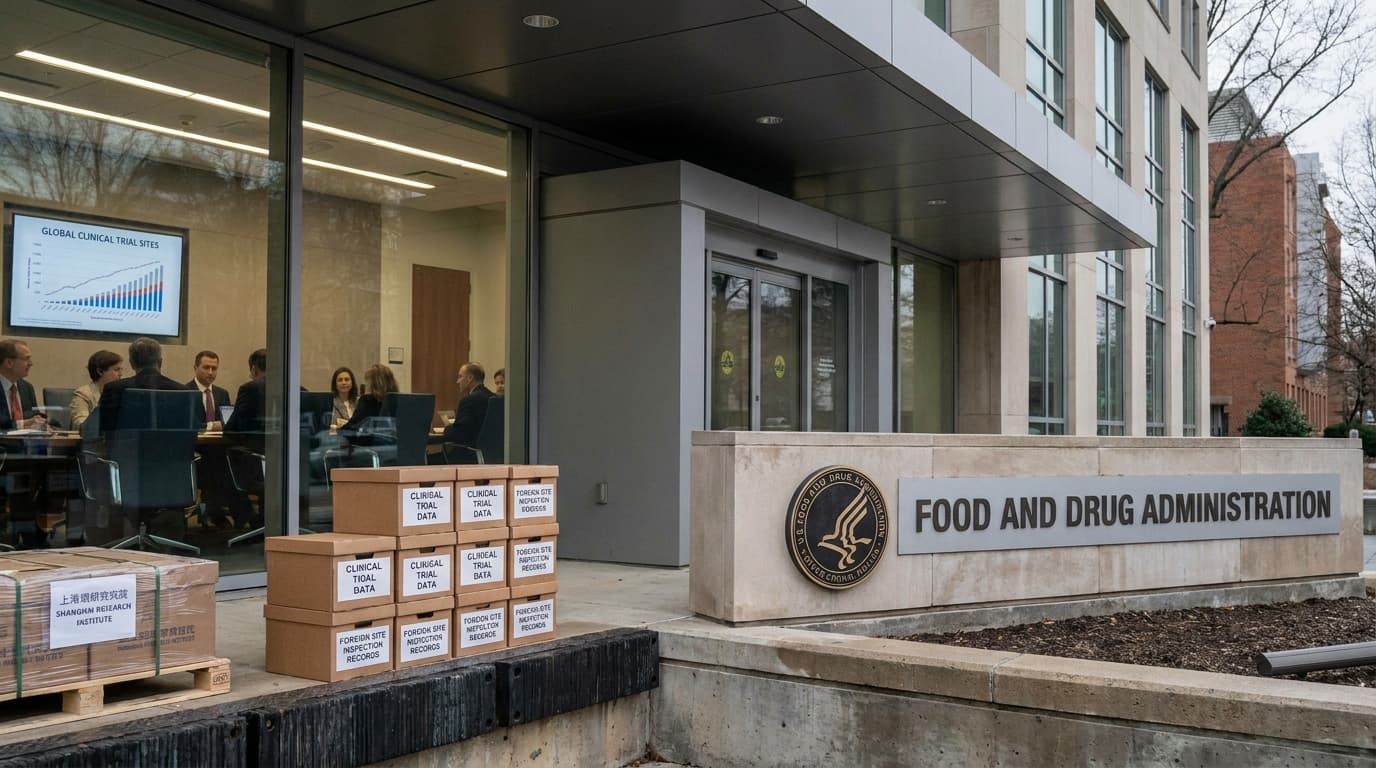
Four FDA officials used an FDA Voices editorial to signal stricter oversight of foreign trial sites, including more resources for inspections, added reviewer training and earlier discussions with sponsors about foreign data provenance. The policy message is broader than any one country, but it arrives amid rising concern about data integrity and human subject protections as trial activity in China has expanded.
The Catalyst Brief
 Sep 2, 2026
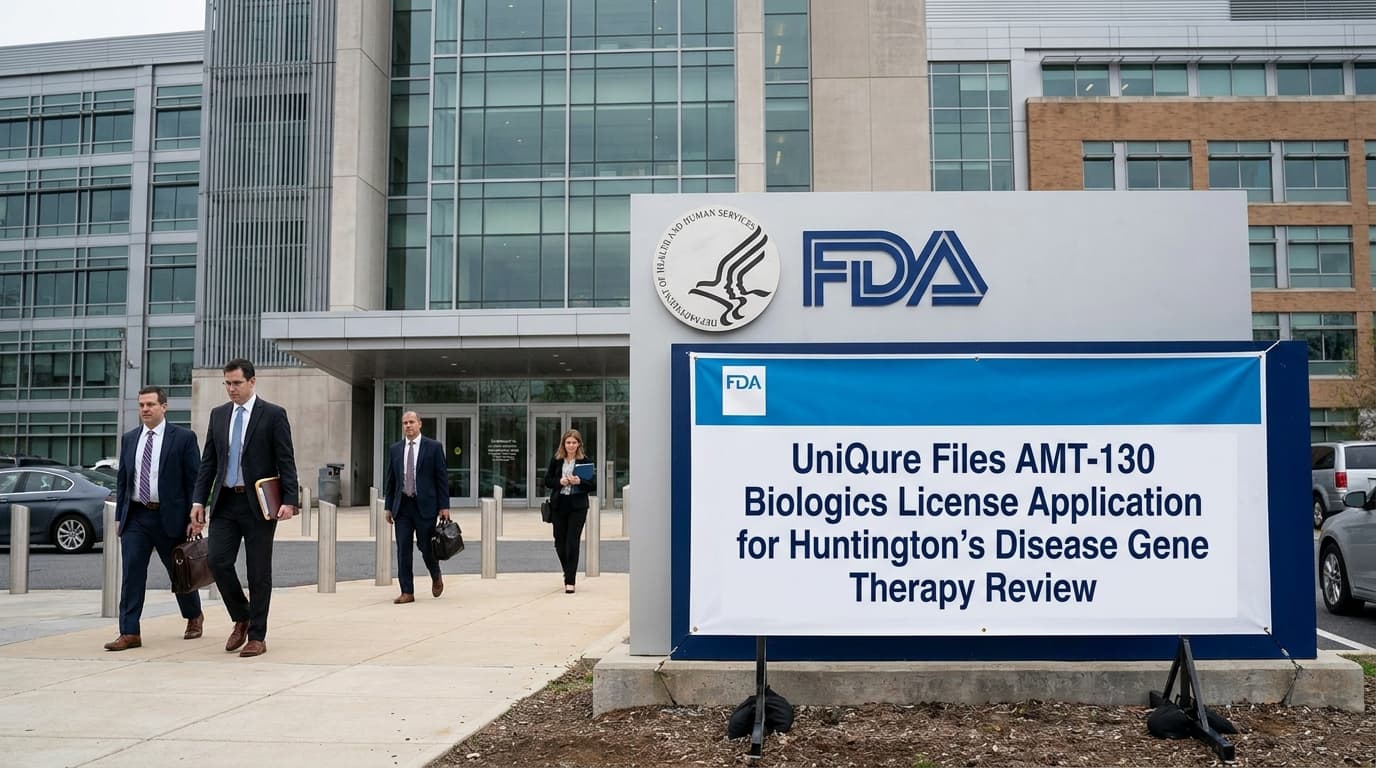
The applications put AMT-130 on track to become the first genetic treatment for Huntington’s disease if regulators agree that three-year Phase 1/2 data can support accelerated approval. The bigger signal is regulatory: the case tests how far the FDA will go in accepting external controls and small-population gene therapy data after a public dispute inside the agency earlier this year.
The Catalyst Brief
 Sep 2, 2026
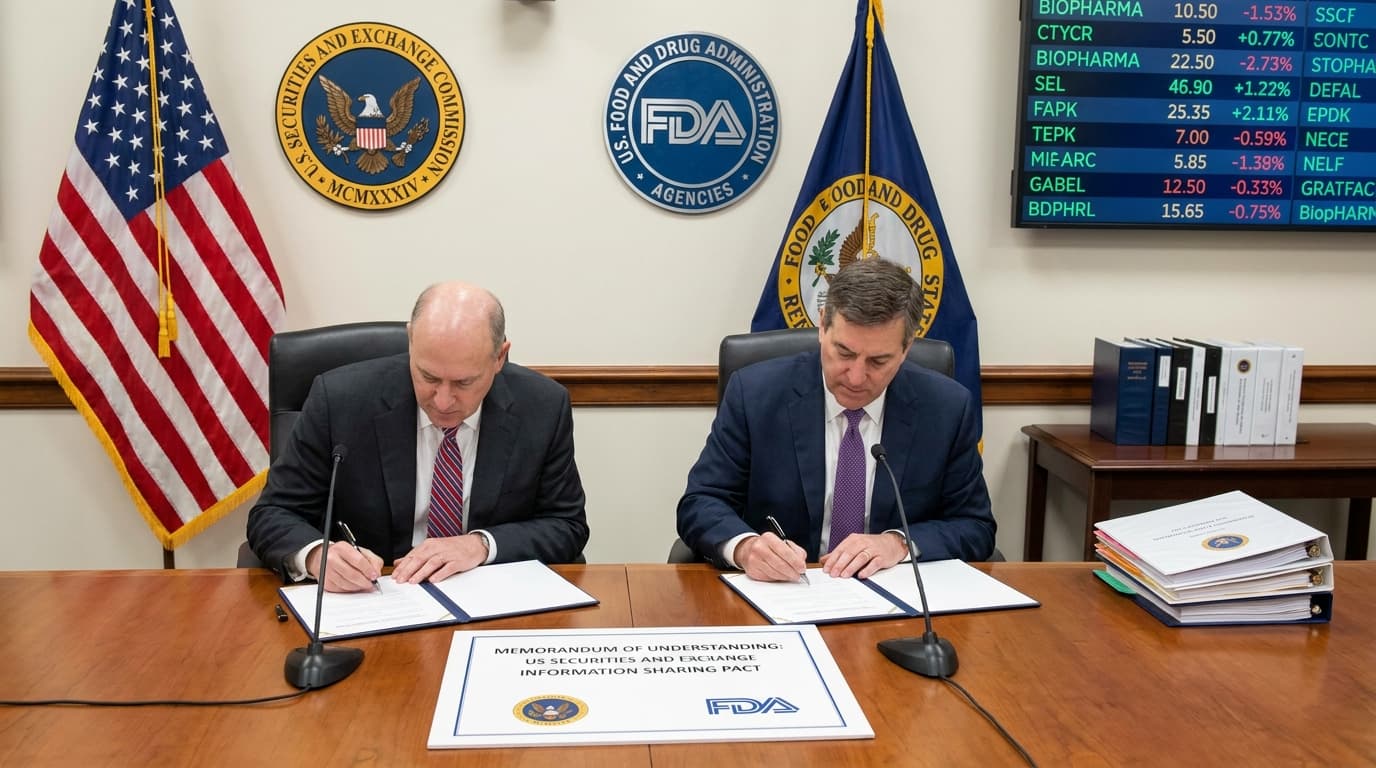
The pact does not create entirely new SEC powers, but it gives both agencies a more formal mechanism to exchange non-public information and route requests through designated points of contact. For biopharma companies, the practical implication is a tighter link between what is said to investors and what the FDA may know about clinical trials, approvals, and other regulated events.
The Catalyst Brief
 Sep 2, 2026
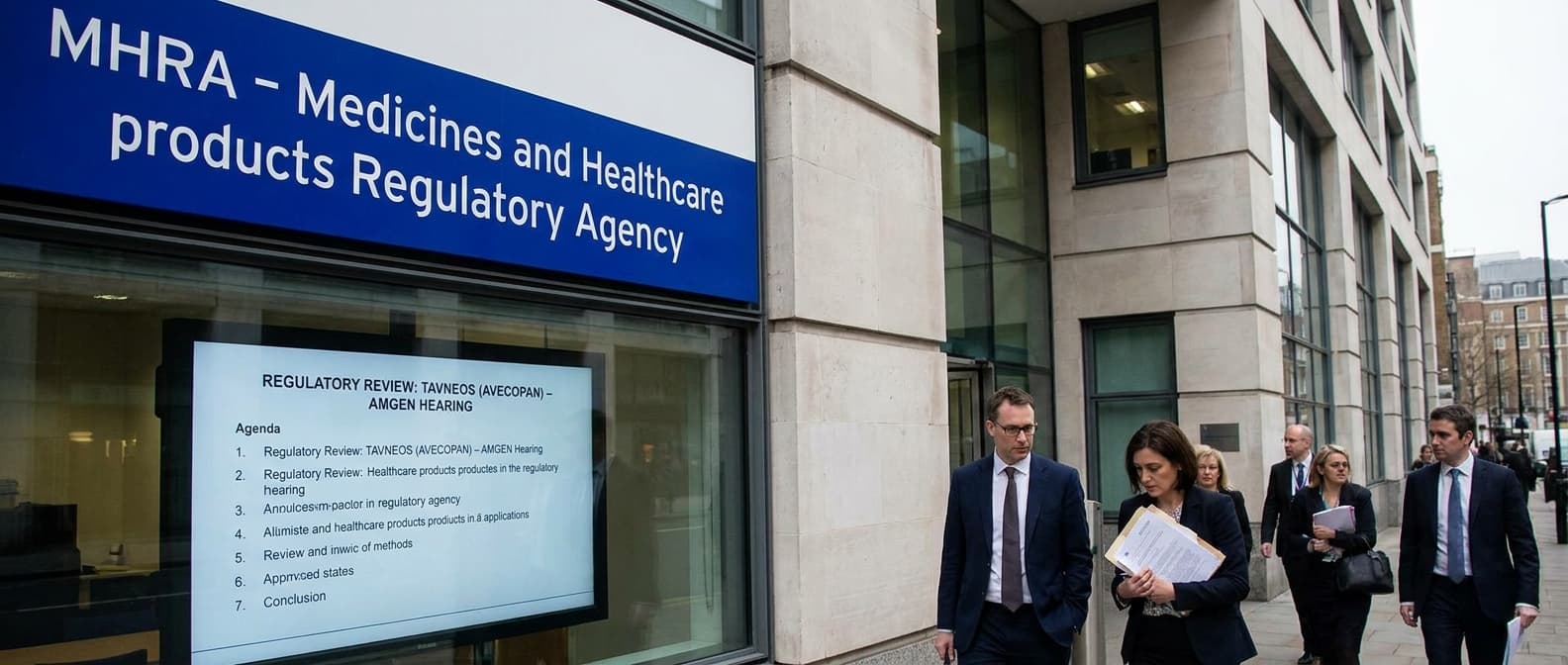
The Medicines and Healthcare products Regulatory Agency said its move followed a review of all available evidence and concerns about the integrity and reliability of data from the study supporting the medicine’s authorization. Amgen said it disagrees with the U.K. decision and is building its defense of Tavneos with an independent analysis and patient testimonials.
The Catalyst Brief
 Aug 29, 2026
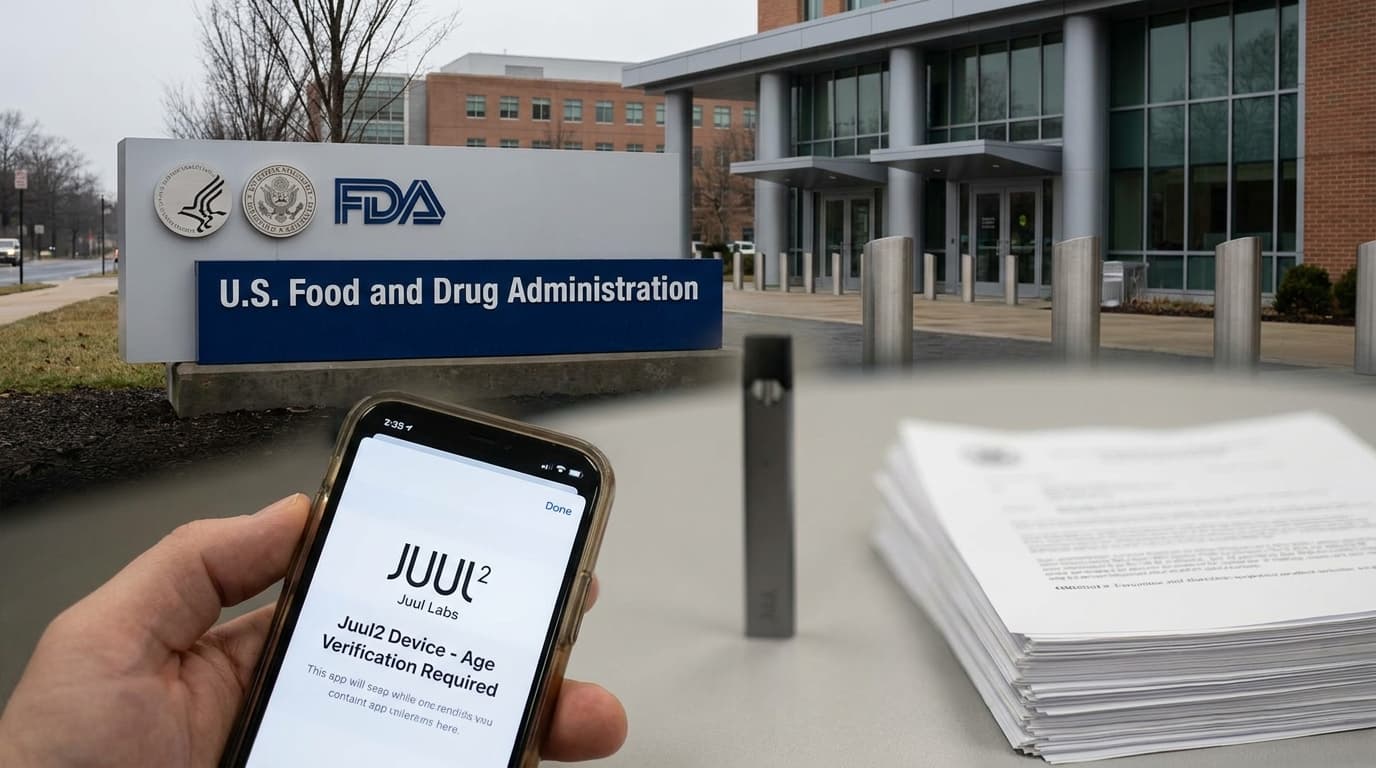
The FDA said the determination is not an approval or endorsement, and that people who do not smoke should not use Juul or other e-cigarettes. The policy signal is that the agency is still willing to authorize nicotine products when the record supports adult cigarette harm reduction, even as youth-use controls remain central to the commercial case.
The Catalyst Brief
 Aug 28, 2026
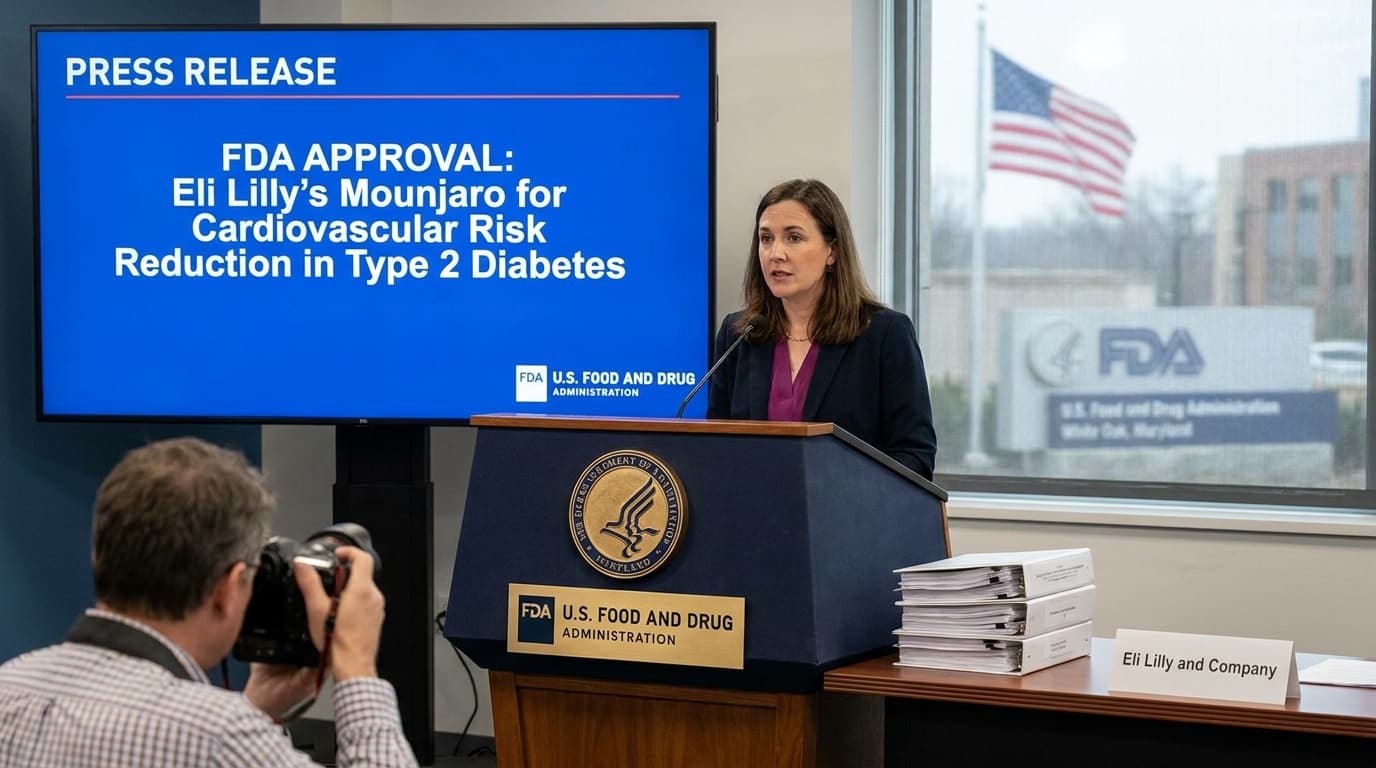
Lilly supported the filing with the SURPASS-CVOT trial, which enrolled 13,000 participants across 30 countries over more than four and a half years. Mounjaro showed non-inferiority to Trulicity, with an 8% lower rate of cardiovascular death, heart attack or stroke in the study.
The Catalyst Brief
Aug 28, 2026The documents, obtained by The Associated Press and The Guardian, include a letter in which Kennedy proposed studying Samoa's MMR vaccines after the deaths of two children who had received them. The Department of Health and Human Services said the Samoa visit was unrelated to vaccines and called claims that Kennedy lied to Congress false and defamatory.
The Catalyst Brief
 Aug 27, 2026
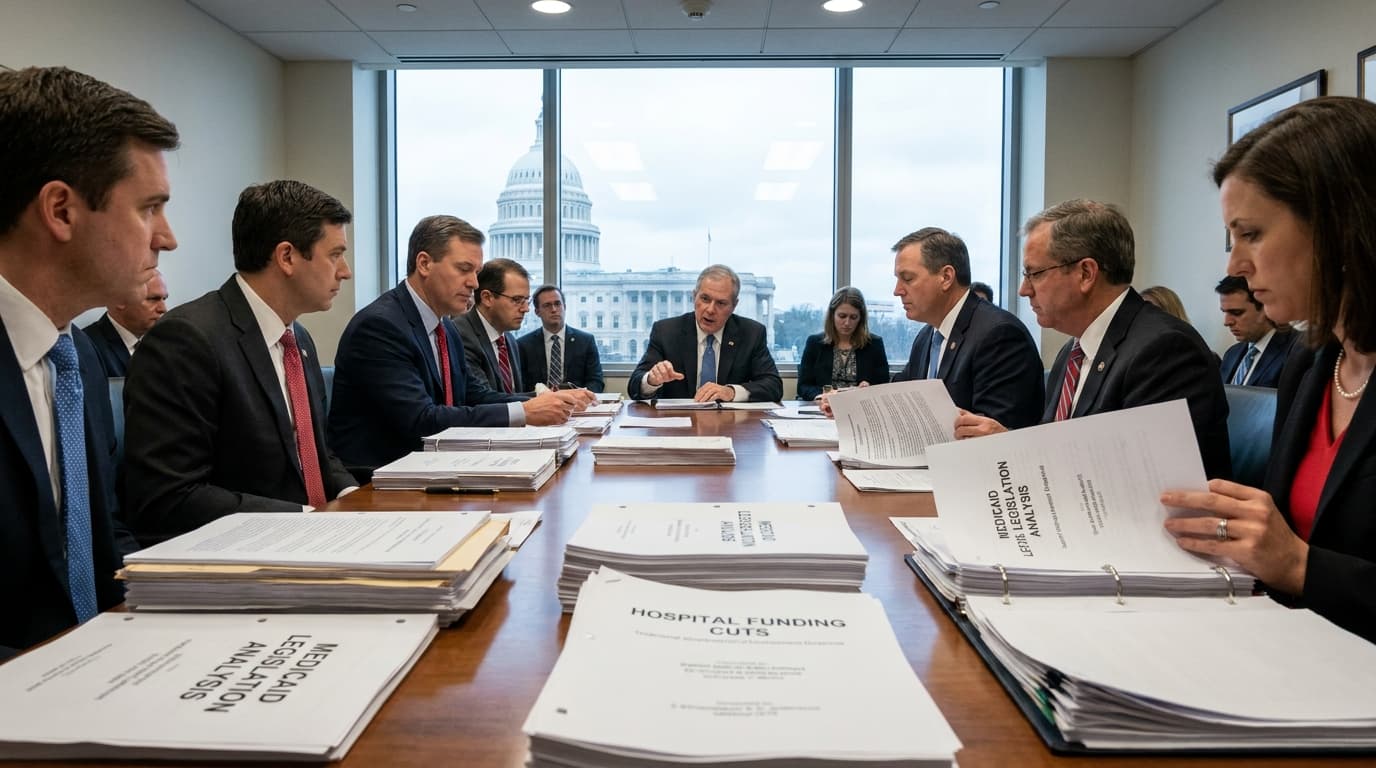
Hospital systems are remaking operations after the passage of a law that will cut nearly $1 trillion in Medicaid funding over the next decade, while lobbyists in Washington search for ways to mitigate the damage. The opening, according to people familiar with the effort, is less about a clean repeal now than about carving out narrower fixes, favorable rule changes and other federal payment support while the politics of the cuts harden.
The Catalyst Brief
 Aug 27, 2026
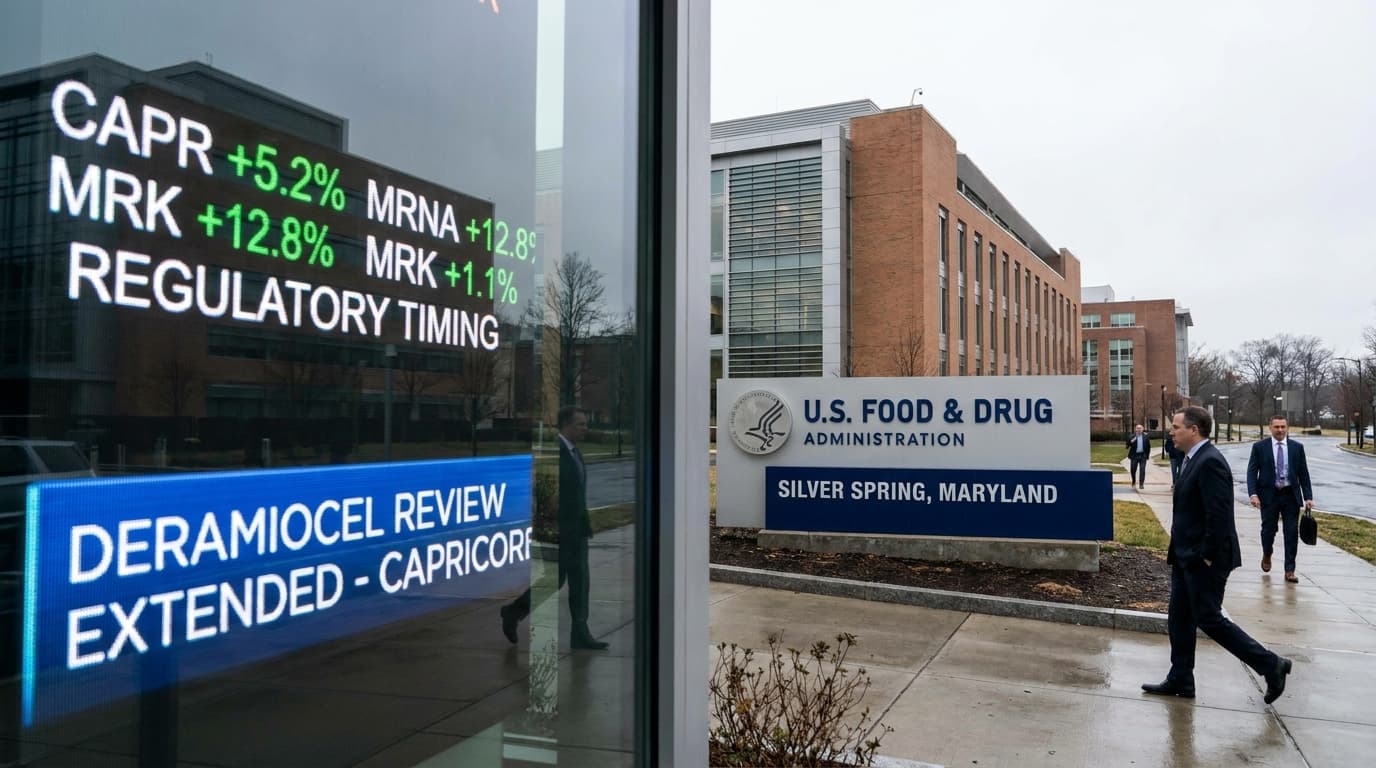
The article spans several companies, but the common thread is policy and review risk shaping biotech valuations and strategy. Capricor’s extension, Moderna’s stock move after cancer vaccine data, and the naming of a commissioner nominee each show how quickly sentiment can shift when the FDA timetable or leadership picture changes.
The Catalyst Brief
 Aug 27, 2026
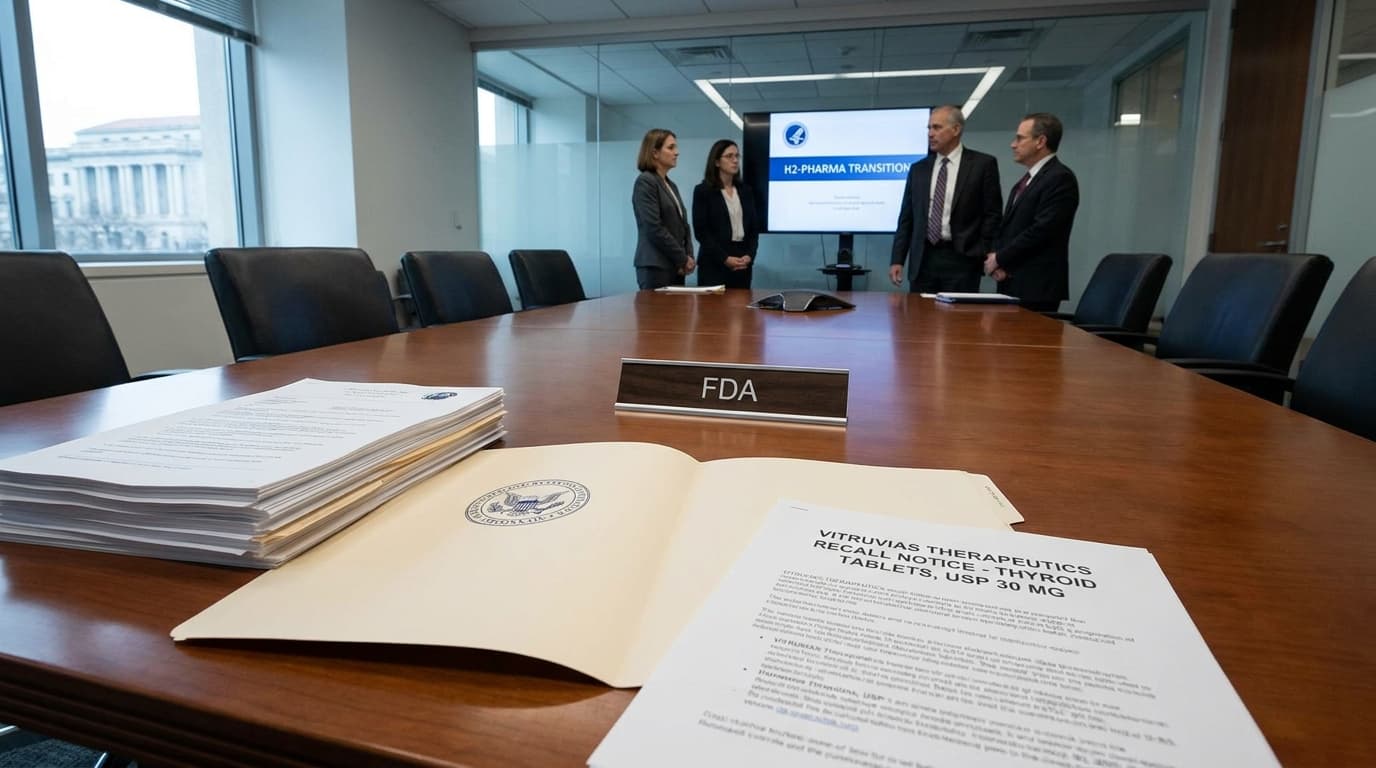
The recall affects tablets distributed across the U.S. last year and was made with the FDA’s knowledge. The event combines a product quality problem with the disappearance of the company behind it, creating immediate continuity questions for a niche generic medicine.
The Catalyst Brief
 Aug 26, 2026
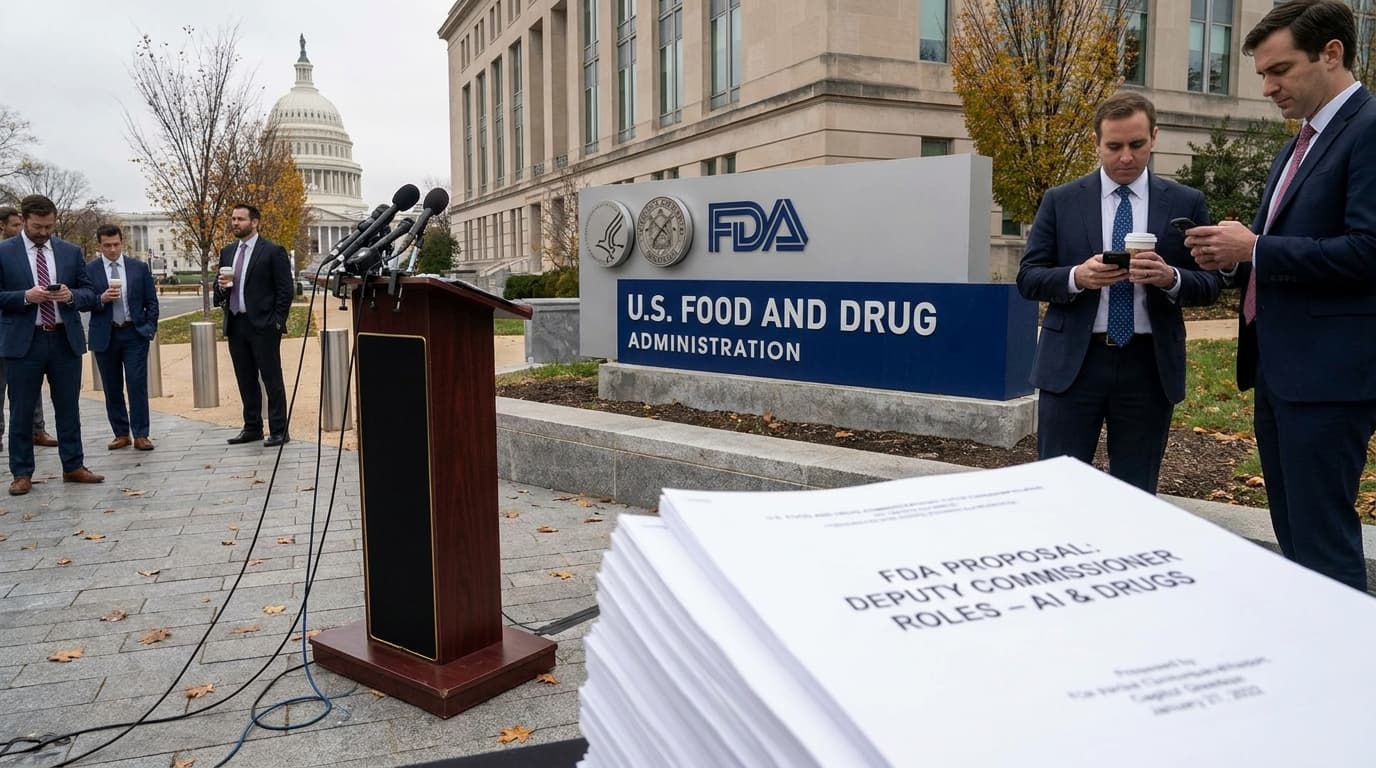
According to CNBC, the FDA is considering new deputy commissioner positions that would report to the commissioner. The potential change comes as President Donald Trump has nominated Heidi Overton for the top job and as industry watchers look for steadier leadership across the agency’s review functions.
The Catalyst Brief
 Aug 26, 2026
Turkey’s Competition Board said Teva may have used practices aimed at making it more difficult for competitors to enter the market. The regulator did not name a specific drug, while a Teva spokesperson linked the matter to the earlier European Commission probe that resulted in a $503 million fine now under appeal.
The Catalyst Brief
