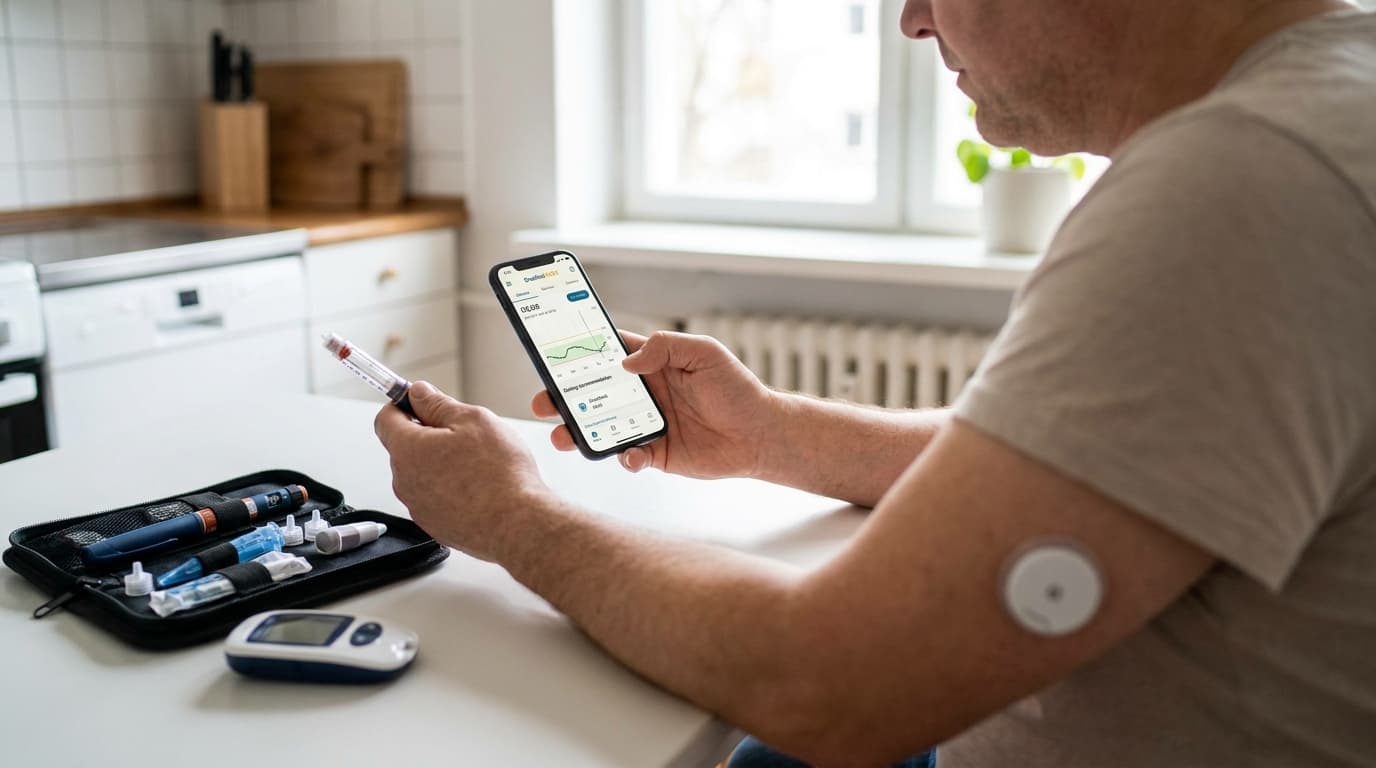
DreaMed Diabetes said it has received FDA 510(k) clearance for MODI, a tool that uses continuous glucose monitoring data to provide insulin dosing recommendations for people with Type 2 diabetes who need both basal insulin and fast-acting injections. The Petah Tikva, Israel-based company said MODI is the first FDA-cleared app that can automatically optimize insulin dosing for patients using both basal-only and multiple daily injection regimens.
That matters because current CGM tools typically work only for basal-dosing regimens, while many patients also need fast-acting insulin, particularly around mealtimes. DreaMed is aiming at a part of diabetes management that is harder for clinicians and patients to adjust manually, and where changes in therapy can lag well beyond when needs shift.
How MODI fits into care
MODI must first be prescribed by a physician. After that, the app analyzes a patient’s CGM patterns and monitors insulin use to deliver personalized dose recommendations. According to the company, the changes can be made without a healthcare provider reviewing and approving each individual adjustment.
The operational pitch is frequency. Type 2 diabetes is typically managed episodically during primary care visits, which can lead to delays of up to a year before an insulin regimen is adjusted. One study cited in the report estimated the cost of such delays at $7.3 billion. DreaMed co-founder and CEO Eran Atlas said the goal is to provide more frequent clinical titration so patients receive the right therapy on time.
Why the clearance matters commercially
The size of the eligible population is the clearest signal in this clearance. More than 8 million people in the U.S. use insulin injections daily, according to the report, and DreaMed positions MODI as opening treatment possibilities for a large segment of that population.
For medtech buyers, the question is less whether insulin titration needs support than whether software can safely extend clinician reach between office visits. DreaMed’s answer is to automate within predefined limits rather than remove clinical oversight entirely. Atlas said the company’s clinical team defined boundaries for how the algorithm could operate to preserve what he described as the right balance of safety, autonomy and efficacy.
That framing is important in insulin management because both over- and under-dosing can quickly become dangerous. The report notes that too much or too little insulin can trigger emergencies ranging from weakness and nausea to confusion, coma and, in extreme cases, death.
DreaMed said its customers include healthcare providers, clinics, hospitals and medical device companies. Pricing and reimbursement remain open questions: Atlas said the company is not yet commenting on pricing because the process is still early. Until those issues are settled, the clearance is best read as a capability expansion with commercial upside, rather than proof of broad adoption.