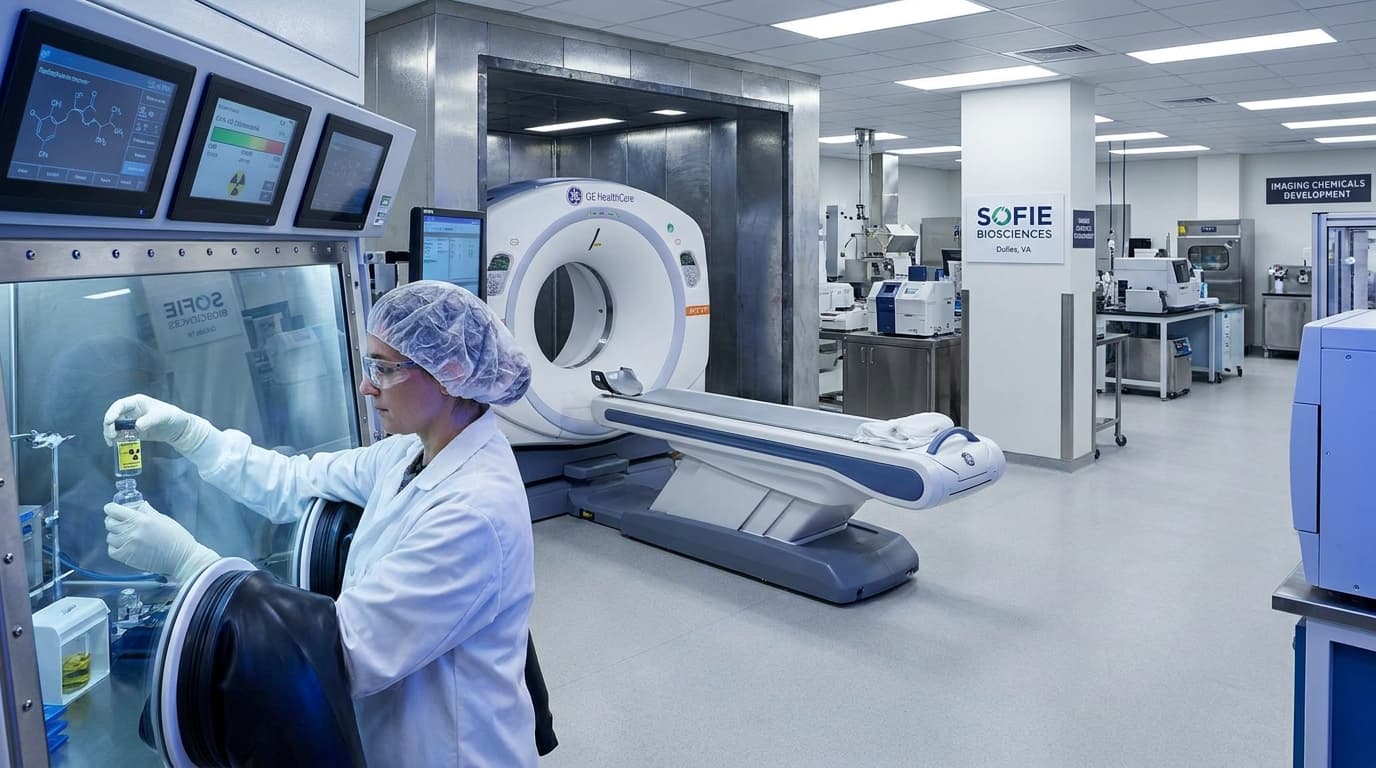

GE HealthCare is reportedly nearing a deal to buy radiopharmaceutical developer Sofie Biosciences for as much as $1 billion, according to a Financial Times report cited by Fierce Biotech. The report, which cited people familiar with the matter, said an announcement could come as soon as this coming week.
Neither company had commented on the report at the time of publication. Sofie Biosciences is described as a 20-year-old Dulles, Virginia-based medtech that develops specialized chemicals used in scanning machines that look for cancers.
Why The Deal Fits
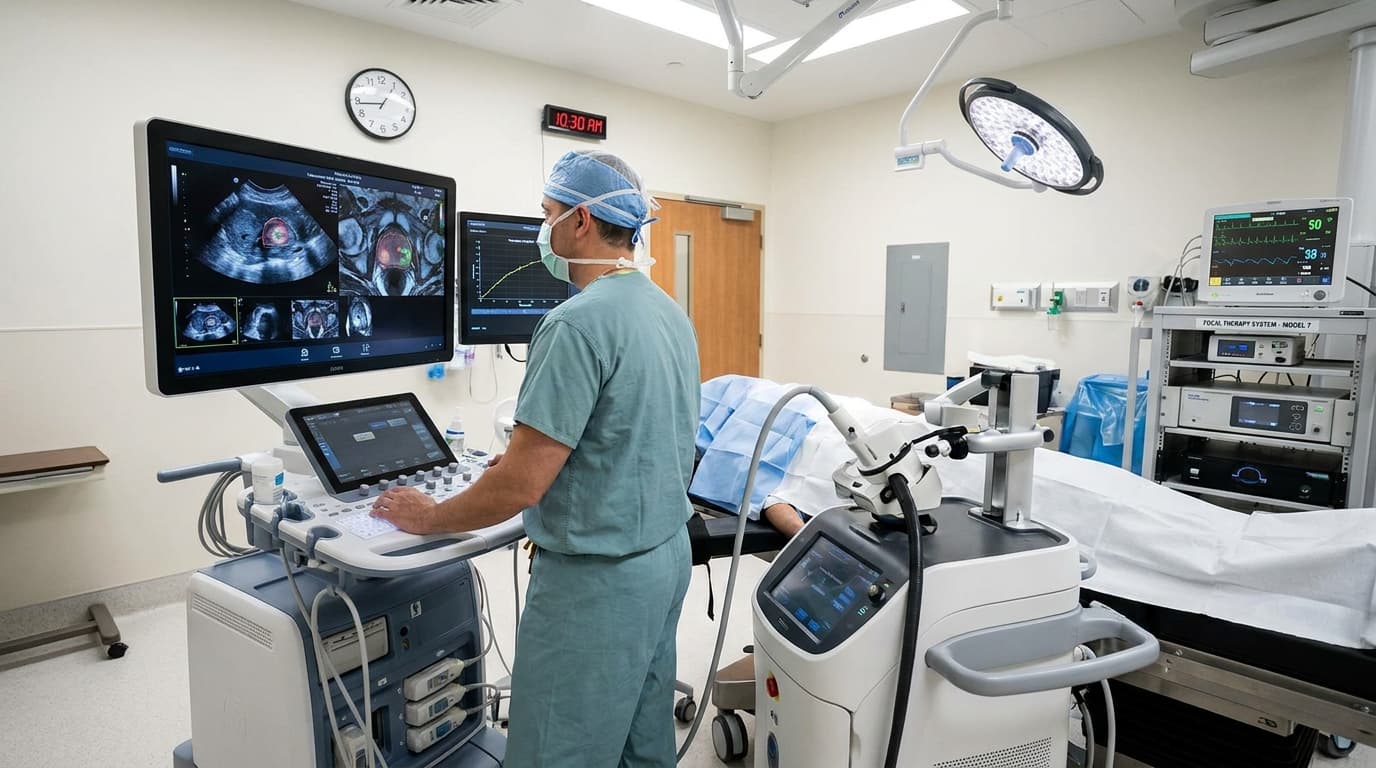
If the acquisition proceeds, it would bolster GE’s pharma diagnostics business. GE HealthCare is already a major manufacturer of medical imaging equipment, including MRI, CT and PET scanners, so adding a radiopharmaceutical developer would extend its position further into the consumables that support those systems.
That matters because GE has been reorganizing its imaging operations. In April, the company said it was cutting its profit outlook while making structural changes to its business and executive teams. Those changes included creating a new Advanced Imaging Solutions segment by combining its former imaging and ultrasound units under Phil Rackliffe.
GE said at the time that combining its two formerly largest segments would create a more focused and connected end-to-end imaging ecosystem. A Sofie transaction would be consistent with that stated direction by linking equipment more tightly with the chemicals used alongside advanced imaging workflows.
The Broader Reset
The reported bid also arrives during a period of wider portfolio review at GE HealthCare. In July, the company said it was conducting a comprehensive strategic review of its Patient Care Solutions business amid ongoing operational fulfillment issues and supply chain constraints.
Taken together, the reported Sofie talks suggest GE is not only restructuring internally but also looking externally for assets that strengthen business lines tied more directly to imaging demand. For medtech companies, that is a commercial signal: scale in imaging may increasingly depend on controlling more of the workflow around the scanner, not just the scanner itself.