 Jun 8, 2026
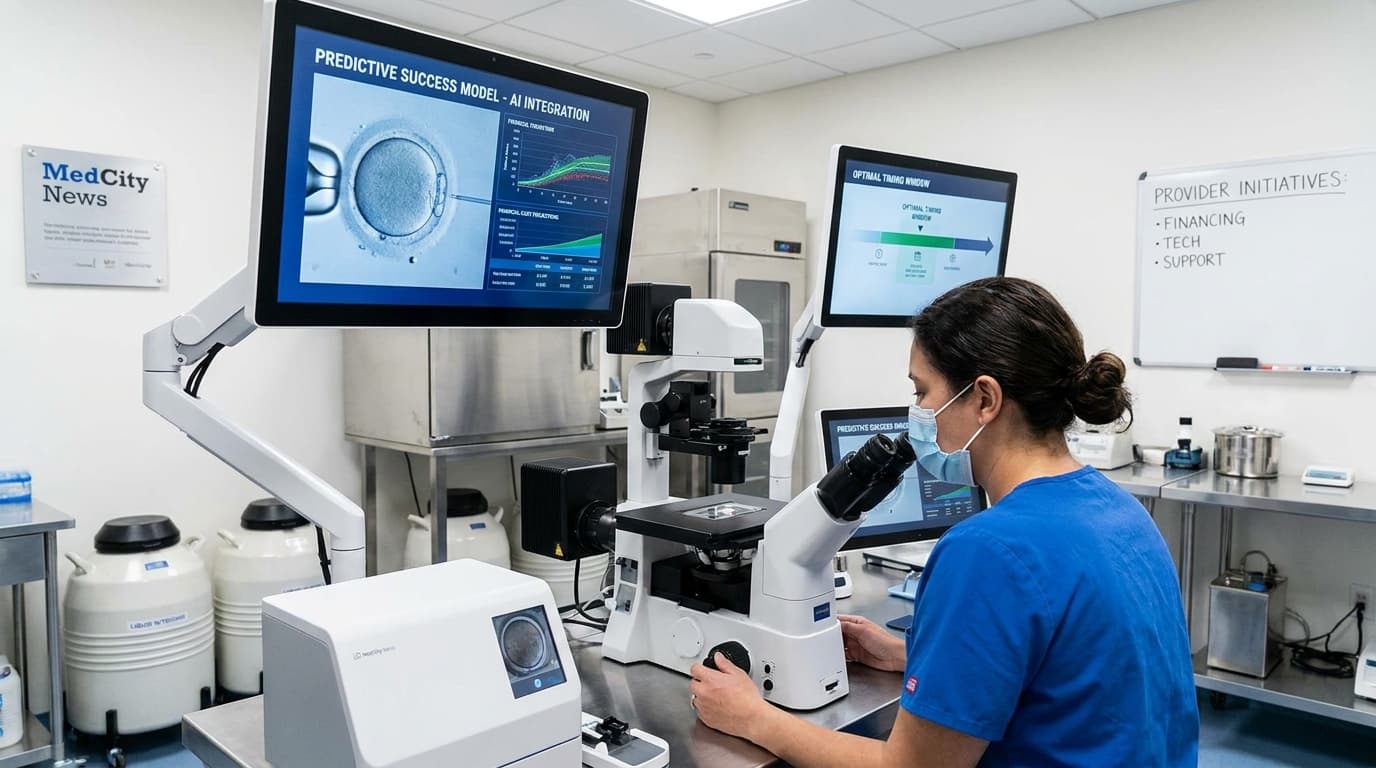
Egg freezing has become more visible as a reproductive option over the past decade, yet it continues to be shaped by substantial obstacles. This analysis explores the lingering challenges associated with egg freezing—high expenses, variable success rates, and the crucial role of timing—while also highlighting how healthcare providers are striving to lower these barriers, enhance patient outcomes, and expand access to fertility preservation.
The Catalyst Brief
 Jun 7, 2026
Maternal health outcomes are under the microscope as health systems seek to improve safety. Technology offers promise, but its value hinges on early risk identification, fostering effective communication among caregivers, and catalyzing timely intervention, according to experts cited by MedCity News.
The Catalyst Brief
 Jun 7, 2026
As healthcare organizations adapt to new threats, the motivations of adversaries change. No longer are healthcare systems simply targeted for ransom; they are increasingly at risk from actors seeking chaos, disruption, and systemic harm, often motivated by geopolitical tensions. This shift underscores the pressing need for preparedness and resilience in hospital and public health IT systems.
The Catalyst Brief
 May 29, 2026
The collaboration between industry leaders Walmart and Teladoc Health represents a significant step forward in expanding virtual healthcare access across the United States. This partnership leverages Walmart's extensive retail footprint and Teladoc’s virtual care expertise to meet growing patient demands for convenient and accessible healthcare solutions.
The Catalyst Brief
 May 28, 2026
Bayesian Health has become a pioneer in the application of continuous AI-powered systems for sepsis monitoring. Following rigorous clinical validation and real-world deployment, the company’s system addresses the challenges of alarm overload while enhancing early detection and intervention in sepsis care.
The Catalyst Brief
 May 24, 2026
Artificial intelligence has emerged as a revolutionary tool in healthcare, positioned to serve as the new entry point for patient engagement. Yet, for this potential to be realized broadly, accessibility must be prioritized during AI system design and deployment. This analysis delves into the current obstacles blocking equitable access and discusses the implications for healthcare providers and patients alike.
The Catalyst Brief
 May 19, 2026
Emergency situations demand rapid and precise interventions, and cardiac arrest cases are no exception. The newly developed ChatCPR leverages artificial intelligence to coach bystanders through CPR more effectively than human 911 dispatchers. This advancement could save lives by increasing the quality and speed of emergency response.
The Catalyst Brief
 May 11, 2026
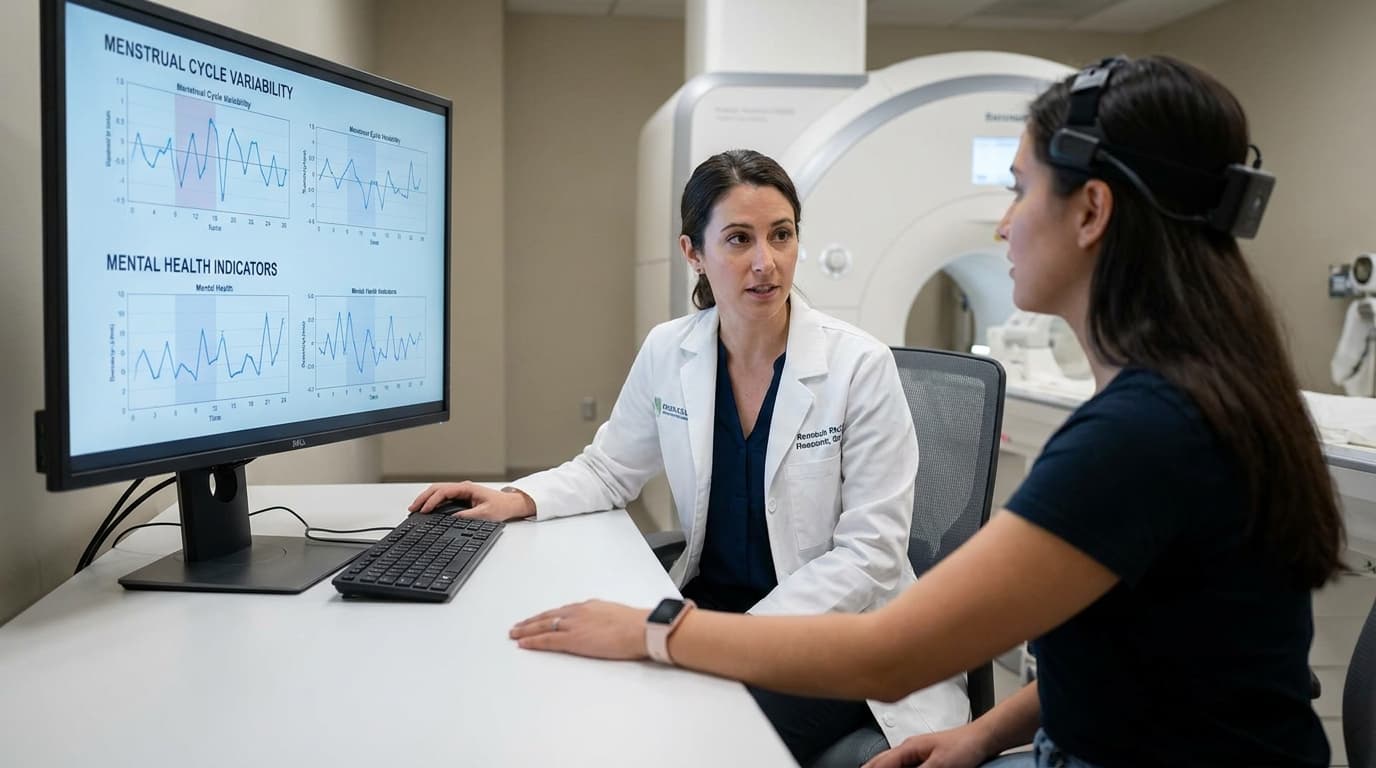
Recent health news delves into the physiological and psychological interplay between menstrual periods and mental well-being. Understanding this connection may pave the way for better management and treatment strategies for mental health conditions linked to menstrual cycles.
The Catalyst Brief
 May 2, 2026
In an era where digital connectivity shapes professional collaboration, Roon introduces a novel social networking platform designed exclusively for physicians. Launched by a neurosurgeon alongside two tech veterans, this platform aspires to unify fragmented physician knowledge and improve clinical communication beyond existing networks like Doximity. This blog delves into Roon's innovation, potential impacts on medical practice, and challenges facing physician social networks.
The Catalyst Brief
 Apr 21, 2026
The health sector is poised for significant innovation following indications from the health secretary about an imminent breakthrough device announcement. This potential development could address longstanding challenges in the reimbursement and adoption of novel medical devices.
The Catalyst Brief
 Apr 15, 2026
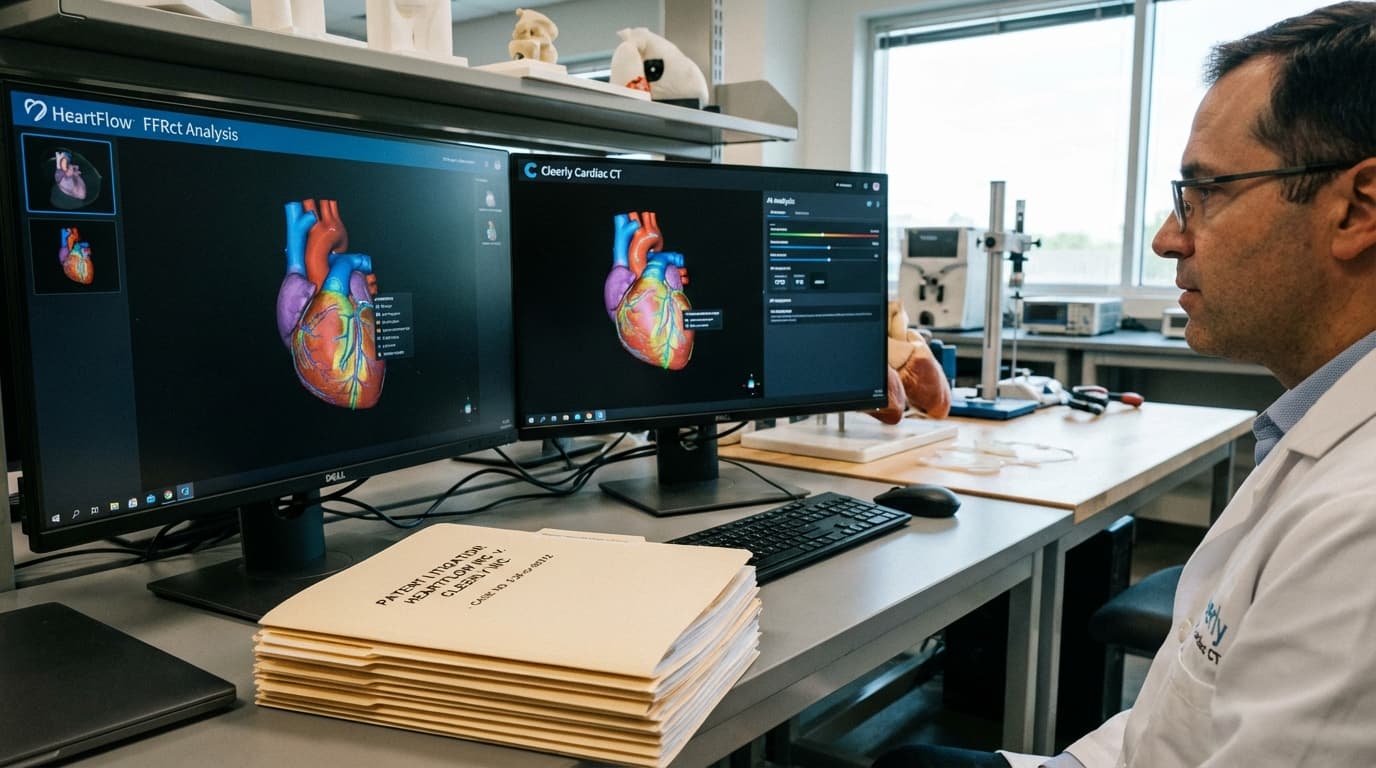
In a significant legal development within the medical technology sector, HeartFlow has accused Cleerly of infringing upon six of its patents related to AI-driven cardiac imaging tools. This lawsuit underscores the fierce patent battles occurring in the rapidly evolving cardiac AI market. As HeartFlow attempts to defend its intellectual property, the case brings to light the complexities and competitive dynamics of health AI innovation.
The Catalyst Brief
 Apr 14, 2026
Healthcare IT is evolving rapidly with major health systems adopting innovative solutions to overcome the challenges of AI implementation stuck in pilots. This post explores the key reasons these top systems are investing in new health IT categories and what it means for the future of healthcare delivery and management.
The Catalyst Brief
