 Apr 12, 2026
The integration of AI and automated platforms in healthcare is moving beyond mere digitization to fundamentally improve patient interactions, referral management, and administrative cost structures. These technological advances are poised to address long-standing pain points in healthcare delivery.
The Catalyst Brief
 Apr 11, 2026
The Disability Benefits determination system traditionally faced delays due to outdated, fax-based workflows. With TEFCA, hospitals can now share electronic health records swiftly, reducing processing times from months to instantaneous exchanges. This post explores how TEFCA implementation is enhancing hospital operations and benefits processing.
The Catalyst Brief
 Apr 8, 2026
Enterprise EHR software has become indispensable for large healthcare systems aiming to optimize clinical workflows and data management. This technological advancement fosters greater scalability and interoperability, improving patient care coordination and compliance with regulatory standards. As healthcare systems grow larger and more complex, adopting robust EHR systems is pivotal for sustainable governance and operational efficiency.
The Catalyst Brief
 Apr 2, 2026
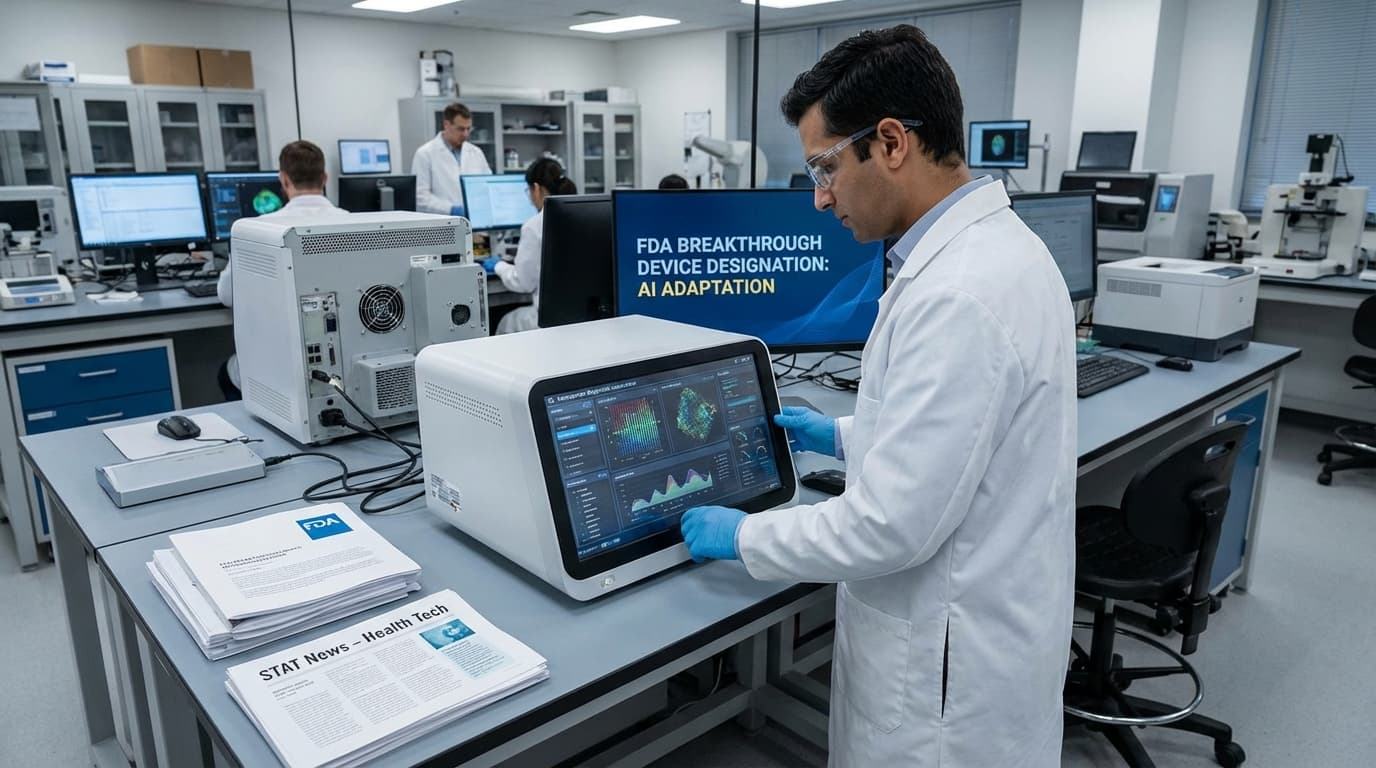
As artificial intelligence increasingly transforms medical devices, the FDA is adapting its regulatory framework to address the nuances of AI-powered technologies. This post explores recent trends in breakthrough device approvals, how the agency balances innovation and safety, and what this means for the future of medical technology.
The Catalyst Brief
 Mar 30, 2026
The collaboration aims to broaden the reach of gut microbiome testing, offering greater accessibility and personalization for consumers interested in understanding their gut health. This partnership reflects a growing trend toward incorporating microbiome data into consumer health monitoring and wellness strategies.
The Catalyst Brief
 Mar 25, 2026
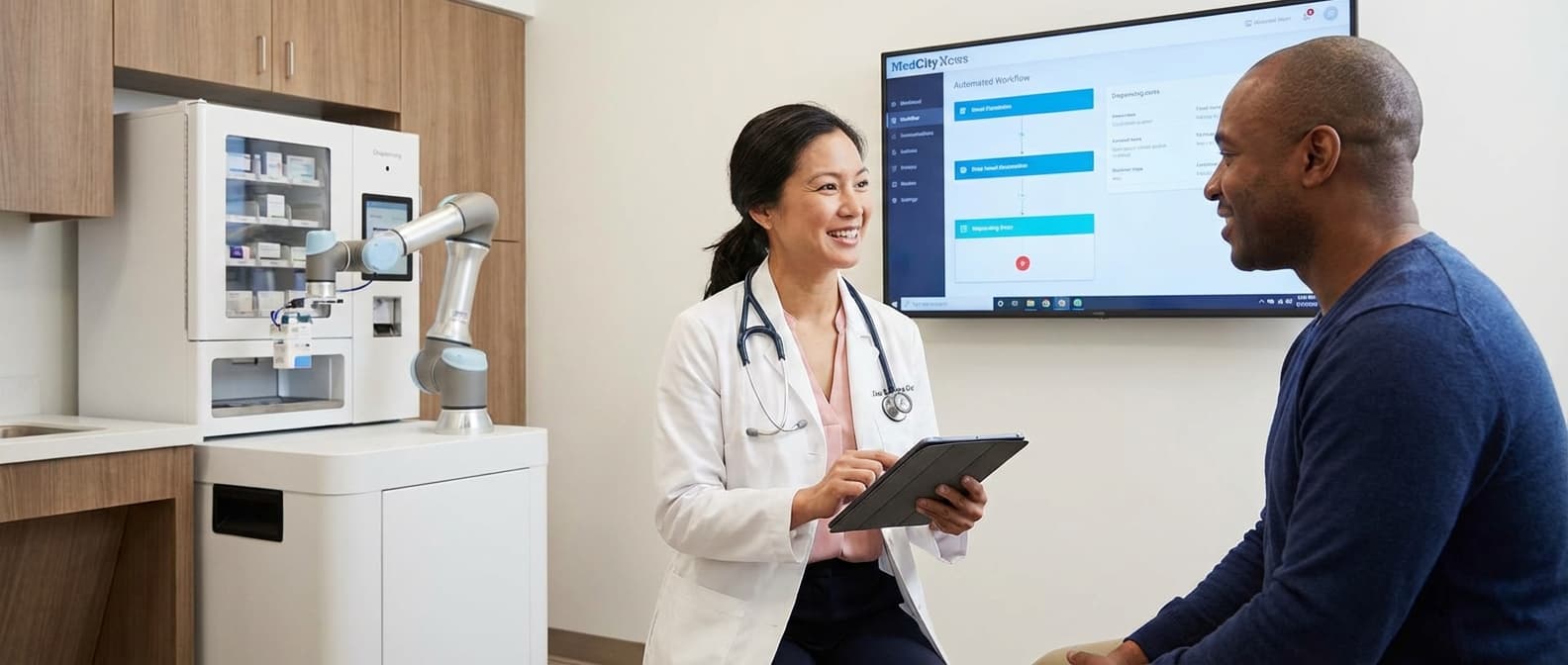
Healthcare systems continue to evolve with automation technologies designed to reduce the administrative burden on clinicians. This transformation is fostering environments where patient care is prioritized over paperwork, optimizing workflow around human needs rather than bureaucratic processes.
The Catalyst Brief
 Mar 21, 2026
The accelerating adoption of artificial intelligence and digital technologies in healthcare has raised critical questions about trust. At SXSW, four distinct perspectives—from healthcare providers, patients, industry leaders, and technologists—highlighted how trust can be rebuilt and strengthened in this rapidly changing environment. Their insights illuminate the nuanced challenges and opportunities for trust enhancement in health tech.
The Catalyst Brief
 Mar 20, 2026
Massachusetts has witnessed a staggering rise in recorded sepsis hospitalizations since 2010, with cases tripling according to recent reports. This surge has generated debate on whether such trends represent a true escalation in sepsis incidence or are tied to the adoption of advanced AI tools for medical coding and billing practices. Examining this phenomenon offers insight into the broader implications of AI integration in healthcare administrative processes and patient care documentation.
The Catalyst Brief
 Mar 18, 2026
The COVID-19 pandemic's early impact in the U.S. was far more severe than initially recorded. This study reveals dramatic disparities in death counts and points to systemic challenges in early viral surveillance and reporting. Understanding these discrepancies is crucial for public health policy and future pandemic response.
The Catalyst Brief
 Mar 16, 2026
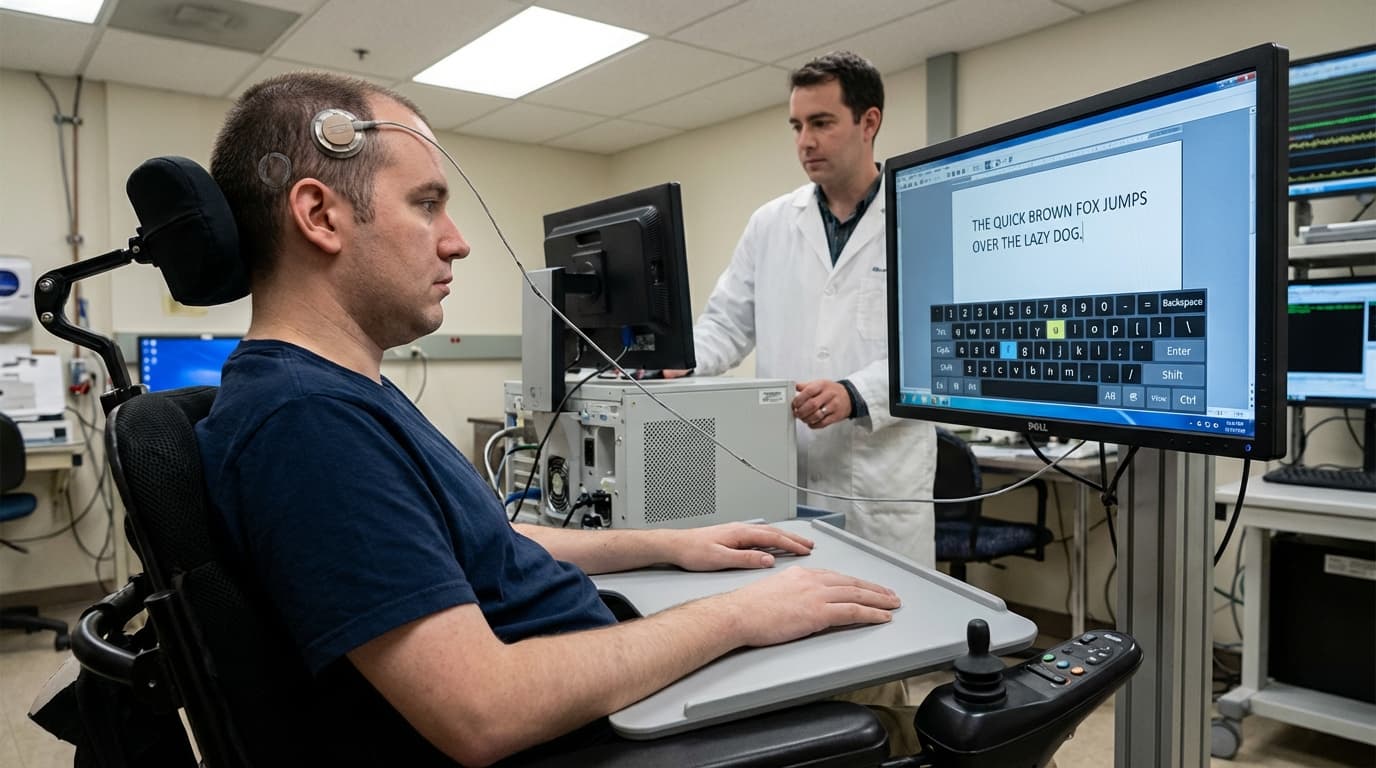
Recent research has enabled two people with paralysis to communicate by typing with their minds. This breakthrough utilizes advanced brain-computer interface (BCI) technology that decodes neural signals associated with attempted finger movement, marking a significant advance in assistive medical technology. The implications of this progress extend to quality of life improvements and future neural prosthetics development.
The Catalyst Brief
 Mar 15, 2026
Epic Systems, a major player in health information technology, has unveiled an innovative platform known as the 'agent factory'. This tool empowers health systems to develop bespoke AI agents designed to manage entire workflow processes within electronic health records (EHR). While the technology promises enhanced efficiency, it also invites scrutiny regarding the preparedness of healthcare institutions to adopt such transformative solutions.
The Catalyst Brief
 Mar 14, 2026
A recent report from the Peterson Health Technology Institute highlights the growing viability of virtual gastrointestinal (GI) care as an effective and economical approach for managing chronic conditions such as Irritable Bowel Syndrome (IBS) and Inflammatory Bowel Disease (IBD). The findings suggest significant improvements in patient outcomes alongside reductions in healthcare spending, pointing to a promising shift in GI care paradigms.
The Catalyst Brief
