 Aug 6, 2026
The FDA cleared mFLUSIVA on August 5, the first influenza vaccine built on messenger RNA, after earlier refusing to file the application. In Phase III it beat standard-dose shots by 26.6% in adults 50 and over — the only group it is approved for.
The Catalyst Brief
 Aug 5, 2026
A delayed report of a second child fatality linked to a gene-editing clinical trial in China is causing widespread concern and industry criticism. This analysis delves into the ongoing debate about trial transparency, ethical oversight, and evolving global standards for next-generation therapeutics.
The Catalyst Brief
 Aug 5, 2026
Eastern Congo is facing one of its gravest public health emergencies as Ebola claims over 1,700 lives in what experts now describe as the fastest-growing outbreak of the disease. This situation presents unprecedented challenges for healthcare providers, local authorities, and the international response infrastructure, raising critical questions about outbreak preparedness, the role of trust in communities, and the global need for coordinated intervention.
The Catalyst Brief
 Aug 4, 2026
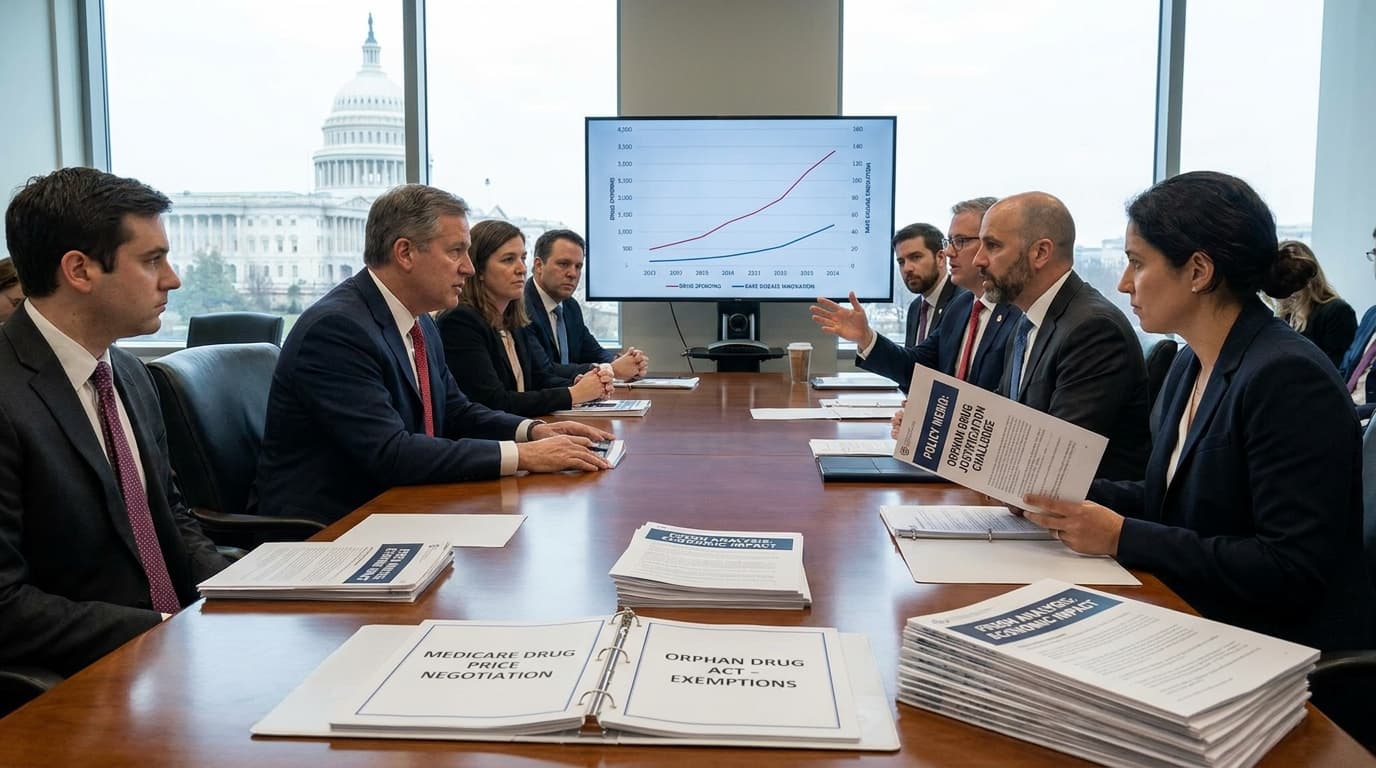
As scrutiny on drug pricing intensifies, a recent study argues that the federal exemption allowing orphan drugs to avoid Medicare price negotiations may not be warranted in all cases. Policymakers, industry, and patients face difficult questions about balancing incentives for rare disease drug development with controlling public health spending.
The Catalyst Brief
 Aug 4, 2026
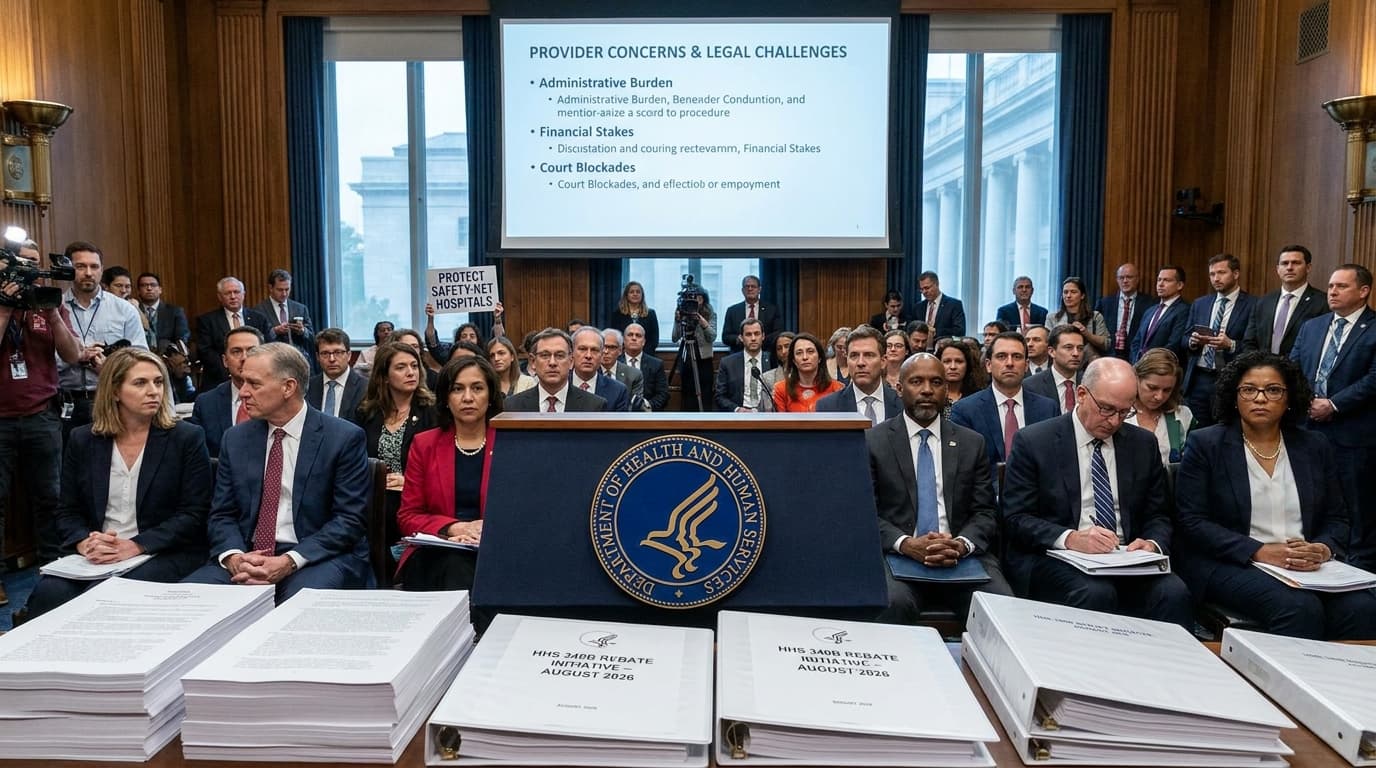
With the Health Resources and Services Administration (HRSA) aiming to reinvigorate 340B drug discount rebates, hospitals and providers react with apprehension about the program’s far-reaching administrative and financial implications. Drawing lessons from prior legal setbacks, this move signals renewed federal focus on cost containment and compliance in a strained sector.
The Catalyst Brief
 Aug 3, 2026
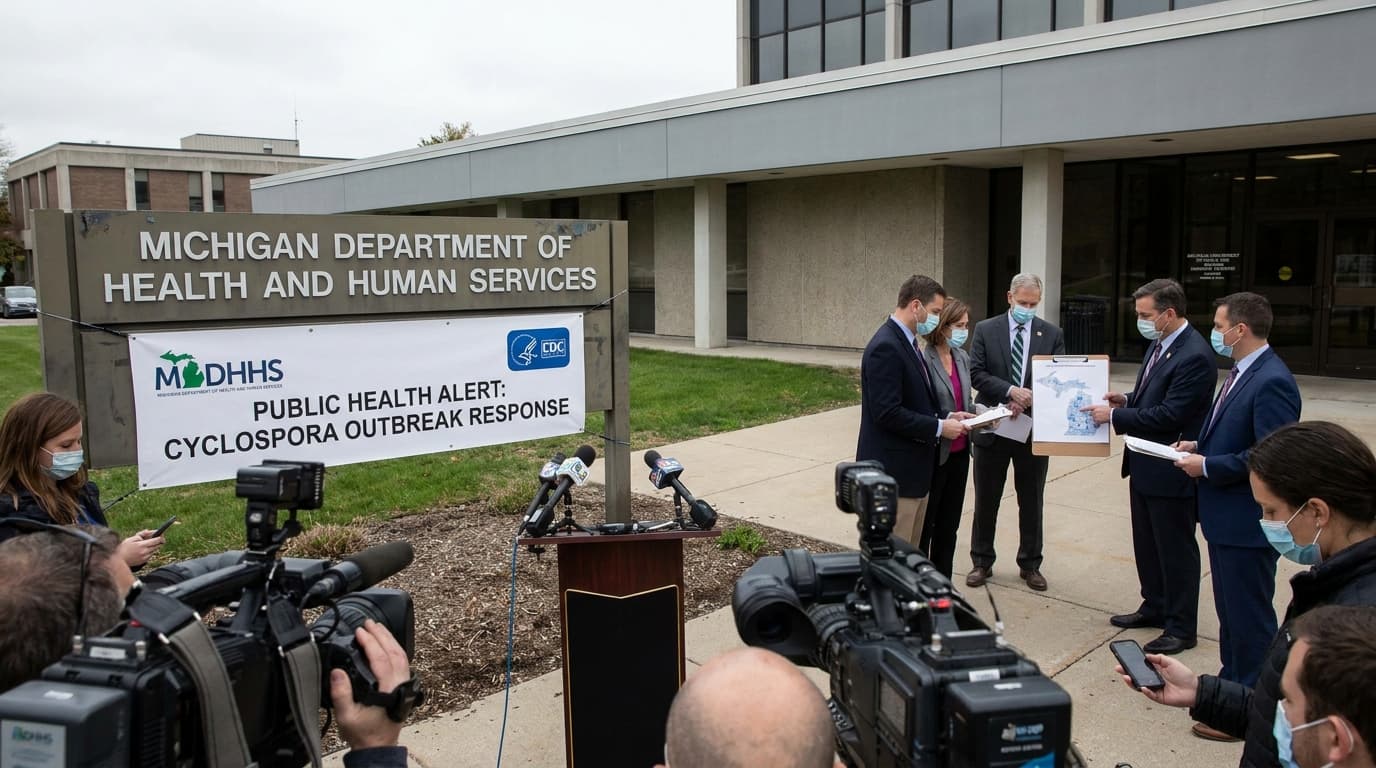
The announcement of the first cyclospora-related deaths in the United States underscores both the complexity of foodborne outbreaks and the critical challenges faced by public health agencies as they rush to contain and investigate the spread. This in-depth article explores the background of cyclospora, the specifics of the Michigan outbreak, and broader implications for future prevention and policy.
The Catalyst Brief
 Aug 3, 2026
As the FDA launches its ambitious Trialblazer initiative to modernize the clinical trial landscape, industry voices call for more comprehensive streamlining of the investigational new drug (IND) application process. Experts warn that while the program is a step forward, significant barriers remain that could blunt its intended impact on biopharmaceutical innovation.
The Catalyst Brief
 Aug 3, 2026
A simmering contract dispute between Sentara Health and Anthem threatens to upend insurance coverage for hundreds of thousands of Virginians. The standoff, centered on rate renegotiations, highlights the stakes involved in payer-provider dynamics and the potential consequences for patients, providers, and the regional health ecosystem.
The Catalyst Brief
 Aug 3, 2026
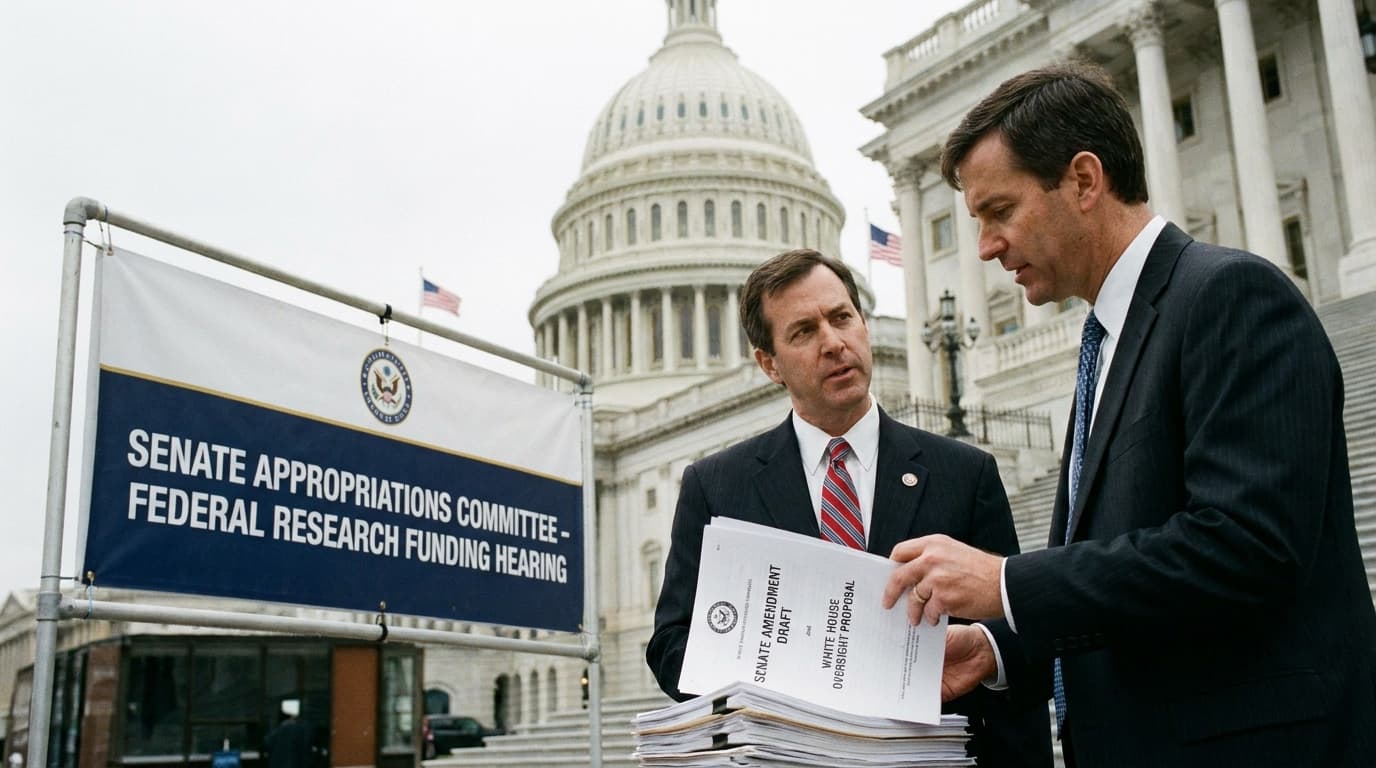
The proposed Senate action aims to serve as a safeguard against the politicization of federal research grant allocation—a move that has spurred debate across the scientific community. As federal research funding often underpins innovation in biotech, medicine, and the broader sciences, this policy battle offers a window into the ongoing tension between government oversight and scientific autonomy.
The Catalyst Brief
 Aug 2, 2026
The Michigan Supreme Court ruled that regulators can move forward with an investigation into whether Eli Lilly charged excessively high prices for insulin products. This ruling is set to have far-reaching implications for pharmaceutical companies, patient access, and future regulatory strategies related to drug pricing and public health.
The Catalyst Brief
 Aug 1, 2026
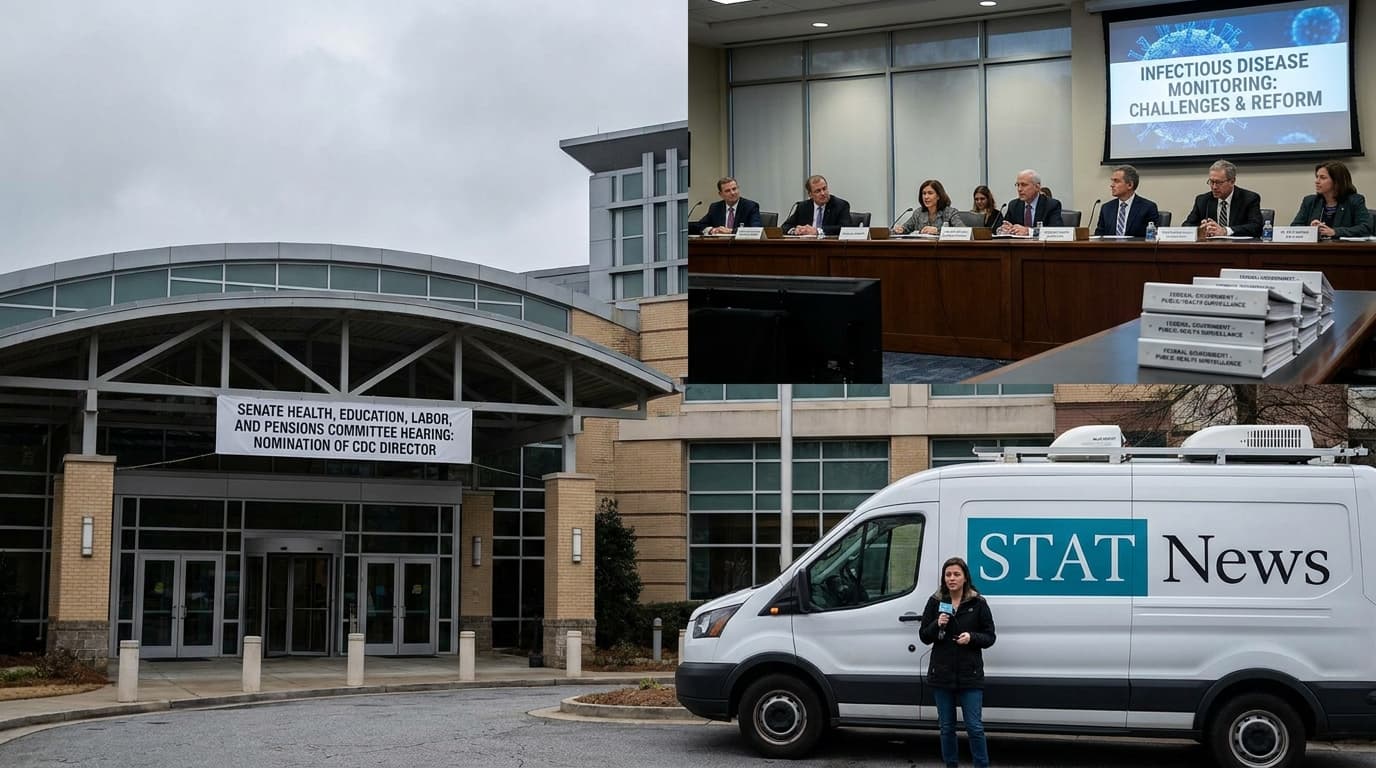
With new leadership nominees advancing and persistent gaps in infectious disease monitoring, U.S. health agencies face the twin challenges of maintaining readiness and driving reform. Federal statements point to recognition of existing limitations and provide insight into evolving health policy priorities.
The Catalyst Brief
 Jul 31, 2026
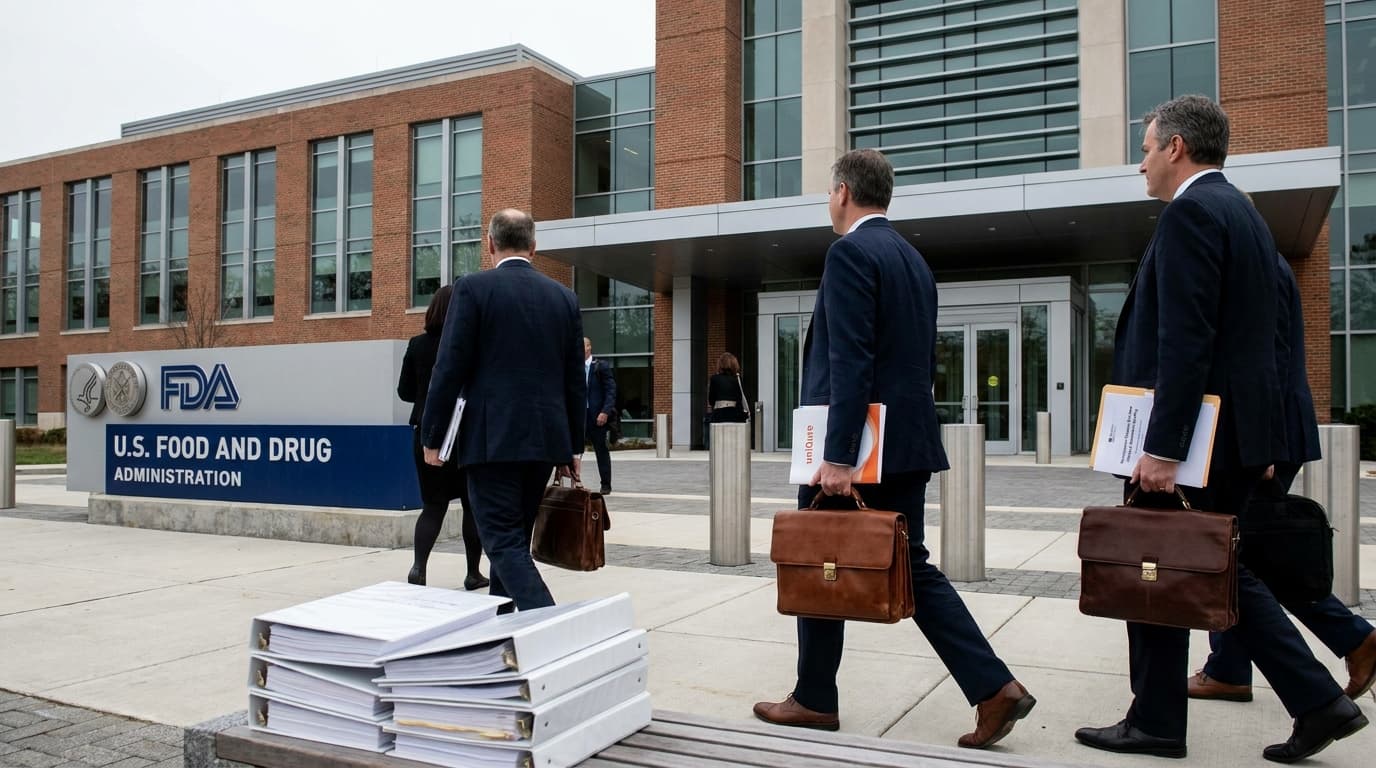
The rare disease and gene therapy sector is witnessing increasing regulatory oversight as UniQure advances its Huntington’s disease gene therapy toward an FDA advisory committee review. The company’s experience reflects broader jitters in the biopharma landscape, especially after the FDA’s recent hesitation with assets from Replimune and Capricor.
The Catalyst Brief
