Aug 13, 2026The executive order signed Monday calls for fewer vaccines to be recommended for all children in the U.S. and for a shift away from combination products, starting with measles, mumps, and rubella. WHO officials said the policy is based on a disproven autism claim and warned that breaking up vaccines would increase the number of injections and the complexity of the schedule.
The Catalyst Brief
 Aug 11, 2026
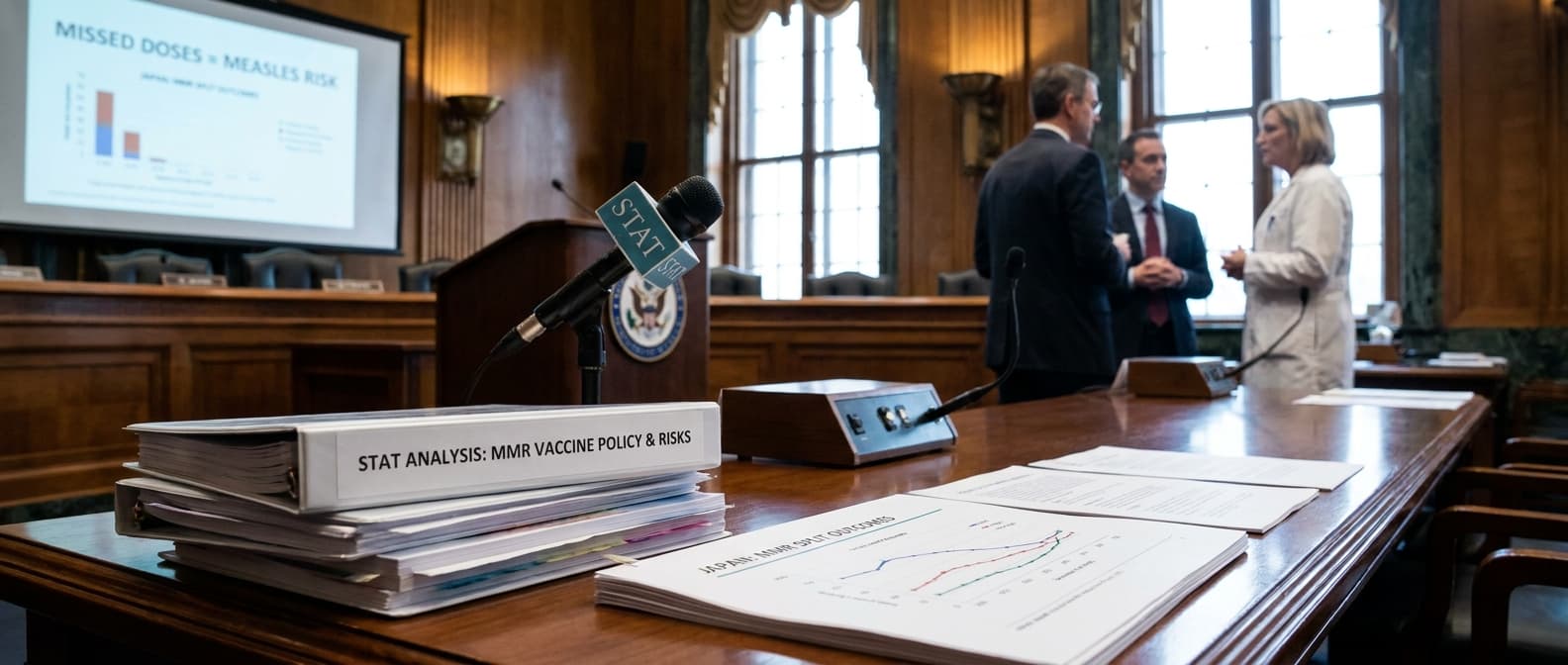
The current push to split MMR follows President Trump’s executive order calling for separate measles, mumps, and rubella shots. STAT’s review says more than 60 years of vaccine use and international experience suggest the practical effect would be more missed doses and more preventable illness, not a safety gain.
The Catalyst Brief
 Aug 11, 2026
The debate is less about whether IRBs exist than about who they are designed to serve when research institutions and commercial boards face financial pressure. The policy signal is that trust in research may increasingly depend on whether oversight can move beyond compliance and address privacy, data use, and other risks current regulation does not fully capture.
The Catalyst Brief
 Aug 11, 2026
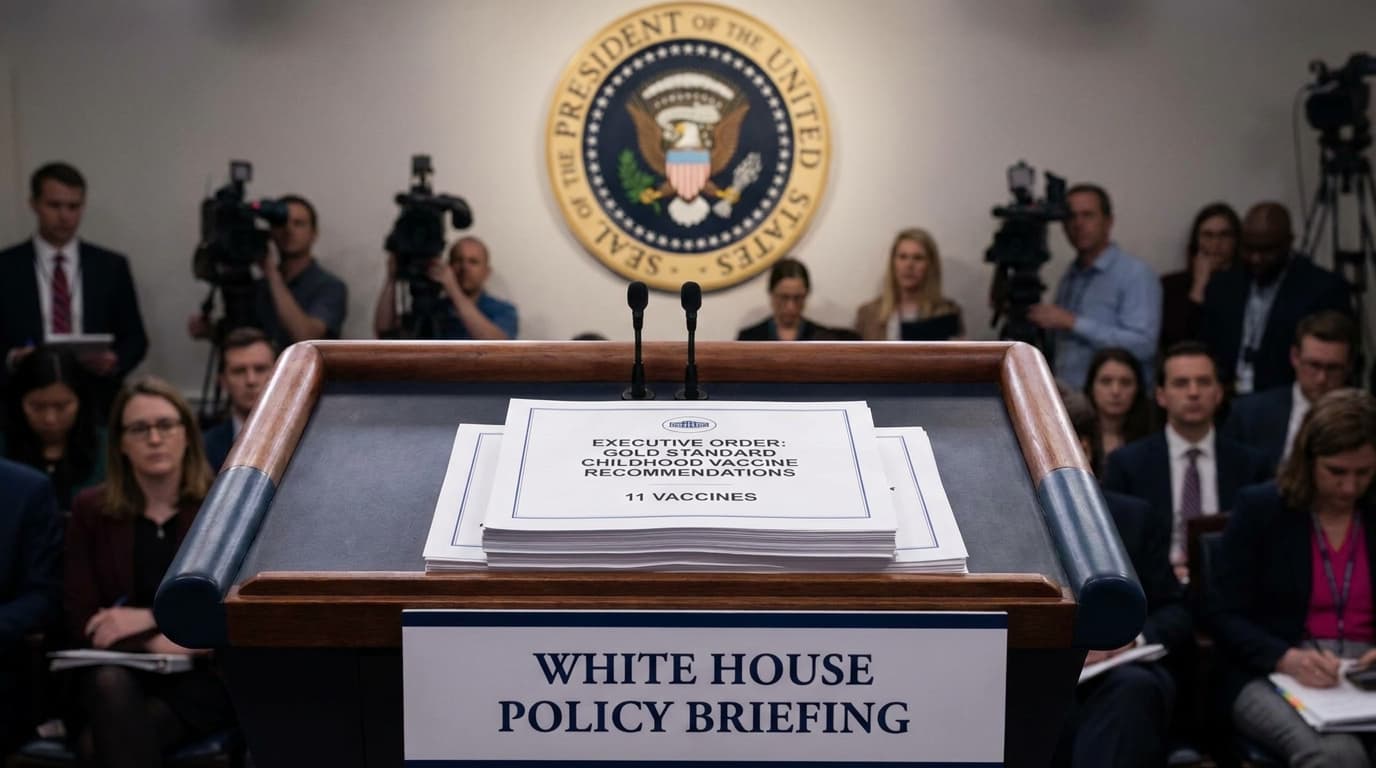
The Trump administration on Monday publicly re-entered vaccine policy after months of avoiding the topic for political reasons, according to STAT. The order presents a new "Gold Standard Childhood Vaccine Recommendations" schedule, ties the change to earlier court intervention, and directs further review of some of the president’s assertions even as experts and at least one Republican lawmaker criticized the lack of evidence behind them.
The Catalyst Brief
 Aug 10, 2026
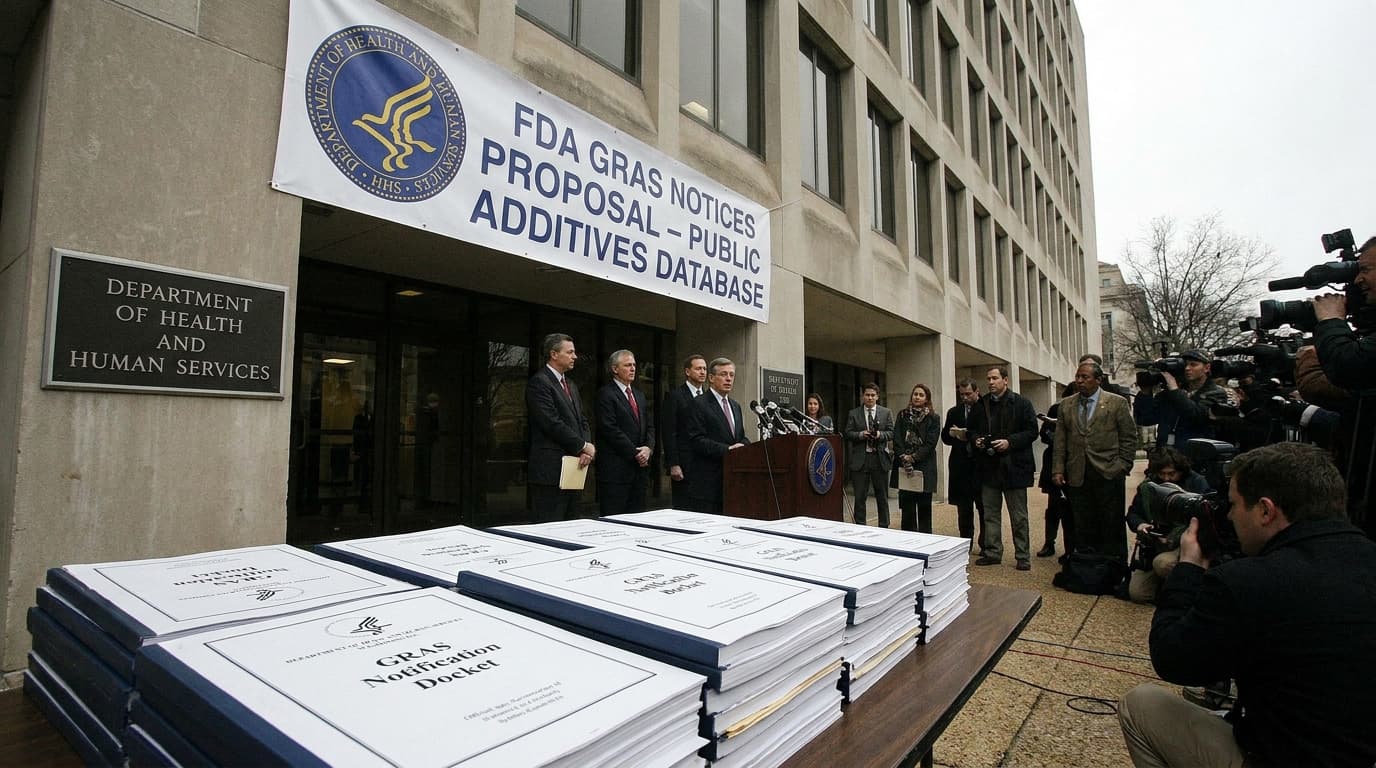
The Department of Health and Human Services on Monday outlined a proposed shift in the treatment of substances deemed “generally recognized as safe,” or GRAS. The change stops short of pre-market approval, but it would force notice to the Food and Drug Administration for new ingredients and create a public database of existing GRAS uses, narrowing what agency officials described as a decades-old information gap.
The Catalyst Brief
 Aug 10, 2026
BioSpace’s review of the sector points to a market moving from theory toward execution. Recent late-stage data in treatment-resistant depression and major depressive disorder, alongside actions by the Trump administration and the FDA, have improved the setup for developers even as safety, abuse risk and care-delivery constraints remain unresolved.
The Catalyst Brief
 Aug 10, 2026
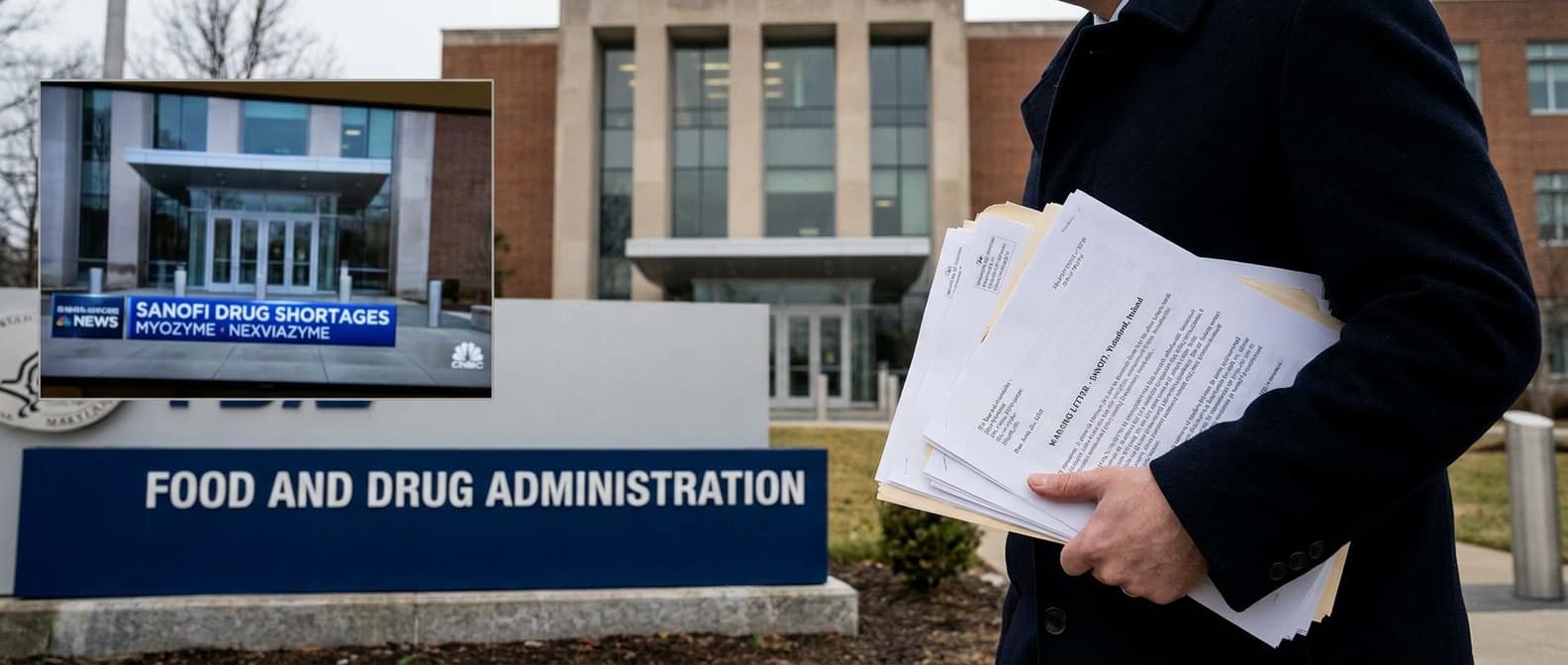
The immediate issue is a bottleneck in the final manufacturing phase and quality control issues at Sanofi’s Waterford plant, according to the report. For a rare-disease market, disruption at the batch-release step can quickly become an access problem because the same site clears medicine for distribution and patient use.
The Catalyst Brief
Aug 8, 2026Health Secretary Robert F. Kennedy Jr. described Network for Hope as "a bad apple" while announcing the planned shutdown process. The case ties back to allegations that a predecessor organization continued organ retrieval planning for a patient who showed signs of life, and it may accelerate adoption of pause mechanisms that Kentucky and the federal Organ Procurement and Transplantation Network are already moving toward.
The Catalyst Brief
 Aug 7, 2026
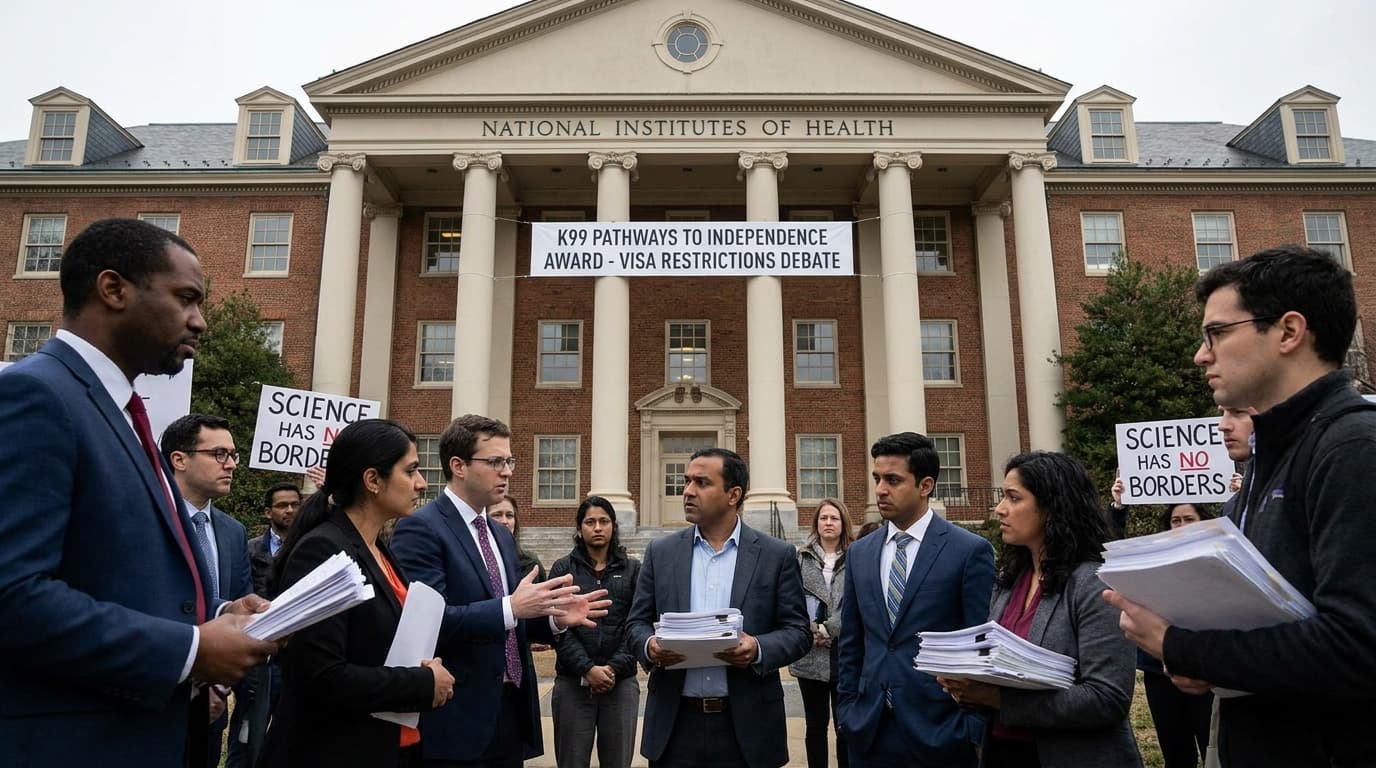
In a resonance felt across academic research communities, the National Institutes of Health (NIH) has announced plans to restrict international students and scientists on visas from accessing a significant early-career funding opportunity: the K99 Pathways to Independence Award. The decision, representing a potential turning point for global research talent in the United States, is generating controversy and fueling debate about the implications for innovation, workforce diversity, and U.S. scientific leadership.
The Catalyst Brief
 Aug 7, 2026
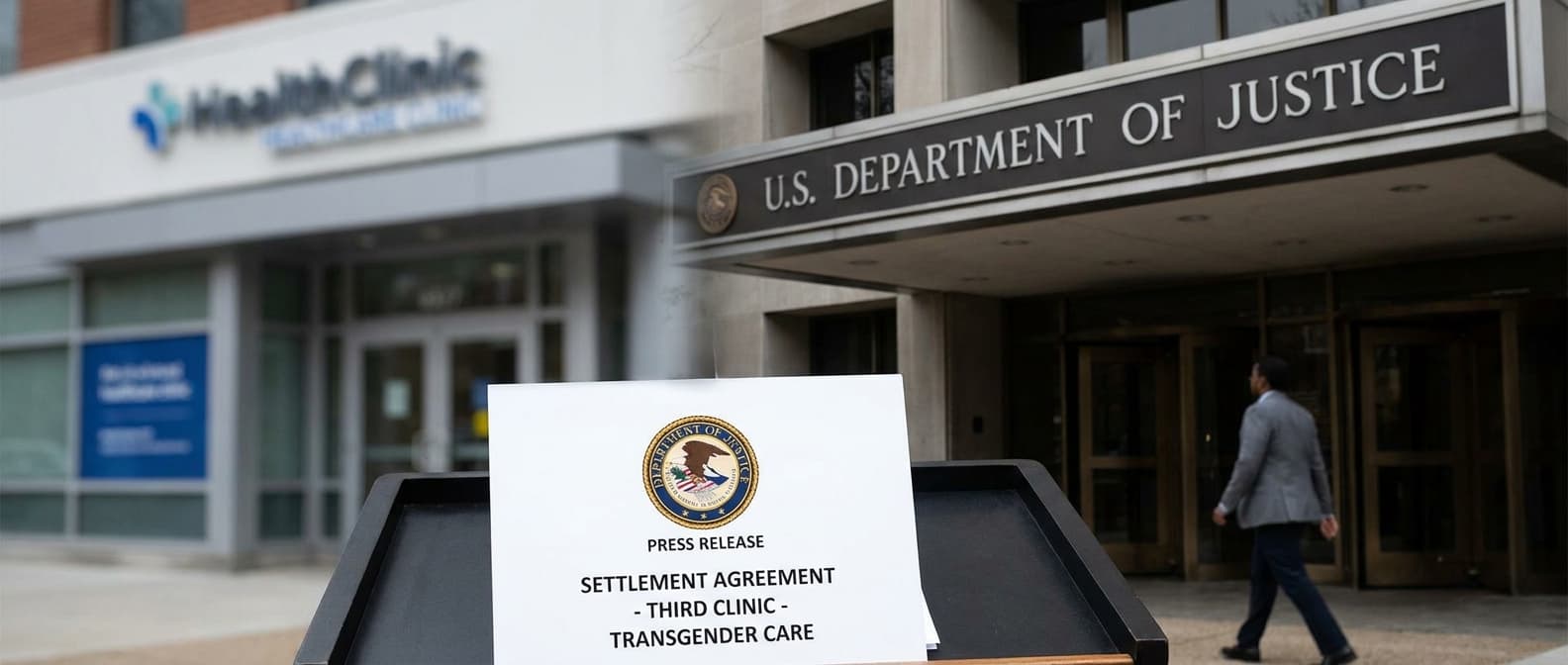
In a rapidly evolving legal landscape, the Department of Justice has now obtained settlements from a third clinic over matters related to transgender healthcare services. Against the backdrop of high-profile legal cases and political debate—including actions against the U.S. organ donor network and the ongoing saga of Anthony Fauci—this article explores the implications of increased federal scrutiny and enforcement activity surrounding trans healthcare, compliance requirements, and the broader regulatory environment.
The Catalyst Brief
 Aug 6, 2026
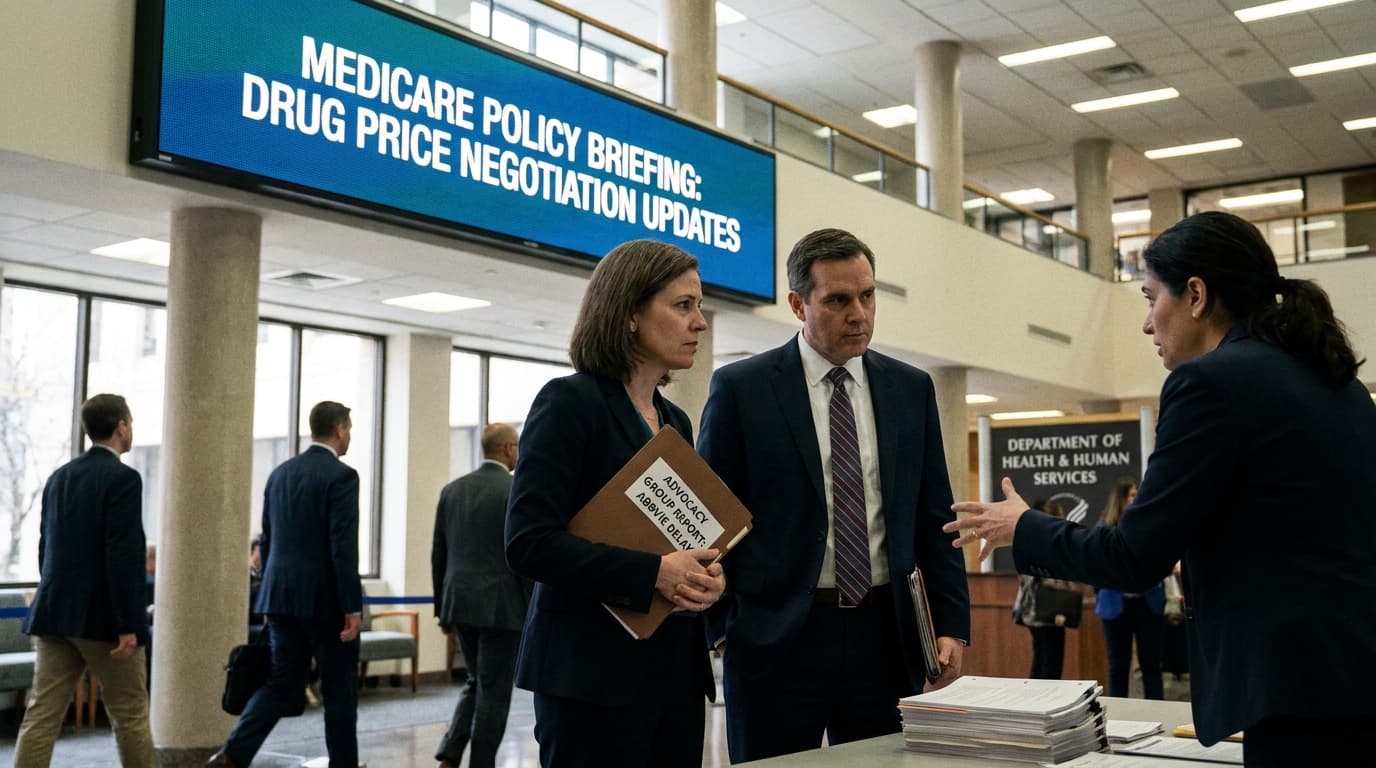
An advocacy group asserts that a quiet policy move by Medicare will postpone price negotiations on a widely used and costly AbbVie drug for seven years. This development shines a spotlight on the complex intersection between federal policy, drug pricing, pharmaceutical industry strategy, and patient access — and could shape future negotiations across the biopharmaceutical landscape.
The Catalyst Brief
 Aug 6, 2026
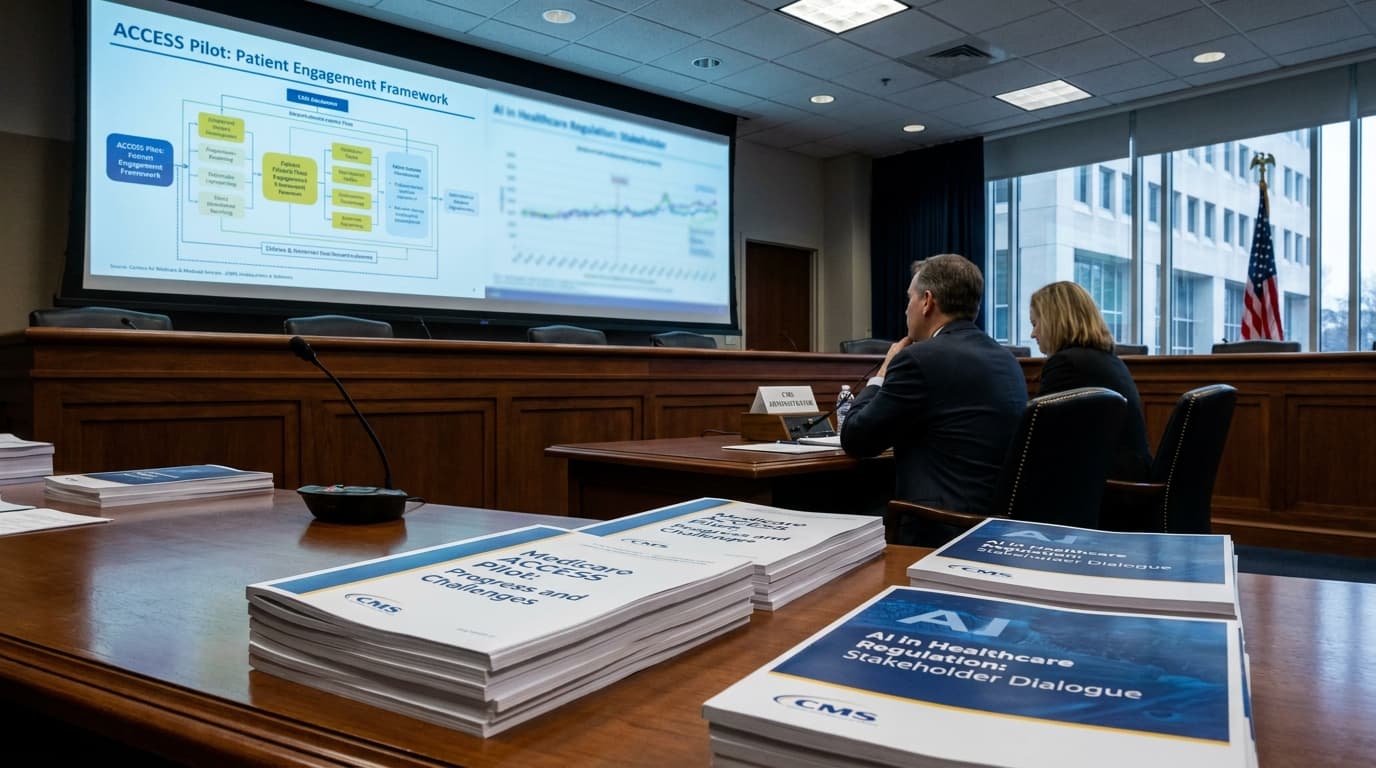
The ACCESS pilot program—Medicare’s latest initiative to improve chronic care—illustrates both promise and pitfalls in federal healthcare innovation. While regulators seek industry input on artificial intelligence, a lack of transparency about provider participation presents a critical communication gap.
The Catalyst Brief
