 Aug 19, 2026
Dauphin County’s recent property tax increases offer one local example of a broader fiscal squeeze hitting state and local governments. With public employers often constrained by union expectations, fixed budgets, and political resistance to tax hikes, the story suggests health benefit inflation is becoming a structural policy issue rather than a negotiable line item.
The Catalyst Brief
 Aug 19, 2026
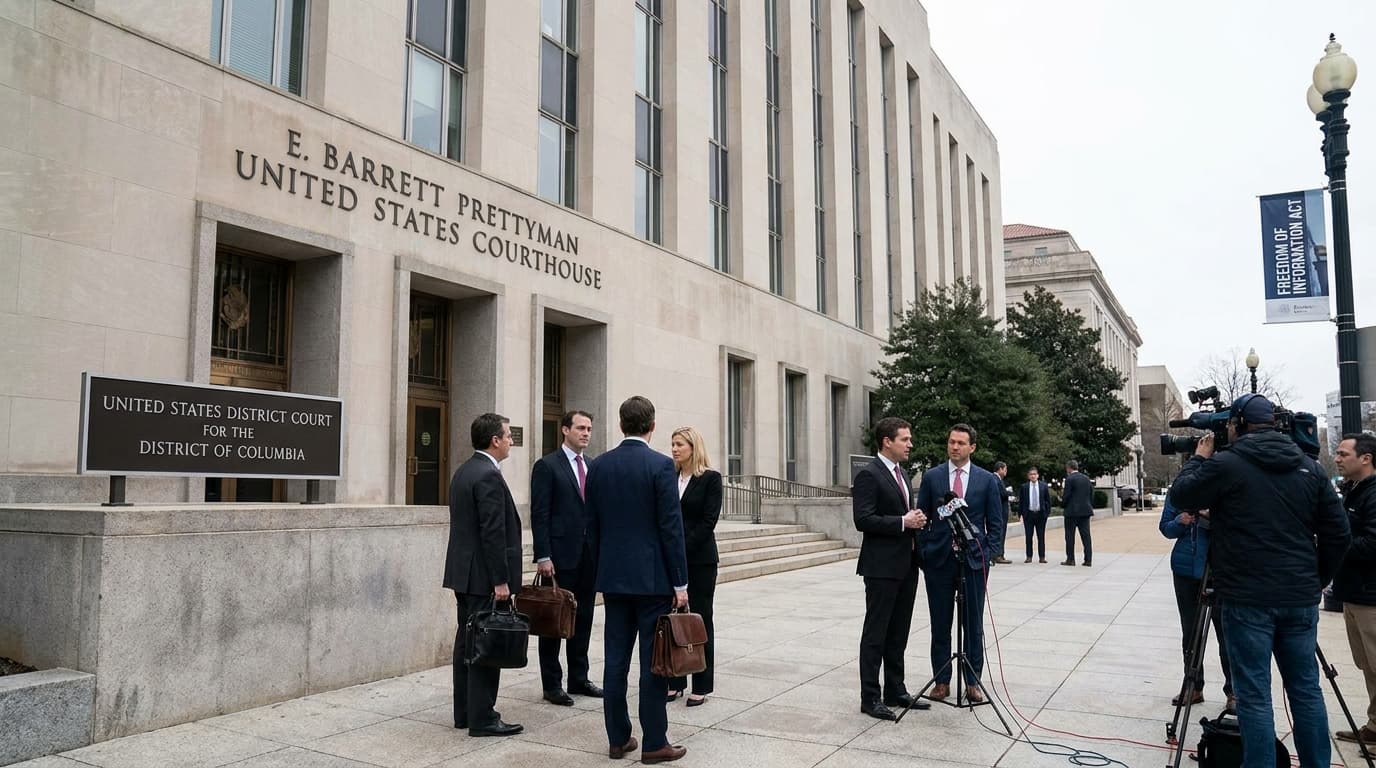
The plea centers on efforts to keep messages off government systems and away from records requests, according to court documents. While the unnamed company and two other individuals were not identified in the charging documents, one person matched the description of EcoHealth Alliance’s then-president, Peter Daszak, who has not been charged with a crime.
The Catalyst Brief
 Aug 19, 2026
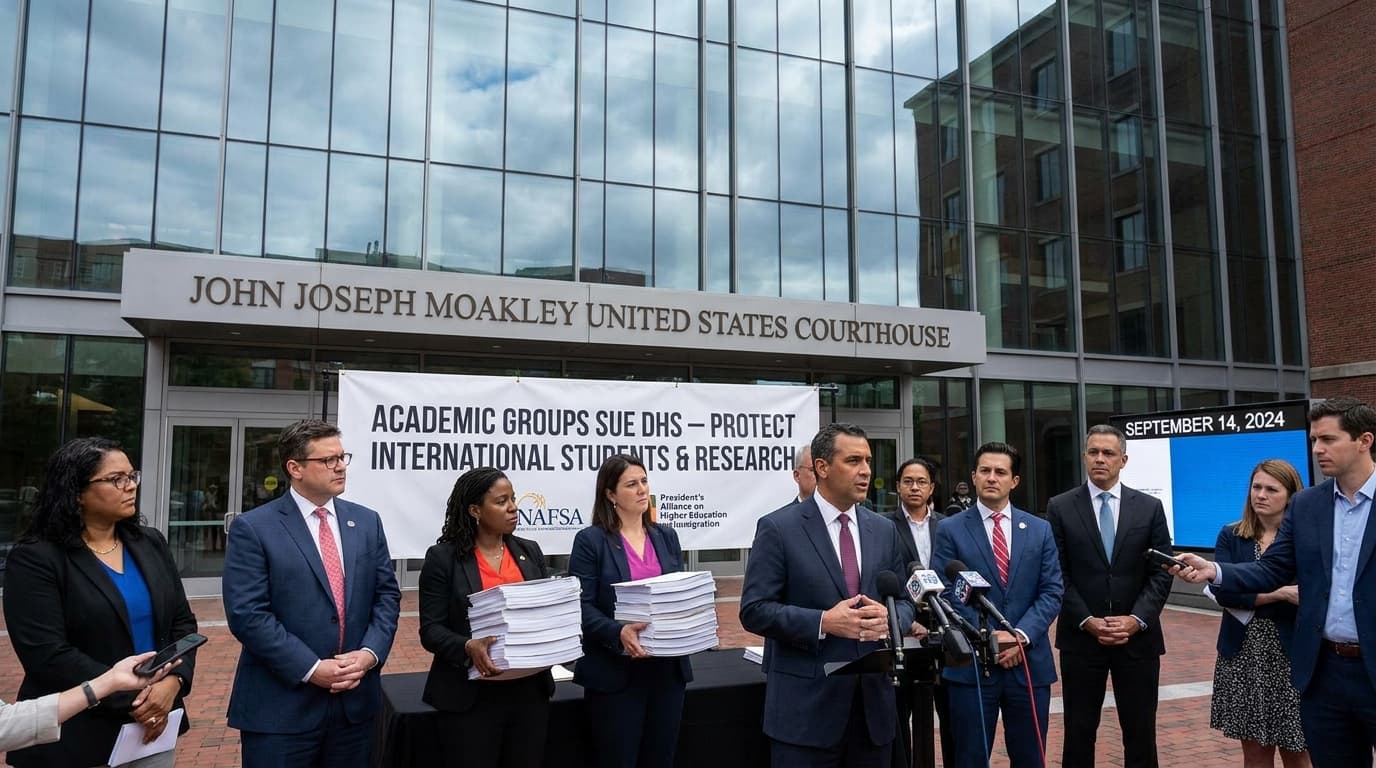
A lawsuit filed in the U.S. District Court in Massachusetts challenges the Trump administration’s plan to replace duration of status with a fixed visa period for many international students and postdoctoral researchers. The case turns on whether DHS lawfully justified a rule change that plaintiffs say could affect more than two million nonimmigrants annually and weaken the U.S. research base.
The Catalyst Brief
 Aug 17, 2026
The report, based on a February workshop convened by the Women’s Health Network, identifies four areas innovators need to address before product development is far along: commercialization, clinician engagement, payer engagement and coding. Its broader signal is that women’s health companies face a reimbursement problem tied not just to policy, but to evidence generation and market-positioning decisions made early.
The Catalyst Brief
 Aug 15, 2026
According to people contacted by investigators, the government is asking about Epic agreements that bar employees from joining a broad set of health care businesses and about practices that may make it harder for rival technology vendors to access data needed to serve shared customers. The inquiry may never lead to charges, but it arrives as private lawsuits and complaints about Epic’s conduct are accumulating around a company that handles records for 57% of inpatient hospital beds in America.
The Catalyst Brief
 Aug 14, 2026
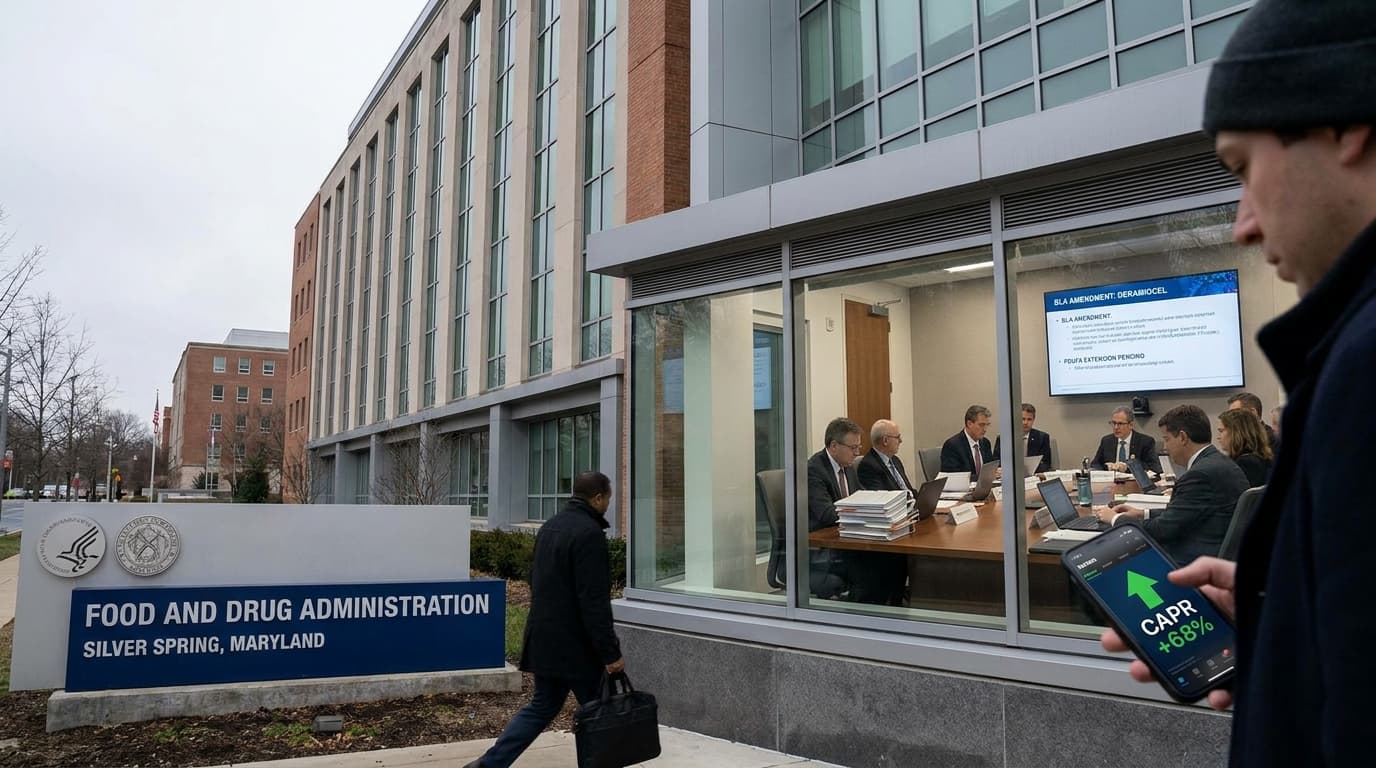
Capricor’s latest comments suggest the regulatory process for deramiocel may be shifting from a binary Aug. 22 decision to a longer negotiation over indication and evidence. That matters because the company has effectively tied its broader pipeline, expansion studies and commercial pacing to whatever the FDA decides next.
The Catalyst Brief
 Aug 14, 2026
The 2024 rule changes were meant to do more than alter paperwork for opioid treatment programs; they were meant to change how clinics and state overseers think about control, access and patient autonomy. What is emerging now is a mixed picture in which operational change appears real at many sites, but proof of a full cultural shift remains incomplete.
The Catalyst Brief
 Aug 14, 2026
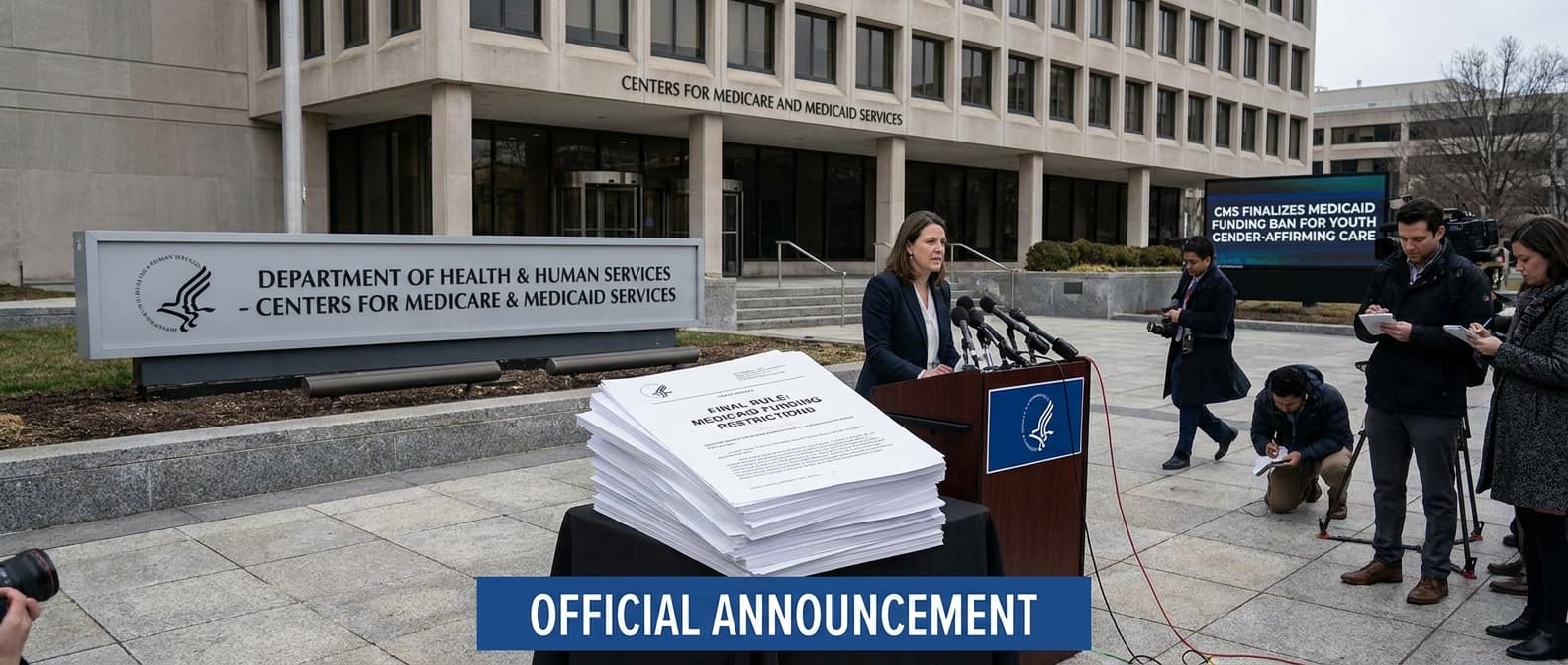
The rule takes effect on Oct. 13 and applies to federal Medicaid funding for anyone under 18 and CHIP funding for anyone under 19, while leaving states free to use their own Medicaid dollars and allowing federally funded mental health care to continue. Its immediate significance is not only coverage loss but a more legally insulated attempt to reshape care through payment policy after several court setbacks.
The Catalyst Brief
 Aug 14, 2026
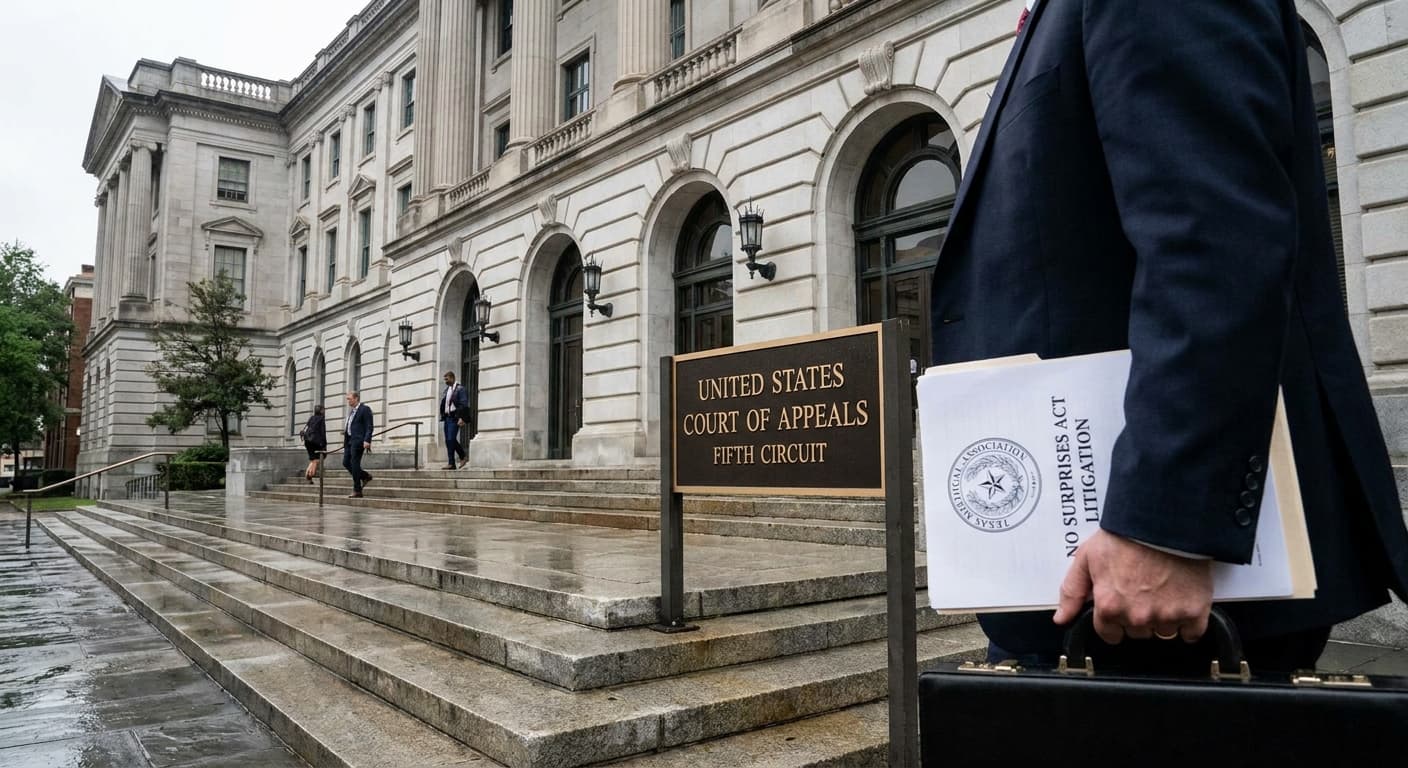
The U.S. Court of Appeals for the Fifth Circuit sided with the Texas Medical Association on two central disputes over the qualifying payment amount, or QPA, used in No Surprises Act arbitration. By rejecting the use of “ghost rates” and requiring bonus and incentive payments to be counted, the court challenged a methodology providers have argued favored payers.
The Catalyst Brief
 Aug 14, 2026
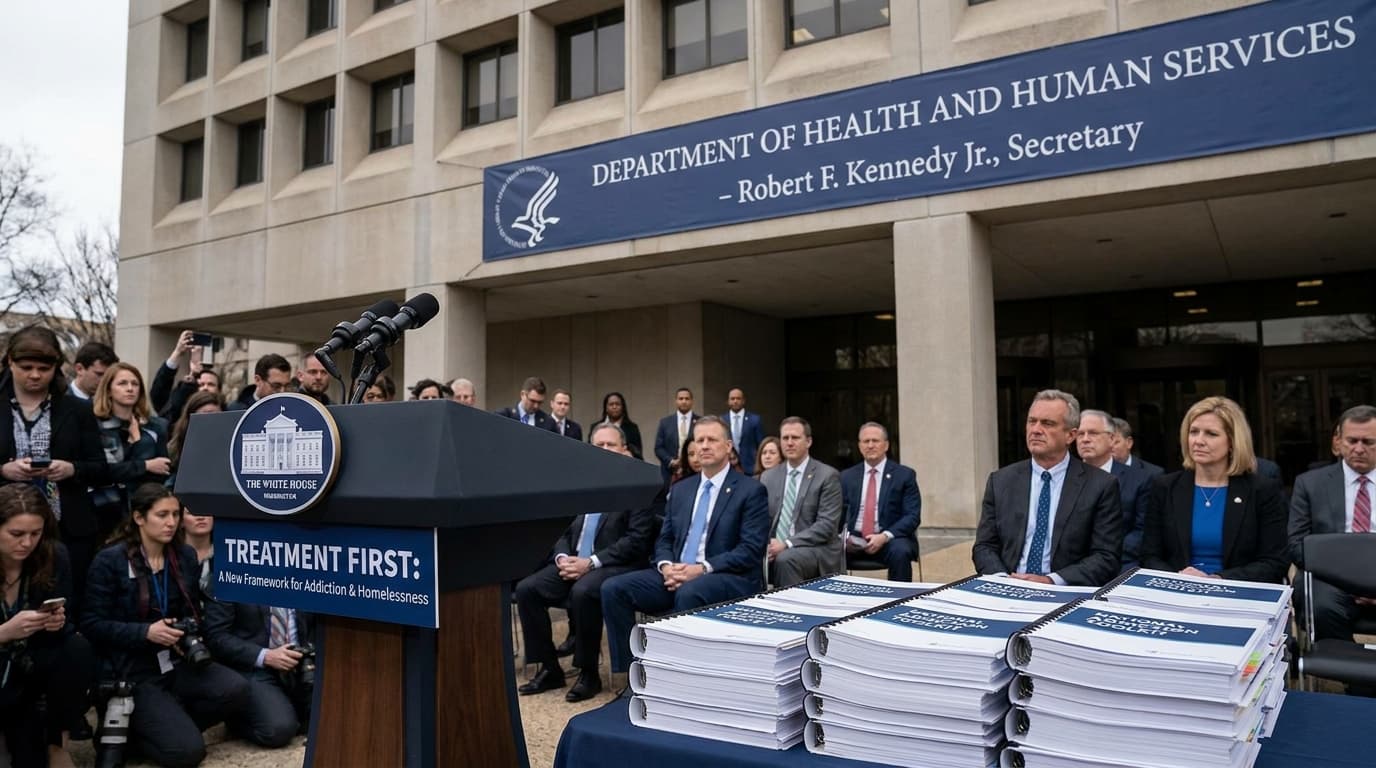
The White House’s new toolkit marks a clear policy break from the Biden administration’s “housing first” and harm reduction approach. For providers and local governments, the practical signal is that federal support is being steered toward recovery models built around treatment, structure, and abstinence rather than unconditional housing access.
The Catalyst Brief
 Aug 13, 2026
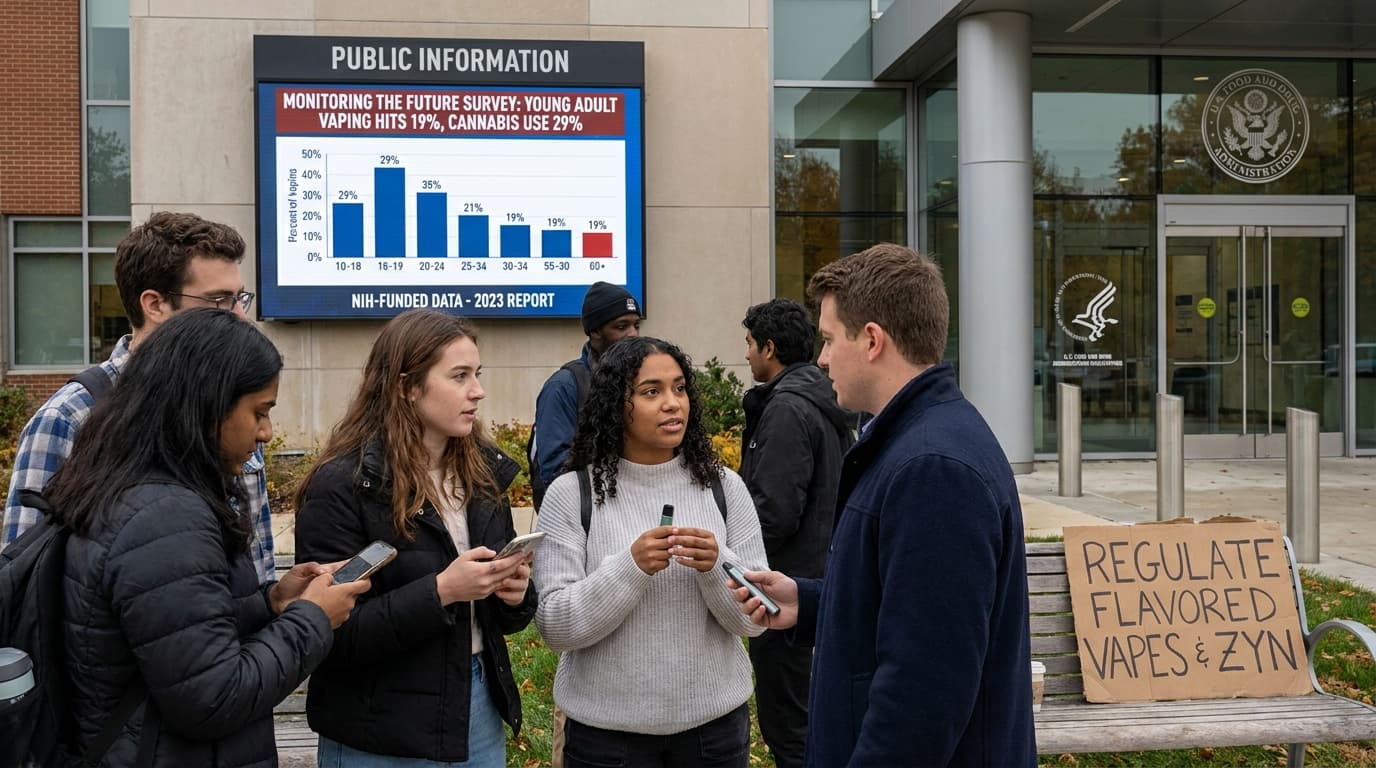
The University of Michigan’s Monitoring the Future survey found young adults’ nicotine vaping reached its highest level since the question was added in 2017, and cannabis use stayed near prior peaks. The report pairs those trends with continued declines in alcohol use and historically low cigarette smoking, creating a more mixed public-health picture than a single headline suggests.
The Catalyst Brief
 Aug 13, 2026
WHO officials said the outbreak centered in Ituri province has already become the second-biggest Ebola epidemic on record and is moving faster than any previous Ebola outbreak. The proposed study would randomize known contacts of cases to receive Ervebo or placebo, with additional Bundibugyo-specific vaccines potentially added if early safety and dosing data support their use.
The Catalyst Brief
