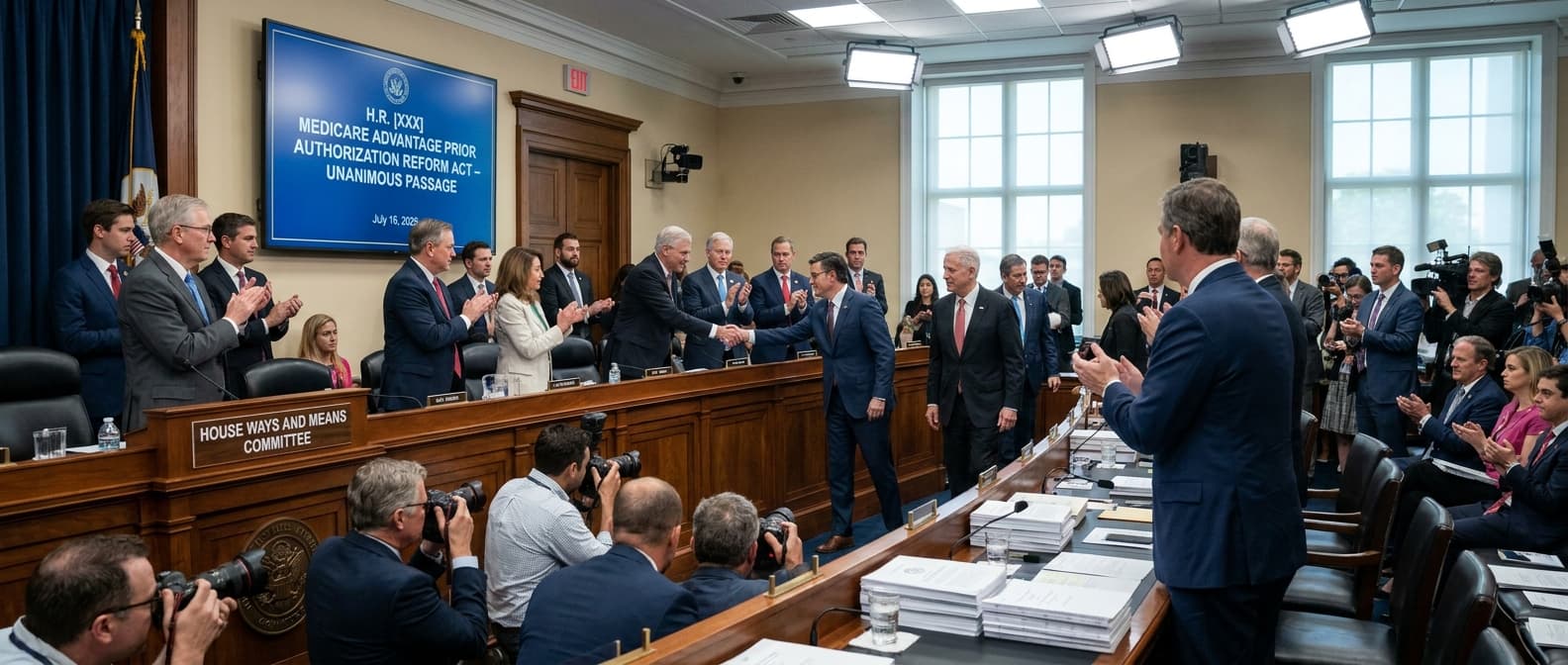
 Jul 17, 2026
The House Ways and Means Committee has unanimously advanced a bill set to significantly reform Medicare Advantage prior authorization. The move, commended by numerous healthcare stakeholders, signals a shift in how federal legislators and agencies balance access to care and fraud prevention. This in-depth analysis explores the possible impact of such reform on Medicare Advantage providers, patients, healthcare infrastructure, and the broader US healthcare policy landscape.
The Catalyst Brief
 Jul 16, 2026
As artificial intelligence extends deeper into manufacturing processes, the U.S. Food and Drug Administration has issued its first cGMP warning letter focused specifically on AI-generated activities. This action sets a precedent for how AI should be integrated and regulated within existing quality systems.
The Catalyst Brief
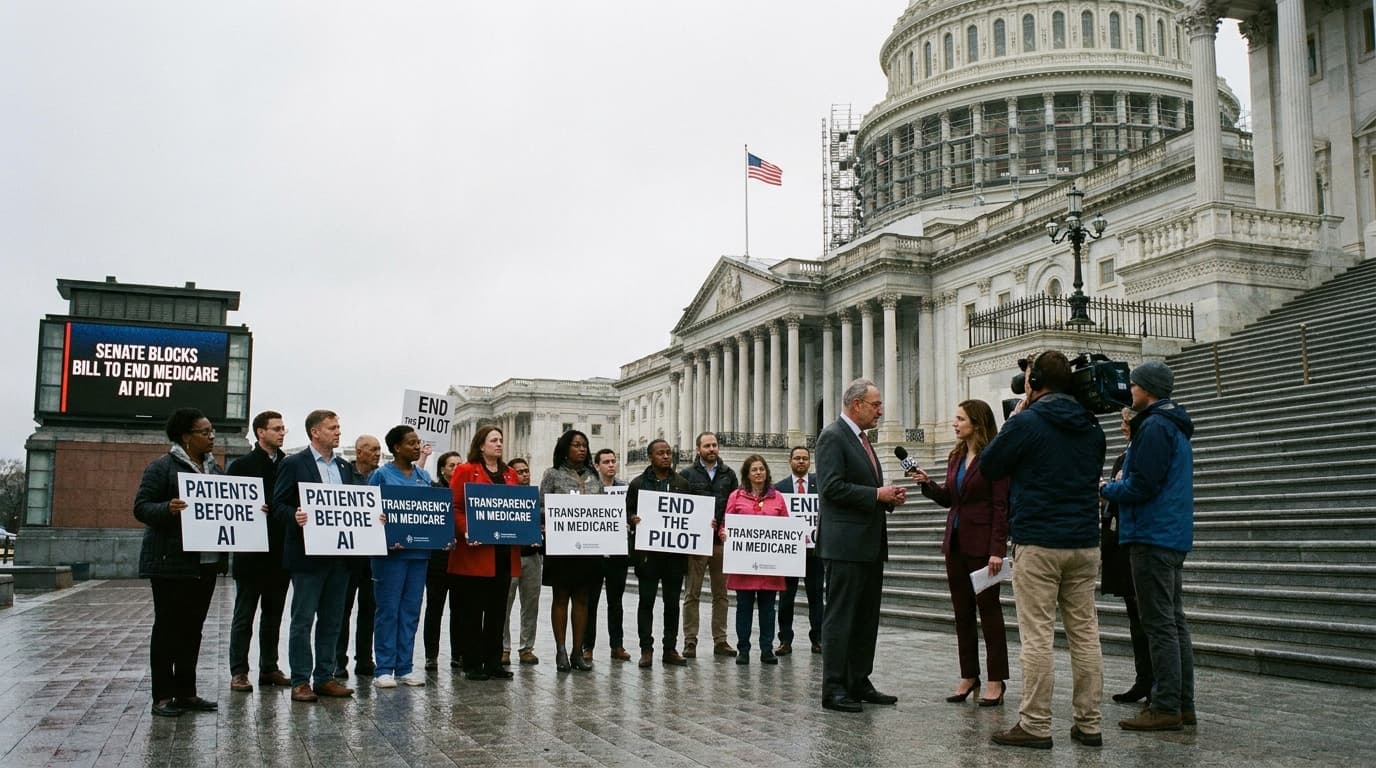 Jul 16, 2026
Medicare’s test of AI-powered prior authorization remains ongoing following a GOP-led Senate block of efforts to stop the program. This decision fuels debate over the impact of automated decision-making on access to care, administrative burden, and regulatory oversight.
The Catalyst Brief
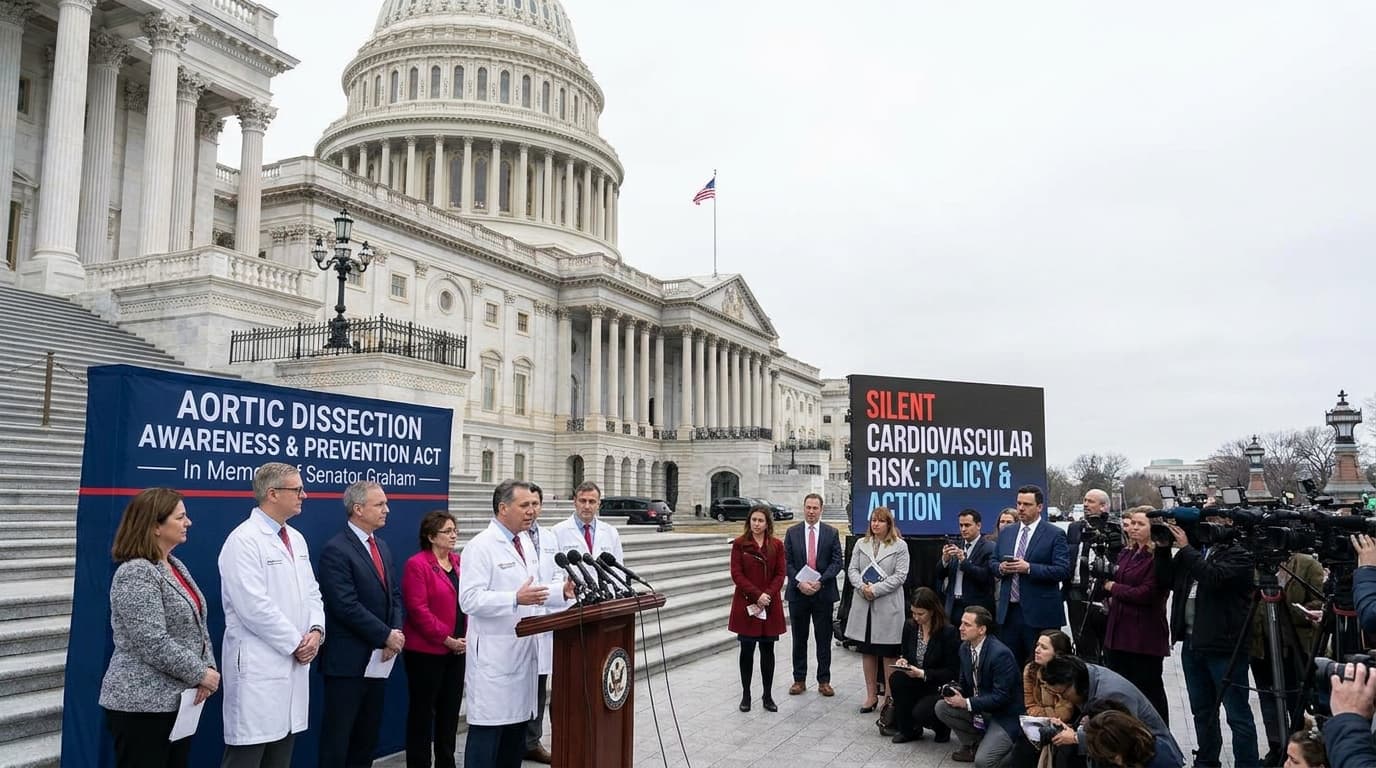 Jul 16, 2026
The sudden passing of a public figure due to an aortic dissection has refocused national attention on this elusive and devastating medical emergency. Often developing over years without symptoms, aortic dissection poses complex challenges for clinicians and policymakers seeking to mitigate risk and prevent mortality. This deep-dive explores what we know, where we fall short, and what solutions may lie ahead.
The Catalyst Brief
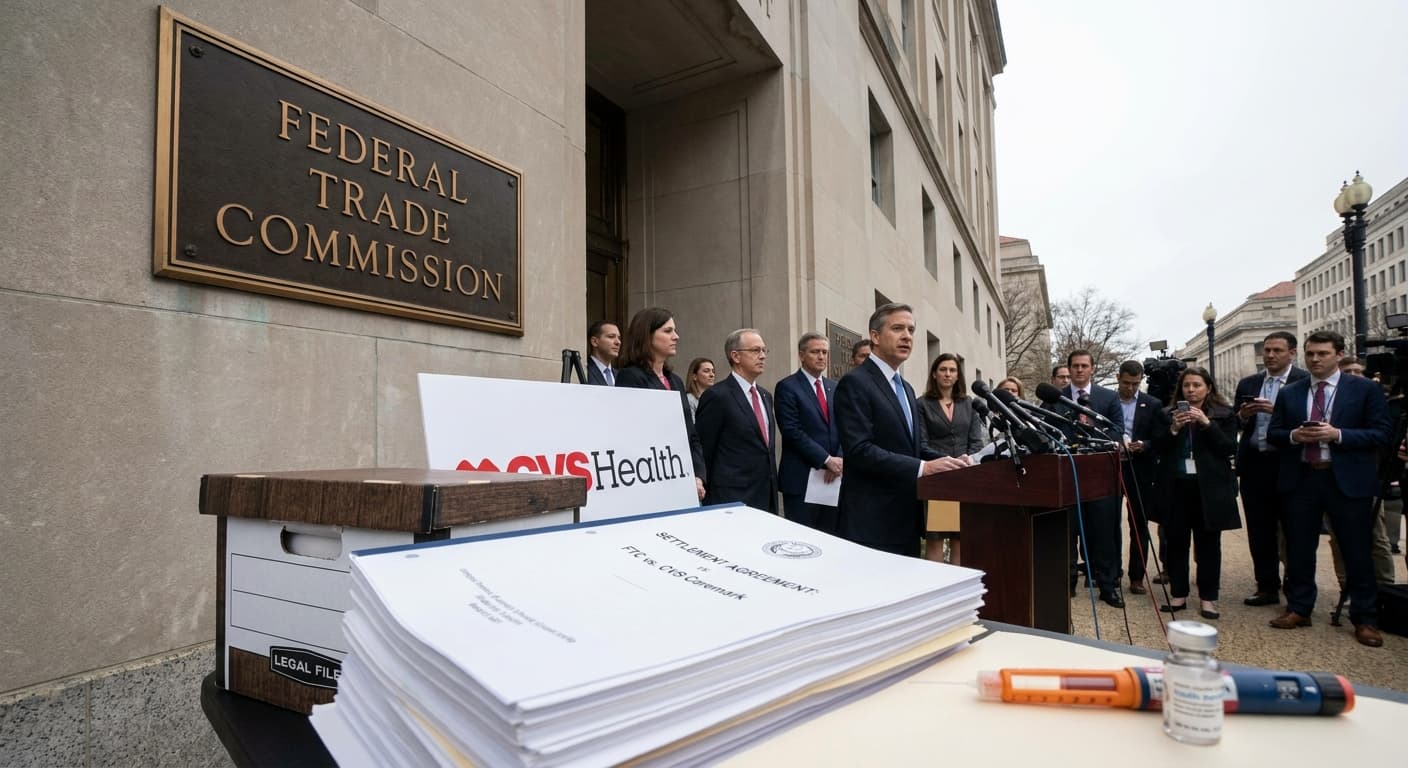 Jul 15, 2026
The FTC's decision to settle its high-profile lawsuit against CVS Caremark brings renewed attention to insulin pricing and the role of pharmacy benefit managers in the U.S. healthcare system. This article examines the alleged practices, settlement implications, and the broader policy debate over drug access and affordability.
The Catalyst Brief
 Jul 15, 2026
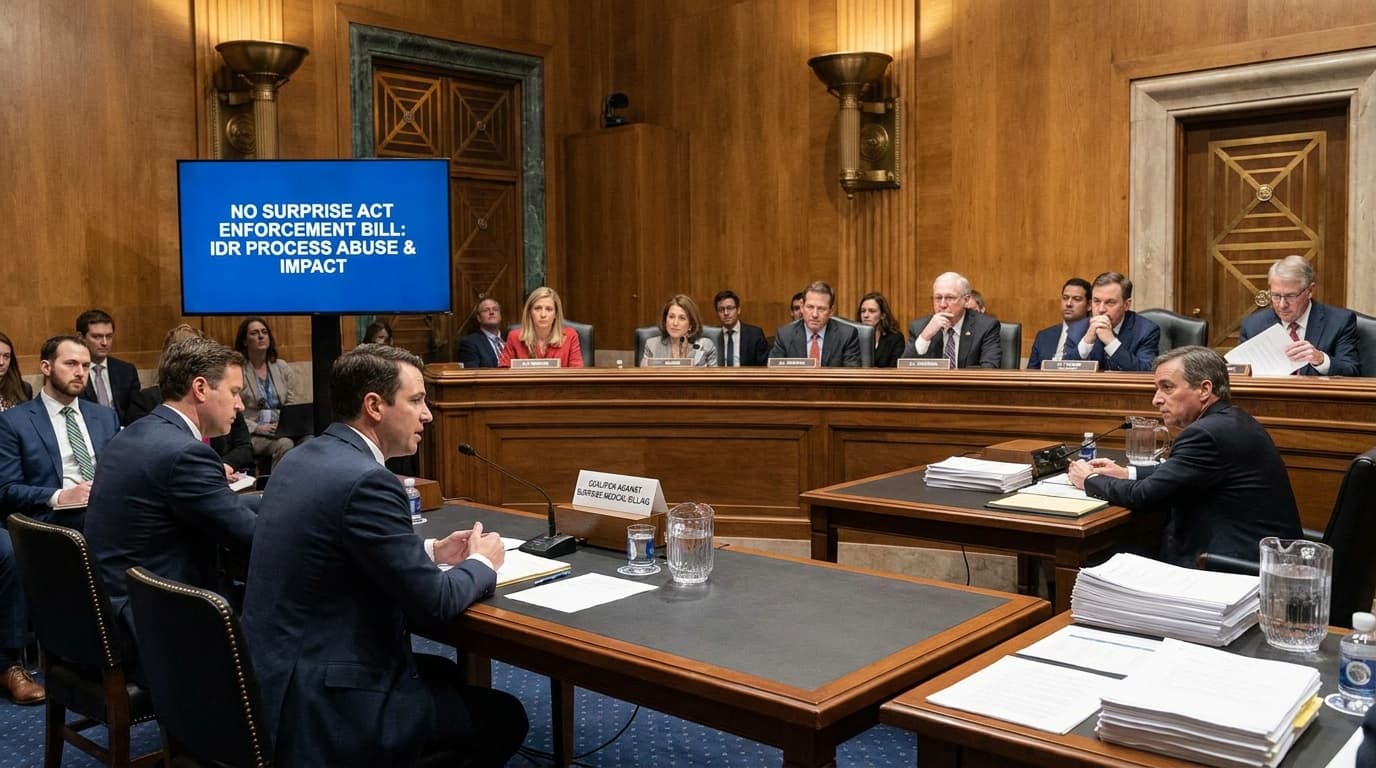
The Coalition Against Surprise Medical Billing has launched a campaign against new legislative efforts to enforce the No Surprises Act. Critics contend the enforcement bill could exacerbate existing problems with the IDR system, while policymakers argue for stronger patient protections.
The Catalyst Brief
 Jul 14, 2026
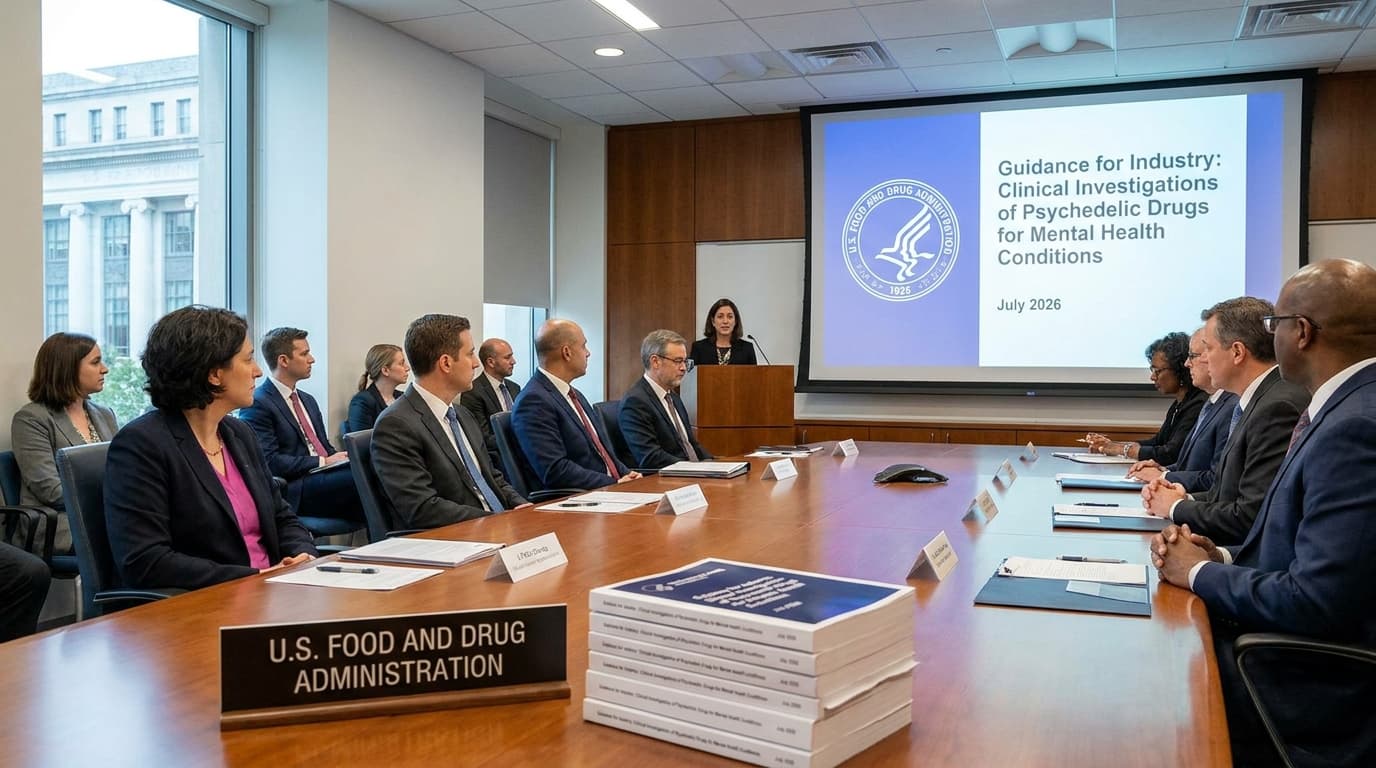
The U.S. FDA has issued final recommendations for the clinical development of psychedelic drugs in mental health, reflecting a shift toward regulatory receptivity. This comprehensive look assesses what these changes mean for the industry, the prospects for new therapies, and the implications for patients and innovation.
The Catalyst Brief
 Jul 14, 2026
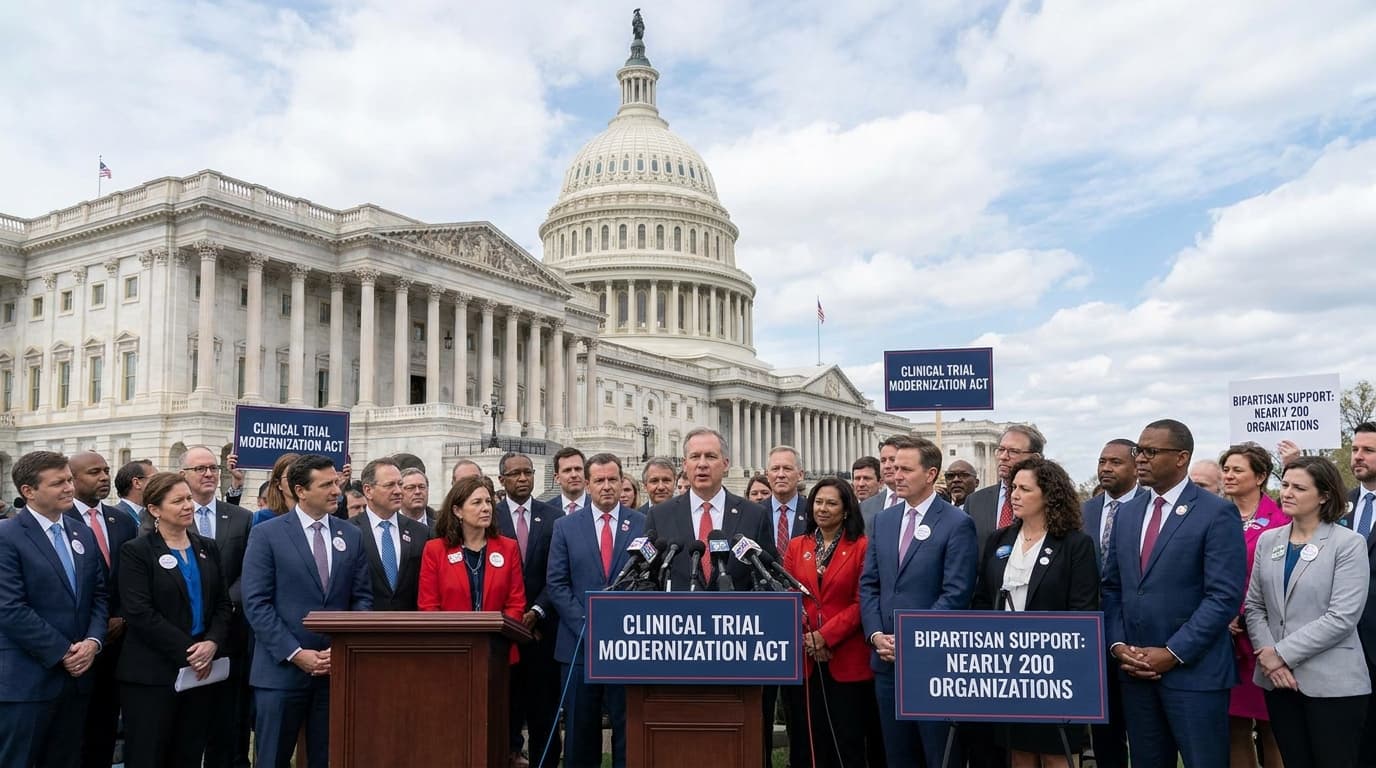
Close to 200 healthcare providers, patient advocates, and industry organizations have endorsed the Clinical Trial Modernization Act. The bill intends to tackle financial and systemic gaps in access to clinical research, bringing new hope for increasing diversity and participation in essential trials.
The Catalyst Brief
 Jul 13, 2026
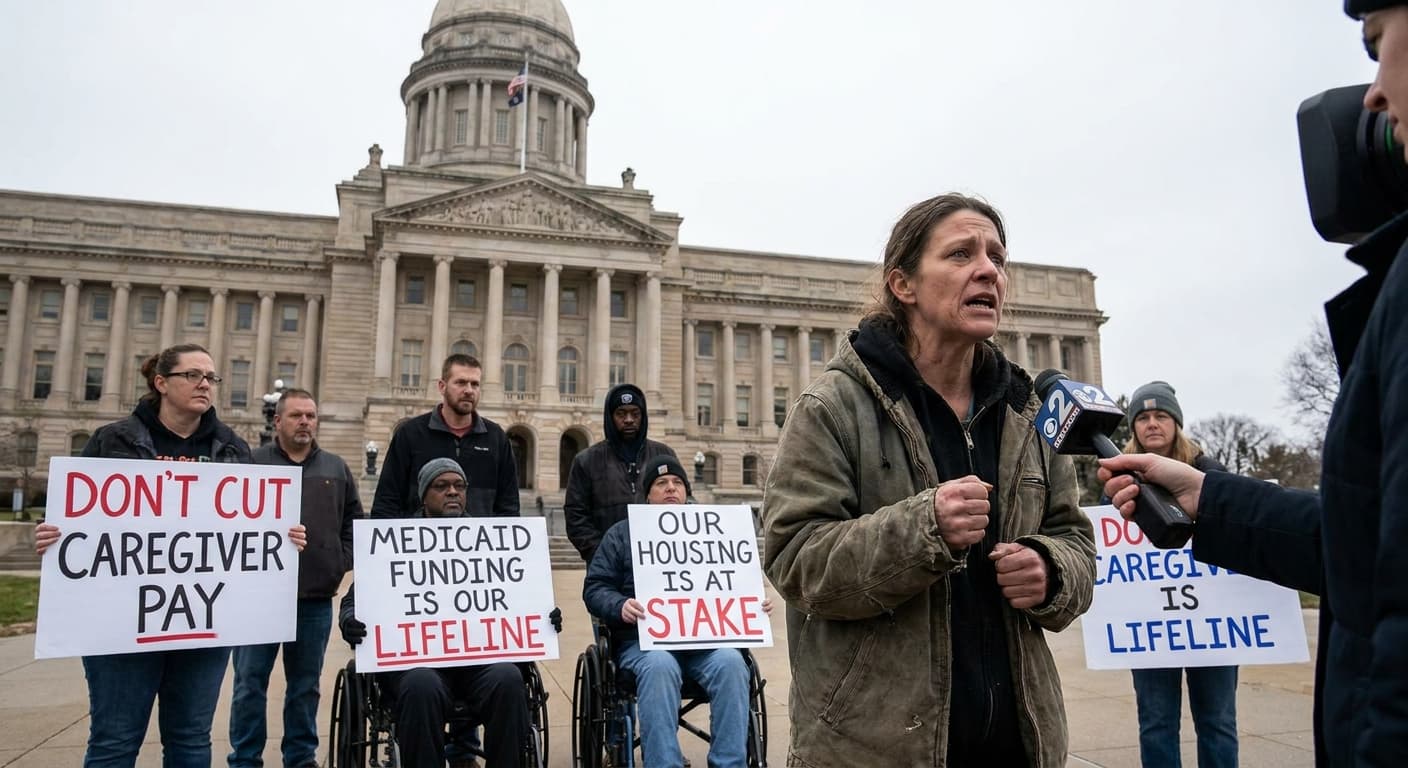
The intersection of state budgetary decisions and caregiver livelihoods is reaching a critical point. With several states weighing deep wage cuts for family caregivers employed via Medicaid, ripple effects threaten not only economic security, but also care continuity for people with disabilities. Stakeholders grapple with how policy, economics, and compassion entwine in the U.S. caregiving landscape.
The Catalyst Brief
 Jul 13, 2026
The strength of the FDA’s rare disease decisions depends in part on whether patient communities have a meaningful seat at the table during advisory committee meetings. As the drug development landscape evolves, the agency faces renewed calls for a patient-first vision that more formally integrates lived experience into regulatory assessment and approval.
The Catalyst Brief
 Jul 13, 2026
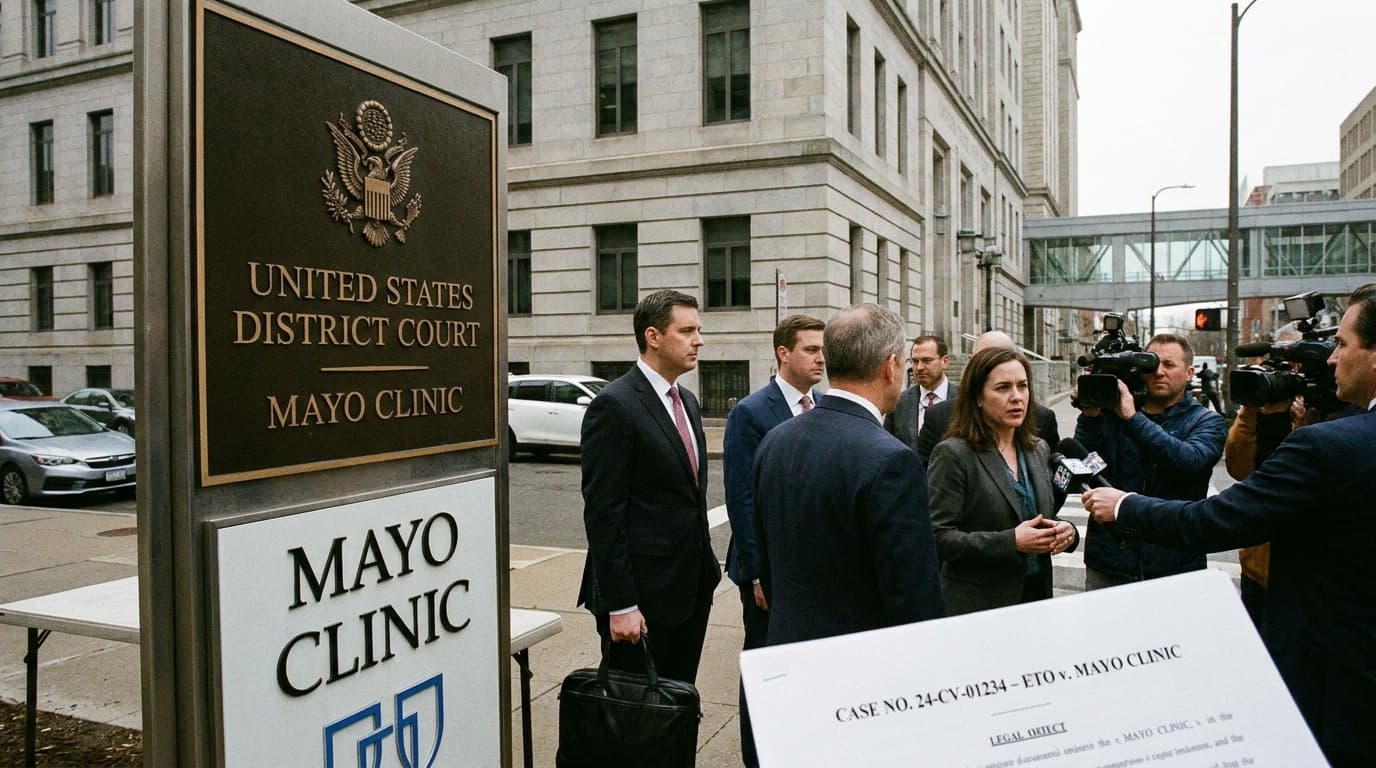
As AI technologies proliferate within healthcare institutions, a groundbreaking lawsuit filed by a former Mayo Clinic leader puts the spotlight on the balance between innovation, patient safety, institutional accountability, and the regulatory environment. With artificial intelligence playing an ever-expanding role in decision support and patient care, this case reflects the mounting tension between front-line experts and administrative priorities in large health systems.
The Catalyst Brief
 Jul 12, 2026
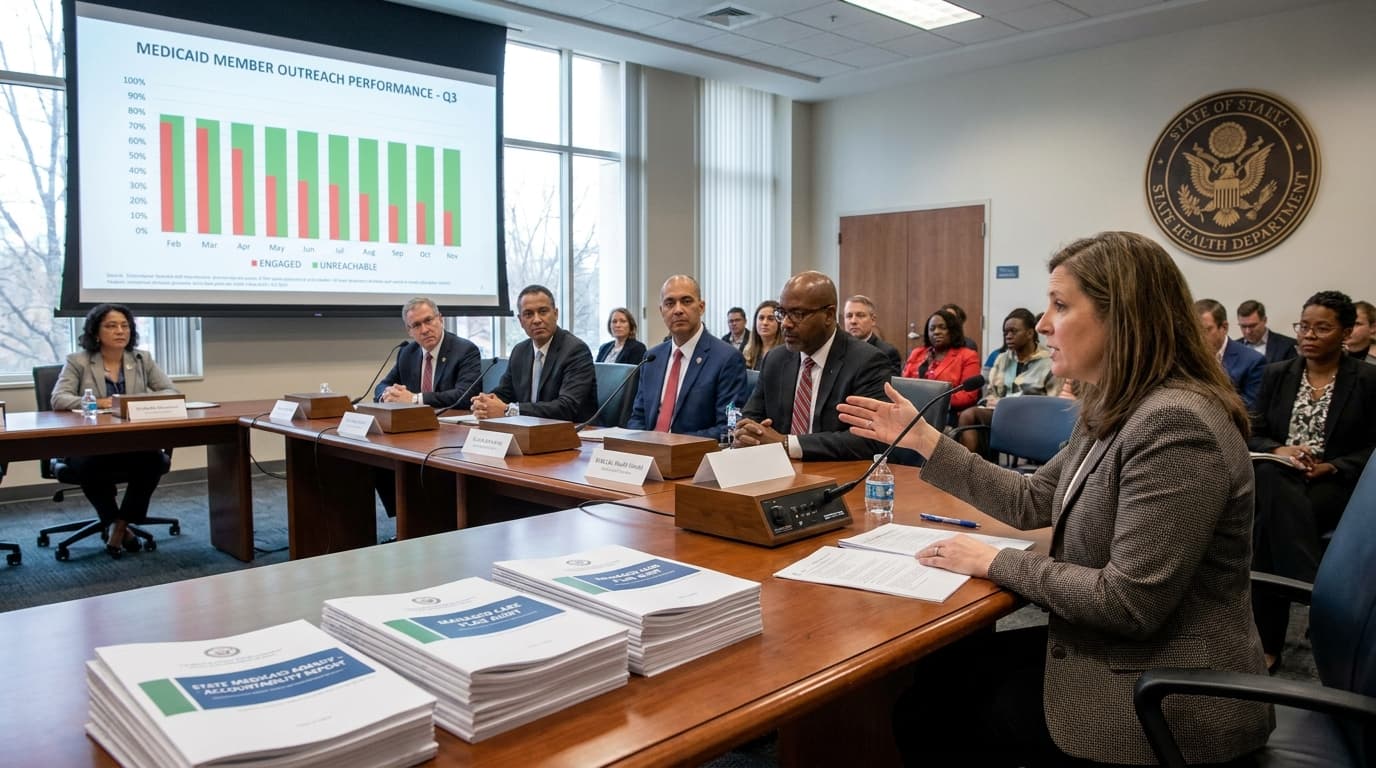
While Medicaid has expanded coverage and services, the real test for plans is increasingly about meaningful connection with their highest-need members. Outreach effectiveness, not just service provision, is now emerging as the next major frontier in performance assessment for public health insurers.
The Catalyst Brief
