 Jul 12, 2026
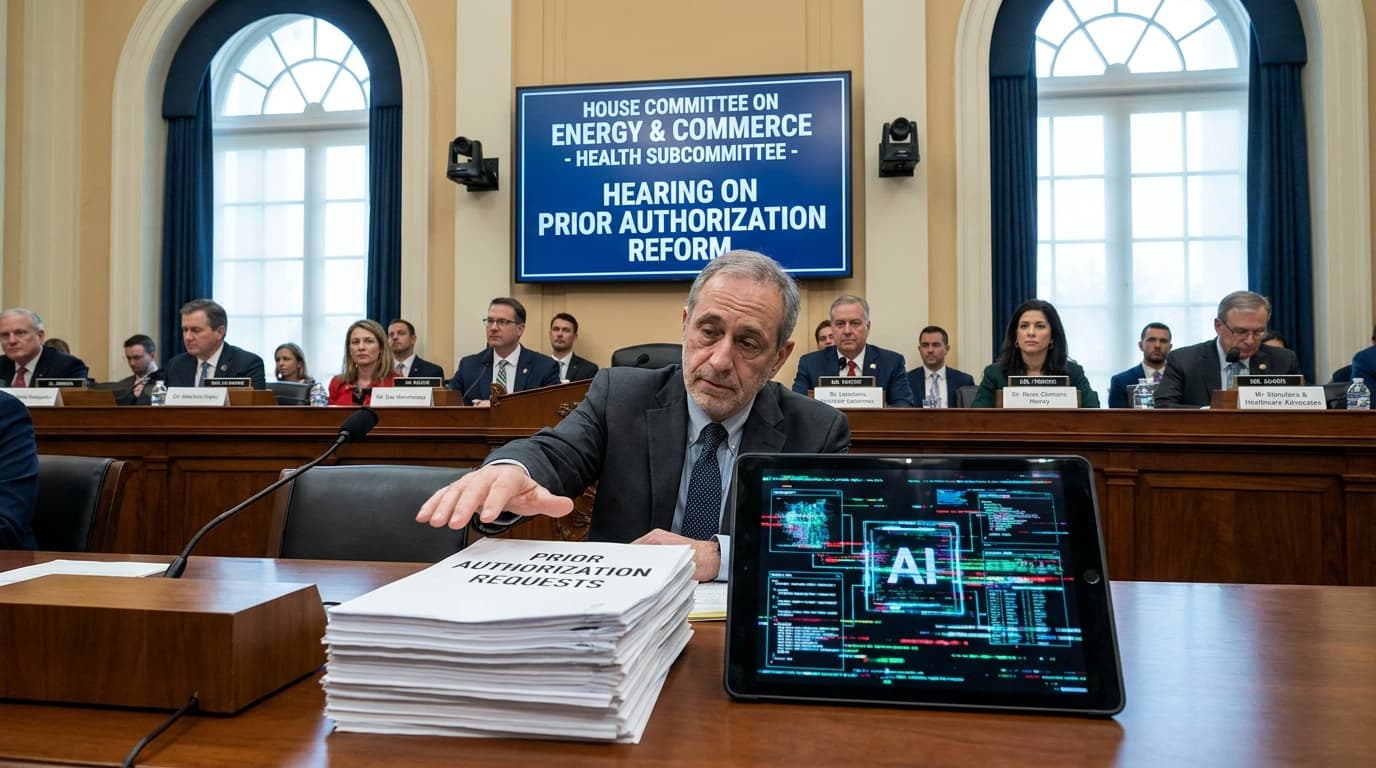
For more than thirty years, U.S. healthcare has wrestled with the contentious process of prior authorization. Despite fervent hopes that artificial intelligence will resolve its inefficiencies and inequities, the core battle remains deeply rooted in structural issues. This analysis examines why AI, despite its promise, cannot end the entrenched struggles surrounding prior authorization and what its implementation may actually bring to the table.
The Catalyst Brief
 Jul 10, 2026
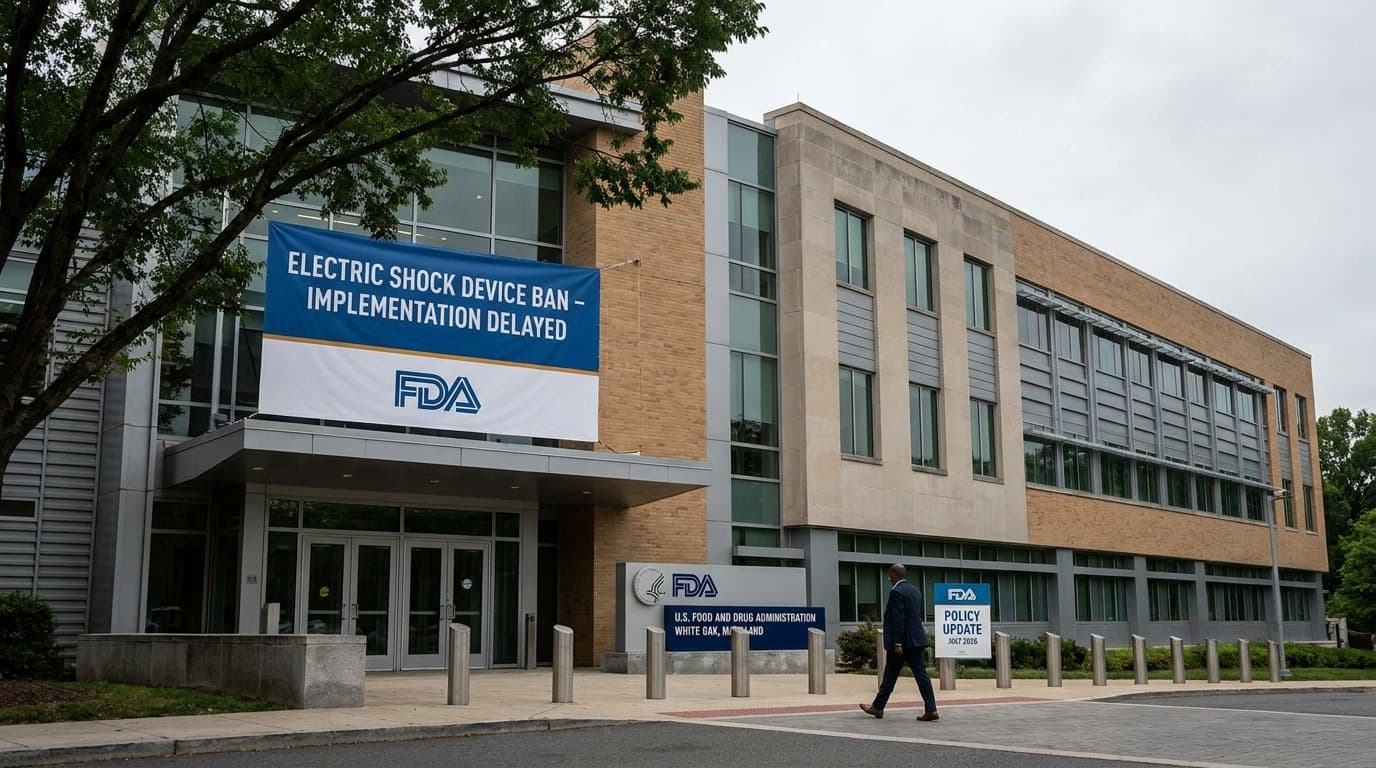
In a low-profile move, the Food and Drug Administration (FDA) has pushed back the deadline to implement its ban on electric shock devices utilized to manage self-injurious and aggressive behaviors. This delay—occurring amid heightened tensions between regulatory oversight and patient rights—highlights broader challenges facing U.S. regulatory practice and behavioral healthcare.
The Catalyst Brief
 Jul 10, 2026
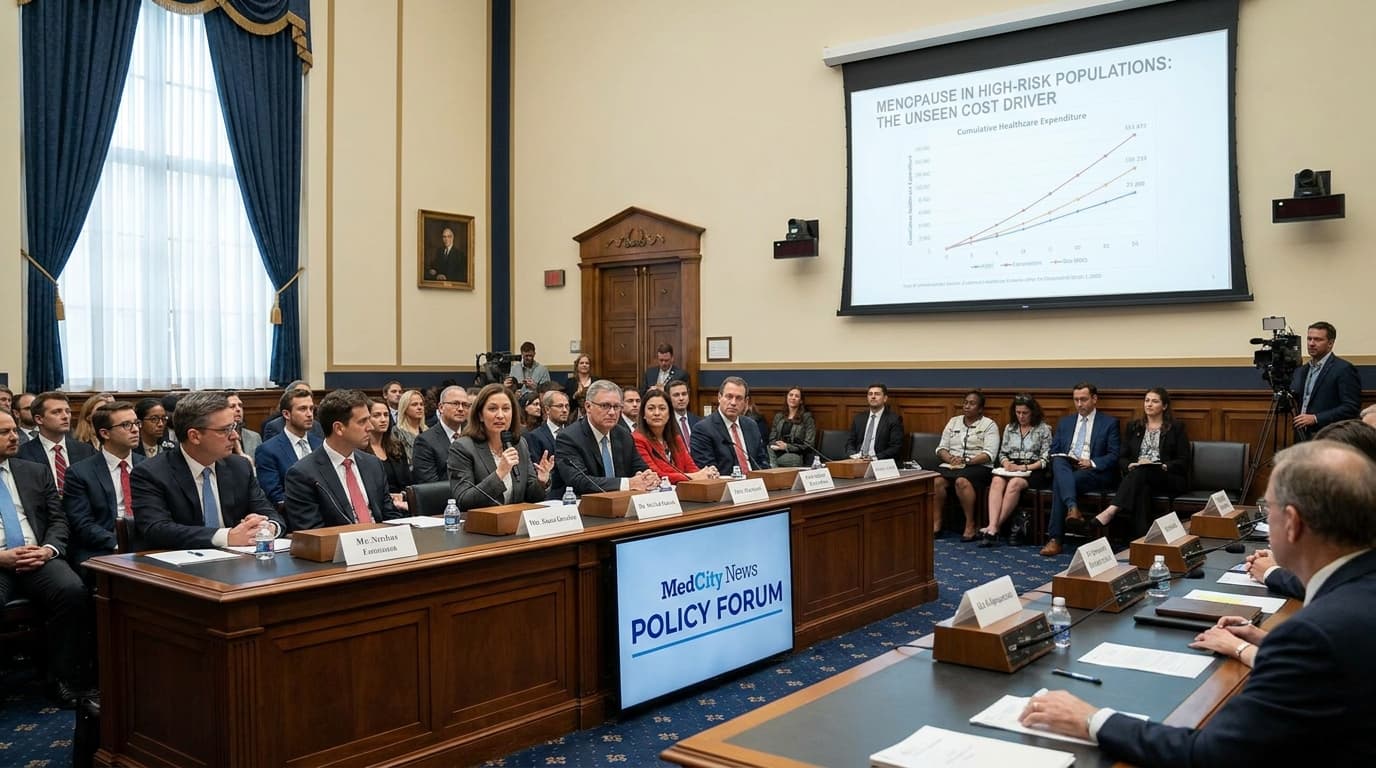
The intersection of menopause and chronic disease presents unique challenges for high-risk patients and the healthcare system at large. Despite its prevalence, menopause remains under-recognized as a cost driver, with multifaceted effects on disease management, quality of life, and healthcare spending. In-depth analysis reveals that its impact stretches beyond visible symptoms, seeping into care complexity, treatment plans, and long-term health economics.
The Catalyst Brief
 Jul 9, 2026
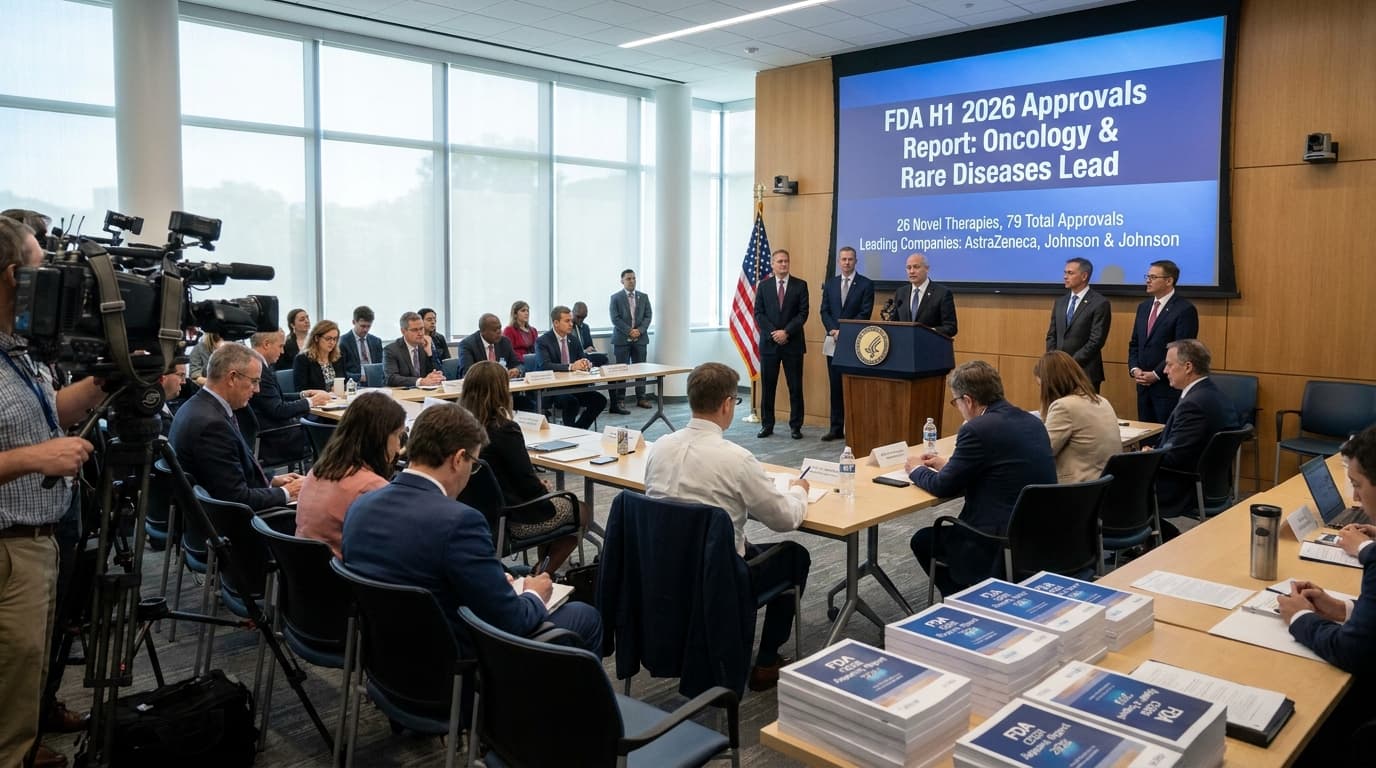
The U.S. Food and Drug Administration approved 26 new therapies during the first six months of 2026, with oncology and rare diseases accounting for a significant proportion. This report contextualizes these figures, highlights industry implications, and examines the outsize role played by AstraZeneca and Johnson & Johnson during this period.
The Catalyst Brief
 Jul 9, 2026
The U.S. Food and Drug Administration has temporarily halted its disclosure of Complete Response Letters (CRLs) following a formal citizen petition from an unnamed pharmaceutical company. The petition claims the agency’s transparency policy overrides longstanding regulatory conventions and may raise new questions about the balance between public information and proprietary business interests.
The Catalyst Brief
 Jul 9, 2026
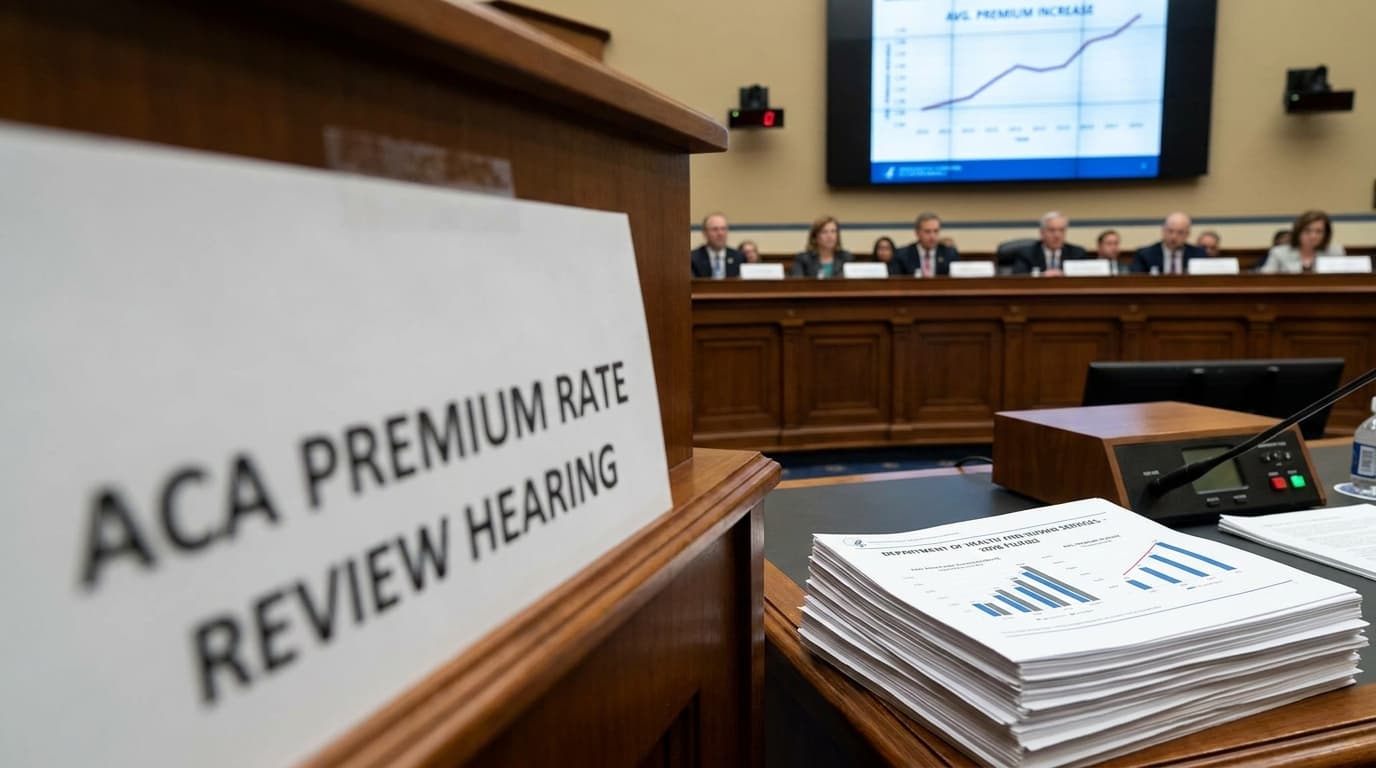
The Affordable Care Act (ACA) marketplace is facing intensified pressures as insurers propose another round of double-digit premium increases. This pattern, echoing last year’s trends, is attributed to rising healthcare costs and shifting federal policy. Coupled with declining enrollment, the developments may have sweeping implications for policyholders, payers, and policymakers.
The Catalyst Brief
 Jul 8, 2026
After months of unsuccessful contract talks, nurses at Brigham and Women’s Hospital have launched a strike with wide-reaching implications—for patient care, hospital operations, and labor policy in U.S. healthcare. The dispute marks a significant moment for labor activism in medicine and spotlights broader workforce challenges.
The Catalyst Brief
 Jul 8, 2026
With the decision for a new FDA commissioner imminent, the White House is vetting a shortlist of candidates poised to shape the regulatory landscape for drugs, devices, and public health policy. This appointment comes at a pivotal time for the agency amid rapid technological, scientific, and political changes.
The Catalyst Brief
 Jul 8, 2026
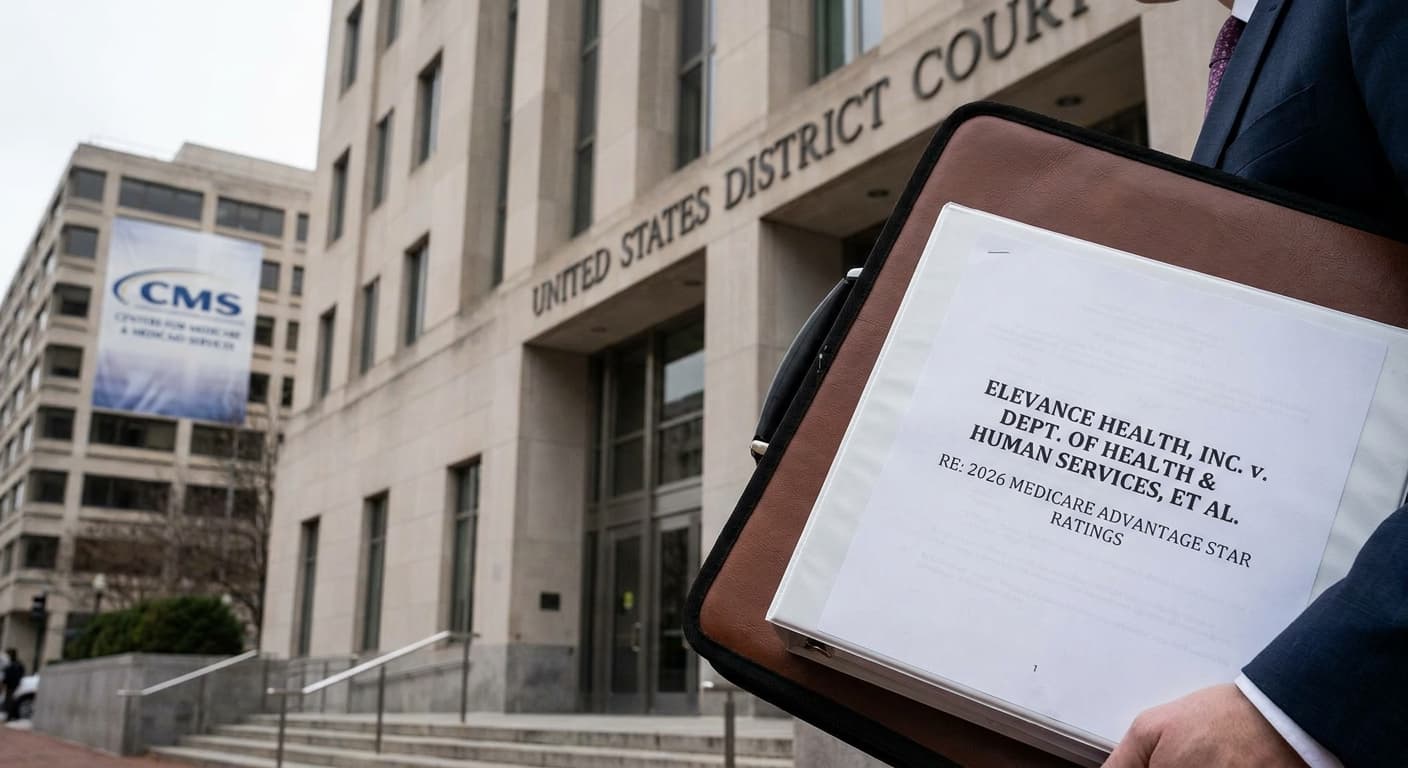
A new lawsuit by Elevance against HHS and CMS puts the spotlight on regulatory processes governing the crucial Medicare Advantage Star Ratings. The case underscores the growing scrutiny of how these ratings are calculated and whether all companies receive equal treatment under federal oversight.
The Catalyst Brief
 Jul 7, 2026
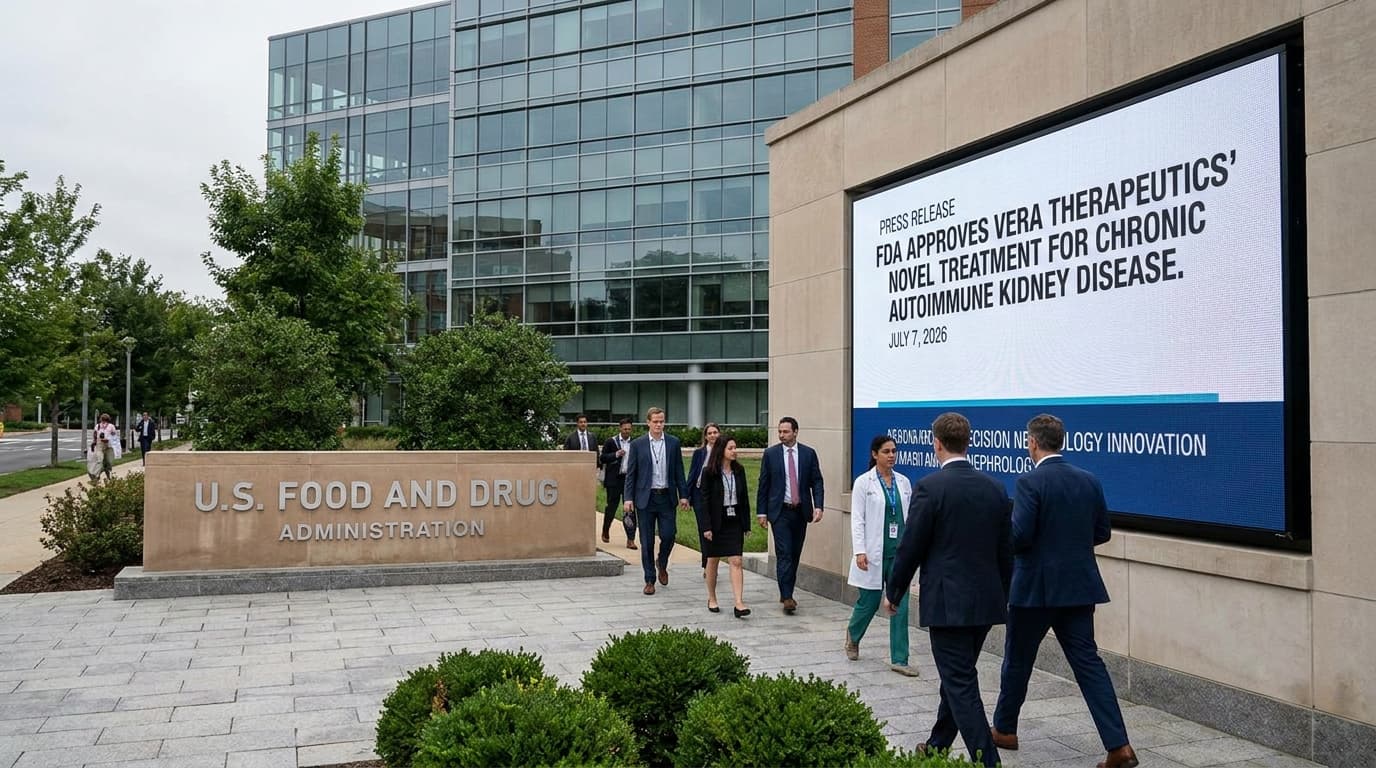
Vera Therapeutics has received FDA approval for a new therapy aimed at patients suffering from a type of chronic autoimmune kidney disease. This decision reflects the agency’s ongoing evaluation of therapies for underserved conditions and underscores both clinical promise as well as the administrative landscape shaping patient access.
The Catalyst Brief
 Jul 7, 2026
In an era when the idea of Ebola becoming an enduring presence in parts of Africa was once unthinkable, the current situation in countries such as the Democratic Republic of Congo and Uganda is forcing a critical reassessment. Could Ebola evade control and become a standing, unsolvable public health threat? This piece explores that sobering scenario, the stakes for local and global health authorities, and the lessons that must guide future response.
The Catalyst Brief
 Jul 7, 2026
The Centers for Medicare & Medicaid Services has released its draft 2027 outpatient payment rule, proposing fundamental changes that reshape the hospital reimbursement landscape. Key provisions include a 2.4% base rate increase, further restrictions on 340B drug payments, and new site-neutral payment rules for off-campus imaging. Healthcare providers warn that the proposed rule may tip many hospitals into negative margins.
The Catalyst Brief
