 Jun 15, 2026
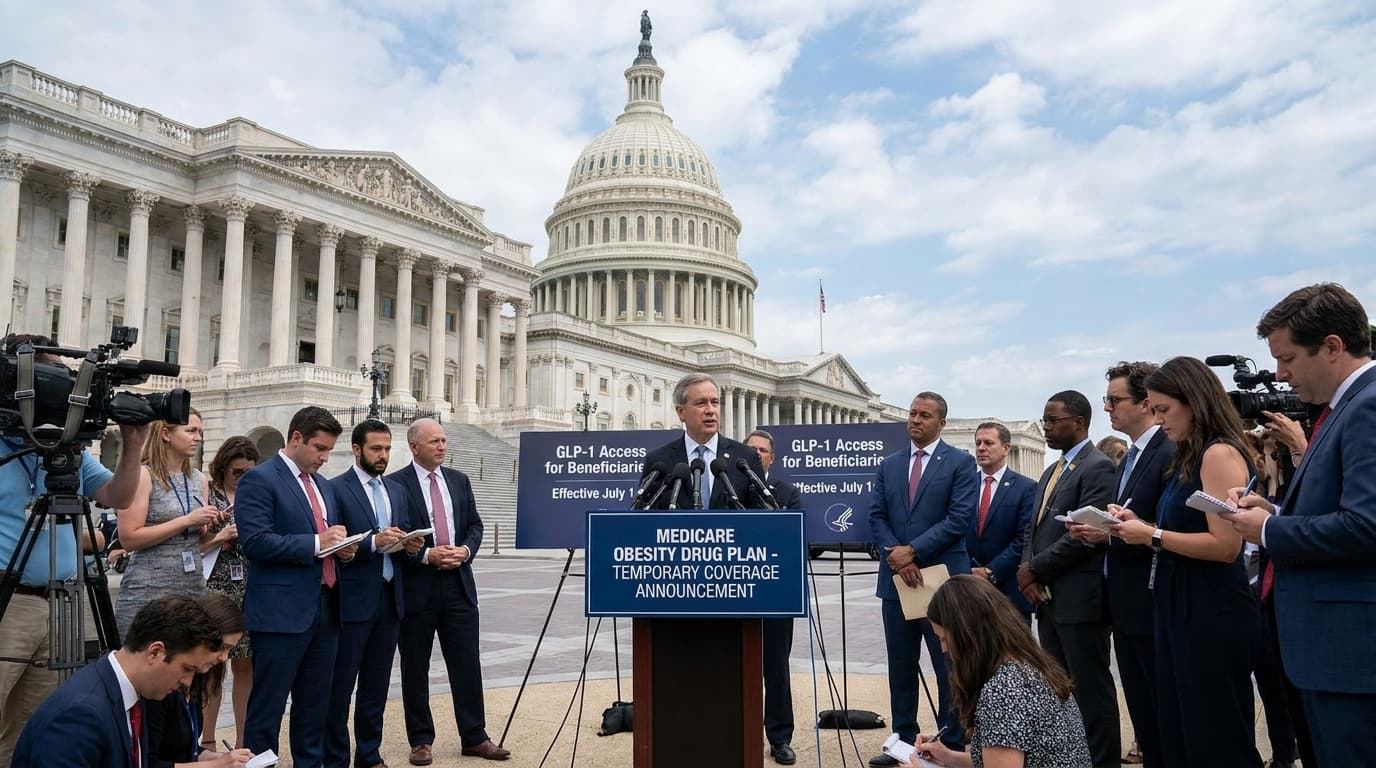
Beginning July 1, Medicare will temporarily provide GLP-1 obesity drugs for a $50 copay. While leaders call it a bridge program, the real-world implications suggest that winding it down may prove politically and practically difficult, reshaping national dialogue on obesity, drug costs, and entitlement reform.
The Catalyst Brief
 Jun 15, 2026
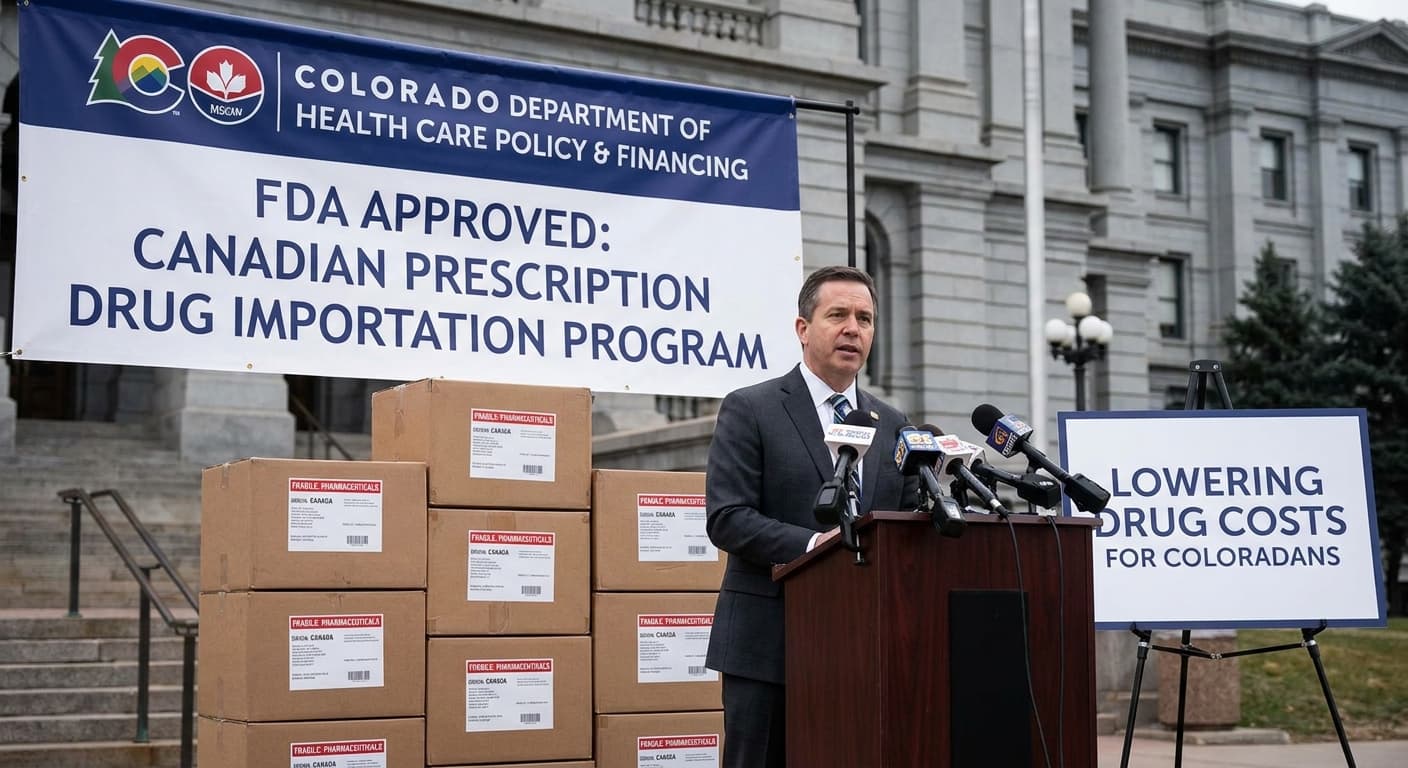
With the FDA's endorsement, Colorado will become a testing ground for drug importation aimed at reducing prescription costs for residents. The initiative’s success or failure could inform national strategies and reshape industry approaches to cross-border pharmaceutical policy.
The Catalyst Brief
 Jun 15, 2026
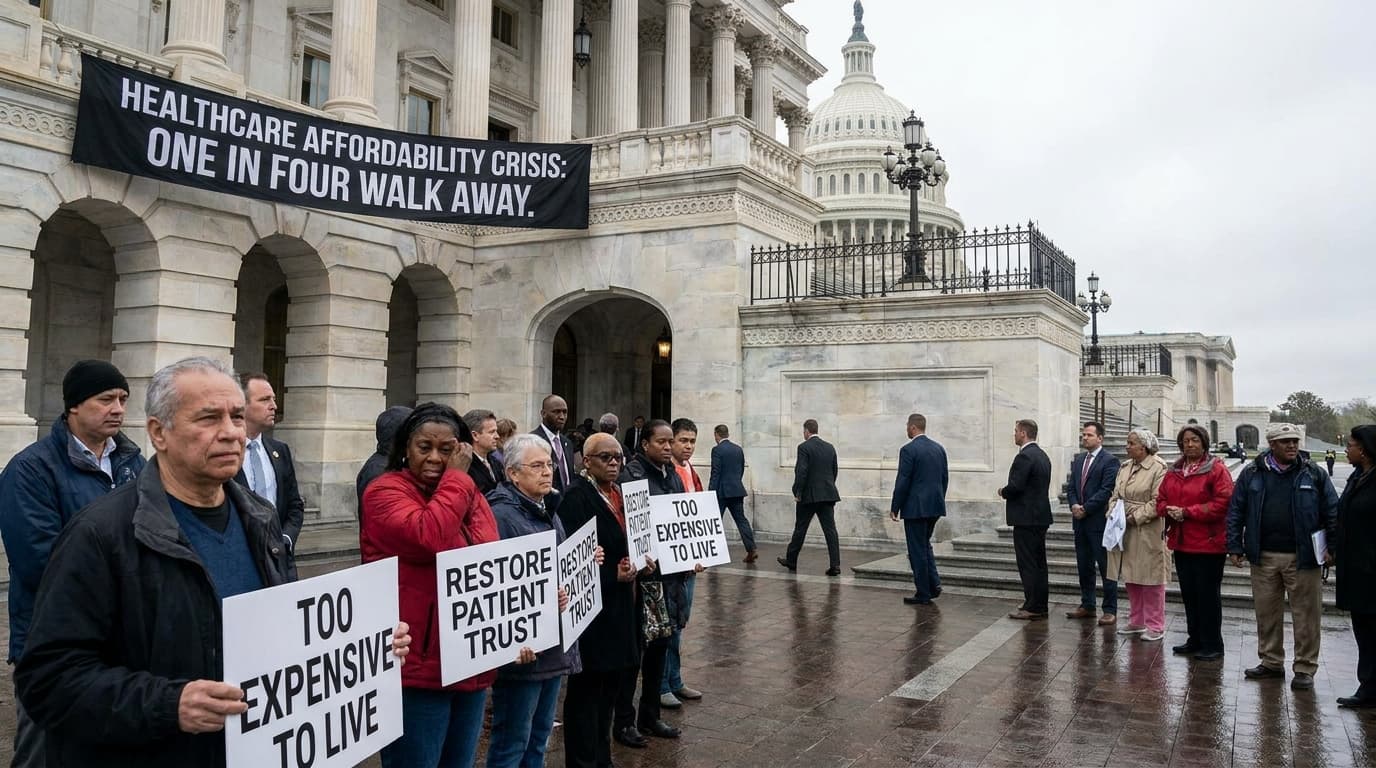
The healthcare affordability crisis is quietly eroding trust in the U.S. medical system, with one in four Americans opting out of care. Experts and industry leaders are now exploring transformative ideas that genuinely start with patient needs and priorities, challenging longstanding assumptions.
The Catalyst Brief
 Jun 15, 2026
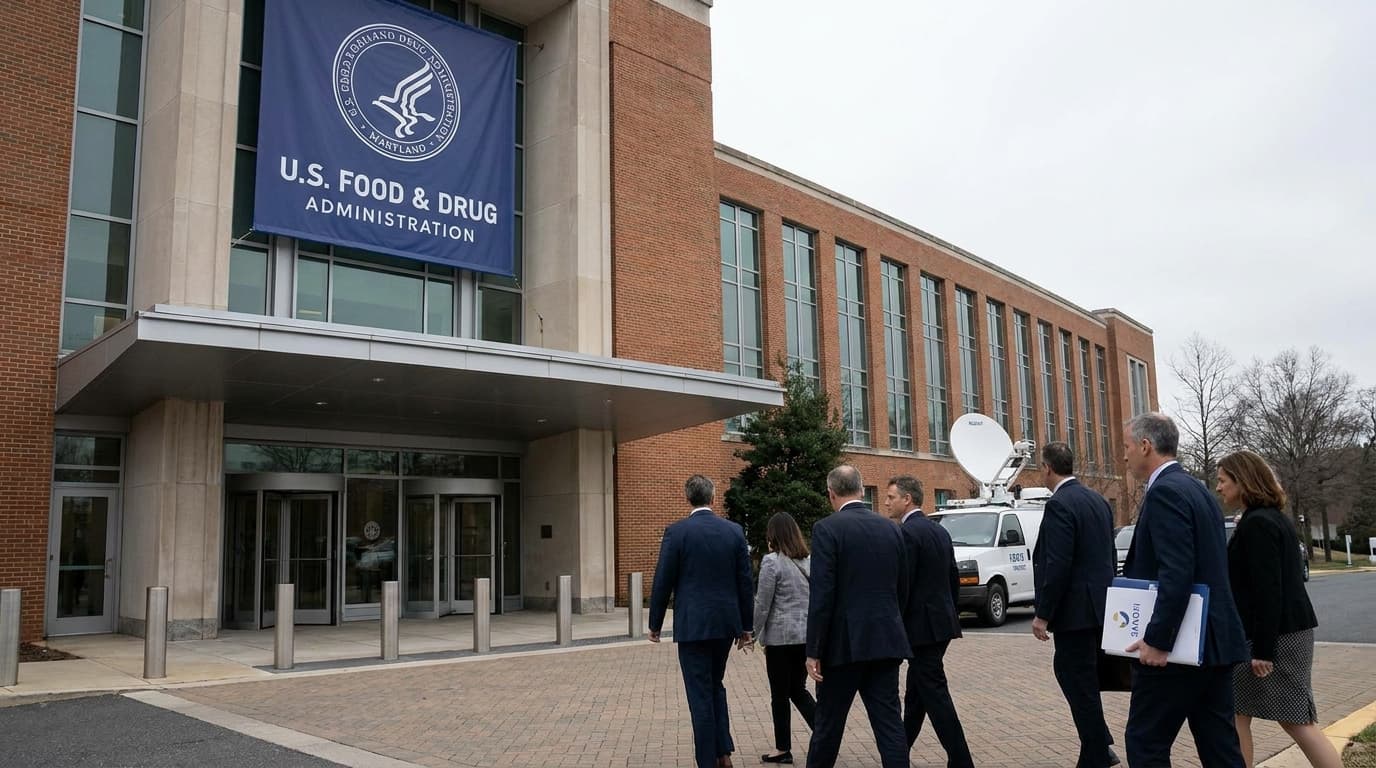
Sanofi secured approval for Tzield in treating type 1 diabetes following a strategic withdrawal from the Commissioner’s National Priority Voucher program, which highlights the evolving regulatory landscape and ongoing scrutiny around expedited drug development programs.
The Catalyst Brief
 Jun 15, 2026
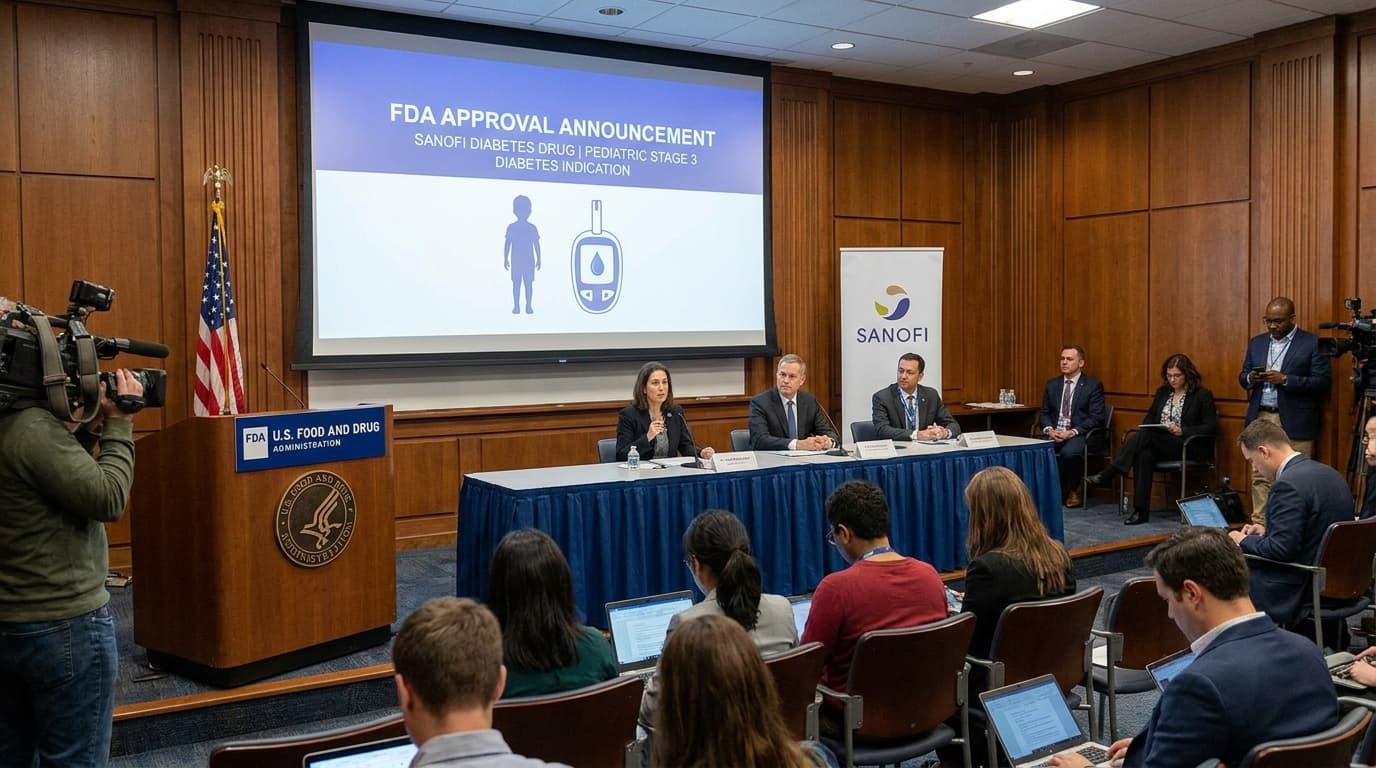
After a period of internal FDA discord, Sanofi's innovative diabetes therapy receives approval for pediatric patients with stage 3 diabetes. The decision could redefine standards of diabetes care for young patients and highlights the evolving landscape of drug regulatory oversight.
The Catalyst Brief
 Jun 12, 2026
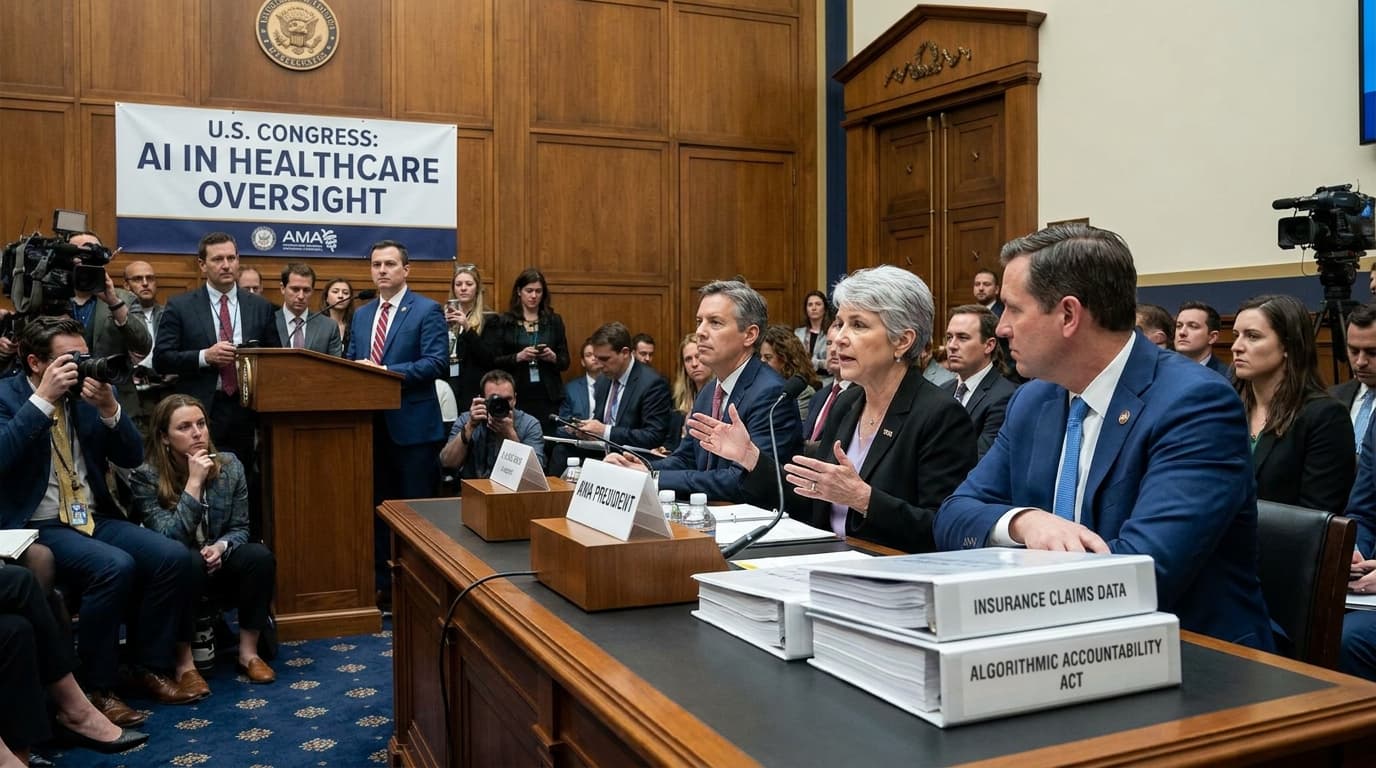
Growing reliance on artificial intelligence in health insurance claim adjudication has prompted significant pushback from both the American Medical Association and lawmakers. As debates intensify, oversight and scrutiny of AI in healthcare administration are reaching a pivotal climax—with profound implications for patient care, provider autonomy, and the role of industry watchdogs.
The Catalyst Brief
 Jun 11, 2026
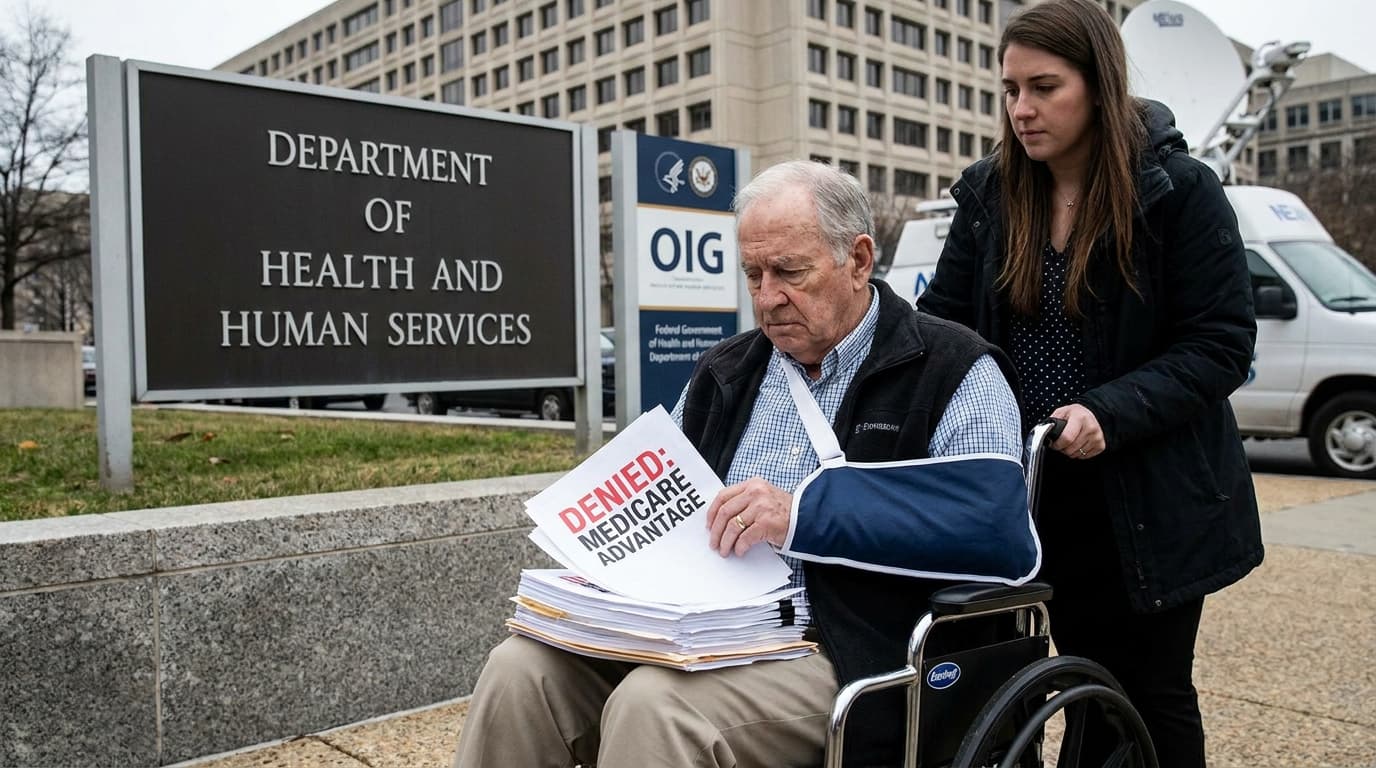
Federal investigators have found that Medicare Advantage plans are delaying or denying rehabilitation care to older adults, a practice that is frequently reversed only after an appeal. The regulatory findings underscore persistent issues in how private plans administer government-funded care and raise critical questions about oversight, appeals processes, and the broader implications for seniors who rely on these plans for essential health services.
The Catalyst Brief
 Jun 10, 2026
The evolving regulatory journey of Disc’s rare blood disease drug, bitopertin, underscores both the challenges and opportunities inherent in bringing innovative therapies for rare diseases to market. A recent FDA meeting has clarified the agency’s expectations for resubmission and review after earlier rejection, potentially reinvigorating the development pathway for this embattled medication.
The Catalyst Brief
 Jun 10, 2026
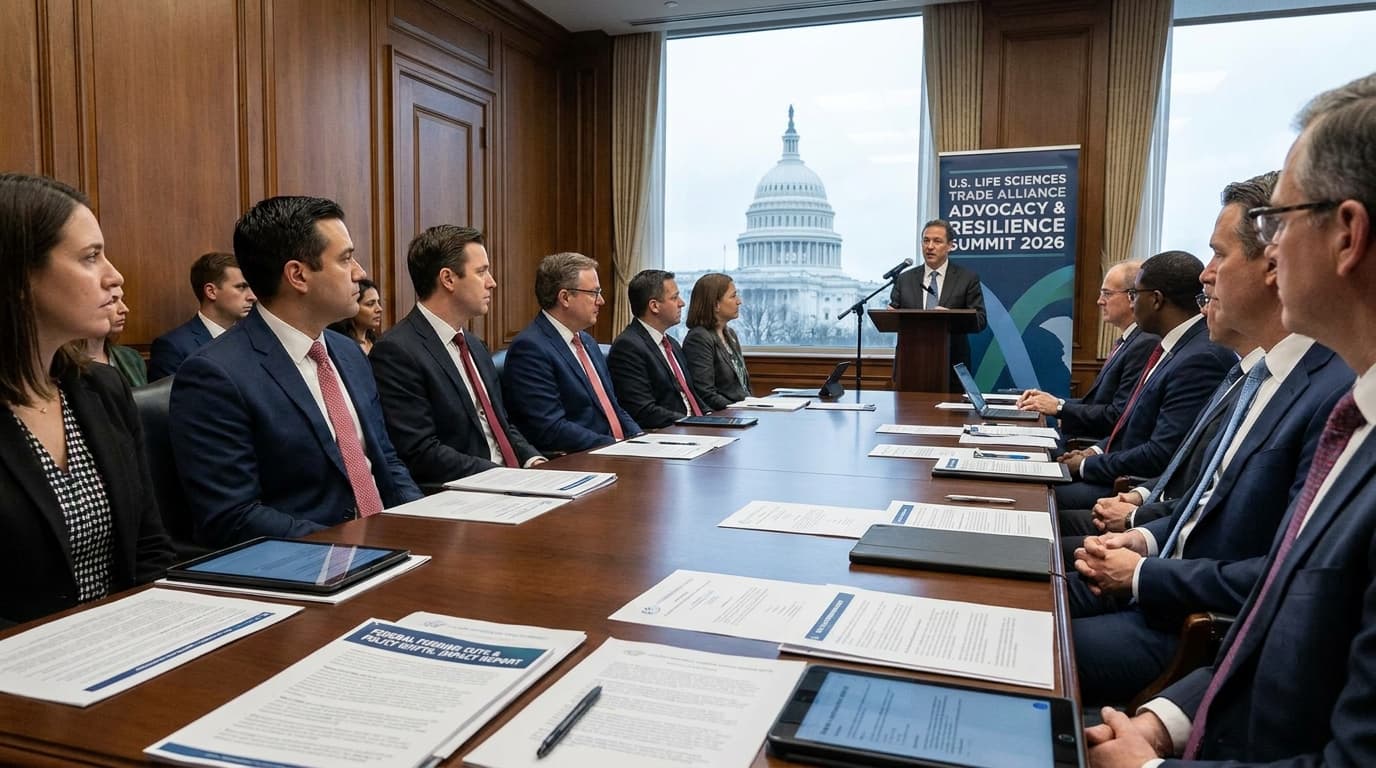
Policy volatility and reduced federal budgets are reshaping the U.S. life sciences landscape. This article explores how local trade organizations are taking on a pivotal support role, deploying resources and advocacy efforts to help companies weather the storm and preserve America’s leadership in biomedical innovation.
The Catalyst Brief
 Jun 10, 2026
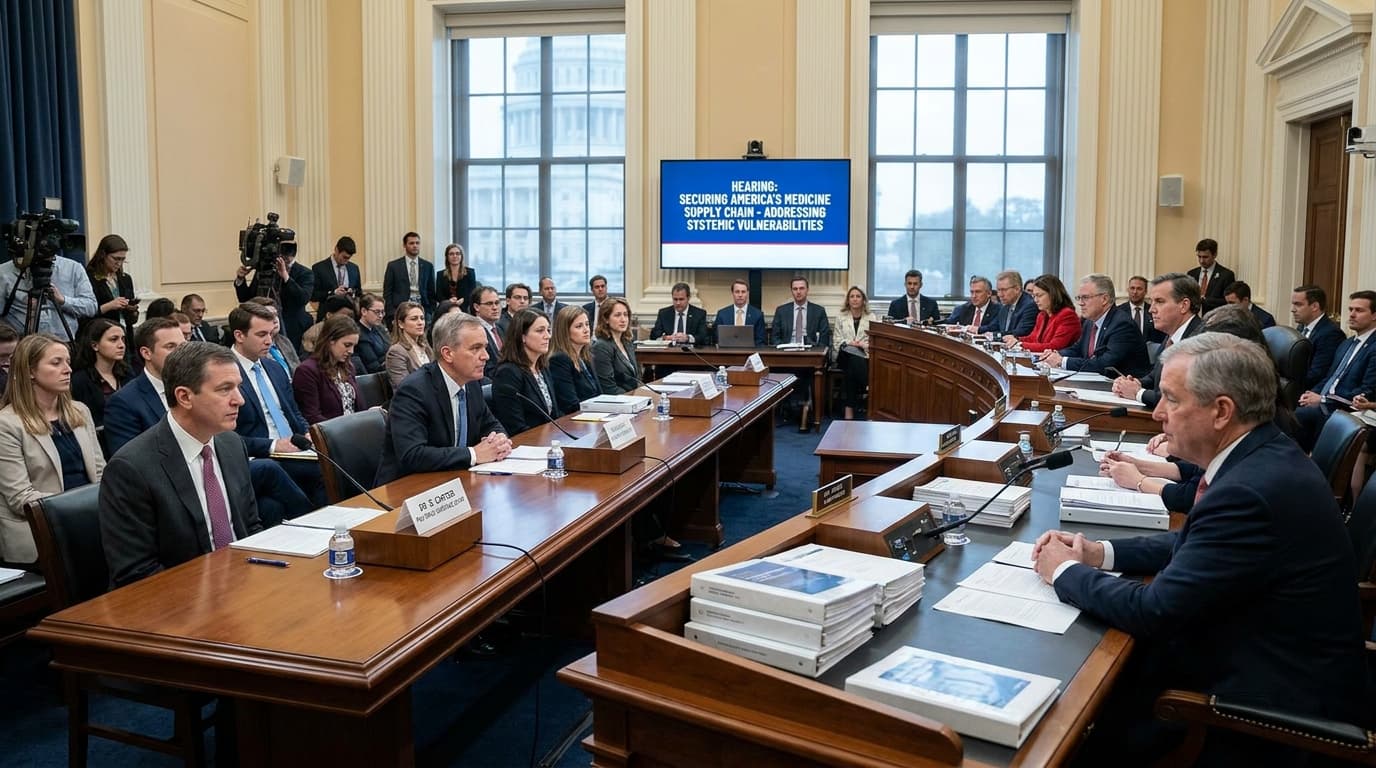
While the number of drugs in shortage dipped in 2025, the United States continues to grapple with a deeply rooted issue in prescription medicine supply. This blog explores the multifactorial drivers of drug shortages, the public health consequences, and the complex web of policy, industry practices, and global market influences that fuel an ongoing crisis for providers and patients.
The Catalyst Brief
 Jun 9, 2026
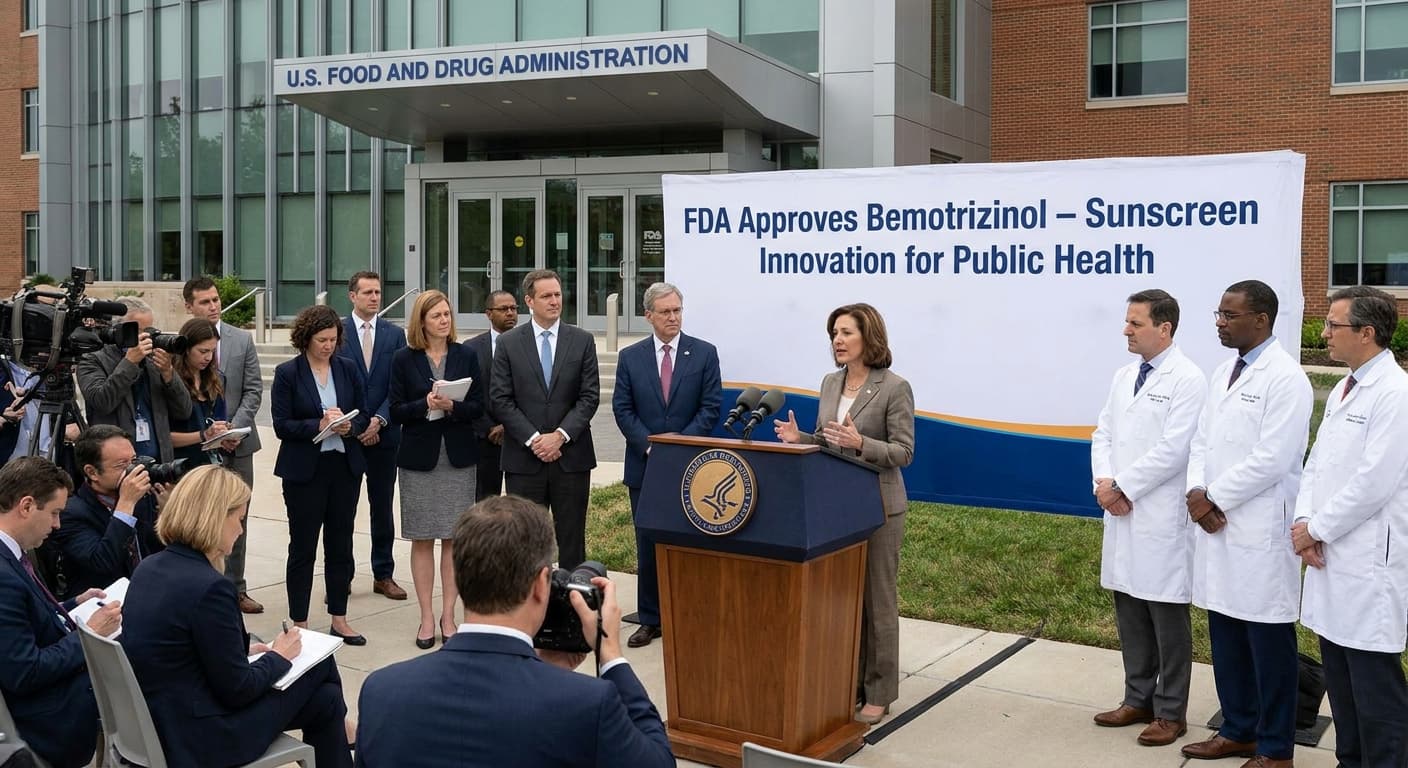
Federal regulators' decision to approve a novel sunscreen ingredient, bemotrizinol, signals a critical benchmark for sun safety in the United States. This policy move could reshape how the public and dermatology experts approach UV protection, with ramifications that extend across consumer health, industry innovation, and regulatory practice.
The Catalyst Brief
 Jun 9, 2026
Since the last major Ebola outbreak, substantial shifts have occurred in how governments, international agencies, and health systems approach disease containment, surveillance, and data use. This article delves into the lessons learned, the challenges persisting, and the changes defining our current response to Ebola.
The Catalyst Brief
