 Jun 9, 2026
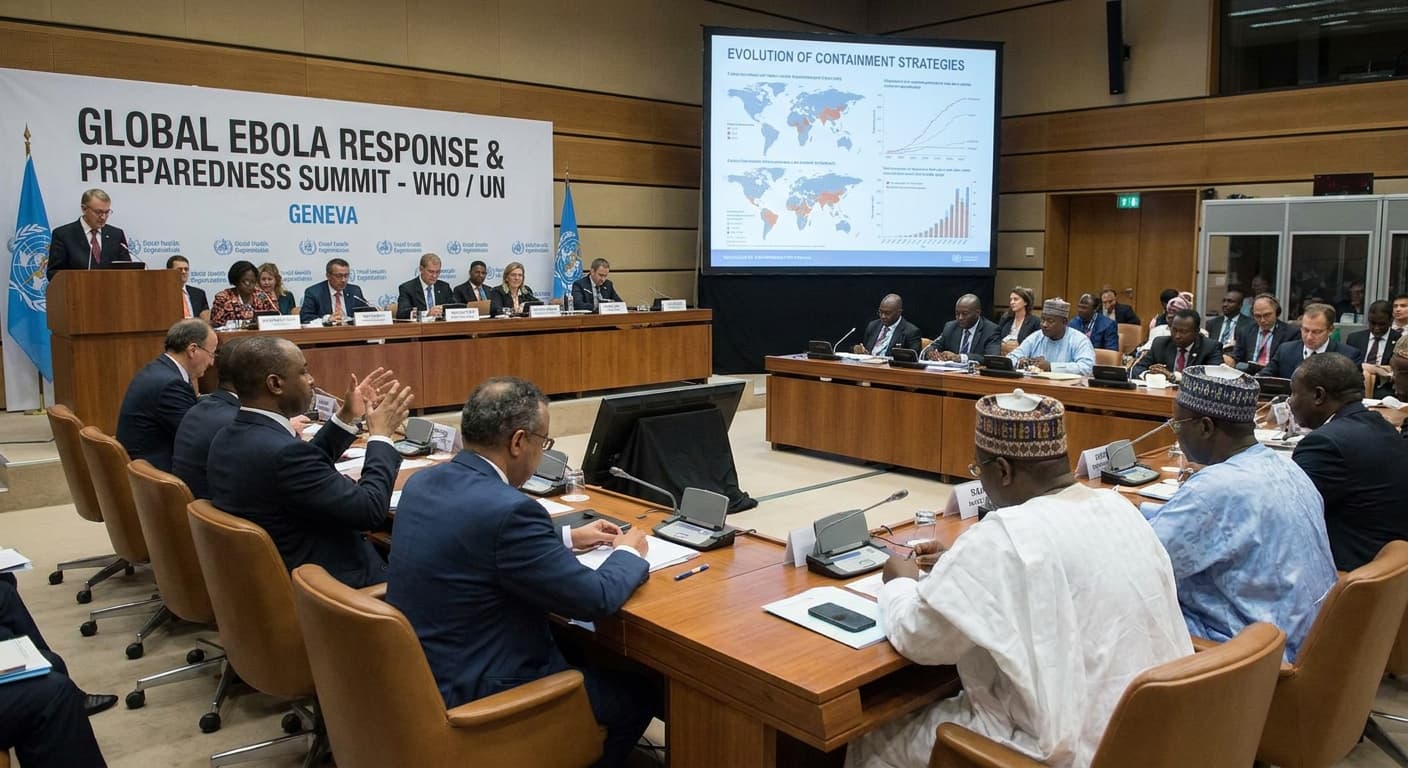
Since the last major Ebola outbreak, substantial shifts have occurred in how governments, international agencies, and health systems approach disease containment, surveillance, and data use. This article delves into the lessons learned, the challenges persisting, and the changes defining our current response to Ebola.
The Catalyst Brief
 Jun 9, 2026
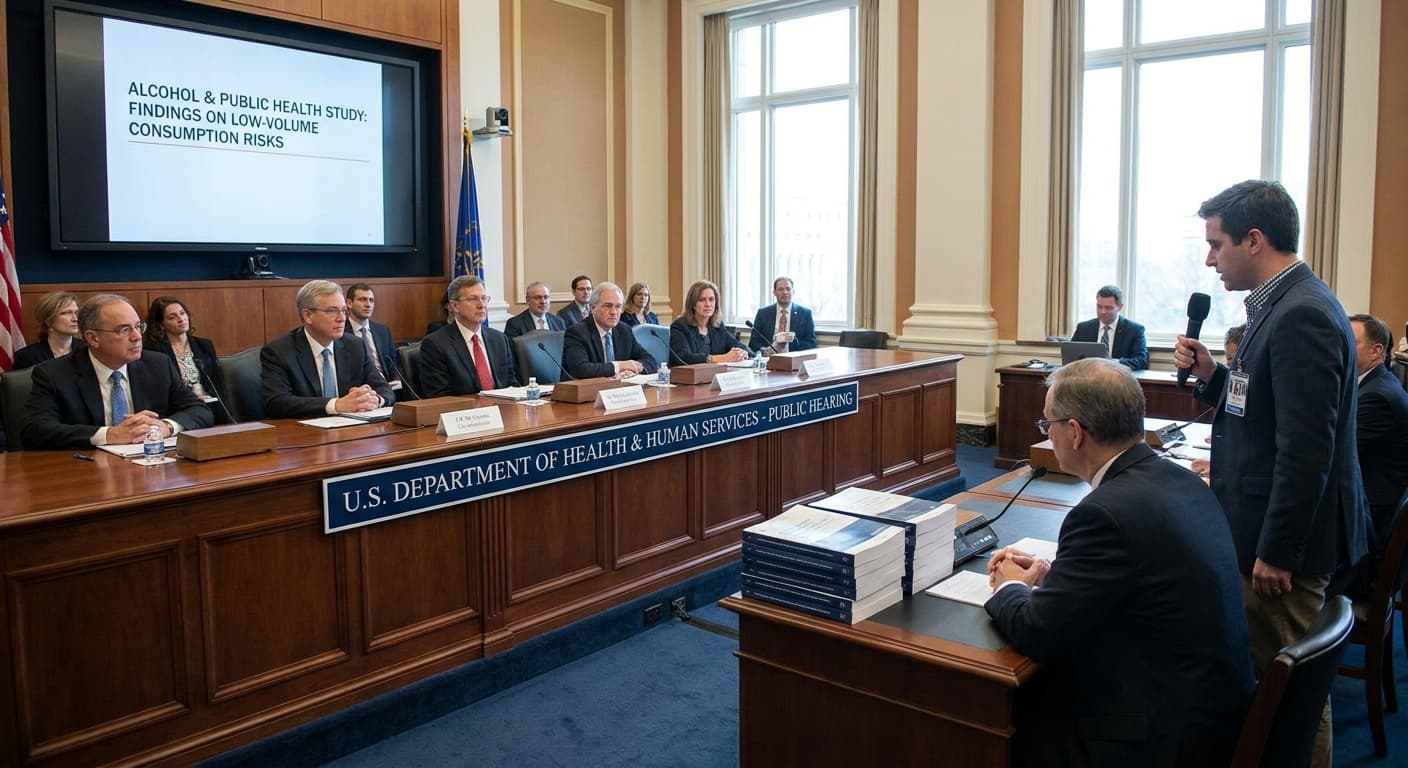
A major study on alcohol’s health risks, originally intended to inform U.S. dietary guidelines but discarded by officials in the previous administration, has now found its way into the scientific literature. The report reaffirms the association between even light alcohol use and adverse health outcomes, igniting new considerations for public health policymakers and clinicians.
The Catalyst Brief
 Jun 8, 2026
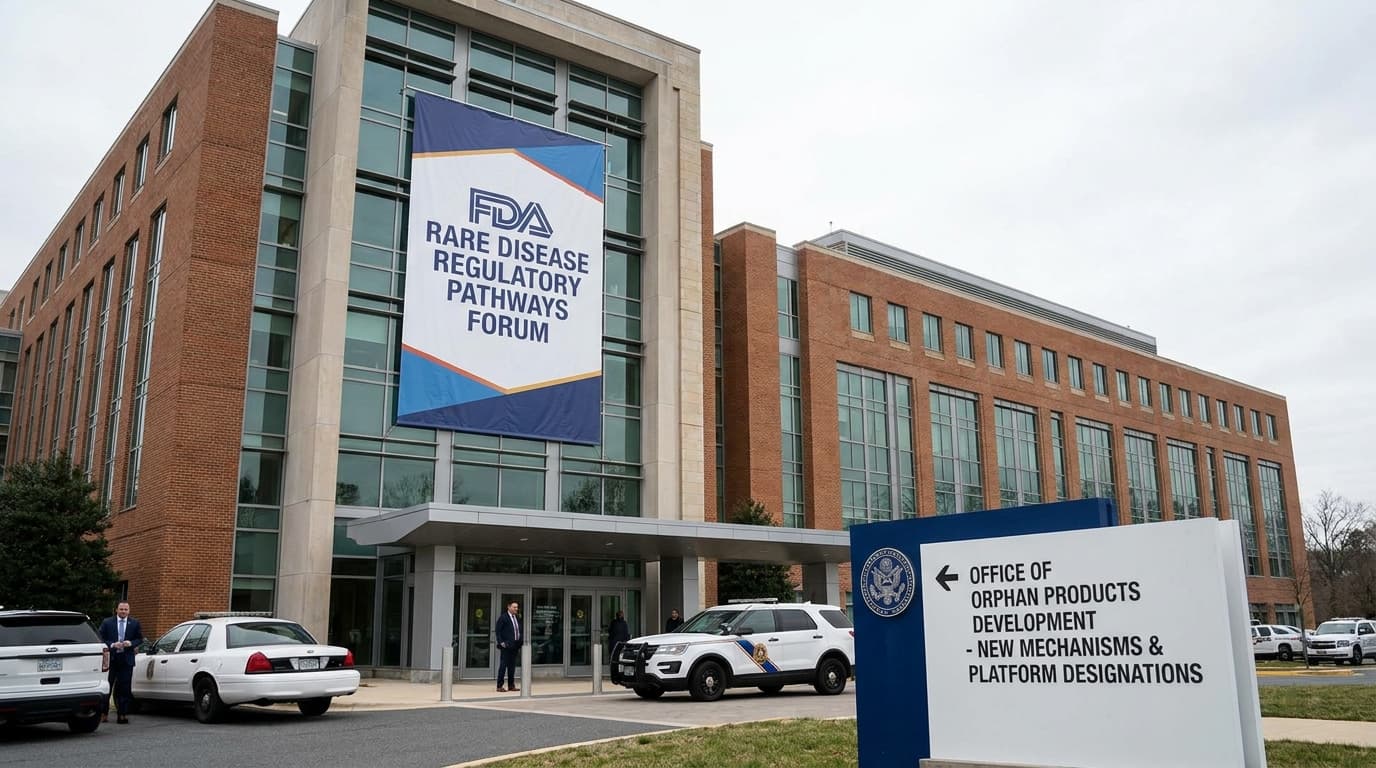
As rare diseases attract increasing attention, the FDA responds by expanding approval and review pathways. While these steps signify progress, persistent ambiguities around the new tools create friction for drug developers and patient advocates, leaving some stakeholders searching for greater clarity.
The Catalyst Brief
 Jun 8, 2026
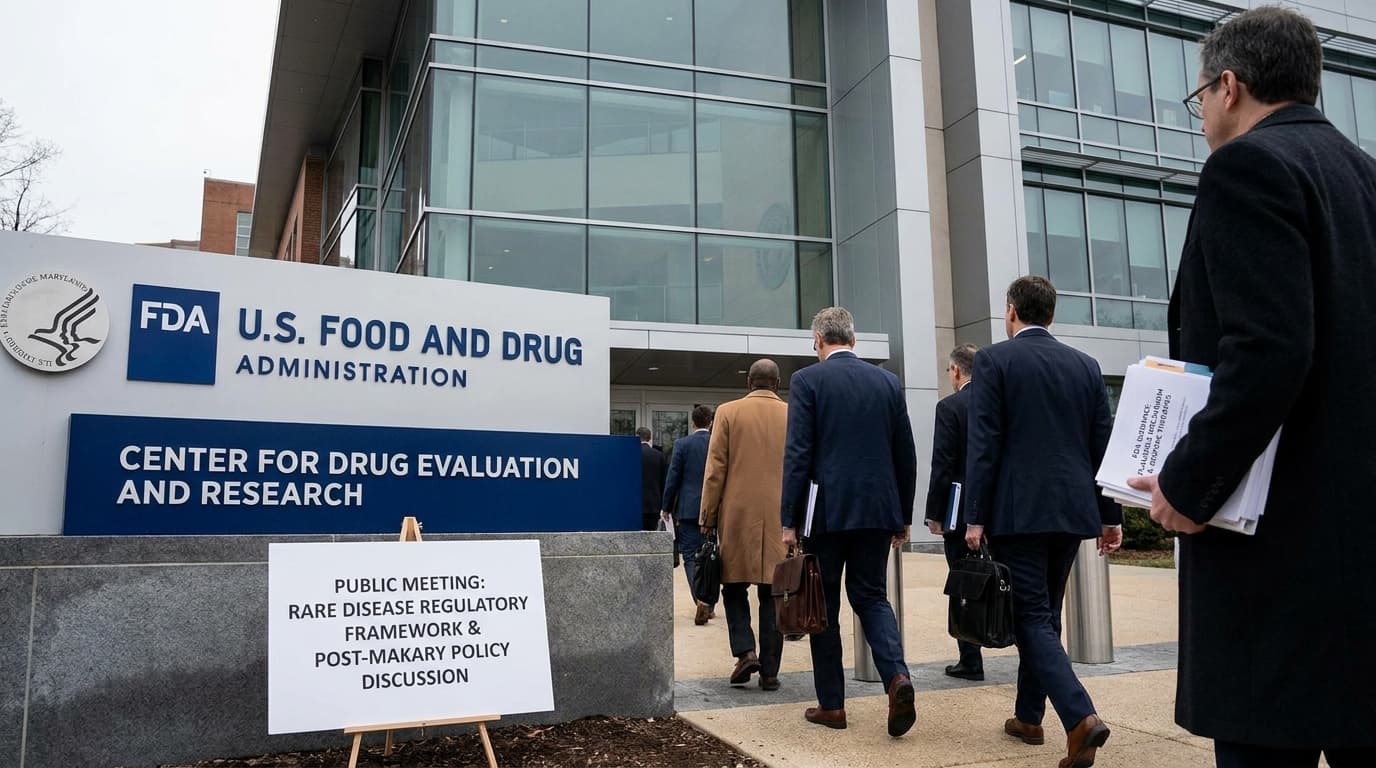
The FDA’s efforts to define and expand the plausible mechanism framework for bespoke and rare disease therapies encounter new challenges. As leadership changes and increasing pressures shape the agency’s actions, stakeholders are left to navigate ambiguity regarding the scope and future direction of rare disease policy.
The Catalyst Brief
 Jun 8, 2026
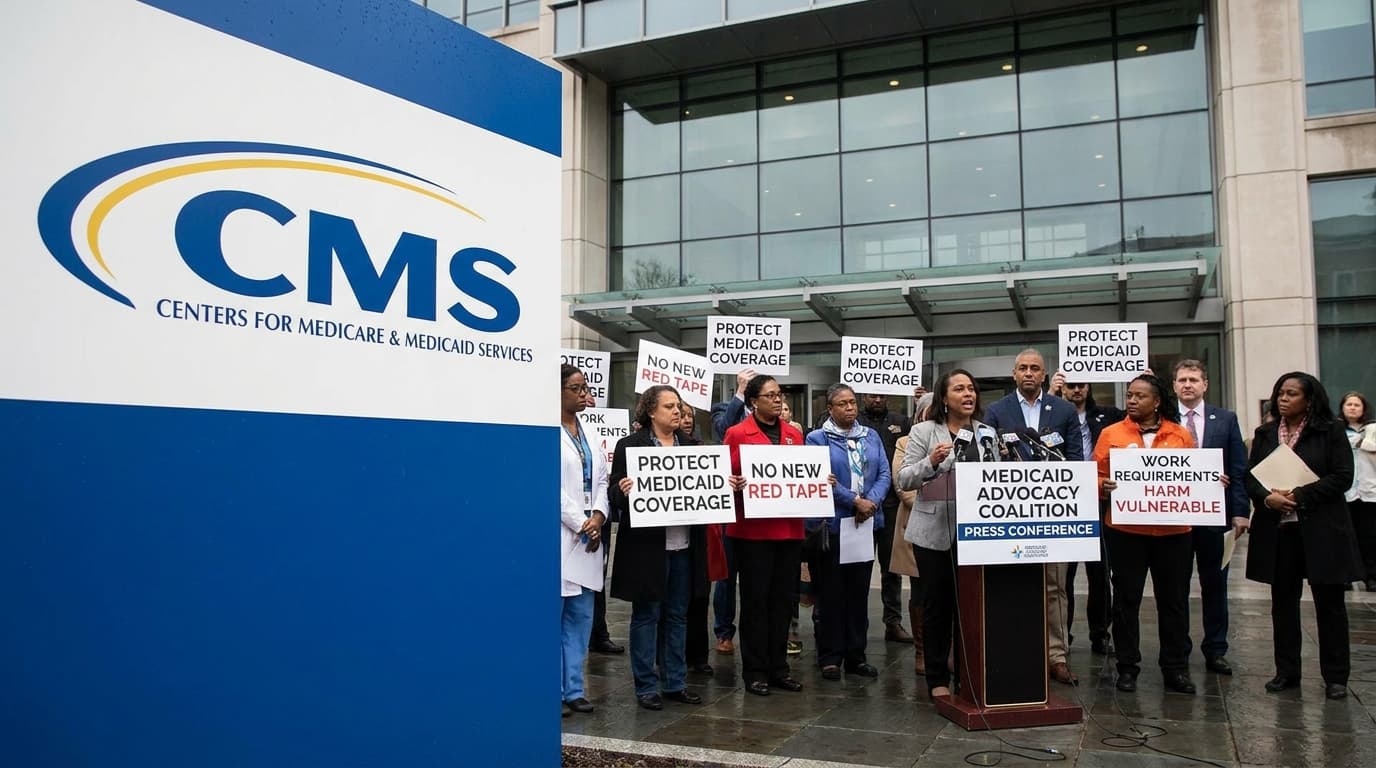
Last-minute revisions to Medicaid work requirements by CMS are raising alarm among stakeholders about the burden of additional paperwork and the risk of eligible participants losing coverage. This article analyzes the regulatory changes, examines arguments from policy experts and advocates, and explores the practical implications for beneficiaries and state agencies.
The Catalyst Brief
 Jun 7, 2026
OHRP’s diminished capacity raises red flags about oversight in human subject research, as ethics professionals depart amid growing complexity in biomedical and social science studies. This situation could have profound implications for research integrity, participant safety, and public trust in federally supported investigations. Current discussions focus on the underlying causes, the significance of a robust ethics framework, and possible strategies to rebuild this vital office.
The Catalyst Brief
 Jun 5, 2026
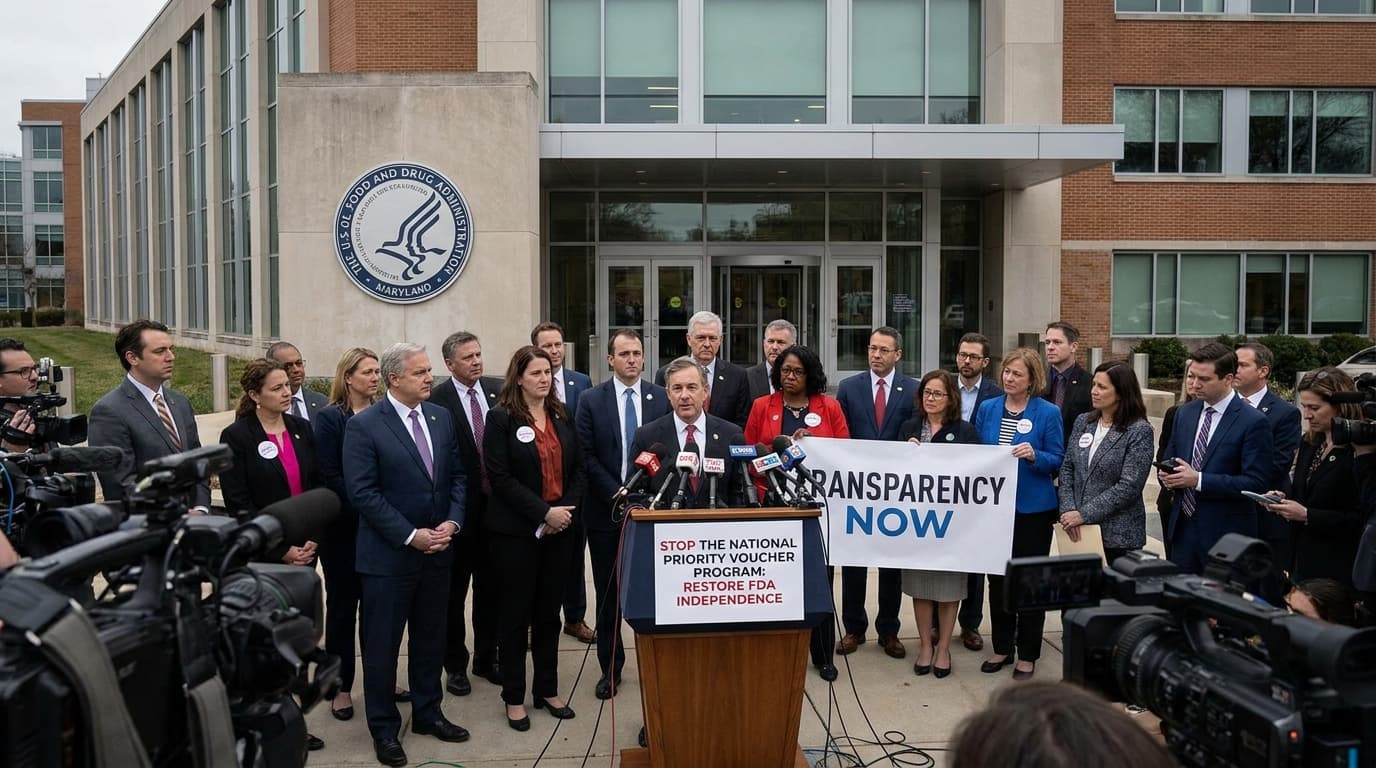
On June 4, 2026, critical voices from various stakeholders emerged regarding the FDA's Commissioner’s National Priority Voucher program, initiated under Marty Makary. Concerns center on transparency, perceived political influence, and the need to preserve the FDA’s autonomy to ensure unbiased regulatory decision-making. This article delves deeply into the program's background, the criticisms it has provoked, the implications for regulatory policy, and a look ahead at potential reforms.
The Catalyst Brief
 Jun 5, 2026
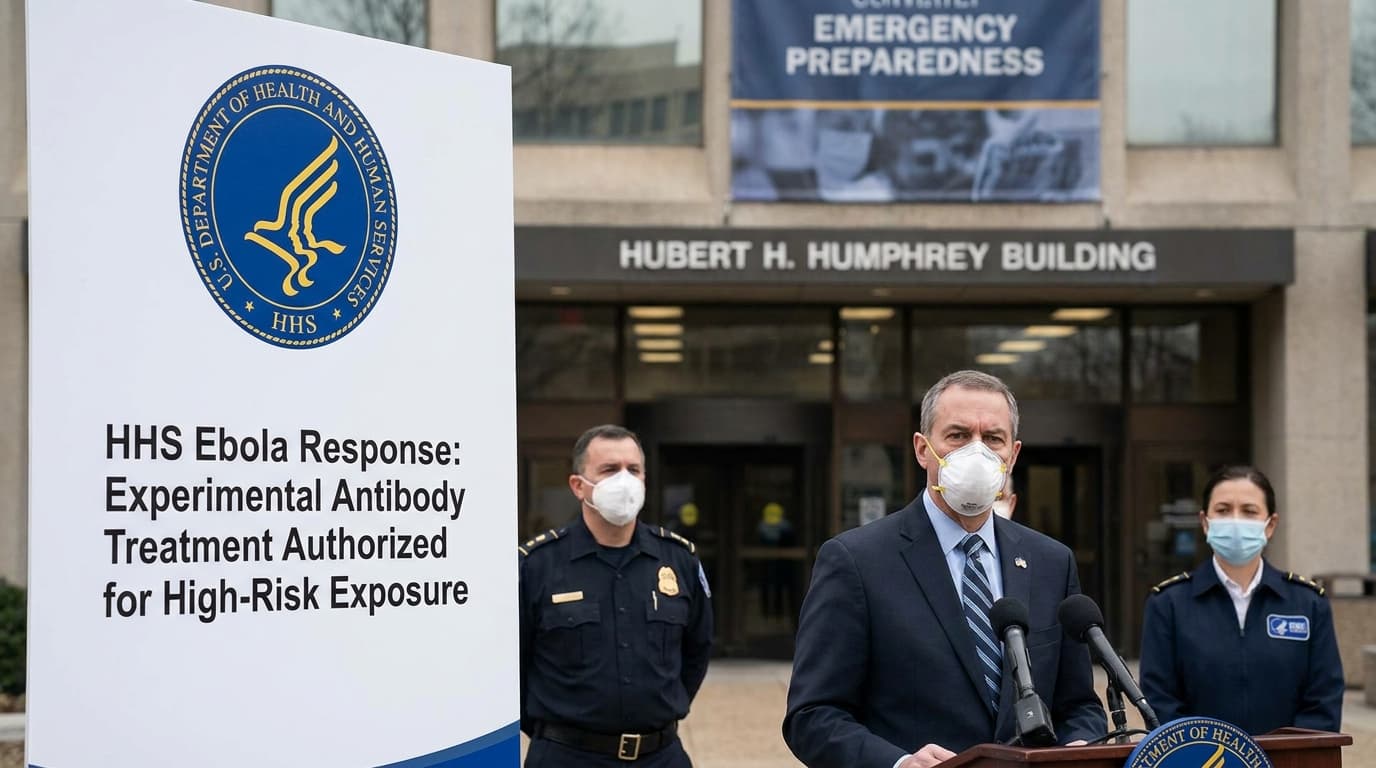
In response to the ongoing Ebola outbreak in Central Africa, HHS ensures that Americans facing high-risk exposures will be able to access an experimental antibody treatment, reinforcing preparedness in managing this serious viral threat. This development marks a significant policy step in expanding available therapeutic options during an outbreak.
The Catalyst Brief
 Jun 4, 2026
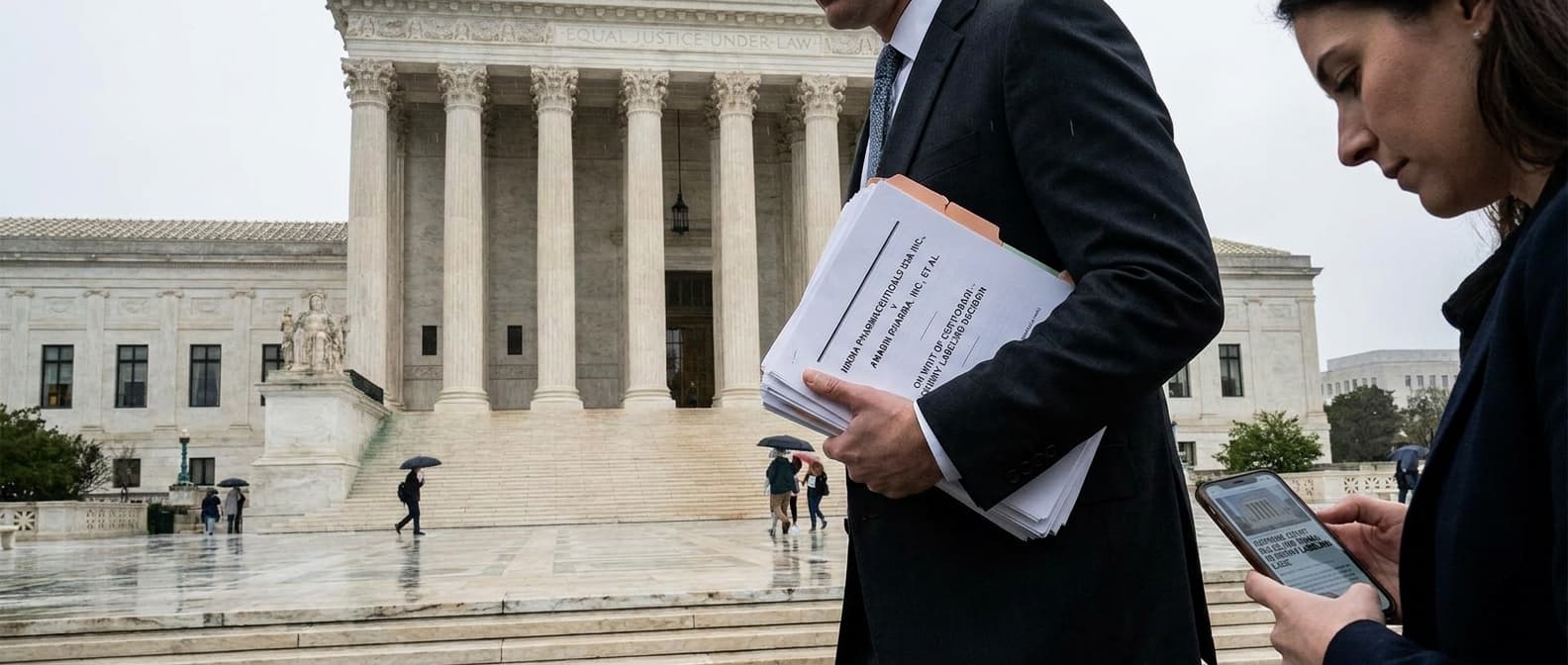
In a pivotal ruling for the pharmaceutical industry, the Supreme Court determined that Hikma Pharmaceutical did not violate Amarin's patents through its use of skinny labeling—a practice that involves omitting certain patented uses on generic drug labels. This verdict may reshape how patent litigation unfolds in the generic drug sector.
The Catalyst Brief
 Jun 3, 2026
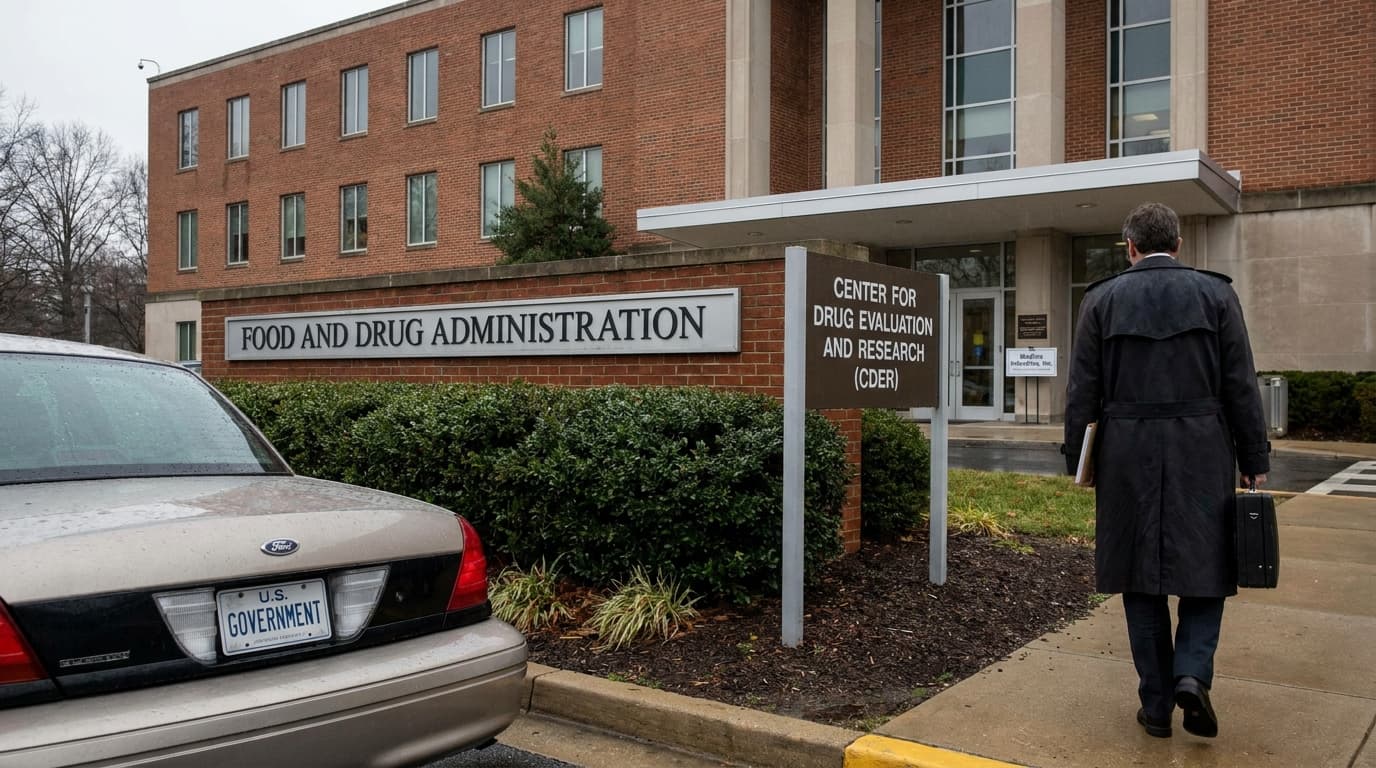
Medline, which recently raised billions in funding, has been found by FDA inspectors to have ongoing bacterial contamination issues in their drug products. This blog examines the inspection findings, contamination risks, and regulatory implications for the biopharma industry.
The Catalyst Brief
 Jun 3, 2026
An exploration of how military rhetoric, imagery, and policies might influence the prevalence of eating disorders, particularly in men, with insights into the broader societal and health implications.
The Catalyst Brief
 Jun 3, 2026
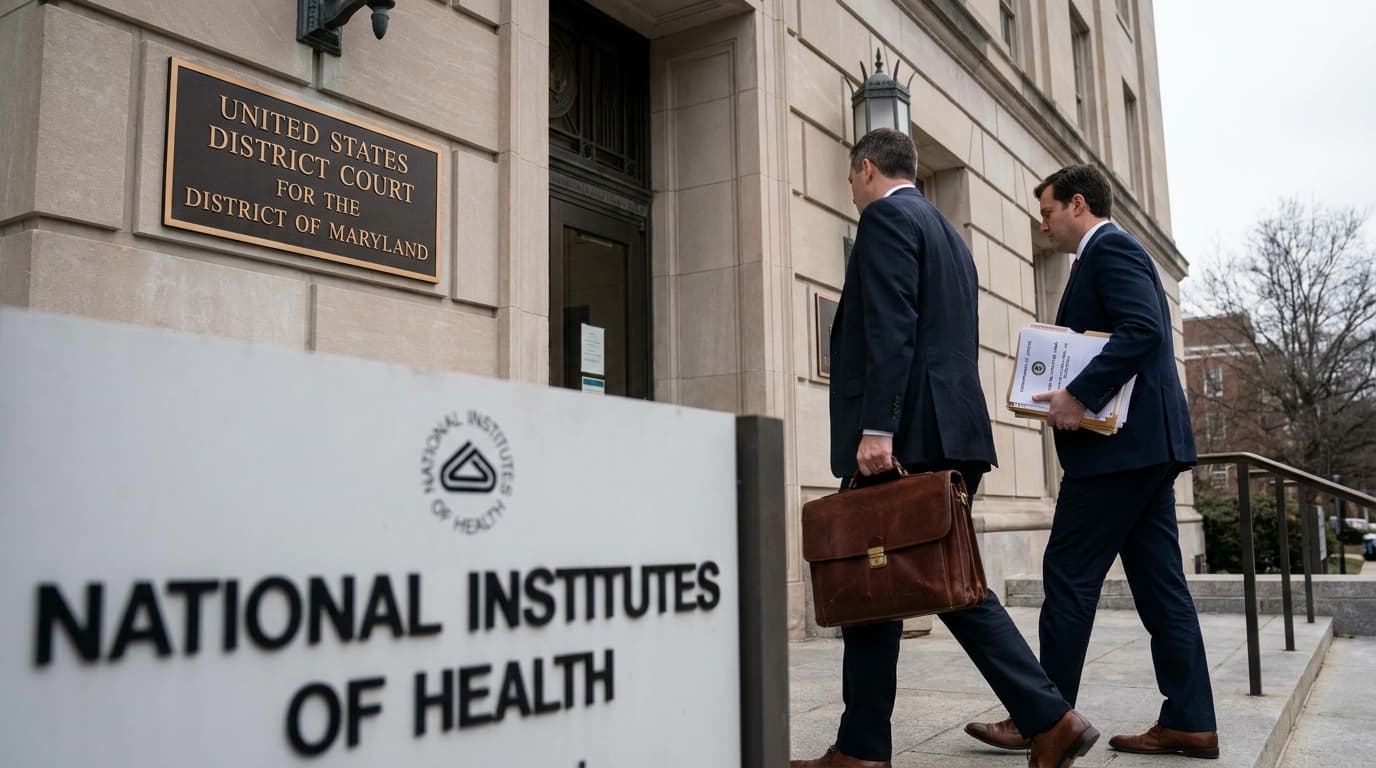
The investigation reveals potential violations of biosafety and import regulations at one of the nation’s premier research institutions, raising serious concerns about pathogen handling protocols and national biosecurity measures.
The Catalyst Brief
