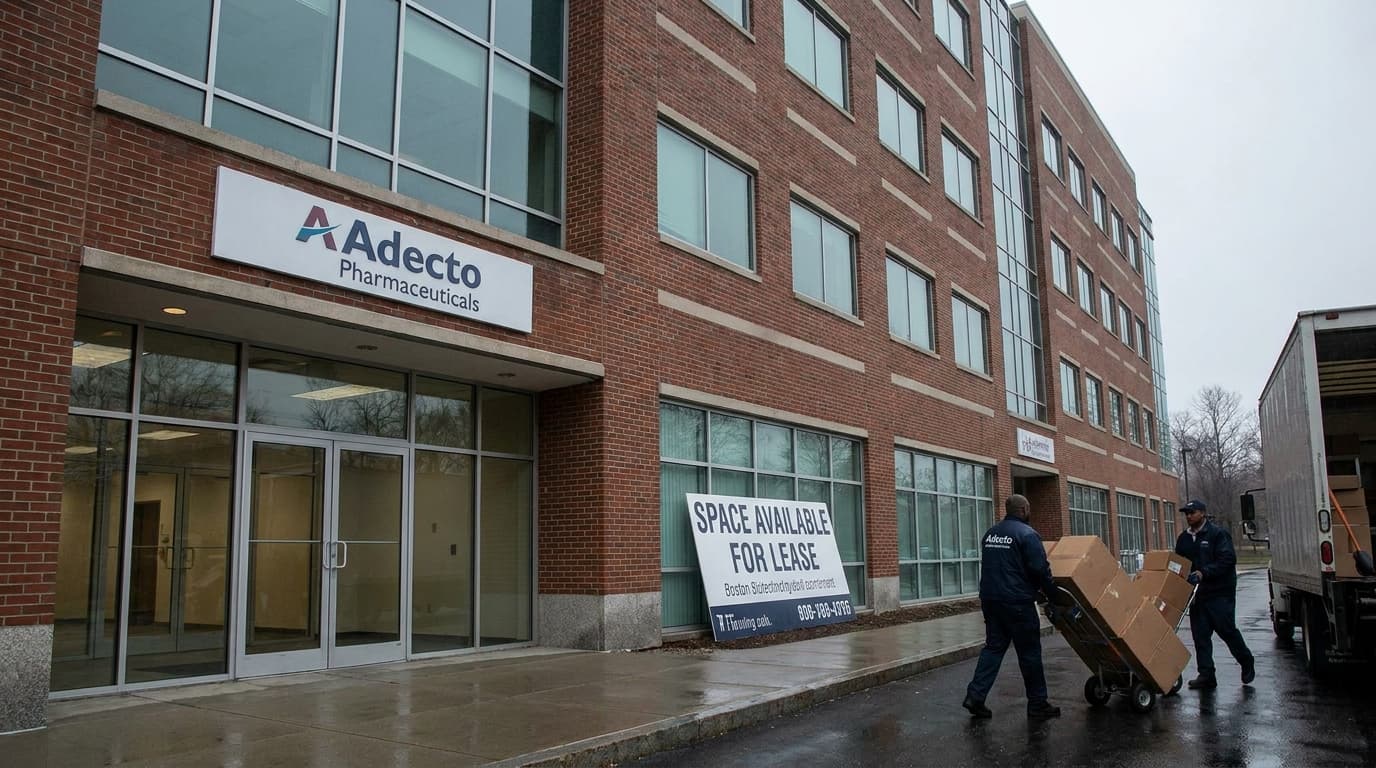
Adecto Pharmaceuticals has shut down after 12 years, with CEO Nora Mineva blaming a funding market that remains reluctant to finance preclinical companies built around new cancer targets. In a LinkedIn post reported by Fierce Biotech, Mineva said the Boston-based company fought to keep going but ultimately ran out of financial runway because investors were hesitant to back new therapeutic targets without clinical data.
The closure is a financing signal as much as a company-specific outcome. Adecto was not describing a failed clinical program or a regulatory setback. It was describing the limits of capital availability for earlier-stage biotechs trying to move novel mechanisms forward before human proof of concept exists.
The Program Adecto Was Trying To Build
Adecto was launched in 2014 by researchers from Tufts University to develop therapies and diagnostics aimed at ADAM8-positive cancers. Its lead preclinical asset was AD100, a monoclonal antibody designed to inhibit ADAM8 and reprogram both lymphoid and myeloid cells.
According to the company’s framing cited by Fierce Biotech, ADAM8 is a cell surface protein implicated in immune cell dysfunction across a range of aggressive cancer types. The scientific premise was that AD100 could produce a more potent antitumor immune response than standard immunotherapies.
Mineva, a co-founder and chief scientific officer who became CEO in 2023, said the team remains deeply convinced that ADAM8-targeted therapies and diagnostics will one day be an essential part of the cancer standard of care. She also said it is the company’s sincere hope that the groundwork laid over the past decade brought that day closer for patients.
What The Shutdown Says About Funding
Adecto had not reported any traditional seed or venture equity rounds. Instead, it relied on what Fierce described as multimillion-dollar grants from the National Cancer Institute’s small business innovation research scheme.
That detail matters because it shows grant support was not enough to bridge the company into the next financing phase. For companies in this part of biotech, non-dilutive funding can sustain research for a time, but it does not necessarily solve the later problem of raising enough capital to move a target from preclinical rationale into clinical validation.
Mineva said the team filed a provisional patent for ADAM8 in August and is actively exploring pathways to advance development so the research can continue. That suggests the scientific assets may outlive the corporate entity, but likely through a different ownership or funding structure.
The broader market context in Fierce’s report points in the same direction. When f5 Therapeutics closed in March, its CEO described the previous few years as brutal for early-stage biotechs, with funding for young platforms at multi-year lows and dozens of startups shutting their doors despite strong science.
Adecto’s shutdown therefore reads less like an isolated failure of one immunotherapy idea and more like a capital formation problem at the preclinical end of biotech. Investors may still fund later-stage or clinically derisked stories, but companies organized around novel targets appear to face a higher threshold for financing than grant-backed science alone can clear.