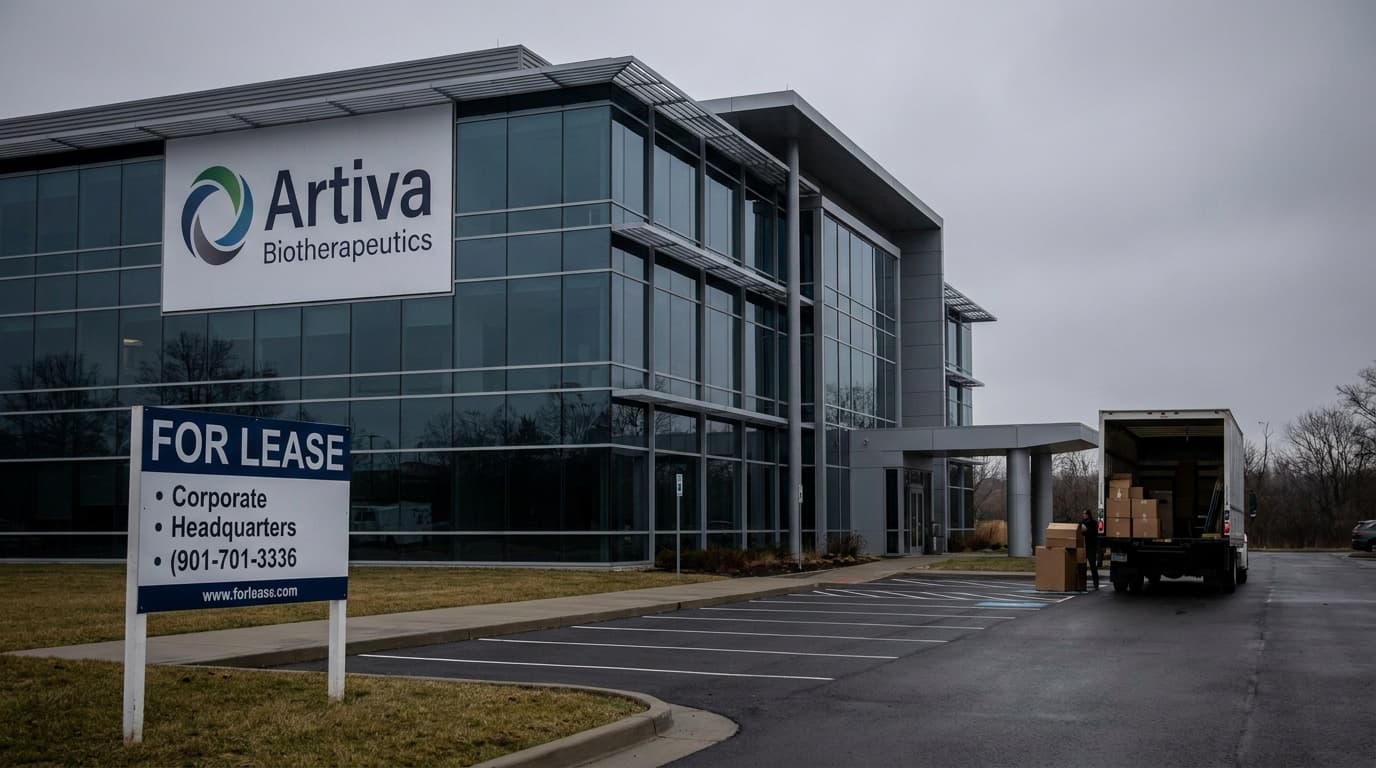
Artiva Biotherapeutics has halted development of AlloNK, its nongenetically modified allogeneic natural killer cell therapy, after concluding that the program’s risk-benefit profile no longer supports further work in rheumatoid arthritis and other B-cell-driven autoimmune diseases. The company also laid off 94% of its staff and started evaluating strategic alternatives.
The decision follows both weaker long-term efficacy and new safety pressure. Artiva said longer-term follow-up showed AlloNK failed to deliver the durable clinical responses it believes are needed to justify continued development. At the same time, two patient deaths weighed on the program.
The data and safety reversal
Artiva had been planning to start a phase 3 trial in rheumatoid arthritis this year, but said safety and efficacy data had deteriorated since it committed to that step.
One patient in the company’s phase 2a basket trial suffered a fatal neurological event. According to the source report, the investigator and an independent safety review determined that the death was likely related to fludarabine, a chemotherapy drug used in Artiva’s lymphodepletion regimen. The FDA then asked Artiva to pause enrollment and dosing in the phase 2a study.
A second participant died suddenly about two months after initiating treatment. The investigator ruled that death unrelated to AlloNK or any other component of the study treatment regimen, and the cause of death is unknown.
Taken together with the durability shortfall, those events were enough to stop a program that had been central to Artiva’s strategy. The company had pinned its hopes on AlloNK as it pursued autoimmune disease applications built around B-cell depletion.
The corporate fallout
The response inside the company was sweeping. Artiva had 115 full-time employees as of June 30, and has now cut most of that workforce. Its board is assessing internal options alongside strategic alternatives that include a merger, asset sale and liquidation.
The financial backdrop makes that review notable. Artiva raised $300 million in May, and had $319.1 million in cash at the end of September. It also still has a Nasdaq listing, both of which could matter to a potential buyer even after the lead asset was abandoned.
The signal for the broader sector is that enthusiasm around autoimmune cell therapy is running into the same development reality checks seen in oncology cell therapy: durability has to hold up over time, and conditioning regimens can reshape the safety profile as much as the cell product itself. Artiva’s setback also comes two months after Bristol Myers Squibb and Novartis independently paused development of CAR-T cell therapies in autoimmune diseases, including Novartis’s move after three deaths linked to serious immune effector cell-associated hemophagocytic syndrome.