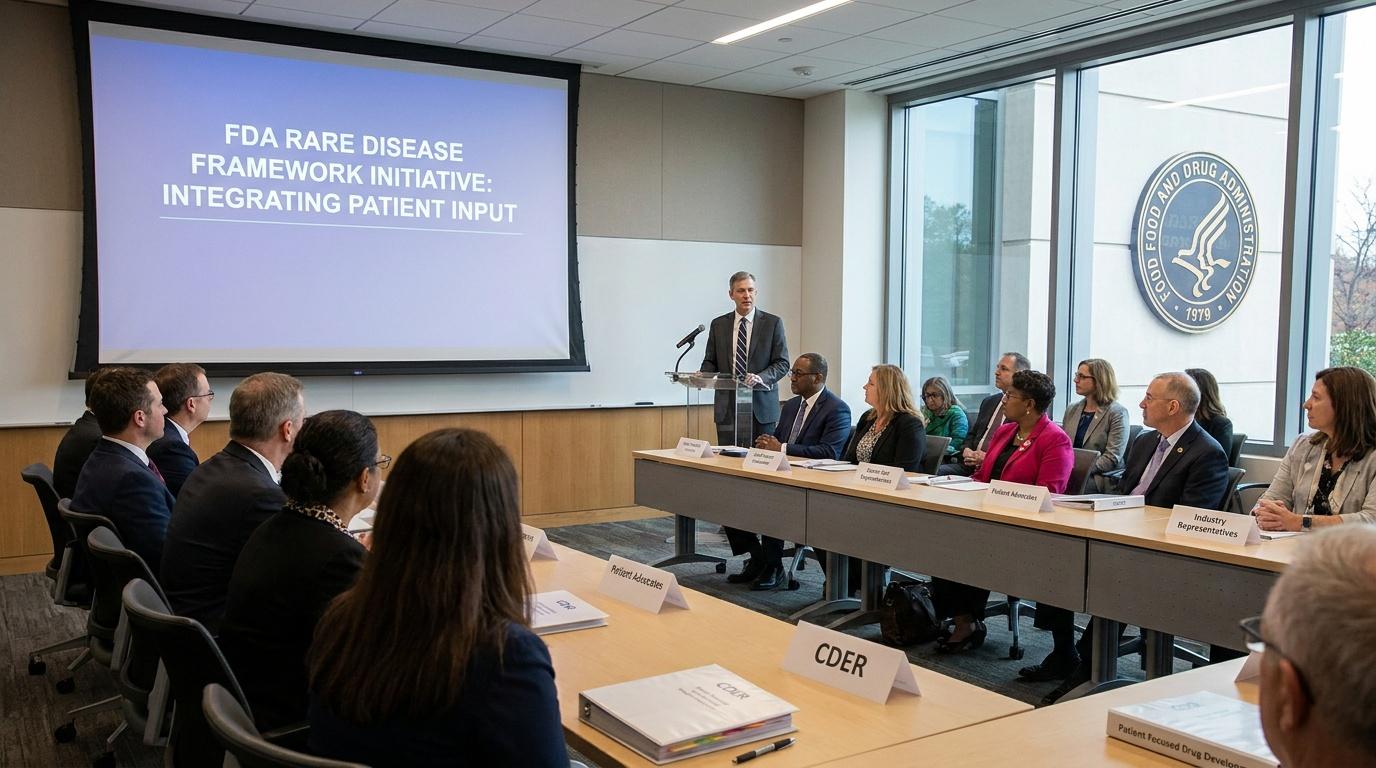
The FDA’s new Rare Disease Framework Initiative is trying to shift one of the agency’s long-running themes from consultation to requirement: patient perspective should shape rare disease development before trial designs are fixed, not after therapies are nearing market entry.
In interviews with BioSpace, Center for Biologics Research and Evaluation director Karim Mikhail and Center for Drug Evaluation and Research director Michael Davis described a model in which sponsors come to early meetings prepared to discuss endpoint selection, trial methodology, number of trials, control groups and analysis plans through the lens of what matters to patients. The regulatory signal is that patient input is being recast as part of the evidence architecture itself, especially in diseases where natural history and standard endpoints are poorly defined.
What the framework changes
Mikhail told BioSpace that patient voices are currently heard at listening sessions and advisory committee meetings, but that those opportunities come too late in the development cycle to make substantive changes. By the time adcomm discussions happen, he said, the clinical development program is already defined.
Under the new framework, patient perspective is expected to become an essential component of the regulatory submission. Mikhail said that input from patients should help define clinically meaningful endpoints and inform benefit-risk judgments, arguing that those tradeoffs should be answered by people who live with the disease rather than by people who do not.
Davis added that sponsors will need to arrive at early meetings ready to explain how their endpoint choices reflect what is important to patients. He also said developers will need to define the broader mechanics of the study, including the number of trials, the control group and the analysis plan.
For companies, that means the cost of weak patient-engagement work may rise. If endpoint selection and trial structure are challenged early, patient experience data becomes less of a narrative supplement and more of a design input that can affect whether a development program looks credible to reviewers.
The road here
BioSpace notes that the FDA is not introducing patient-focused drug development from scratch. The effort accelerated with the fifth reauthorization of the Prescription Drug User Fee Act in 2012, when the agency committed to evolving its benefit-risk framework.
Robyn Bent, director of CDER’s Patient Focused Drug Development Program, told BioSpace in June that the agency recognized it was difficult to understand therapeutic context without hearing from patients. The FDA then held 24 condition-specific patient-focused drug development meetings. Bent said those meetings revealed a repeated problem: endpoints often did not measure what mattered to patients, and trial participation excluded too many people.
Bent also said the agency has since seen more sponsors incorporate the patient voice, including through meeting requests, briefing packages and regulatory applications. Even so, she told BioSpace there is still more room to go, particularly because patient experience data takes on added importance in diseases that are not well characterized.
The design debate behind the framework
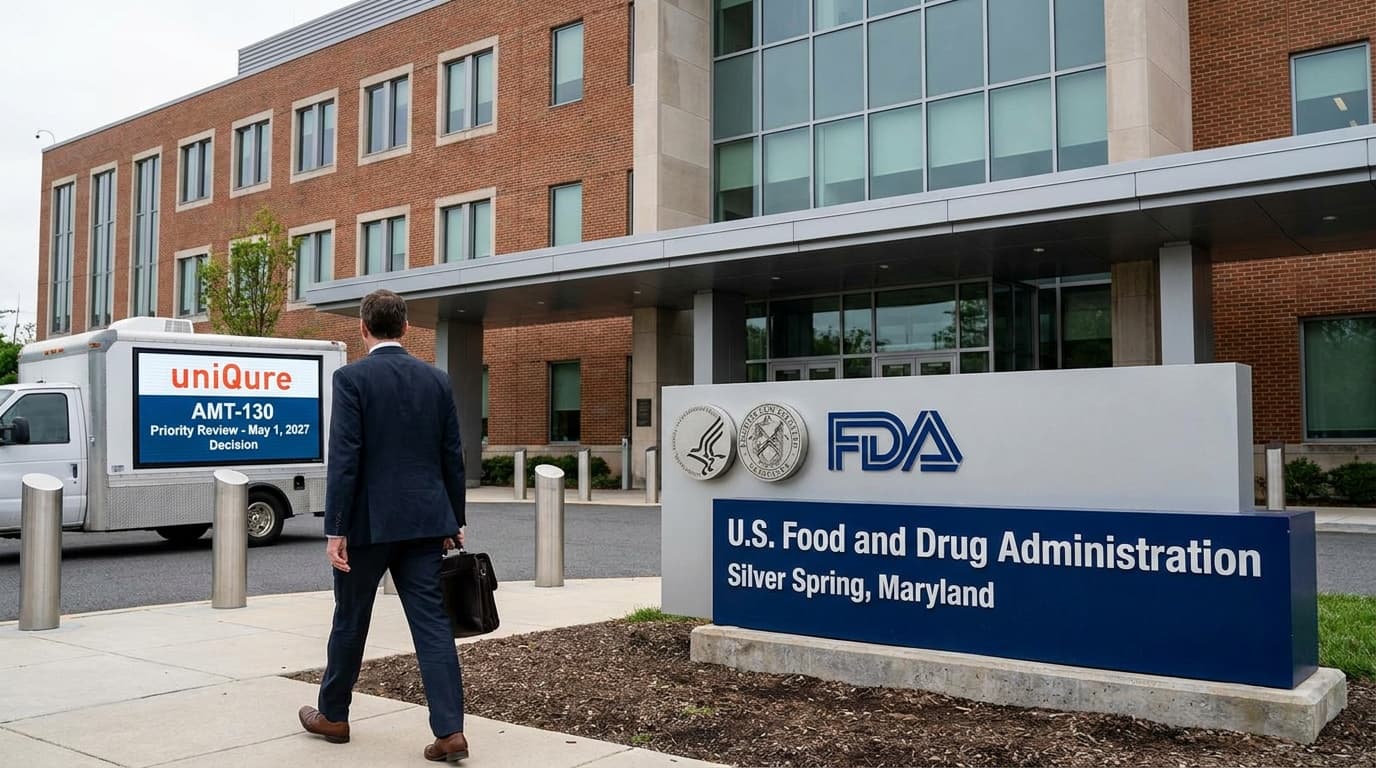
One of the hardest unresolved questions in rare disease development is how to build adequate evidence when patient populations are extremely small. BioSpace highlights the ongoing debate over external controls, noting that externally controlled studies using historical or real-world data have contributed to recent FDA rejections, including REGENXBIO’s Hunter syndrome gene therapy, and reversals of regulatory guidance, such as for uniQure’s gene therapy for Huntington’s disease.
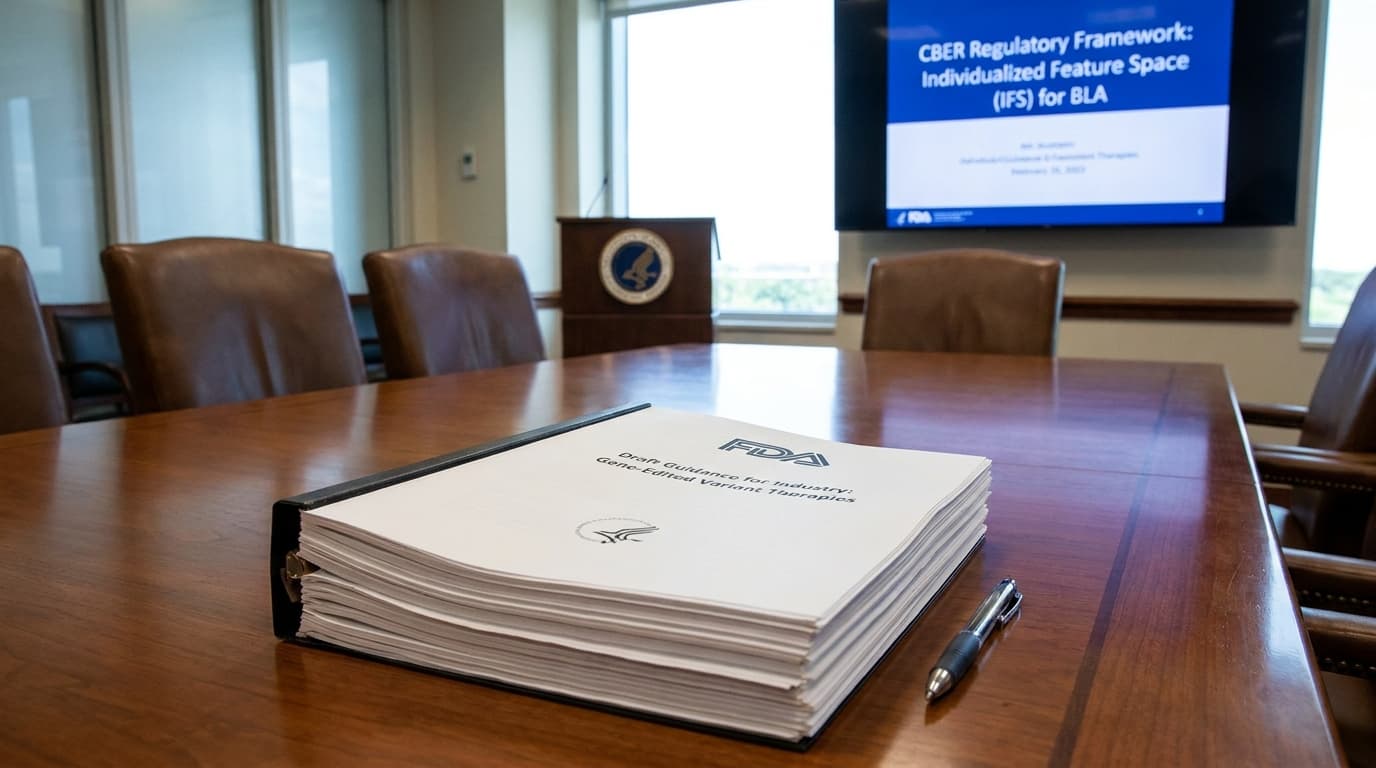
At the same time, agency guidance has supported innovative trial designs. BioSpace points to 2023 draft guidance focused on external controls, September 2025 draft guidance for cell and gene therapy trial design that includes externally controlled studies as one option, and the Rare Disease Evidence Principles program for ultrarare diseases.
Under that program, therapies for diseases affecting very small patient populations, typically less than 1,000 individuals, may only need evidence from a single-arm trial plus strong confirmatory evidence, including case reports and expanded access data such as natural history. The new framework echoes support for cutting-edge science, novel trial methods and innovative statistical approaches, but BioSpace says it stops short of directly addressing external controls.
That omission is already drawing feedback. BioSpace reports that an Oct. 28 public meeting on the framework had received 63 comments, including one anonymous submission asking the agency to give patients and families a formal voice on acceptable risk. Nasha Fitter, co-founder of the FOXG1 Research Foundation and mother of a child with FOXG1 syndrome, also pressed the FDA to specifically address external controls. She said the foundation created a medical records database for use in a single open-label gene therapy trial after finding that natural history data for FOXG1 was nonexistent and after clinical advisors pushed back on the newly curated dataset.
The practical consequence is that the framework may make patient voice more central without resolving the evidence standards question that many rare disease programs face most acutely. Sponsors may get clearer expectations around engagement, but they still need to navigate how the agency will judge unconventional control strategies when randomized trials are difficult or impossible.