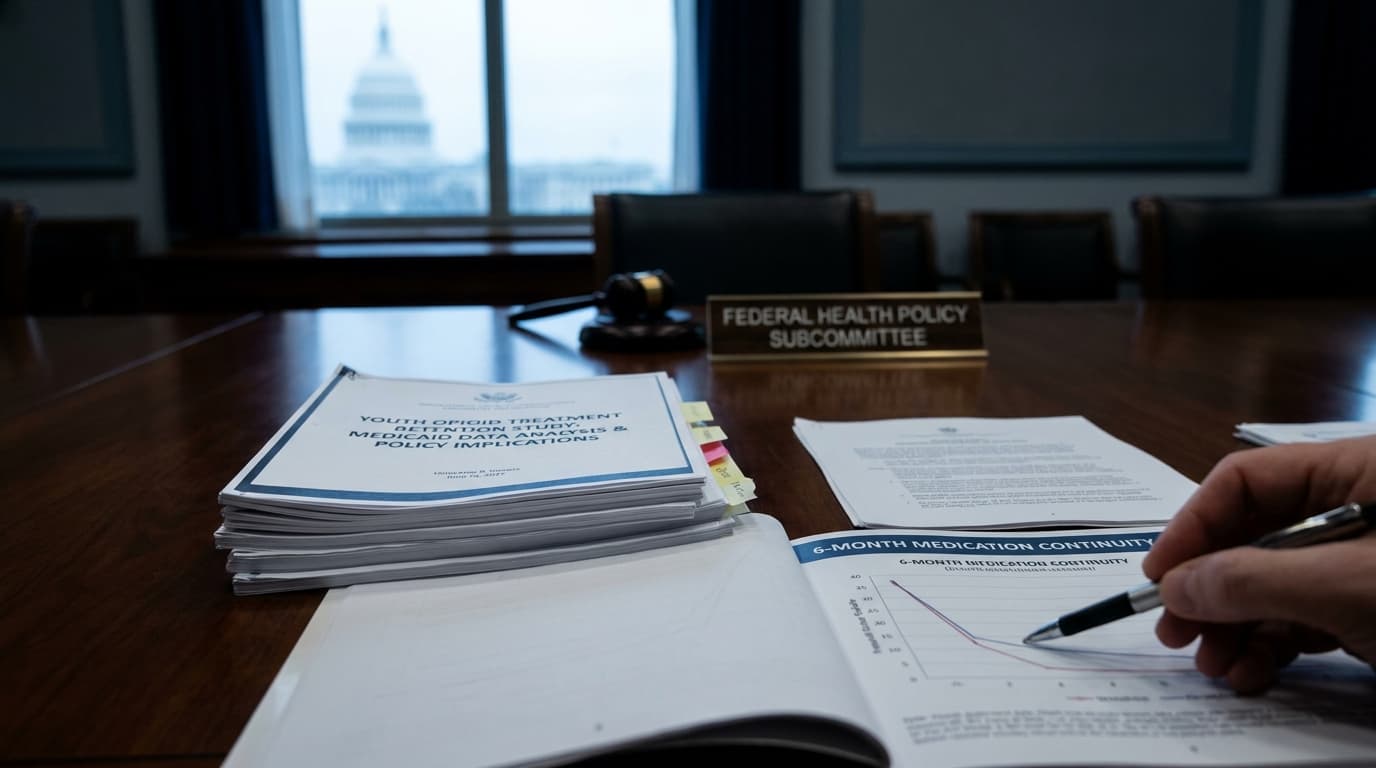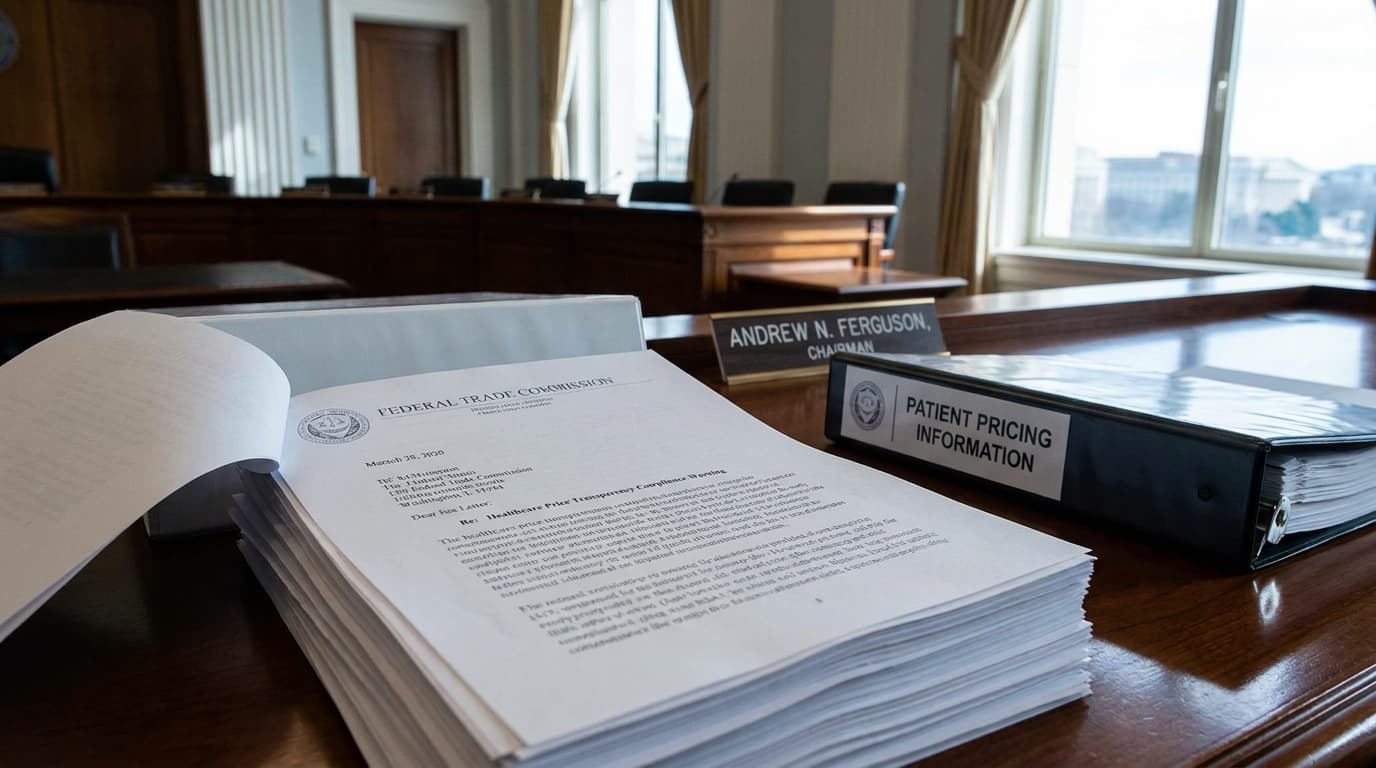
The Federal Trade Commission said it sent warning letters to 24 of the "nation's largest" healthcare services companies, raising concerns that they may be failing to provide transparent price information to patients. The letters were signed by FTC Chairman Andrew N. Ferguson, and the agency did not disclose which organizations received them.
The immediate policy signal is that the FTC is trying to widen the enforcement frame around healthcare pricing. Rather than limiting the issue to hospital transparency mandates, the agency is arguing that price disclosure can also be judged under the FTC Act's standards for deception.
What The FTC Said
In the letter, the FTC said healthcare organizations are required to provide patients with "timely, accurate, and complete pricing for healthcare services, especially for non-emergency services that are scheduled in advance." It urged recipients to review their pricing practices and make changes if they determine they are not complying with the FTC Act.
Ferguson wrote that price transparency is a major FTC priority across several sectors, including rental housing, hotels and grocery delivery services. He argued that the issue is especially important in healthcare because care is often one of the most financially burdensome costs consumers face, and because patients may spend substantial time and effort traveling for in-person visits before learning what they will owe.
The letter also pointed to price variation across providers. According to Ferguson, hospitals and healthcare facilities can charge dramatically different prices for the same services, leaving consumers exposed to wide and sometimes unexpected cost differences.
Why This Matters Beyond CMS Compliance
CMS requires hospitals to publicly disclose pricing information through machine-readable files and consumer-friendly pricing information. Hospitals also must provide uninsured and self-pay patients with good-faith estimates of expected charges before scheduled care.
The FTC's warning is that meeting those CMS requirements does not necessarily mean a provider is complying with the FTC Act. The agency said the price of healthcare services is a "material term," which means disclosures must be clear and conspicuous so consumers are not deceived.
That distinction matters strategically. It suggests providers may face scrutiny not only for whether price information exists, but for whether a reasonable consumer would understand it as the total expected cost of care.
Ferguson wrote that failing to disclose the price of a healthcare service may be deceptive if it is likely to mislead consumers acting reasonably under the circumstances. He added that disclosures may also be deceptive when they are incomplete, such as when they omit physician fees or facility fees, or cover only part of the expected care, because consumers may reasonably believe they have been given the total cost. The letter says inaccurate disclosures can likewise mislead consumers and cause substantial harm.
The FTC said the warning letters do not conclude that the recipients violated the FTC Act. Even so, the agency is signaling that price transparency in healthcare is moving from a disclosure-format issue toward a broader consumer-protection risk, which could force providers to reassess how they present bundled and partial cost information before scheduled care.