Sudan’s civil war is not only killing people through direct violence. It is also dismantling the country’s ability to treat long-term diseases, forcing patients with cancer to travel through active conflict zones for care that was once available much closer to home.
At Mother of Mercy hospital in the Nuba Mountains, medical missionary Tom Catena is seeing the consequences firsthand. The hospital does not have an oncologist on staff, yet patients continue to arrive because other treatment options have disappeared. Catena said that if there was peace, many of these patients would have been treated in Khartoum, Darfur, or El Obeid, but those hospitals are now gone.
Fatouma Mahdi Ahmed Saeed, who has cervical cancer, was diagnosed last year by a private doctor in Nyala, the capital of South Darfur. She then made a trip of hundreds of miles to reach Catena’s hospital in central Sudan. She said she was in severe pain and desperate for treatment, and that the journey was very difficult. Saeed sold one of her calves and sought help from her family to pay for the diagnosis, then traveled with her sister and son through areas where drones were striking, soldiers were manning checkpoints, and rest sometimes meant lying down in the dirt.
The collapse in access
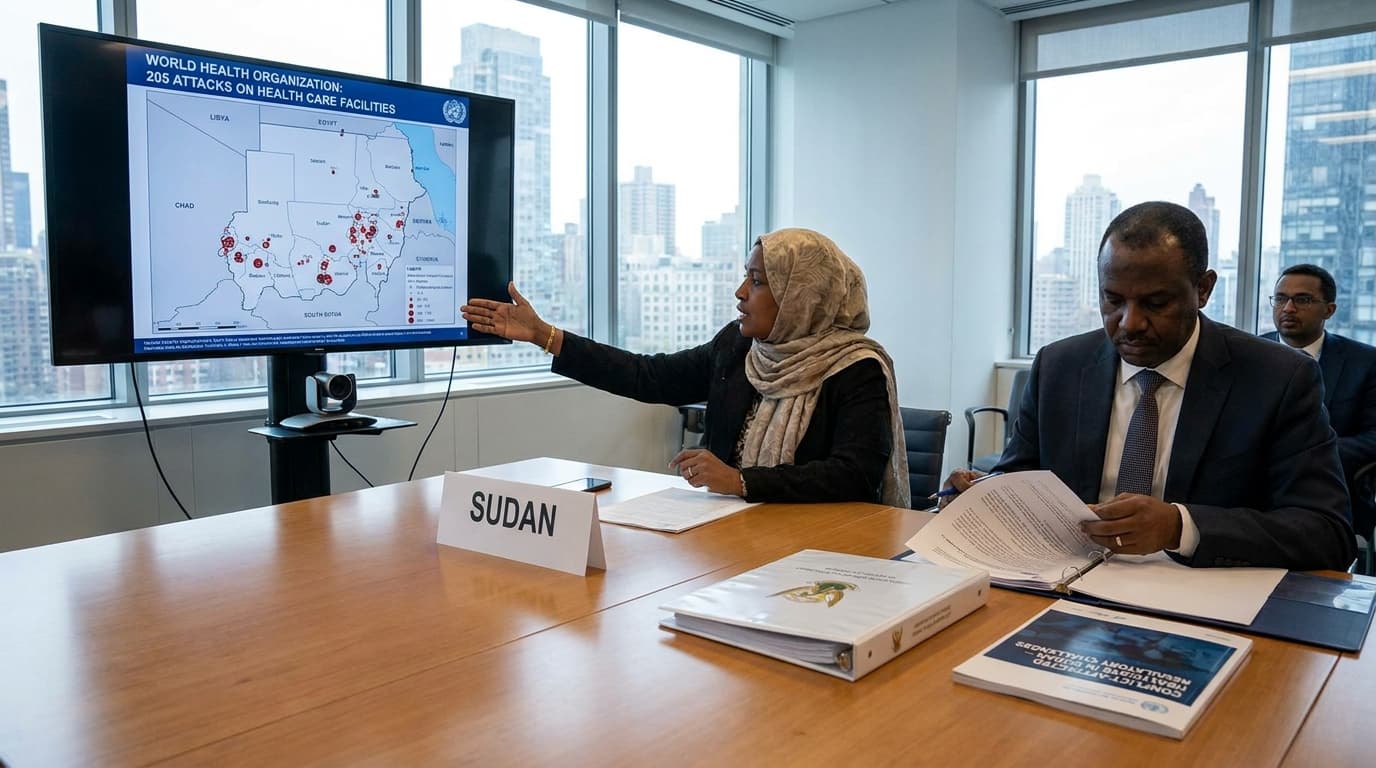
The war began in 2023 as two rival factions fought for control of the nation’s military. According to the United Nations, about 13 million people have been forced to flee their homes, creating what it described as the world’s largest displacement crisis. The same conflict has repeatedly hit medical infrastructure. The U.N. has recorded 205 attacks on health care facilities since the start of the war, while the World Health Organization reports that some 37% of Sudan’s health care centers have been destroyed by fighting.
That damage matters especially for cancer, where treatment depends on continuity, drug supply, pathology services, and specialized staff. Doctors Without Borders said this month that international aid cuts are forcing the collapse of an already fragile health care system. STAT reported that chemotherapy medication and other essential drugs are now hard to come by, and that normal supply chains have been disrupted by the conflict.
Mother of Mercy is functioning as a fallback provider rather than a purpose-built cancer center. When STAT visited earlier this year, Catena and his staff had administered some 15 doses of chemotherapy in a single day to patients who had nowhere else to go. The strategic signal is stark: once referral hospitals disappear, smaller mission facilities become de facto regional hubs even when they lack the specialist workforce and diagnostic infrastructure that cancer care normally requires.
What care looks like now
The limits of that improvised system are severe. Without an oncologist on staff and without the equipment needed to review biopsies, Mother of Mercy sends tissue samples to the United States. Catena said it can take as long as six months to receive an answer. In practice, that means he often has to make diagnoses from clinical exams, identifying cancers that are already evident by the time patients arrive.
Distance compounds the problem. Catena estimated that the nearest hospital capable of delivering cancer care is in Port Sudan, about 700 miles away and across an active frontline. For many patients, that route is effectively unavailable.
By the time people reach the Nuba Mountains, their disease is often advanced. STAT cited Ifrah Ahmed, a 10-year-old with osteosarcoma, as another example of how late patients are arriving for treatment. Saeed herself has had to make the trip more than once, returning for follow-up and then again for another round of chemotherapy.
Sudan was once described in a 2025 paper in Global Oncology as a regional leader in cancer care. The current picture is the reverse: a war-driven access system in which receiving any treatment at all can depend on crossing front lines, finding cash for private diagnosis, and reaching a hospital that is operating far outside its formal capabilities.