President Donald Trump is considering a further expansion of White House control over National Institutes of Health funding, according to multiple reports cited by Fierce Biotech.
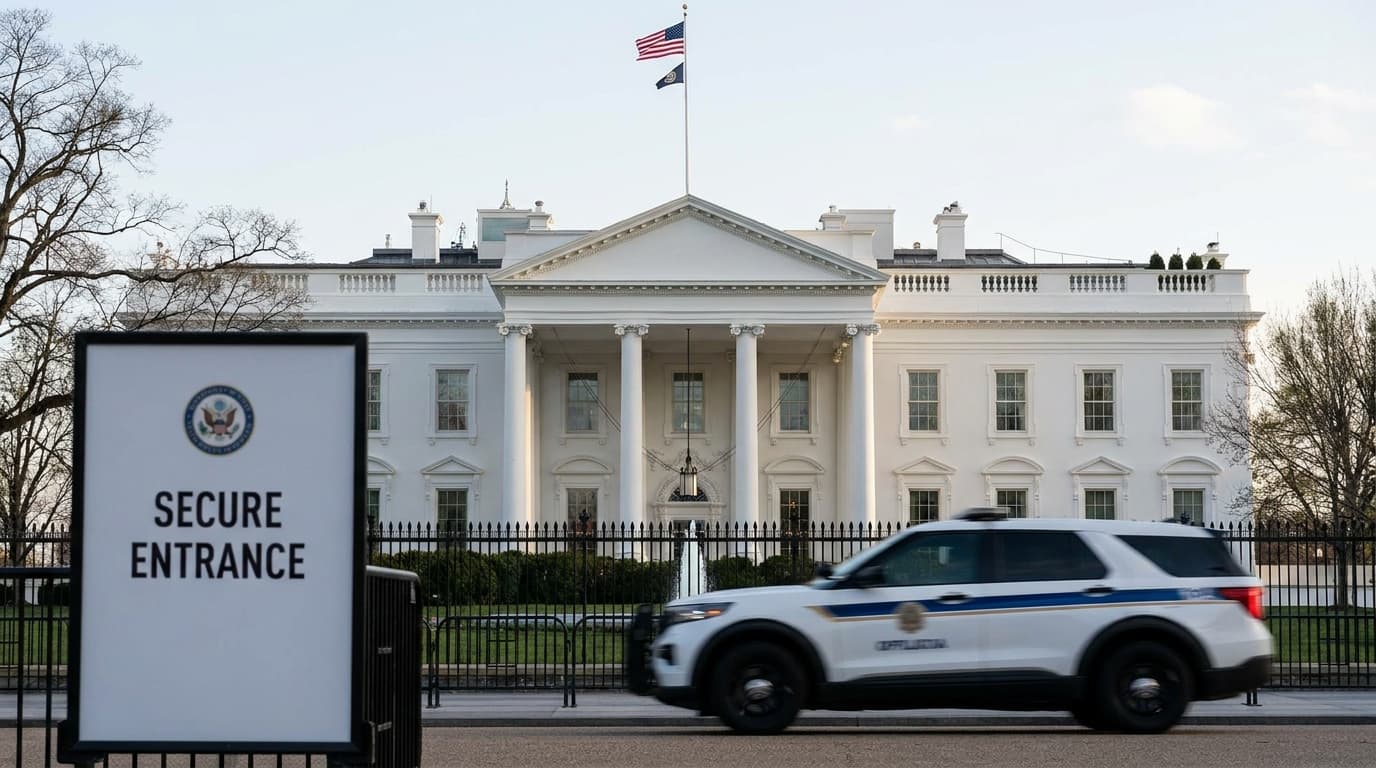
The reports say senior officials met in the Oval Office on Friday to discuss an executive order that would create an external panel able to reject NIH grants. If adopted, the proposal would mark a break from the scientific review system that has long guided NIH funding decisions and would add another layer of political screening to an agency already operating under major policy changes.
What The Reported Proposal Would Change
According to The Washington Post, Russell Vought, director of the White House’s Office of Management and Budget, led criticism of the NIH during the meeting, arguing that the agency is still funding “woke” projects despite earlier efforts to eliminate grants that do not align with agency priorities.
The Post and others reported that officials discussed creating a new political commission to review NIH grants and reject those that do not conform to the administration’s agenda. Fierce noted that such a system would be a major departure from the standard NIH process, in which scientific review has traditionally been central to award decisions.
NIH Director Jay Bhattacharya, M.D., Ph.D., defended the agency’s existing process during the meeting, according to reports.
At the time of publication, Fierce said the NIH and White House had not responded to requests for comment.
The Broader Policy Context
The discussion comes after a series of changes at the NIH under Trump. Fierce reported that the agency has screened grants for language related to diversity, equity and inclusion, banned researchers from certain countries from accessing databases, and reinstated a ban on the research use of human fetal tissue obtained from abortions.
Fierce also said volatility in NIH funding during the second Trump administration has disrupted hundreds of clinical trials, disproportionately affected women and early-career researchers, and may stall progress toward potential new medicines. The reported grant-review proposal would therefore matter beyond academic governance: it could alter where biomedical research capital goes and how predictable federal support remains for translational work.
Harvard University reportedly became a flashpoint in the same Oval Office meeting. The New York Times reported that Trump complained about the administration’s inability to exert more control over Harvard, while Politico reported that Trump asked Bhattacharya to cut Harvard’s funding and that the NIH director refused. Fierce said Harvard had not responded to its request for comment at press time.
The immediate signal for research organizations is that process risk may be rising alongside budget risk. If scientific peer review no longer serves as the last word on NIH awards, applicants may have to factor political fit more directly into funding strategy.