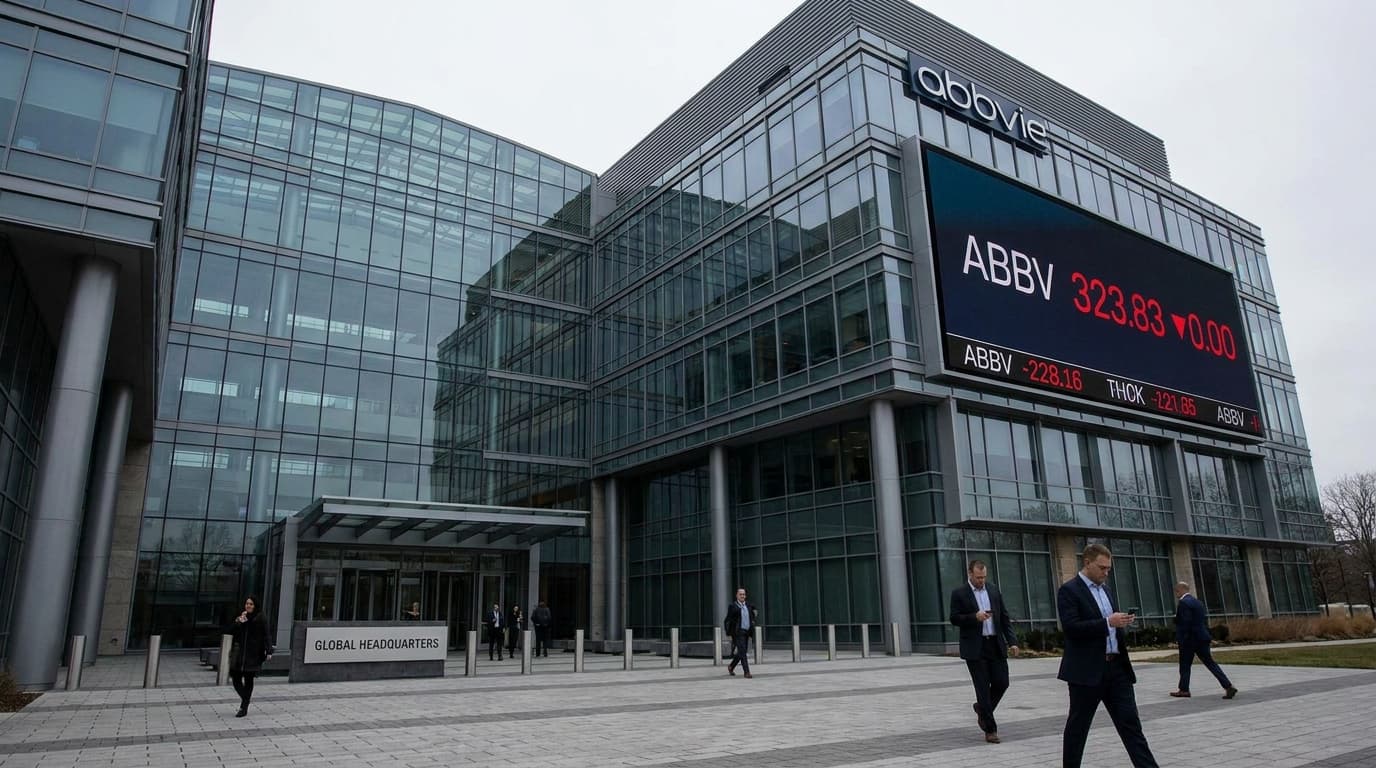
AbbVie’s late-stage hidradenitis suppurativa readout landed in the narrow space between technical success and commercial doubt. The company said its Phase 3 INTREPID study of lutikizumab met the primary endpoint, with treated patients posting a 31.4% response rate in abscess and nodule count reduction at week 16 versus 23.4% for placebo, an 8% statistically significant difference.
That result, however, came in below the bar set by the drug’s own earlier data. Guggenheim Partners called the placebo-adjusted response rate disappointing because mid-phase testing had shown a 28% improvement over placebo, while BMO Capital Markets argued the trial still validates IL-1α/β inhibition as a mechanism in hidradenitis suppurativa and could widen treatment options for patients who need an alternative approach.
The data
INTREPID enrolled about 1,400 patients with hidradenitis suppurativa, a chronic disease that causes painful cysts and abscesses and can lead to irreversible skin damage. Lutikizumab is a dual-variable-domain immunoglobulin targeting IL-1α and IL-1β, two inflammatory cytokines.
Beyond the primary endpoint, AbbVie said lutikizumab hit eight secondary endpoints. BMO pointed in particular to reductions in pain and flares, and also highlighted what it described as a clean safety profile that could support chronic use. Those details matter because the topline efficacy alone did not clearly separate the drug from competitors already setting benchmarks in the field.
The commercial picture
Comparisons across studies are imperfect, but they are shaping how investors are reading this asset. The current leading hidradenitis suppurativa treatment, UCB’s Bimzelx, produced a 20% placebo-adjusted response rate at week 16, according to the source report. Merck’s mid-stage anti-TL1A candidate tulisokibart recently posted about a 25% placebo-adjusted reduction in hidradenitis suppurativa.
That leaves AbbVie with a positive Phase 3 study, but not an obvious efficacy lead. Guggenheim wrote that while the data could be enough to support regulatory approval, commercial uptake for lutikizumab monotherapy in hidradenitis suppurativa will likely be limited. The strategic value may instead be in proving that IL-1α/β inhibition has a place in the disease, even if this first readout did not establish a dominant standalone product profile.
The market reaction extended beyond AbbVie. Leerink Partners described the study as a key external catalyst for Avalo Therapeutics, whose IL-1β antagonist abdakibart has some mechanistic overlap with lutikizumab. Avalo shares fell more than 36% on Thursday, though Leerink called that reaction overdone and argued the underwhelming lutikizumab result could actually create more room for differentiation.
What to watch
AbbVie said it plans to test lutikizumab in combination with its long-acting amylin analog ABBV-295 later this year, and it also flagged the potential to pair the drug with anti-TL1A antibody ABBV-701 to address multiple disease pathways in hidradenitis suppurativa. That signals a strategy shift away from relying only on monotherapy positioning.
The company expects to share 36-week blinded extension data next year, and said those findings could support regulatory filings in the second half of 2027. Analysts are looking to those data for a clearer read on durability, long-term safety and where lutikizumab might fit commercially if AbbVie advances it toward market.