The FDA appears to have put two closely watched Makary-era initiatives into a holding pattern: the Commissioner’s National Priority Voucher pilot for ultra-fast drug reviews and the agency’s real-time public posting of complete response letters.
According to Reuters, as cited by Fierce Biotech, the FDA is still accepting CNPV applications but is not reviewing or granting new ones. In a statement to Fierce, an HHS spokesperson said work under the program is “ongoing” and that FDA career staff continue to evaluate applications already granted a CNPV, meet accelerated review commitments and assess best practices emerging from the pilot.
The Program’s Practical Shift
The CNPV was launched by former FDA commissioner Marty Makary, M.D., to accelerate reviews for drugs and companies that support U.S. national interests, including large unmet medical needs and onshoring of development and manufacturing. The model cut the agency’s review timeline from the regular 10 months to one to two months.
Since the pilot’s rollout in June 2025, 22 drug programs have received a voucher, with 12 approvals and one rejection to date, according to the Fierce report. Reuters also reported that the council of FDA leadership responsible for key decisions around the program has gone dormant, citing internal documents.
That matters because the CNPV’s central promise was not only speed, but a distinct review pathway tied to senior leadership involvement. Fierce noted that recent review documents for Revolution Medicines’ pancreatic cancer drug Rasonque, which was part of the initial batch of nine CNPV programs, did not show involvement of that council. Instead, the review was conducted and decided by the Oncology Center of Excellence under the pre-existing real-time oncology review framework.
The signal for companies is that the agency may be preserving timelines already promised to selected participants while stepping back from expanding a politically contentious pilot. If that holds, CNPV shifts from a broad strategic option for applicants to a closed or semi-closed cohort whose remaining value lies in commitments already made.
Why The Program Drew Fire
The pilot drew criticism almost from the start. Public concerns ranged from political favoritism and lack of transparency to whether the model strained the FDA’s bandwidth. The most recent publicly visible CNPV grants appear to have been for a trio of psychedelics in April after an executive order from President Donald Trump, plus a May disclosure for Partner Therapeutics’ cholangiocarcinoma drug Bizengri. Fierce reported that there is no public record of any new CNPVs after Makary resigned in mid-May.
The controversy intensified in May when Sanofi reportedly asked that its diabetes drug Tzield be withdrawn from the CNPV track after then-director of the FDA’s Center for Drug Evaluation and Research, Tracy Beth Høeg, M.D., Ph.D., tried to overturn staff’s recommendation for approval.
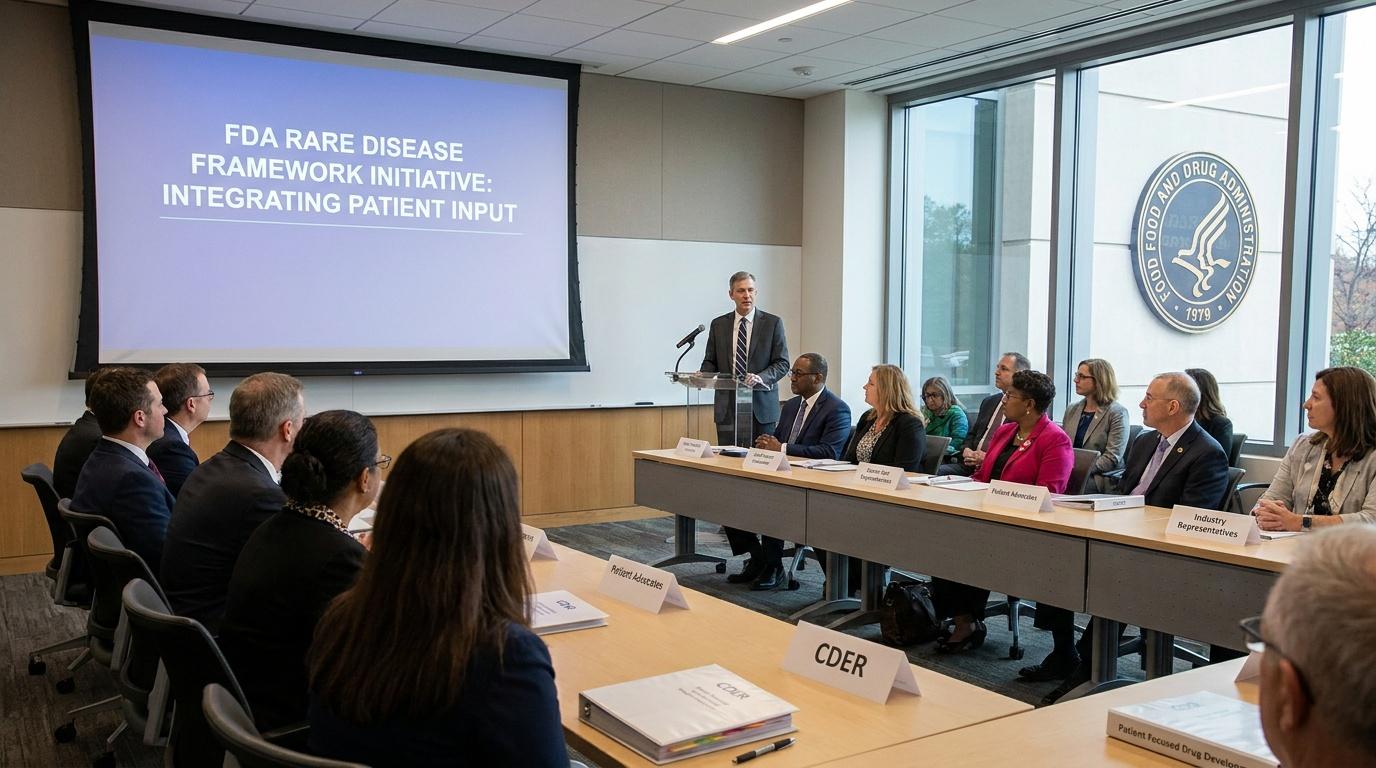
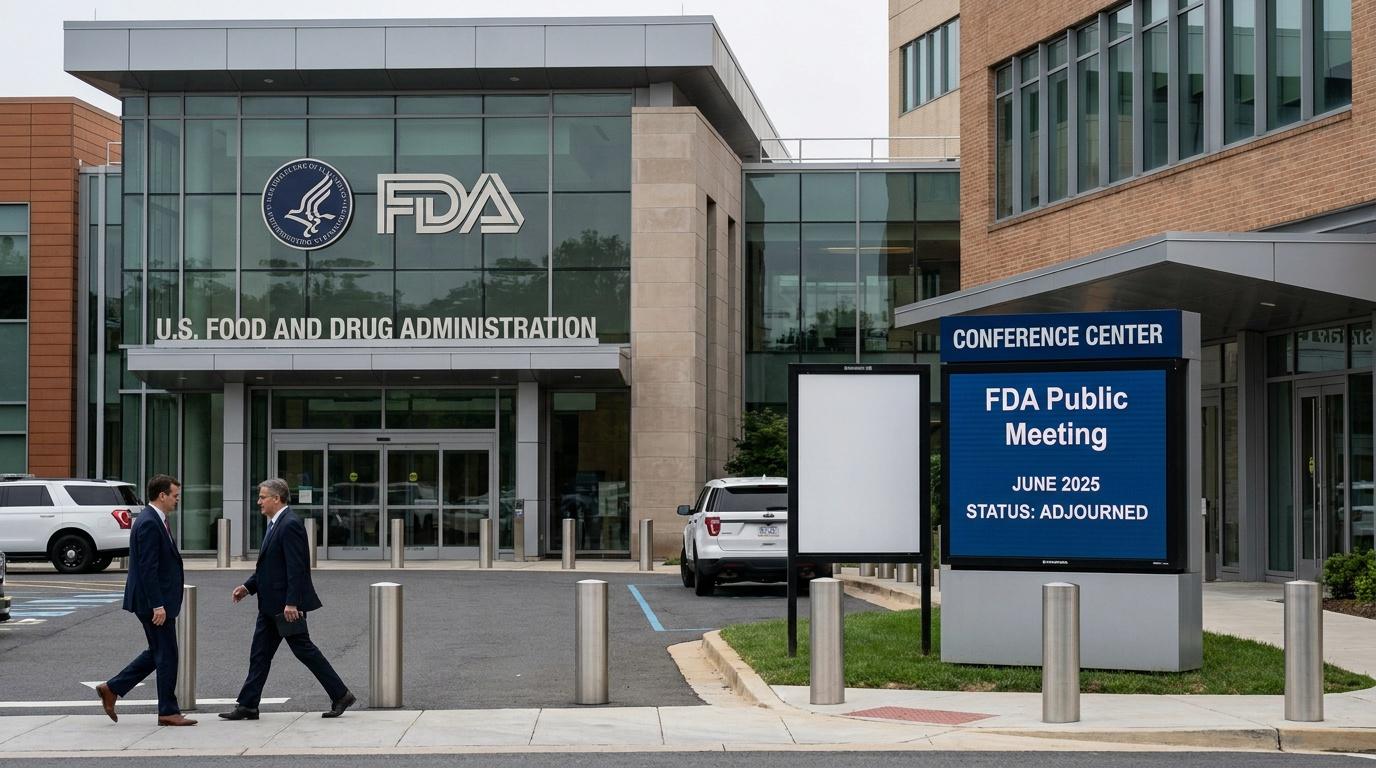
After a leadership overhaul, the FDA held a public hearing about CNPV in June. Existing beneficiaries supported the program’s collaborative features but also called for clearer feedback from the review council. Critics were sharper. Peter Lurie, M.D., former FDA employee and current president of the Center for Science in the Public Interest, urged the agency to shut down the pilot over concerns about “politicization in voucher selection and review, strained agency resources and lack of transparency.”
The program has also faced statutory questions. In a February letter to Makary, Rep. Jake Auchincloss said the agency lacked statutory authority to create CNPV and criticized the political nature of the review council.
The Parallel Pause On CRL Transparency
Fierce also reported that the FDA appears to have paused publishing complete response letters again. No new entries have been added to the database for the past three months; the most recent was a manufacturing-related rejection for ITM Isotopes Technologies’ radiopharmaceutical candidate ITM-11 in early August.
That stop-start pattern follows legal pressure. Last summer, the FDA began publishing all complete response letters in a public database in real time as part of Makary’s “radical transparency” push. In April, Covington & Burling filed a Citizen Petition arguing the practice could violate federal laws protecting confidential information. The FDA has since included a legislative proposal in its fiscal year 2027 budget request asking Congress for clear statutory authority to disclose CRL-related information publicly.
The agency’s public position, however, has not changed as clearly as its apparent behavior. After a three-month hiatus, the FDA had resumed posting some letters in July and said it planned to publish more “appropriately redacted” CRLs. In response to Fierce’s latest questions, an FDA spokesperson again said the agency remains committed to proactive CRL release.
Taken together, the two pauses point to the same constraint: reforms built on aggressive interpretations of existing authority can move quickly at launch, but they are harder to sustain once legal, procedural and political scrutiny intensifies.