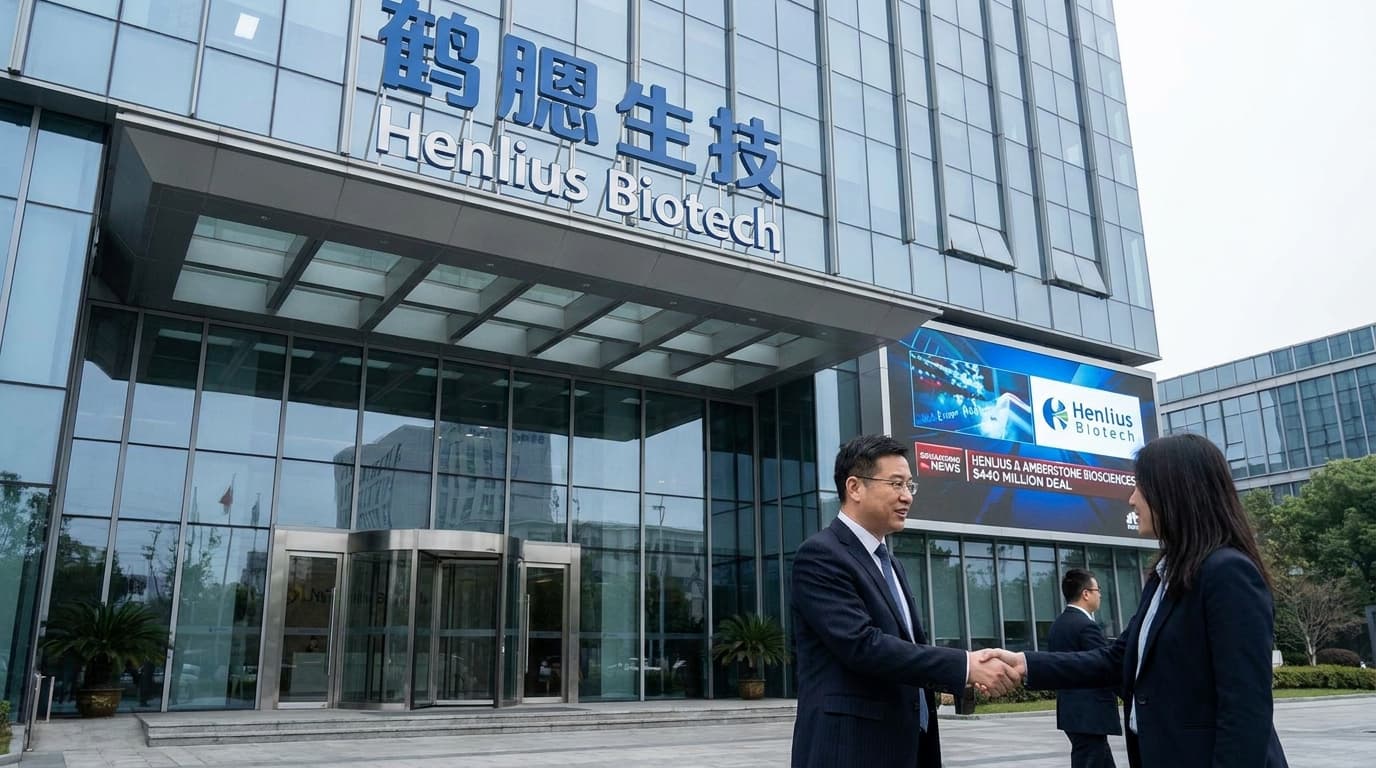
Fosun Pharma subsidiary Henlius Biotech has signed a deal worth up to $440 million with California-based Amberstone Biosciences to work on T-cell engagers, adding another cross-border partnering move in a modality that has shown activity but also meaningful tolerability concerns.
Under the agreement, Amberstone will use its T-Mate platform to generate preclinical T-cell engagers aimed at up to two targets selected by Henlius. Henlius will then take over development and, if successful, commercialization. Amberstone is eligible for an upfront payment plus potential development, regulatory and sales milestones, though the companies did not provide a financial breakdown. The biotech would also receive royalties if a resulting product reaches market.
The platform pitch
Amberstone said its platform is designed to address one of the main shadows over approved T-cell therapies: adverse events such as cytokine release syndrome. Its approach uses an acidity-sensitive switching mechanism intended to reduce T-cell activation in healthy tissues while retaining therapeutic activity across a broad range of pH conditions found in solid tumors.
The company pointed to preclinical studies suggesting its in-house T-cell engager can kill tumor cells under tumor-like pH conditions with markedly reduced activity at the body’s normal pH. That in-house candidate is due to enter the clinic in the first half of next year.
T-cell engagers are antibody-based therapeutics that can reprogram T cells for antigen-specific elimination of target cells. Most approved products are used in blood cancers, although some have reached solid tumors, including Amgen’s Imdelltra in small cell lung cancer. That context helps explain the appeal of a platform meant to widen the therapeutic window, especially if it can make solid-tumor use more manageable.
Strategic context for Henlius
Henlius built its name in biosimilars, including a biosimilar of Roche’s Rituxan that was the first biosimilar approved in China and the first China-made biosimilar approved in Europe. The Amberstone deal fits its broader shift toward operating as a global biopharma with more proprietary assets.
That shift has also included picking up the regional rights to HanchorBio’s phase 2 CD47 blocker last year and adding an anti-IL-1RAP monoclonal antibody from U-mab Biopharma. The signal in the Amberstone partnership is that Henlius is using external innovation not just to add programs, but to move into technically harder oncology formats where differentiation matters more than scale alone.