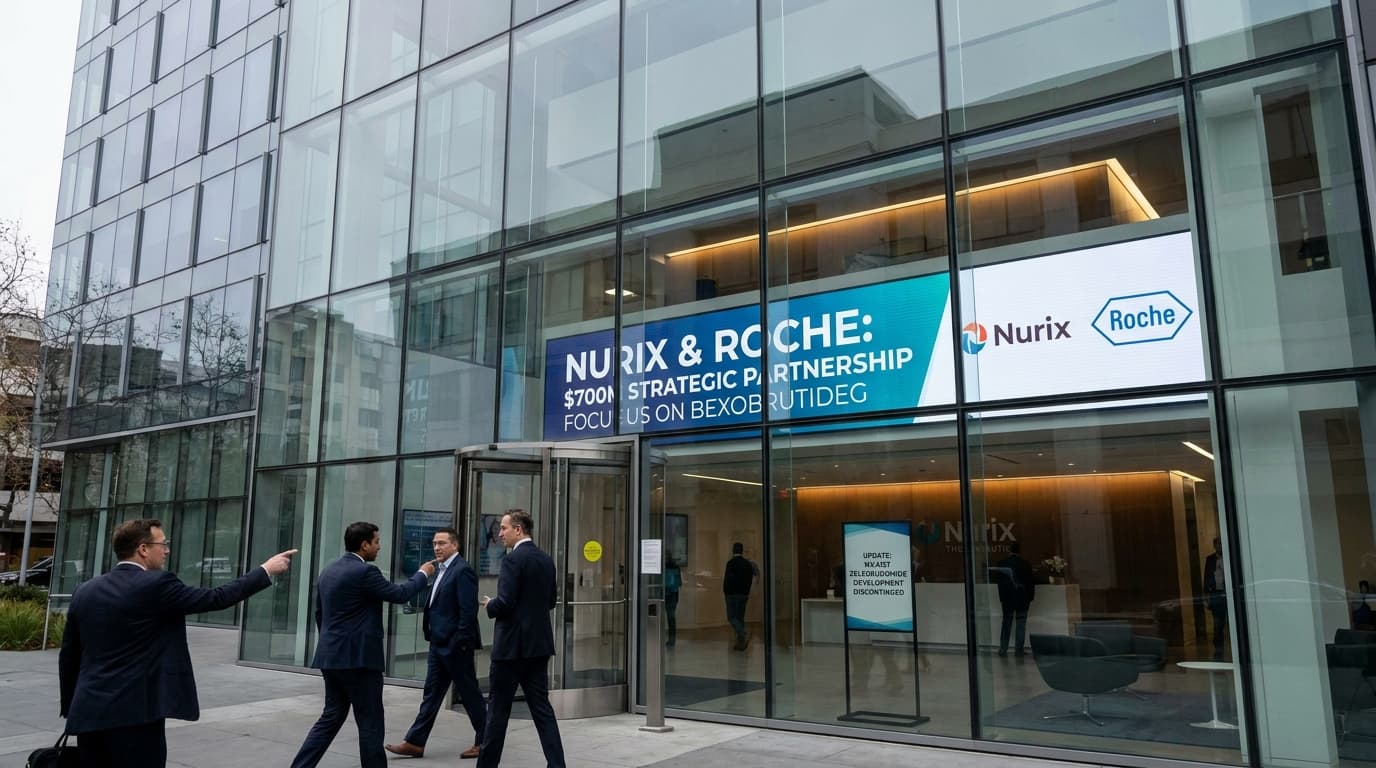
Nurix has ended further clinical development of zelebrudomide, the Bruton’s tyrosine kinase degrader also known as NX-2127, after reviewing data from a phase 1 study in aggressive non-Hodgkin lymphoma. The company disclosed the decision in its third-quarter earnings announcement, saying it was part of a strategic prioritization of its wholly owned oncology portfolio.
The cut is notable because zelebrudomide had already survived a clinical hold and completed enrollment earlier in the year. Nurix had said in July that it was reviewing the data to determine next steps. It has now answered that question by dropping the program while allowing patients currently receiving NX-2127 to remain on treatment for as long as clinically appropriate.
The Program Nurix Stopped
Zelebrudomide is an orally bioavailable degrader of BTK and the cereblon neosubstrates IKZF1 and IKZF3. Its phase 1 study enrolled patients with aggressive forms of non-Hodgkin lymphoma, including diffuse large B-cell lymphoma and mantle cell lymphoma.
The asset’s development had already been interrupted once. The FDA placed the study on hold in November 2023 after Nurix notified the agency that it planned to improve the manufacturing process. The trial resumed by March 2024. Nurix had previously said early data showed “robust and sustained degradation of BTK and biologically relevant degradation of IKZF1,” but those pharmacology signals were not enough to keep the program moving.
Where Nurix Is Concentrating Instead
Nurix’s remaining BTK degrader story now centers on bexobrutideg. In June, Roche paid $700 million upfront for that program, and the partners have since started a phase 3 trial comparing bexobrutideg with Eli Lilly’s Jaypirca in chronic or small lymphocytic leukemia.
That contrast explains the portfolio decision. BTK is not an open field: Lilly’s non-covalent Jaypirca already serves patients whose blood cancers progress on covalent BTK drugs including AbbVie and Johnson & Johnson’s Imbruvica, AstraZeneca’s Calquence and BeOne Medicines’ Brukinsa. Nurix has argued that degrading BTK rather than inhibiting it could provide advantages over existing products, but the company is no longer funding two separate oncology shots on that thesis.
Chief Executive Officer Arthur Sands said the third quarter marked an important transition as bexobrutideg entered phase 3 development in CLL and Nurix began executing a broader clinical strategy across oncology and autoimmune disease. He also said Sanofi advanced the partners’ oral STAT6 degrader into the clinic and Nurix moved its CBL-B inhibitor NX-1607 into phase 1b expansion cohorts across four solid tumor indications.
The broader message is disciplined concentration. In a tougher development environment, surviving a hold and showing target degradation does not guarantee advancement; the assets that keep moving are the ones with the clearest commercial partner support and the strongest path to differentiated data.