Otsuka and Ionis Pharmaceuticals have reported a phase 3 success for ulefnersen in amyotrophic lateral sclerosis caused by mutations in the fused in sarcoma gene, positioning the partners to approach regulators about expedited approvals. For a field where many ALS programs struggle to show clear late-stage benefit, the result stands out because it comes in a narrowly defined genetic subtype tied to a specific protein target.
The strategic picture is more mixed. FUS-ALS is often rapidly progressive and particularly important in juvenile and pediatric populations, but it accounts for about 0.6% of ALS cases. That gives Otsuka and Ionis a sharper biology story than a broad-market opportunity.
The data
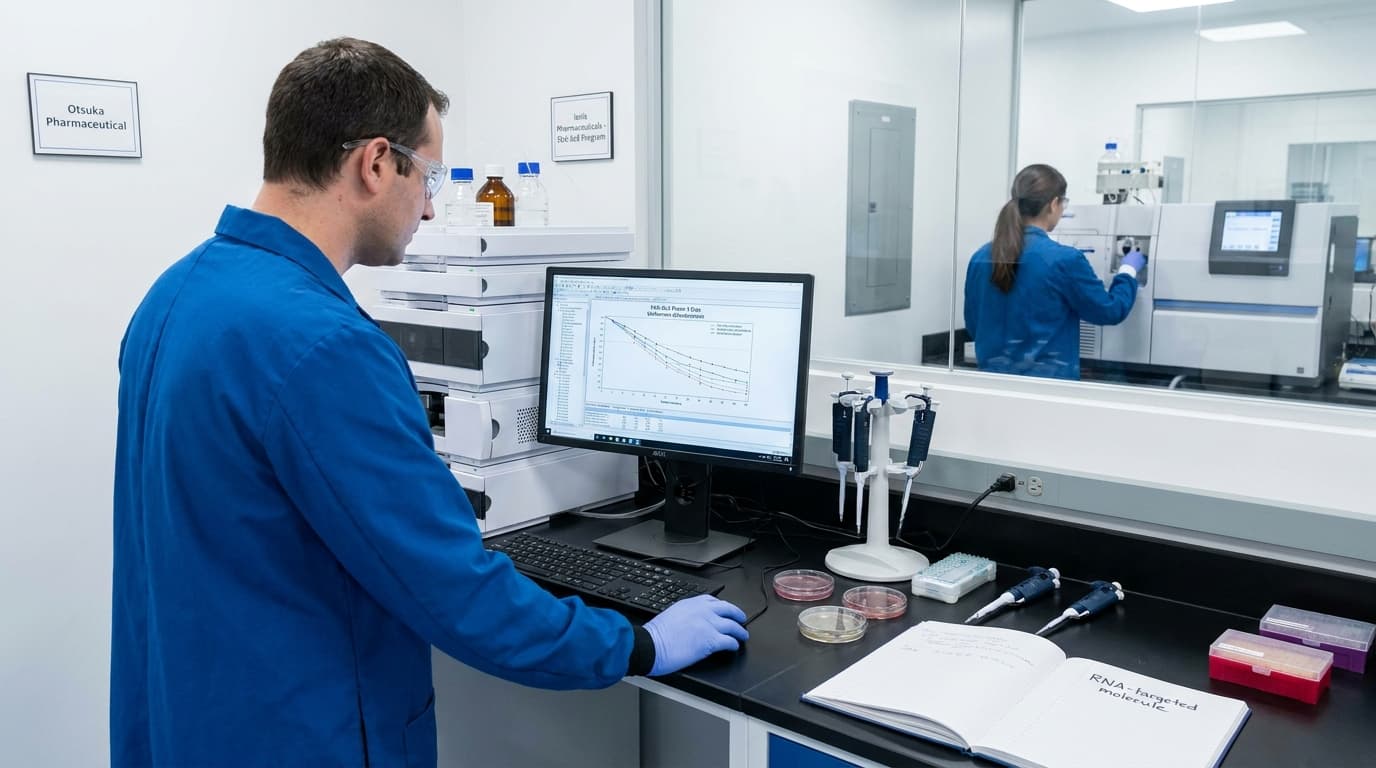
The Fusion trial enrolled 89 people with FUS-ALS. Ionis designed ulefnersen as an RNA-targeted molecule intended to lower production of the FUS protein that drives motor neuron degeneration in this rare disease.
In the 73 patients included in the primary analysis population, ulefnersen performed significantly better than placebo on the primary endpoint at Week 72. That endpoint assessed functional impairment and survival, analyzing performance on an ALS functional rating scale, time to rescue and ventilation assistance-free survival.
The companies also reported hits on secondary endpoints. Ulefnersen had a statistically bigger effect than placebo on change from baseline in a neurodegeneration biomarker, and on time to death, permanent ventilation, rescue or withdrawal because of disease progression. Otsuka and Ionis said the safety and tolerability profile was favorable, with most adverse events mild to moderate in severity.
The commercial picture
Otsuka took worldwide rights to ulefnersen in 2024 in a deal that included a $10 million upfront payment to Ionis, with Otsuka assuming responsibility for global regulatory and commercialization activities.
Even with a positive phase 3 result, the revenue outlook described in the source remains modest. Guggenheim Securities analysts forecast that ulefnersen revenue to Ionis, which will receive royalties on sales, will rise to $14 million by 2030 and reach $16 million by 2036. That limited forecast reflects the same feature that makes the program scientifically differentiated: an ultra-small, genetically defined population.