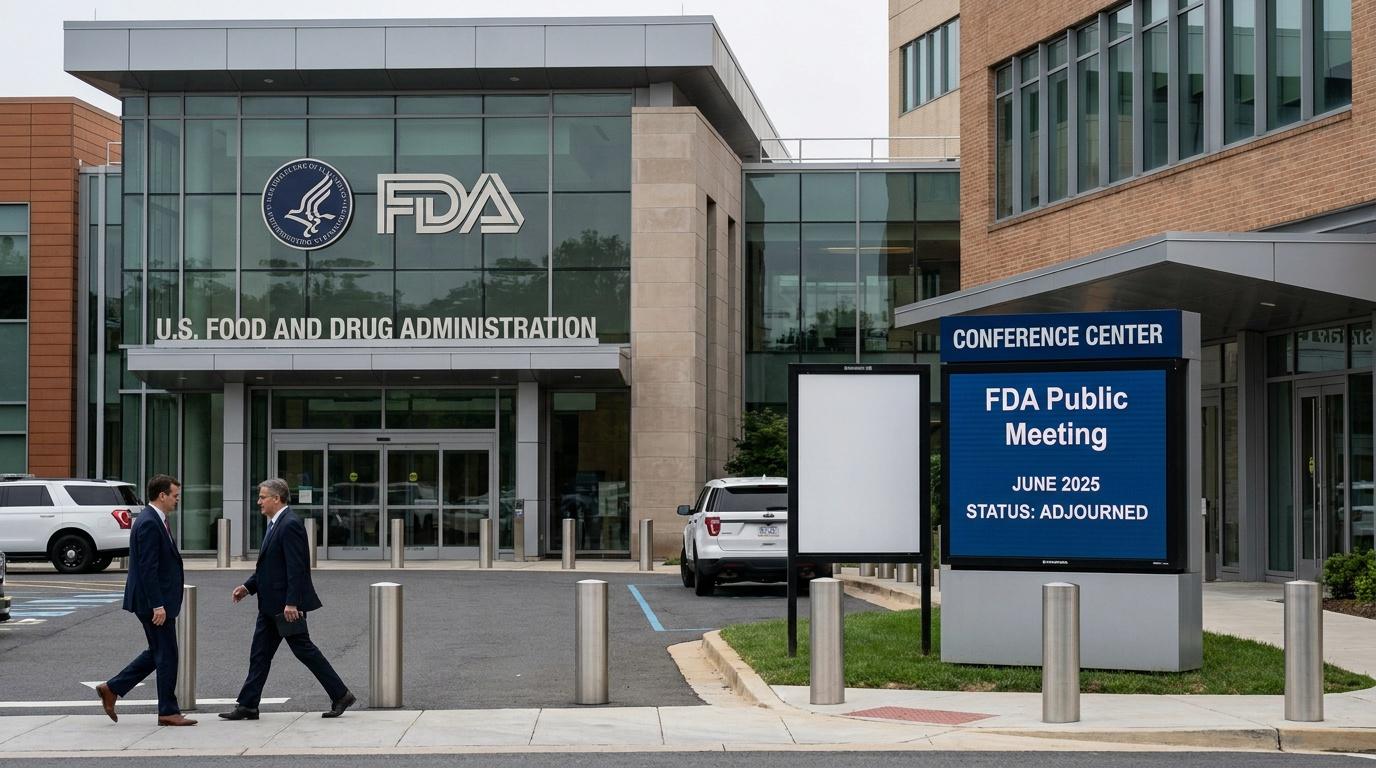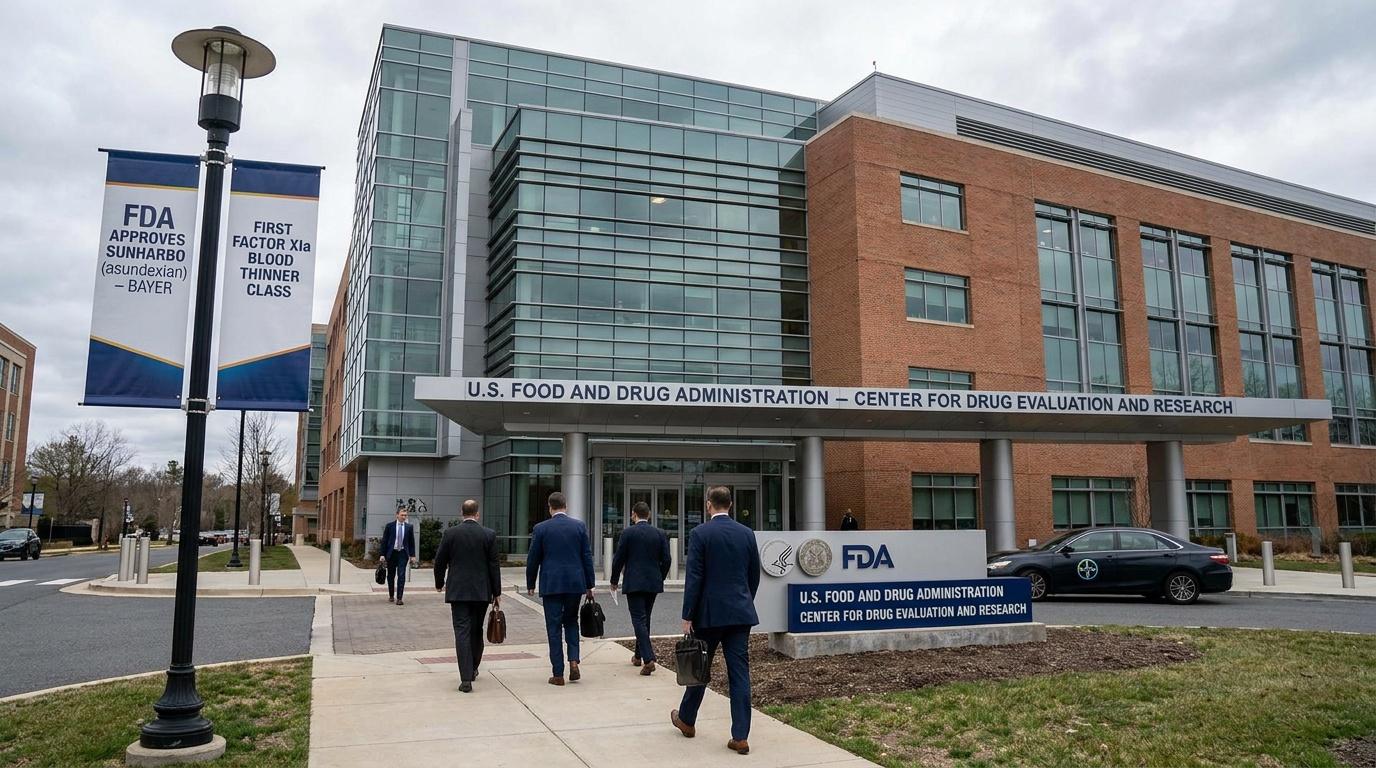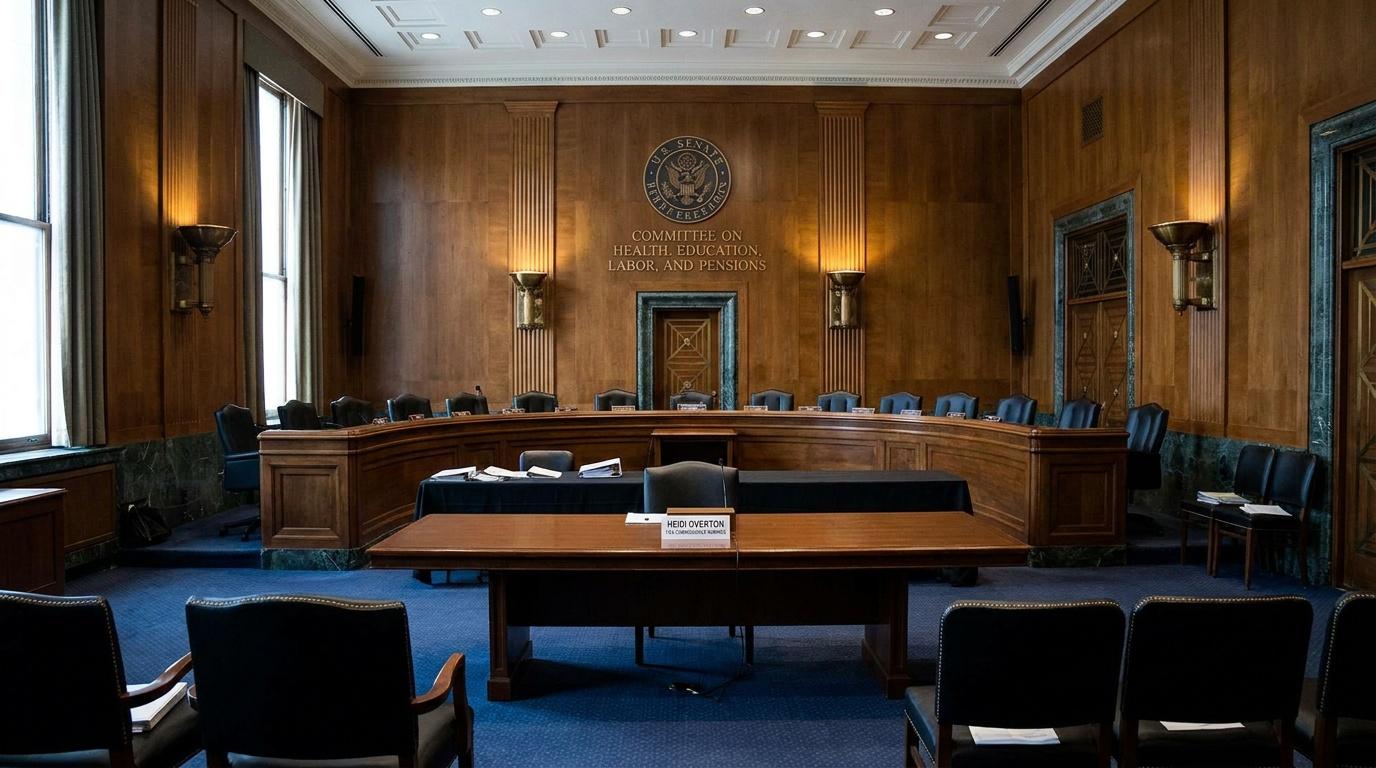
The White House pulled Heidi Overton’s nomination to become the next FDA commissioner on Tuesday evening, hours before the Senate Health, Education, Labor, and Pensions Committee was set to vote on her confirmation. The administration confirmed the move to The Hill, according to BioSpace, after support for Overton appeared to weaken among Senate Republicans as well as Democrats.
The decision removes a nominee the White House had elevated in August after the agency had already spent three months without a permanent leader. Since former FDA commissioner Marty Makary departed in May, Kyle Diamantas has led the agency in an interim capacity, according to Fierce Biotech.
The signal for biopharma is less about a sudden policy reversal than about the lack of a stable, Senate-confirmed regulator. Citi analysts, cited by Fierce, said the withdrawal has a negative impact on biopharma by "extending uncertainty around permanent agency leadership," while also saying they do not view it as a material near-term change to the regulatory environment facing most drug and biologics sponsors.
Why The Nomination Faltered
Overton, a physician who currently serves as deputy director of the White House’s Domestic Policy Council, had faced a contentious confirmation process. BioSpace reported that some Trump administration officials had grown skeptical that the Senate would confirm her, with The Washington Post describing internal discussions over whether to shore up or abandon the nomination.
At her September hearing, senators pressed Overton on vaccines, abortion, flavored vapes and whether President Donald Trump could be wrong on medical information, according to Fierce. She said multiple times that FDA-approved vaccines and mifepristone are safe and effective, but she did not say Trump had been wrong when his medical claims conflicted with scientific evidence.
That hesitation became central to the political problem around her nomination. Democratic opposition was explicit: Sen. Ed Markey told Fierce he would vote against her and urge colleagues to do the same. Public Citizen’s Robert Steinbrook also urged the HELP committee to reject her nomination, saying the FDA needs a commissioner who stands for science and agency integrity.
Republican support was also uncertain. Sen. Bill Cassidy, the committee chair, raised concerns during the hearing and later on CBS’s Face the Nation. BioSpace quoted Cassidy tying those concerns to promises he said Health Secretary Robert F. Kennedy Jr. had made during his own Senate hearing in January 2025 and later did not keep because the president had directed otherwise. On Sunday, Cassidy said, “I still have questions, and so I cannot tell you the outcome of that vote right now.”
The Political Liabilities
BioSpace reported that Overton’s White House record worked against her, particularly her presence behind Trump in August when he signed an executive order saying the combined measles, mumps and rubella vaccine should be split into three single-disease shots, immunizations that are not currently approved in the U.S. During the September hearing, Bernie Sanders said he had serious concerns about her nomination based on her role in advancing the administration’s agenda.
The timing added pressure. BioSpace noted that the country lost its measles elimination status on Tuesday amid growing case counts and deaths, giving critics another public-health context in which vaccine policy and scientific independence mattered politically.
The nomination also became entangled with broader concerns about governance at the agency. Sen. Chris Murphy asked Overton to commit to restarting advisory committees that had been disbanded under Trump. Since the beginning of the president’s second term in January 2025, Murphy said, 27% of all advisory boards had been eliminated. BioSpace also reported that since taking over as acting commissioner in May, Diamantas has brought advisory committee meetings back, and that both he and Center for Biologics Research and Evaluation director Karim Mikhail have been public about wanting more advisory committees.
What Comes Next
Fierce reported that Republicans were discussing Sen. Roger Marshall as a potential replacement, citing Semafor. Whether that produces a smoother confirmation path is not addressed in the sources, but the failed Overton nomination shows how hard it may be for the White House to install a permanent FDA leader who can satisfy both the administration and Senate skeptics.
For companies, the practical takeaway is that interim management remains the operating reality at an agency already described by Fierce as facing significant upheaval. That does not necessarily alter near-term review decisions, but it does keep questions open around how consistently the FDA will project authority on issues such as advisory committee use, scientific independence and its relationship with White House health priorities.