Geron has discontinued the phase 3 IMpactMF trial of Rytelo in JAK inhibitor-pretreated myelofibrosis after an independent data monitoring committee concluded the study was unlikely to succeed on its primary endpoint. The company had been testing whether Rytelo, also known as imetelstat, could deliver a significant overall survival benefit against best available therapy in a hard-to-treat blood cancer population.
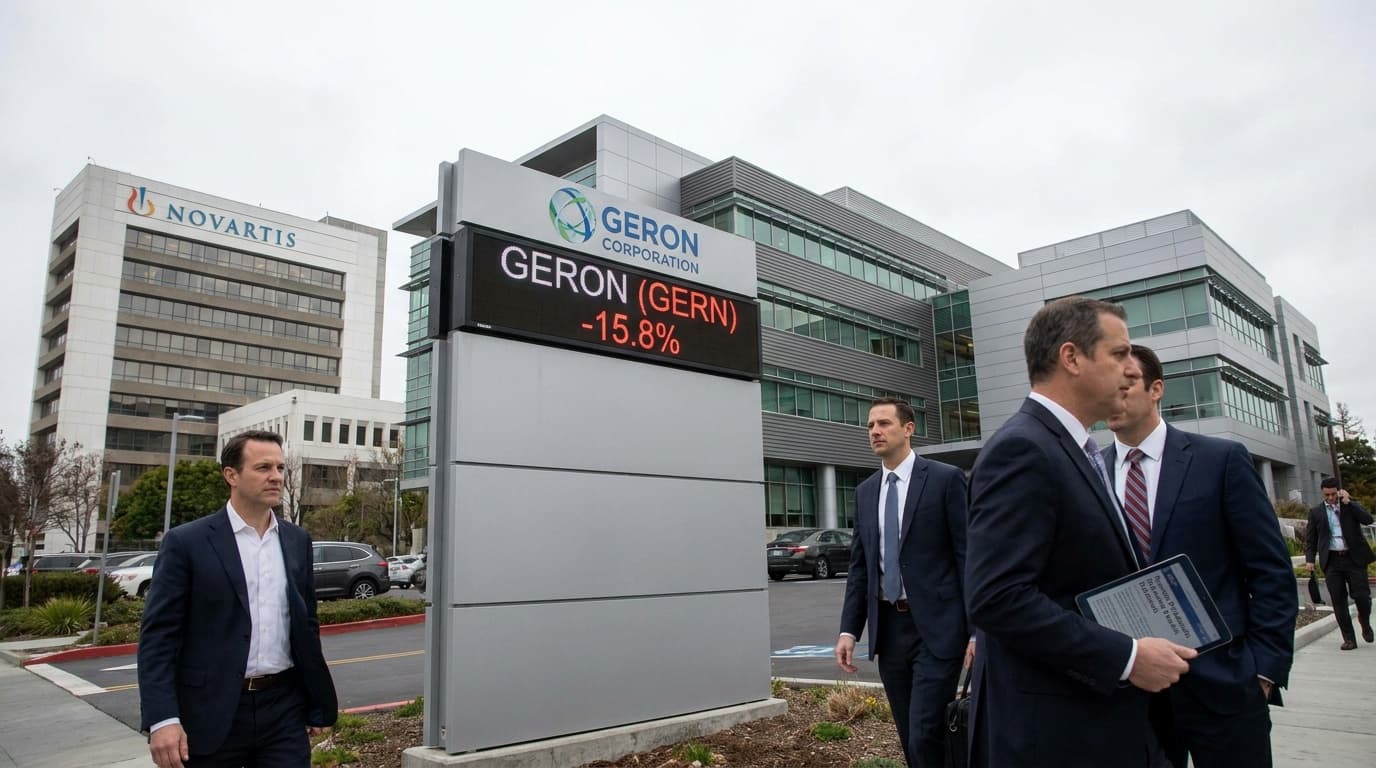
The decision hit Geron’s shares, which fell nearly 16% Wednesday to below $1 apiece at close for the first time since the pandemic-led market crash in March 2020. Strategically, the failure matters because Rytelo already has an FDA approval in a narrower setting, and expansion into myelofibrosis would have been a more ambitious effort to build a broader hematology franchise.
The data
IMpactMF enrolled 327 patients with intermediate-2 or high-risk myelofibrosis who had failed on a JAK inhibitor such as Incyte and Novartis’ Jakafi. Rytelo was compared with best available therapy.
At an interim analysis, the independent data monitoring committee determined the trial was unlikely to show a significant overall survival benefit, which was the study’s primary endpoint. Geron said there were no new safety signals that would change the known safety profile of imetelstat or require additional safety monitoring.
Dose selection remains part of the backdrop to the outcome. In IMpactMF, Geron used 9.4 mg/kg every three weeks, a higher and more frequent regimen than the 7.1 mg/kg intravenous infusion every four weeks used in Rytelo’s approved myelodysplastic syndromes indication. According to Geron’s previous public disclosures, the FDA had urged the company to consider adding another dosing arm to assess a lower dose and/or a more frequent dosing schedule in hopes of improving its chance of success through reduced toxicity and more effective spleen response, one of the trial’s secondary endpoints. Geron said in its most recent quarterly filing that phase 2 IMbark findings suggested a lower dose would likely result in a lower median overall survival and would not produce a clinically meaningful reduction in toxicity.
The road here
Rytelo received its initial FDA approval in 2024 for patients with low- to intermediate-risk myelodysplastic syndromes and transfusion-dependent anemia who have failed on, or are ineligible for, erythropoiesis-stimulating agents. In that approved setting, thrombocytopenia and neutropenia are among serious side effects that require blood count monitoring.
Geron said it remains focused on growing Rytelo demand in the U.S. and broadening access for eligible LR-MDS patients outside the U.S. That response suggests the commercial business around the approved indication now carries more weight, because the phase 3 failure removes a near-term route into another hematologic malignancy.
What to watch
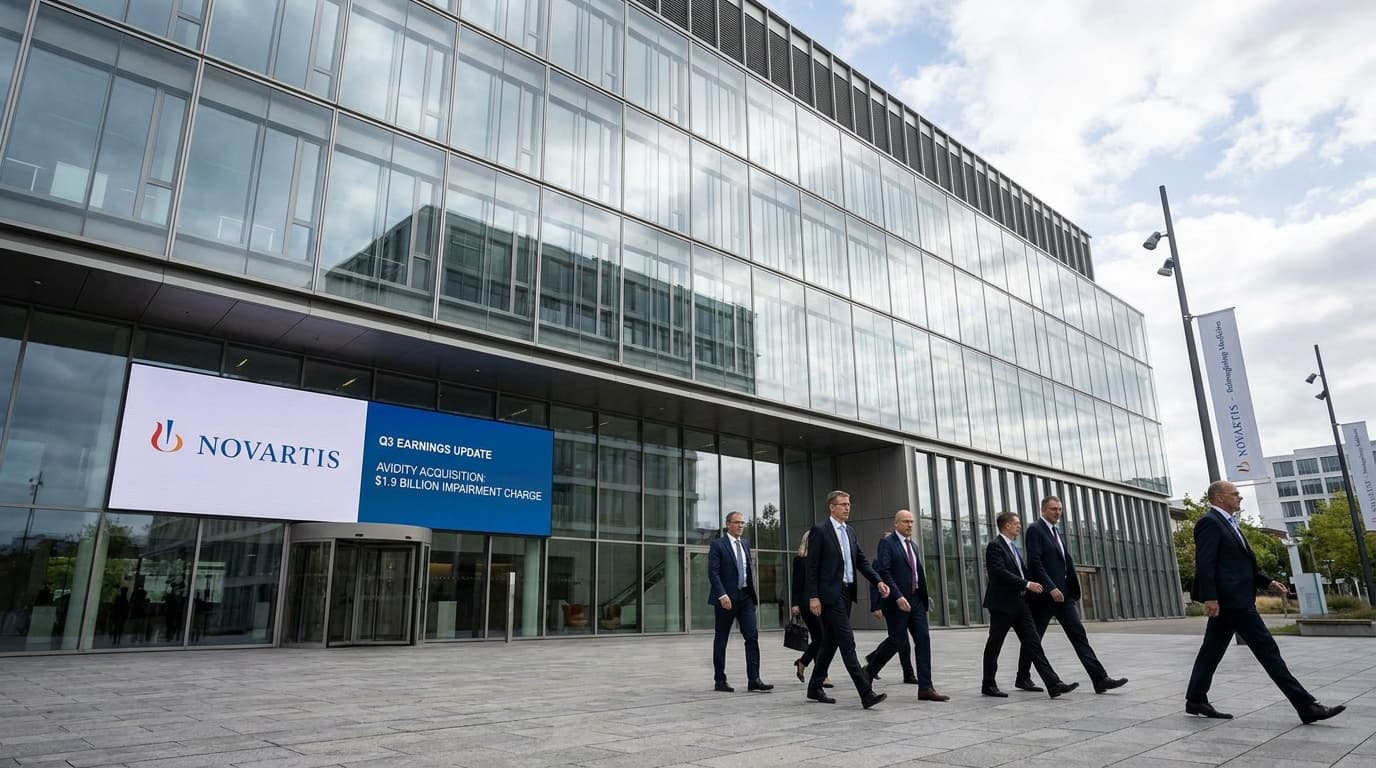
The competitive context shifted on the same day. Novartis, which had to wait for longer follow-up of the phase 3 Manifest-2 trial in post-JAK inhibitor myelofibrosis after an imbalance in malignant transformations into acute myeloid leukemia complicated its U.S. path in 2024, recently completed filing pelabresib in the EU based on those data. The company said the results showed deep and durable disease control with a safety profile comparable to Jakafi alone, including numerically fewer deaths and disease progressions in the pelabresib arm.
Novartis CEO Vas Narasimhan told investors the company now expects to speak with the FDA about a potential accelerated approval of pelabresib before the end of the year. With Geron stepping back in this setting, that regulatory interaction becomes more consequential for how the post-JAK inhibitor myelofibrosis field develops from here.