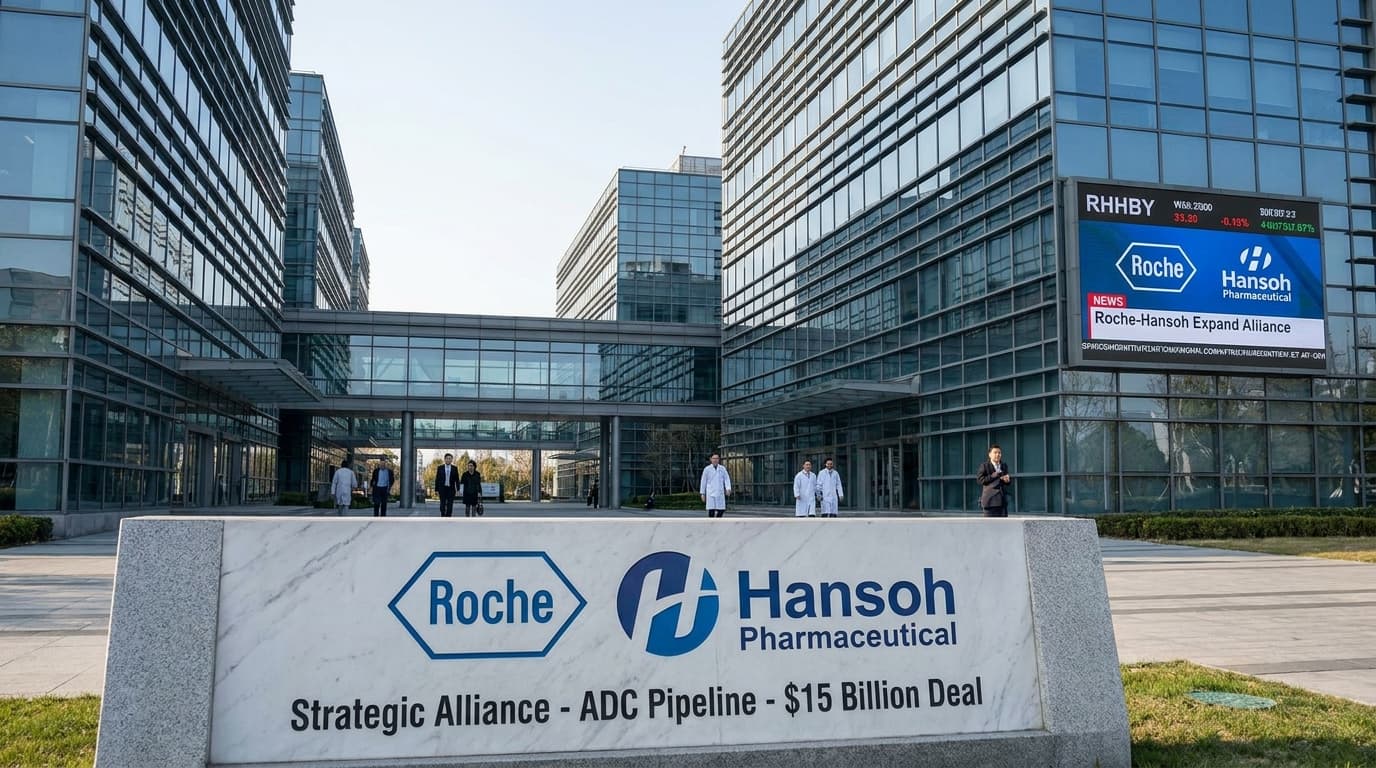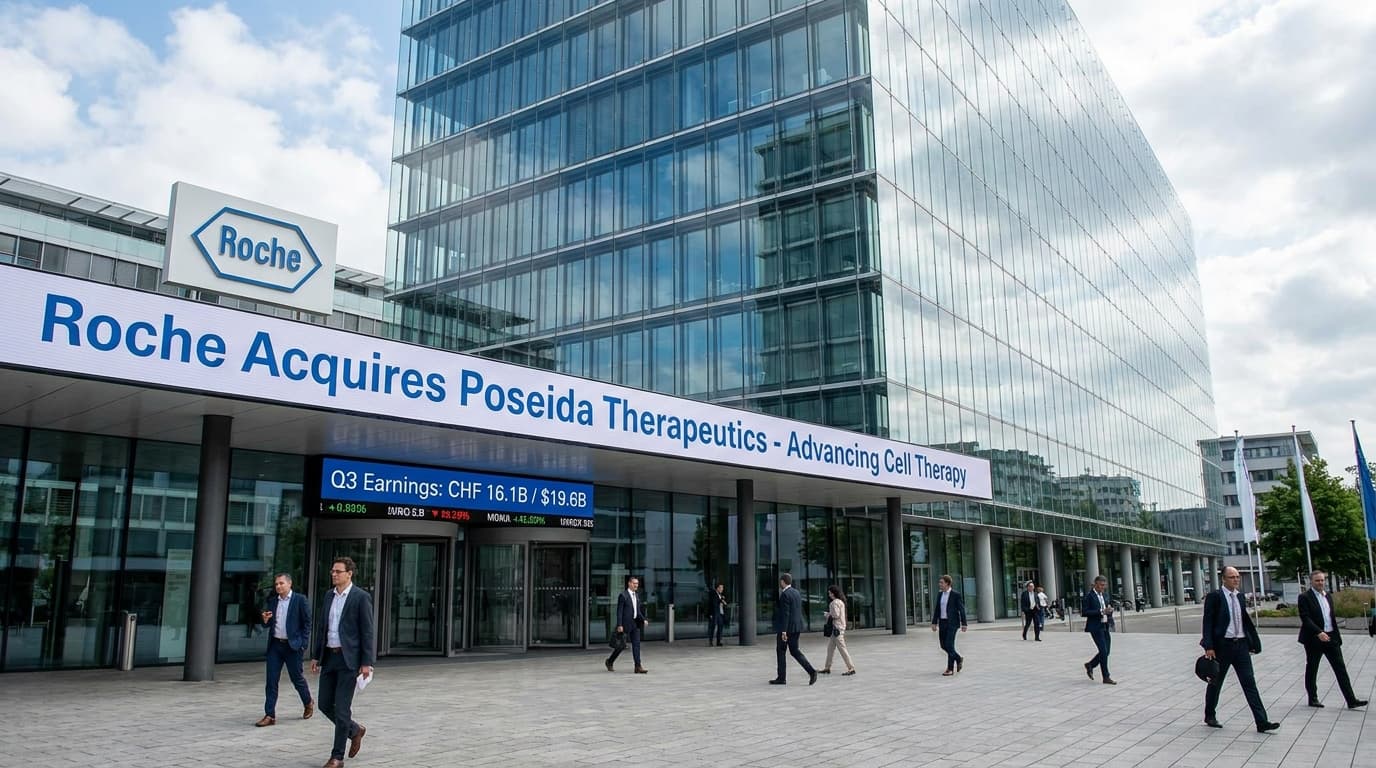
Roche has stopped development of RG6540, an investigational off-the-shelf CAR T therapy it picked up in its January 2025 acquisition of Poseida Therapeutics, trimming one of the more visible programs linked to that $1.5 billion buyout. The company had been studying the asset in Phase 1 programs for systemic lupus erythematosus and multiple sclerosis, and a separate Phase 1 study in B cell malignancies has also been terminated, according to BioSpace and a Roche spokesperson.
The company’s message on Thursday was that the cut is molecule-specific, not a rejection of the target format. During a press call for third-quarter earnings, CEO Thomas Schinecker said Roche still believes in CD19xCD20 CAR Ts and has not stopped working on them, but has stopped working on this molecule. He added that Roche is advancing other molecules from the Poseida acquisition aimed at CD19xCD20 that are “even better,” although BioSpace noted Roche lists no other CD19xCD20 programs on its pipeline page or in its most recent quarterly presentation.
The Program Roche Dropped
RG6540 is designed to bind the B cell surface markers CD19 and CD20. Roche had been running Phase 1 work in autoimmune diseases including systemic lupus erythematosus and multiple sclerosis, according to a July company presentation. That study was later withdrawn, based on an August update to a federal clinical trials database, and the molecule is now listed as removed from Roche’s pipeline.
The termination reaches beyond autoimmune indications. A Phase 1 study originally known at Poseida as P-CD19CD20-ALLO1-001 in B cell malignancies has also been ended. For a company that has been building around off-the-shelf cell therapy, that makes the decision more than routine portfolio tidying: it eliminates a cross-indication platform candidate rather than a single-indication experiment.
What Still Matters In The Poseida Deal
RG6540 was not the centerpiece of Roche’s Poseida acquisition. BioSpace identified another off-the-shelf CAR T therapy, P-BCMA-ALLO1, now called RG6538, as the main asset in the transaction. That program is in a Phase 1 study for relapsed or refractory multiple myeloma, with topline data expected in 2029.
That timing helps explain why Roche is emphasizing continued commitment to the broader cell therapy thesis. Ending RG6540 removes a nearer-term read on the CD19xCD20 concept, but it does not unwind the company’s rationale for buying Poseida or its interest in allogeneic CAR T approaches more broadly.
The same earnings update showed a wider portfolio reset. Roche also discontinued a mid-stage atopic dermatitis study of afimkibart, an anti-TL1A antibody that came from the company’s $7.1 billion acquisition of Telavant in October 2023, while continuing to develop the asset in rheumatoid arthritis, metabolic dysfunction-associated steatohepatitis and inflammatory bowel diseases. In addition, Roche ended several early-stage trials, including programs in geographic atrophy, solid tumors, muco-obstructive respiratory disease, coronary artery disease, Alzheimer’s disease and breast cancer. The company had also discontinued the mid-stage obesity candidate emugrobart in late September after disappointing mid-stage data.
Those cuts came alongside a quarter of financial strength rather than retrenchment under pressure. Roche reported a 7% Q3 earnings beat, with CHF 16.1 billion ($19.6 billion) across its business. Pharmaceuticals contributed CHF 12.6 billion ($15.4 billion), up 8% from the same period in 2025, while diagnostics rose 4% to CHF 3.5 billion ($4.3 billion). Ocrevus brought in CHF 1.8 billion ($2.2 billion) in Q3, up 9% year on year, and Hemlibra increased 13% to CHF 1.3 billion ($1.6 billion).
The signal for biotech dealmaking is that large buyers are still willing to defend an acquired platform while cutting individual assets quickly. In Roche’s case, the company is trying to separate confidence in CD19xCD20 CAR T biology from confidence in RG6540 itself, a distinction that matters for how investors read both the Poseida acquisition and the durability of allogeneic cell therapy portfolios inside larger pharma companies.