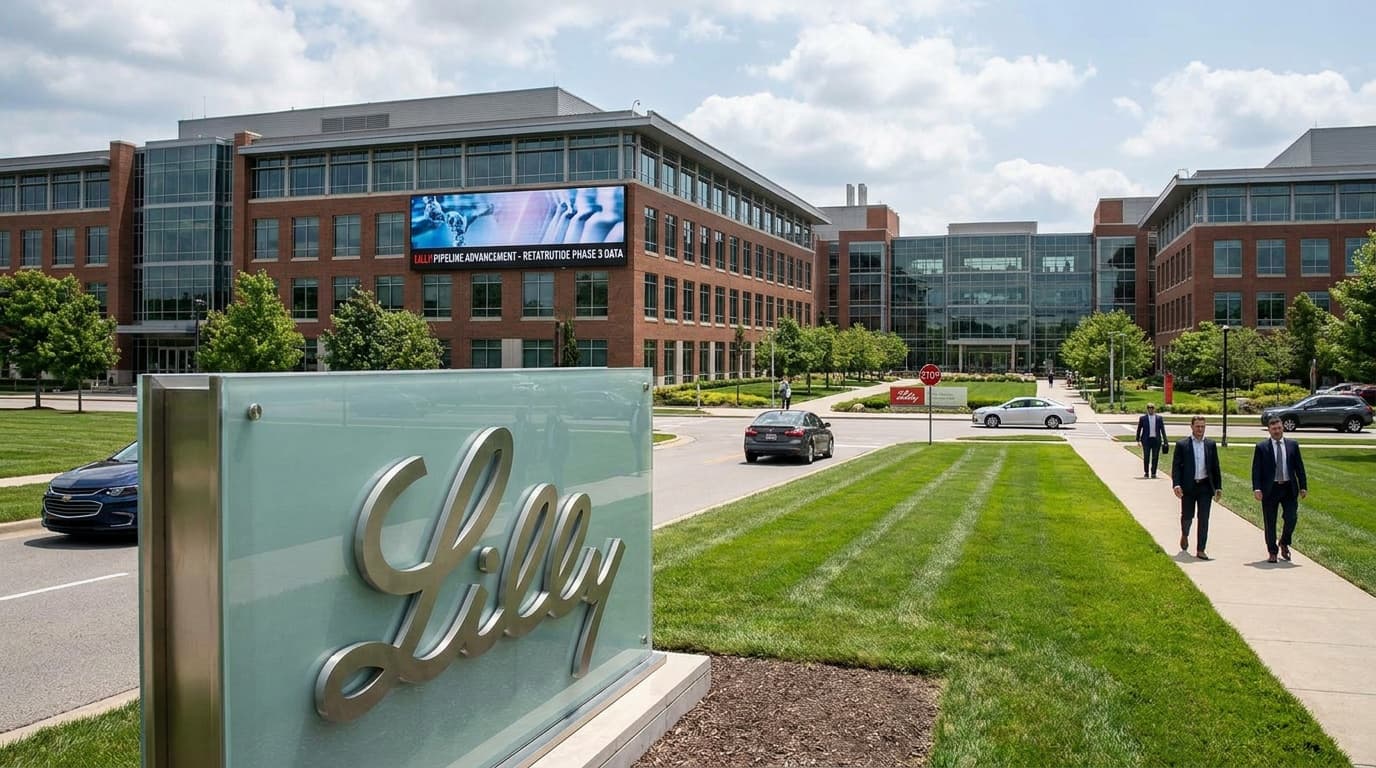
Eli Lilly has dropped mevidalen in symptomatic Alzheimer's disease, removing the phase 2 program from its pipeline as part of its third-quarter earnings update. A Lilly spokesperson said the program "did not meet our high internal bar for success."
The company has not disclosed detailed results from the Alzheimer's trial and has not clarified whether the decision affects development of mevidalen in other indications. Even so, the move closes out another attempt to position the dopamine D1 receptor positive allosteric modulator in neurodegeneration after earlier clinical disappointment.
The data
Lilly completed the phase 2 Alzheimer's trial nearly six months ago. The study enrolled 304 patients with mild-to-moderate Alzheimer's disease dementia and began in August 2024.
The trial was designed to assess safety as well as mevidalen's effects on cognition, daily activities and other symptoms. Mevidalen is designed to enhance signaling through a receptor involved in cognitive and motor function, but Lilly has not released the underlying trial data that led to the discontinuation.
This was not the drug's first setback. In 2021, Lilly said mevidalen failed to meet primary and secondary cognitive endpoints in a separate phase 2 trial in patients with Lewy body dementia. Taken together, the two outcomes suggest the molecule has not translated its mechanism into a convincing late-midstage clinical signal in neurodegenerative disease.
The commercial picture
The program cut comes as Lilly is expanding its neuroscience business through acquisitions and partnerships rather than relying on a single internal asset. In June, the company completed its $6.3 billion upfront acquisition of Centessa Pharmaceuticals, adding orexin receptor 2 agonists for narcolepsy and other sleep-wake disorders. The following month, Lilly announced a $2.8 billion upfront deal to acquire AtaiBeckley, and that acquisition closed in September.
Lilly has also added external programs through collaboration, including a deal with QurCan Therapeutics focused on delivering genetic medicines to the central and peripheral nervous systems, with QurCan eligible for up to $237 million in milestone payments per program. Against that backdrop, dropping mevidalen reads less like a retreat from neuroscience than a portfolio reset around assets Lilly believes have a better probability of success, alongside the approved Alzheimer's disease drug Kisunla and its investigational GBA1 gene therapy for Parkinson's disease.