 Oct 10, 2026
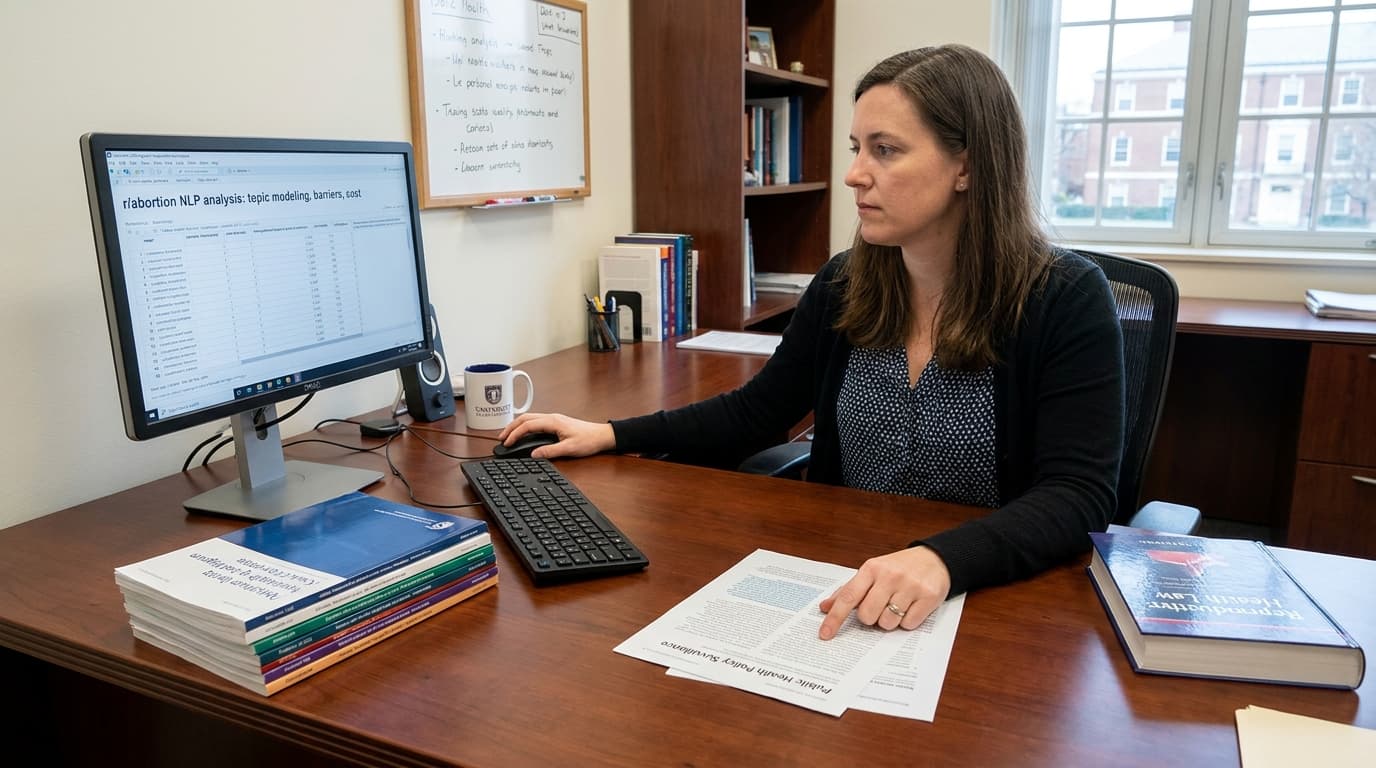
Pleasants and colleagues analyzed thousands of posts from the Reddit forum r/abortion with natural language processing alongside qualitative review. Their findings reaffirmed familiar access barriers while surfacing additional issues including mail delays for abortion medications, low credibility of online ordering platforms, and fears about legal risk.
The Catalyst Brief
Oct 9, 2026Vice President JD Vance said the Department of Labor is examining whether leading universities are using J-1 visas to bring in cheap labor rather than relying on domestic researchers. The announcement fits into a broader push to tighten rules and raise costs for international students and scholars, even as many of those measures face legal and practical challenges.
The Catalyst Brief
 Oct 8, 2026
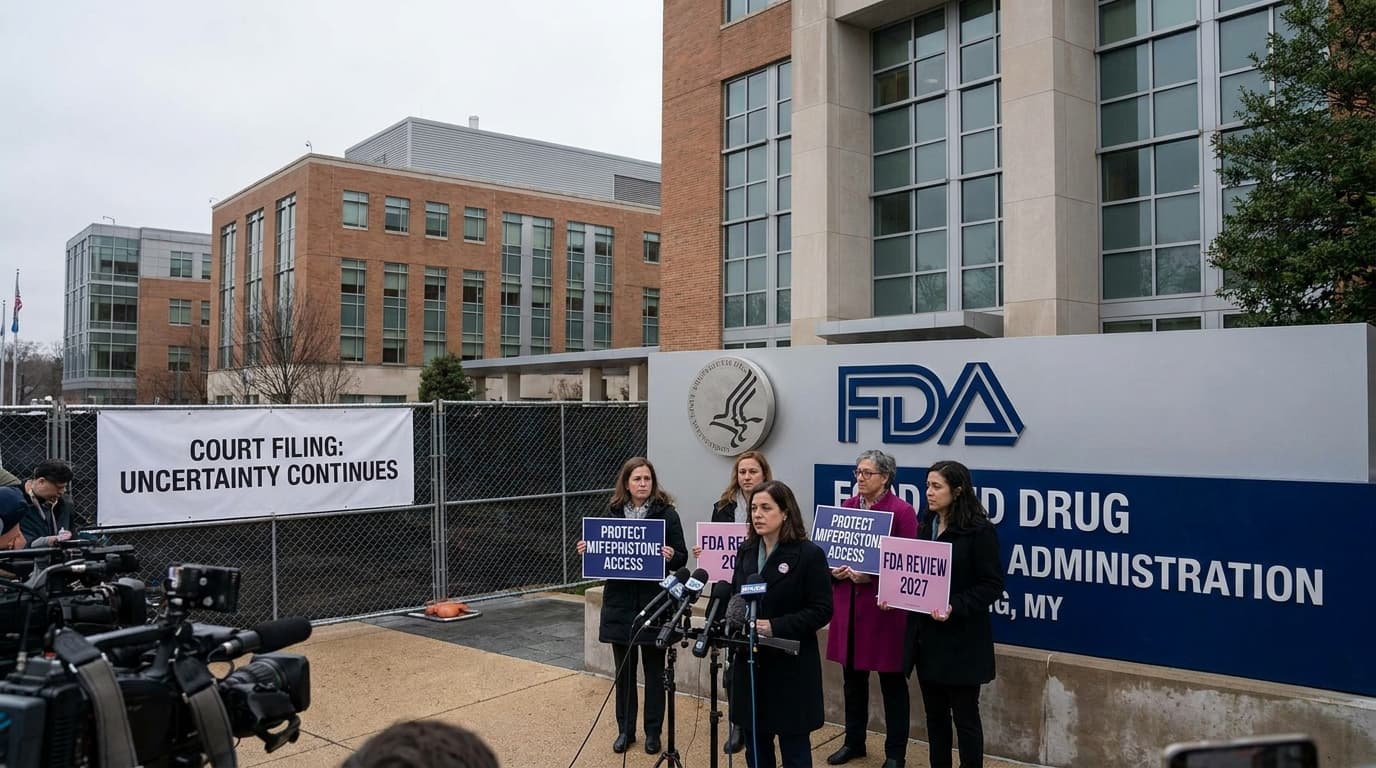
The filing is the first substantive public update on the reevaluation ordered by Health Secretary Robert F. Kennedy Jr. The agency said it is using a statistical data mining method to look for unknown safety concerns and is also considering petitions that seek changes to how the drug is prescribed and distributed.
The Catalyst Brief
 Oct 8, 2026
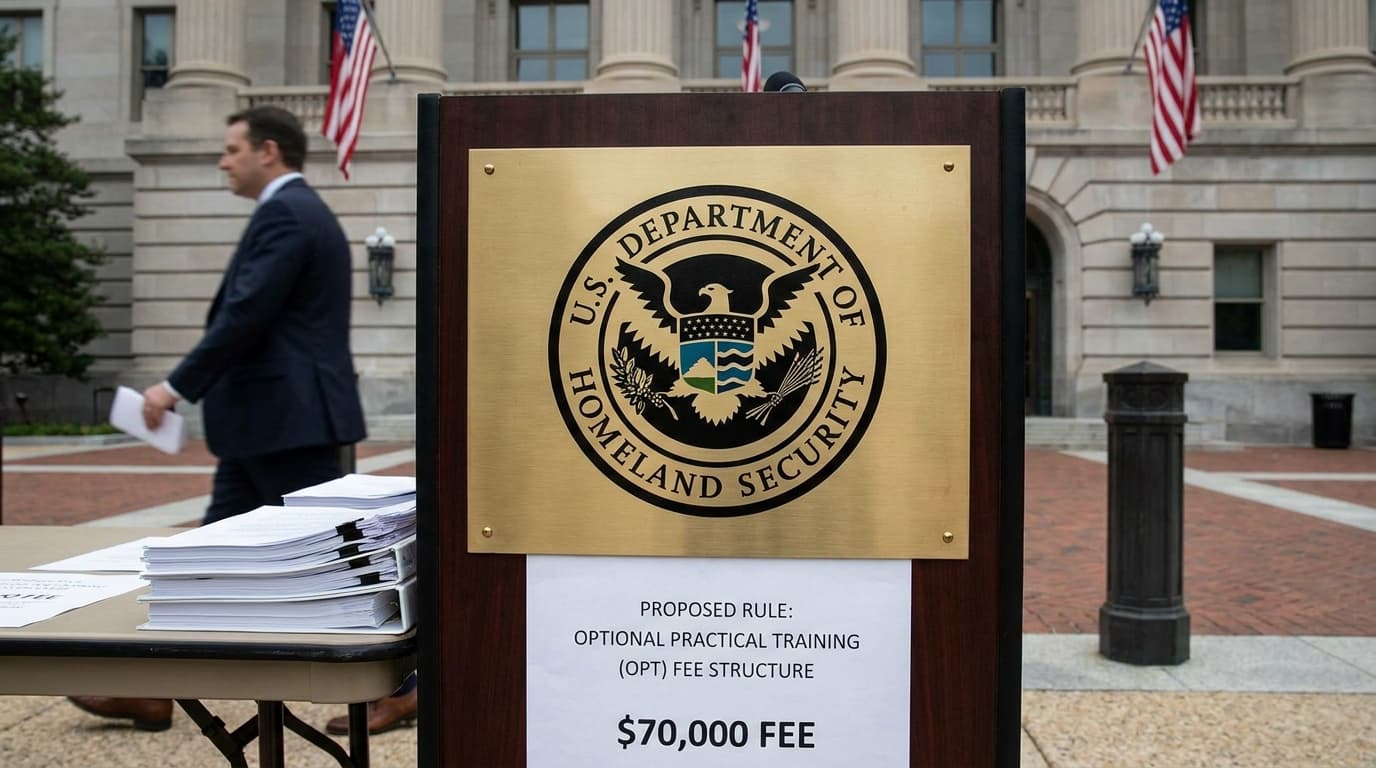
The Department of Homeland Security said the fee would help combat alleged fraud and abuse in Optional Practical Training and help U.S. citizens compete against international applicants in the job market. Critics argue the proposal adds another layer of uncertainty to a system that many science trainees use as a bridge to longer-term work in the U.S.
The Catalyst Brief
 Oct 7, 2026
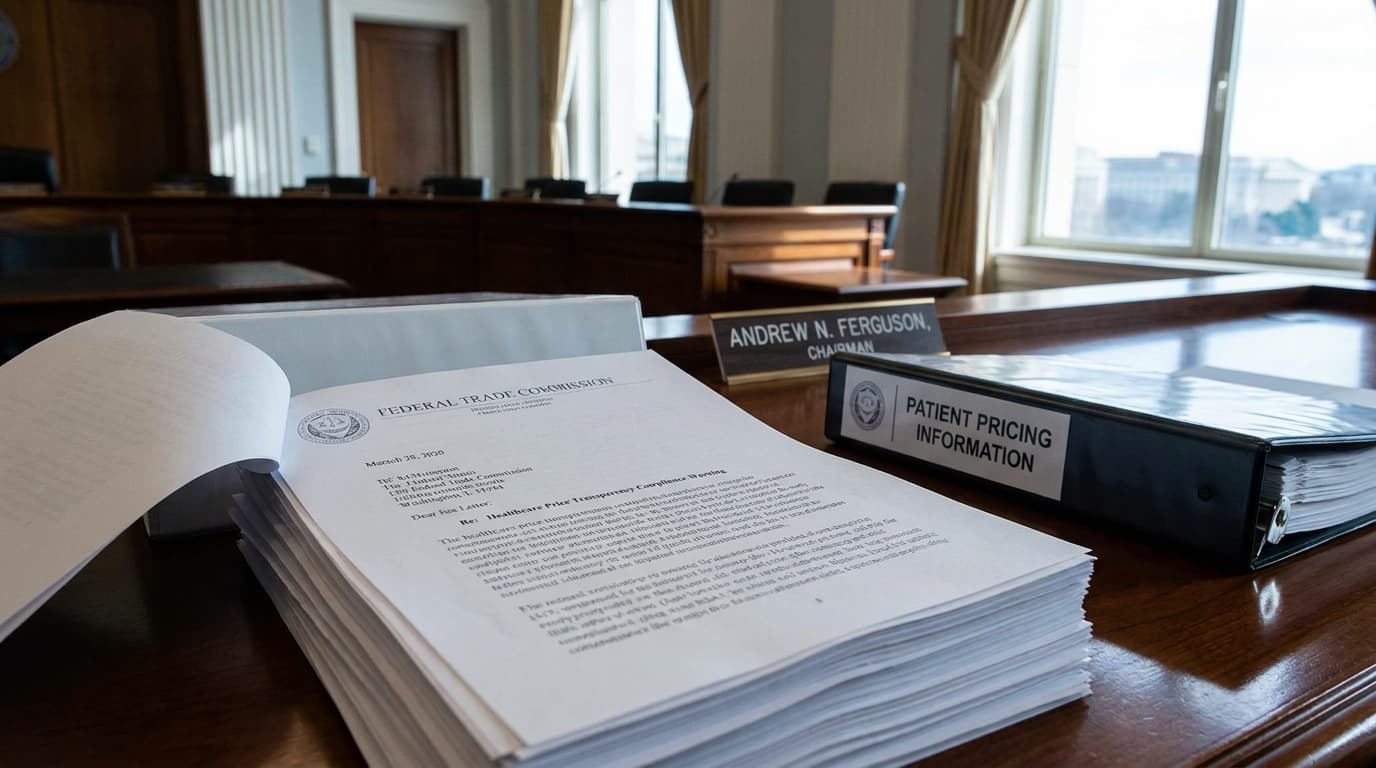
The FTC did not name the recipients and said the letters do not conclude that the organizations violated the FTC Act. But the agency drew a clear distinction between existing CMS hospital transparency rules and its own view that incomplete or inaccurate pricing disclosures can still mislead consumers.
The Catalyst Brief
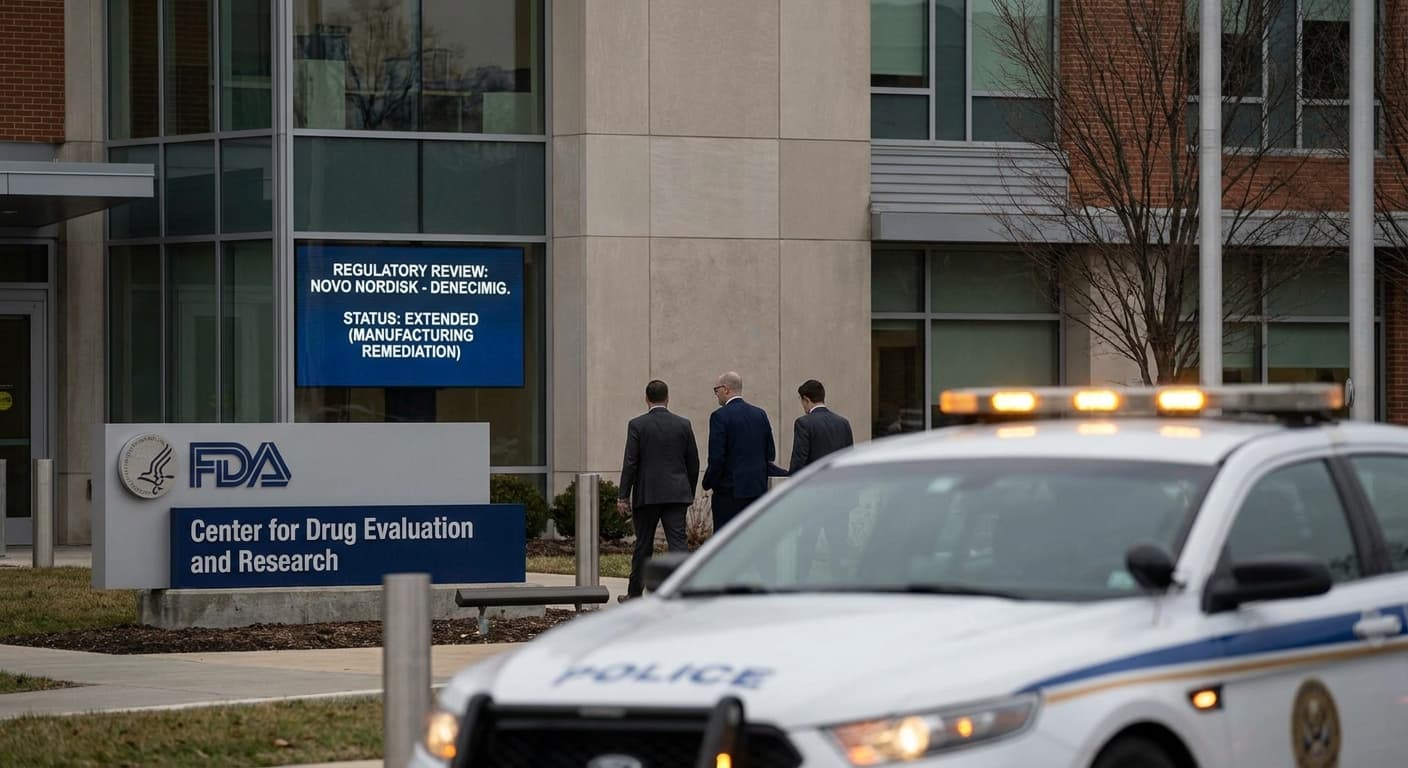 Oct 6, 2026
Novo said the FDA needs more time to review denecimig because of remediation work at an unnamed manufacturing site. The episode shows how manufacturing execution can still reset timelines for late-stage assets even when the agency has not raised efficacy or safety concerns.
The Catalyst Brief
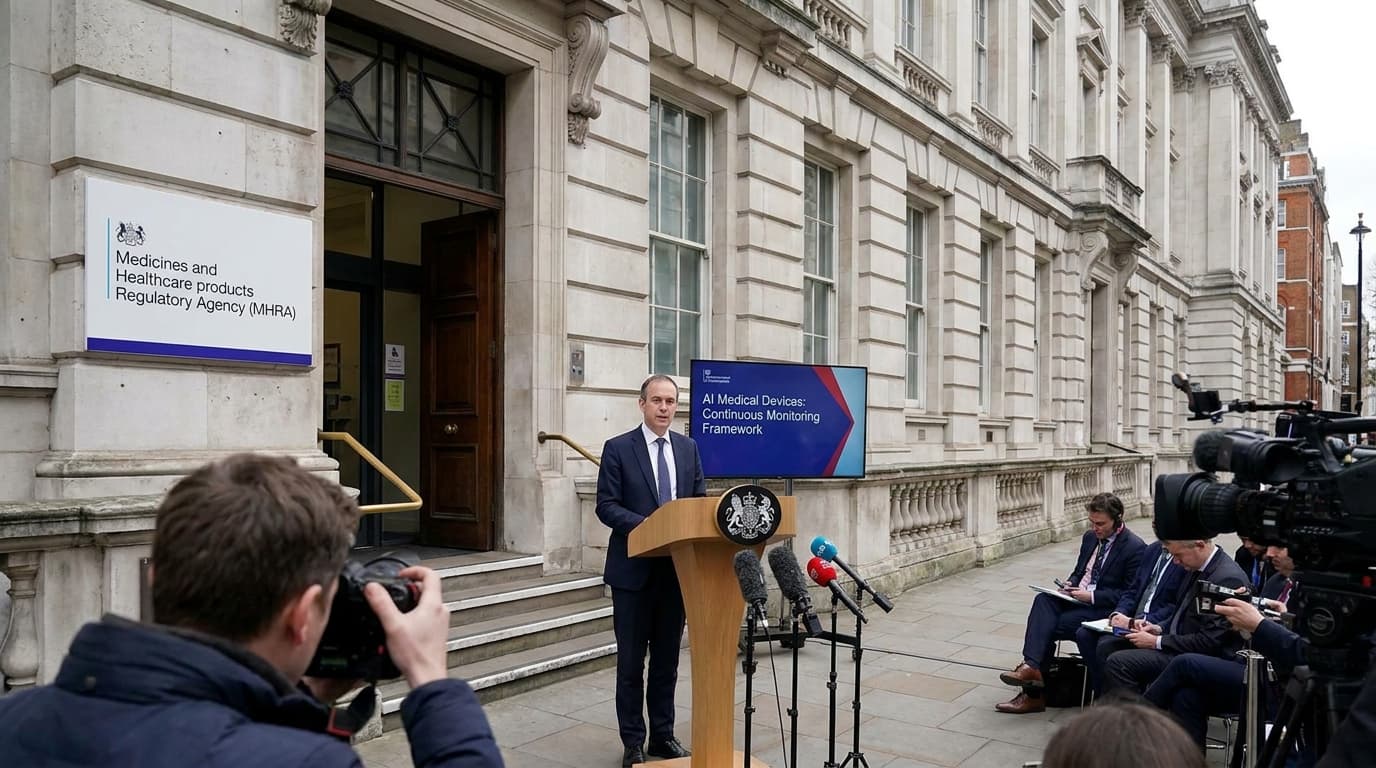 Oct 6, 2026
A new set of 44 recommendations accepted by the U.K. government would reshape oversight of AI-enabled medical devices. For developers, the change signals tighter post-market accountability, but also an attempt to build a more agile route for products whose performance and risks can evolve after launch.
The Catalyst Brief
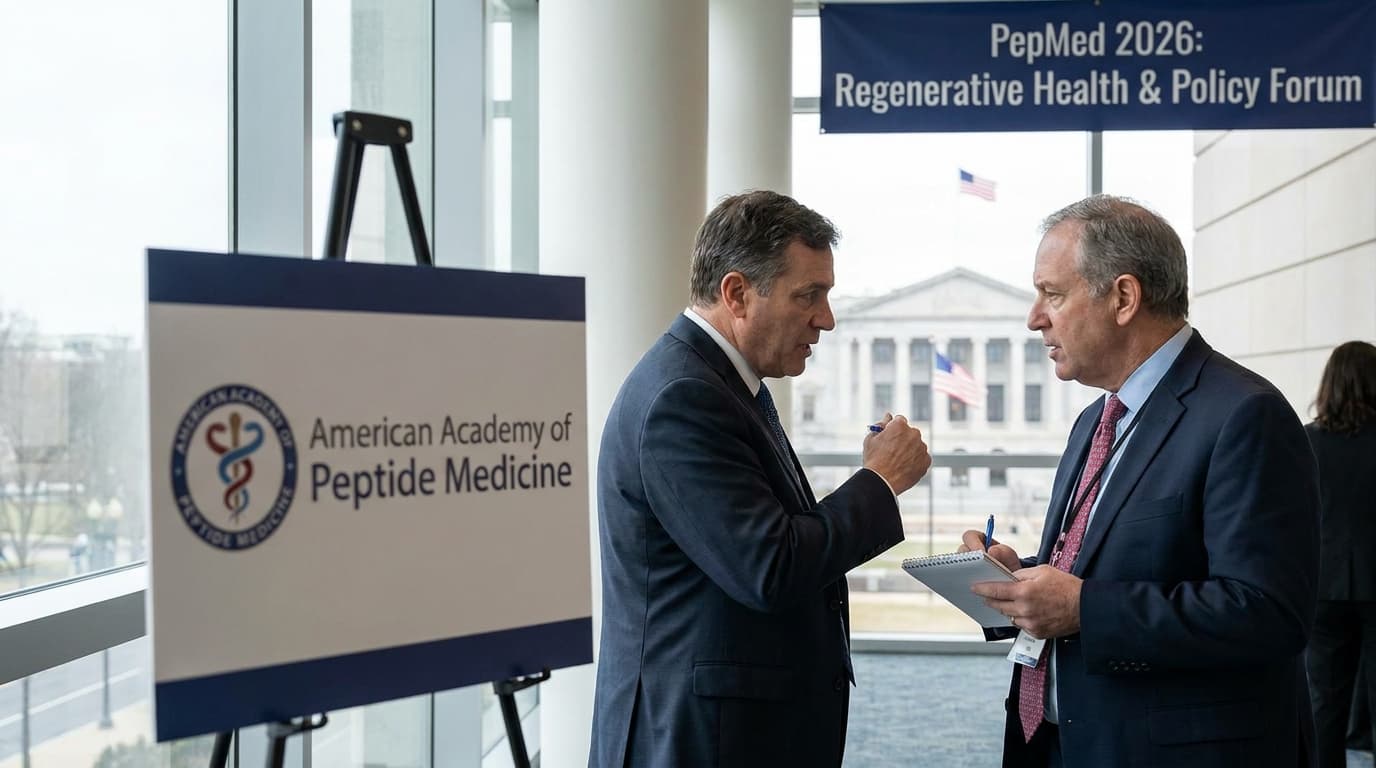 Oct 6, 2026
At PepMed 2026, regenerative medicine advocates linked peptides and stem cells as part of the same policy opening. Their argument is less about new clinical evidence than about whether the current regulatory mood could create a path for broader acceptance of unapproved stem cell therapies.
The Catalyst Brief
Oct 4, 2026The White House said Medicare Part B enrollees will receive the payments in October through direct deposit or check. Eligibility excludes people already getting premium assistance from Medicaid, those paying adjusted monthly premiums based on income, and seniors enrolled in Medicare Advantage.
The Catalyst Brief
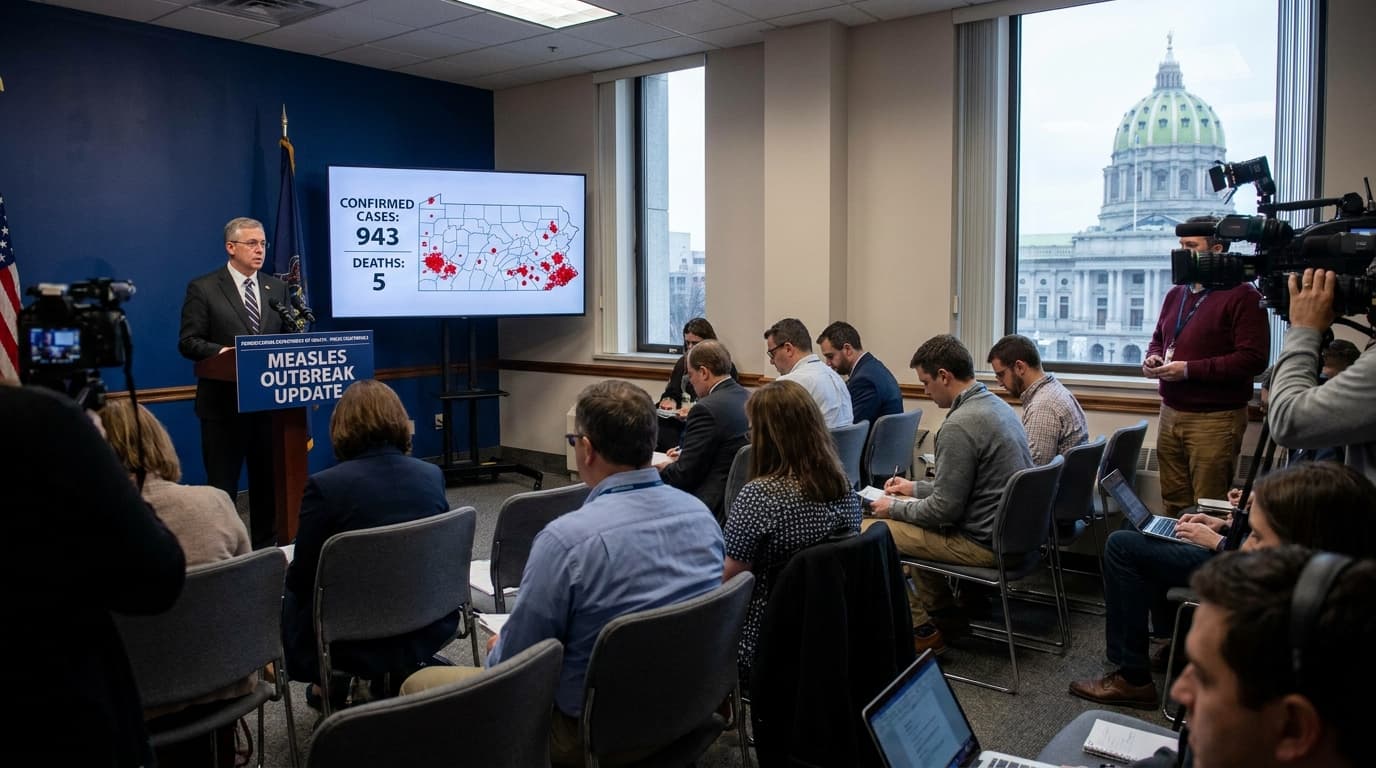 Oct 4, 2026
A fifth measles death in Pennsylvania has put attention on a basic surveillance problem: confirmed case counts capture only part of an outbreak. The reporting points to structural blind spots in counties with large Amish populations, where low vaccination rates, large families, and delayed care-seeking can keep infections out of official tallies.
The Catalyst Brief
 Oct 3, 2026
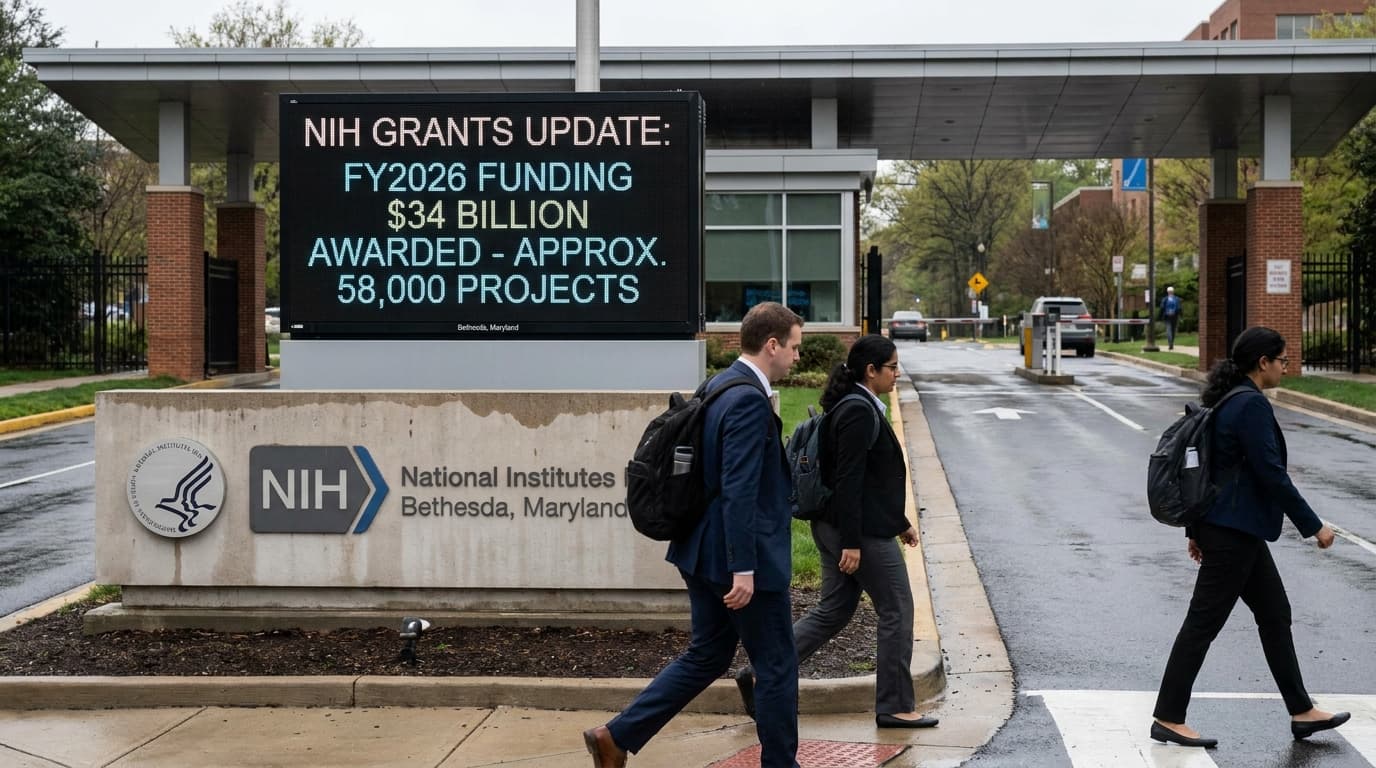
The National Institutes of Health awarded roughly $34 billion in external grants in the 2026 fiscal year, which ended Wednesday, after another slow start. But according to a STAT analysis, the agency funded around 58,000 projects, reduced awards involving health disparities, race, and ethnicity, and left researchers describing a review process that slowed their work and complicated plans for innovative science.
The Catalyst Brief
 Oct 3, 2026
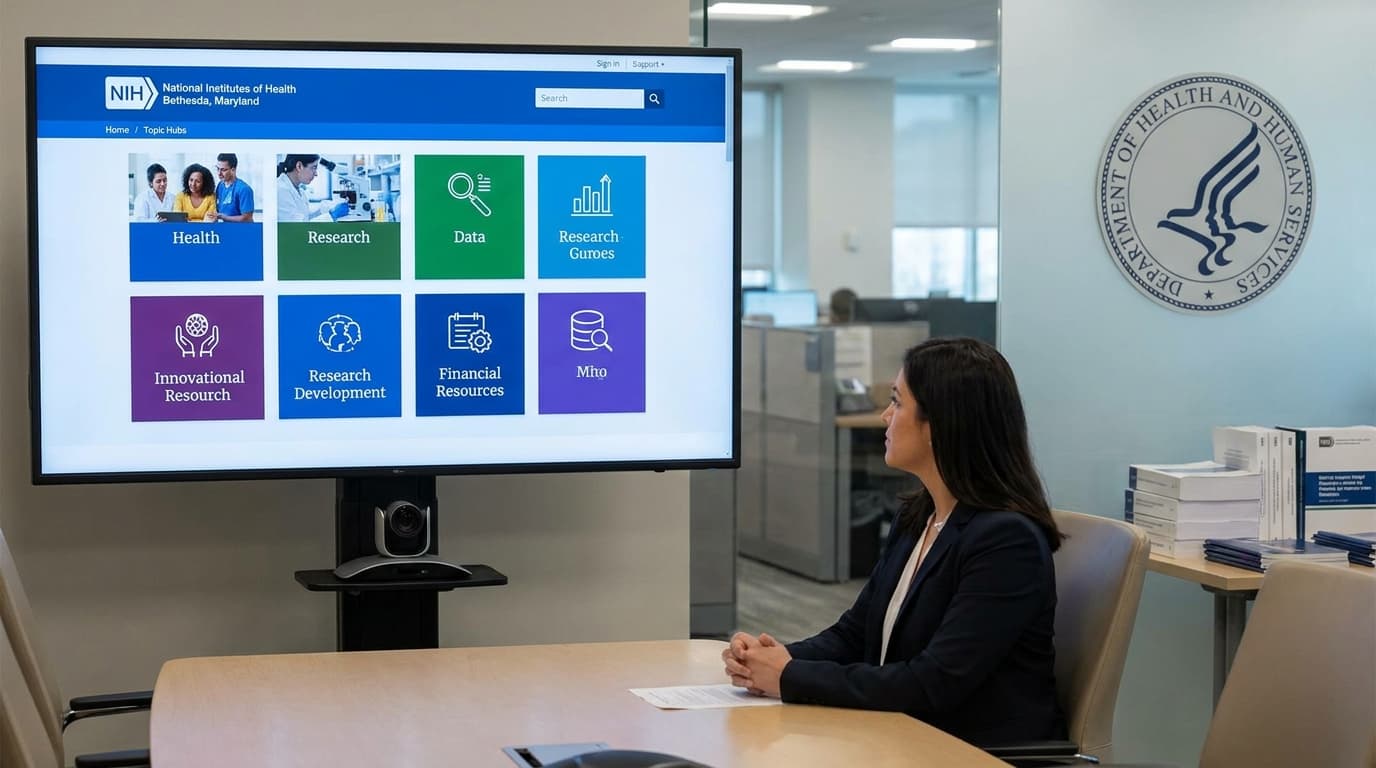
The new NIH site, set to be unveiled on Monday after a beta soft launch this week, is built around health, research, data, clinical studies, rare diseases, technology, cancer, and grants. Agency officials say the goal is to make trusted information easier to find while consolidating a fragmented digital footprint of more than 700 separate websites.
The Catalyst Brief
