 Oct 3, 2026
Authorities and aid groups are trying to contain what officials described as the fastest-growing Ebola outbreak in history while resources remain limited and community mistrust persists. The latest setbacks show that outbreak control depends not only on diagnostics and treatment capacity, but also on worker pay, security, and local cooperation.
The Catalyst Brief
 Oct 3, 2026
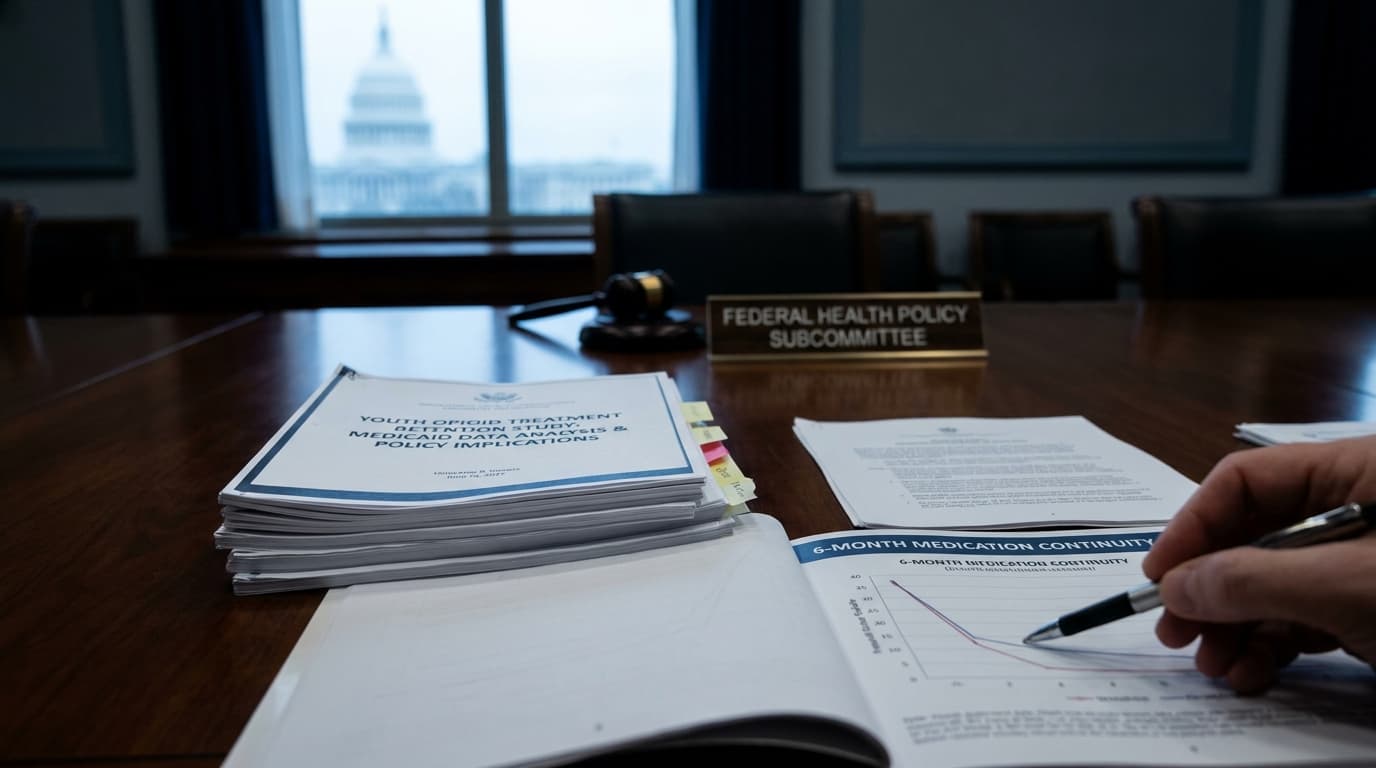
Researchers reviewed claims for people ages 13 to 25 diagnosed with opioid use disorder between 2016 and 2023. The results point to a gap between initial access and continuity of care, with legal restrictions, limited youth-specific treatment settings, family concerns, and racial disparities all contributing to attrition.
The Catalyst Brief
 Oct 2, 2026
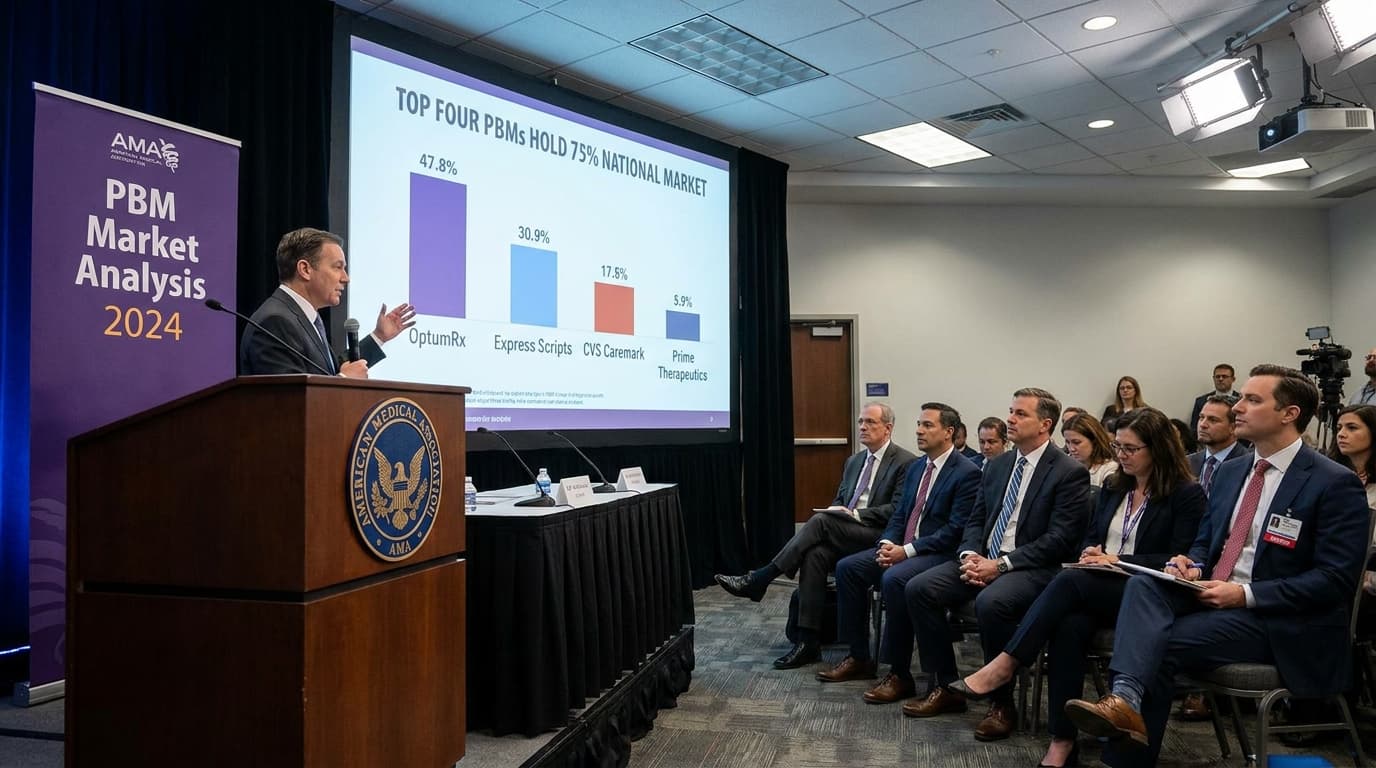
The AMA analysis, based on prescription drug plan and enrollment data from 2022 and 2024, points to rising national concentration and broad local market dominance. For policy debates over PBM oversight, the report adds fresh evidence that scale and insurer ownership remain central features of how prescription drug benefits are managed.
The Catalyst Brief
 Oct 2, 2026
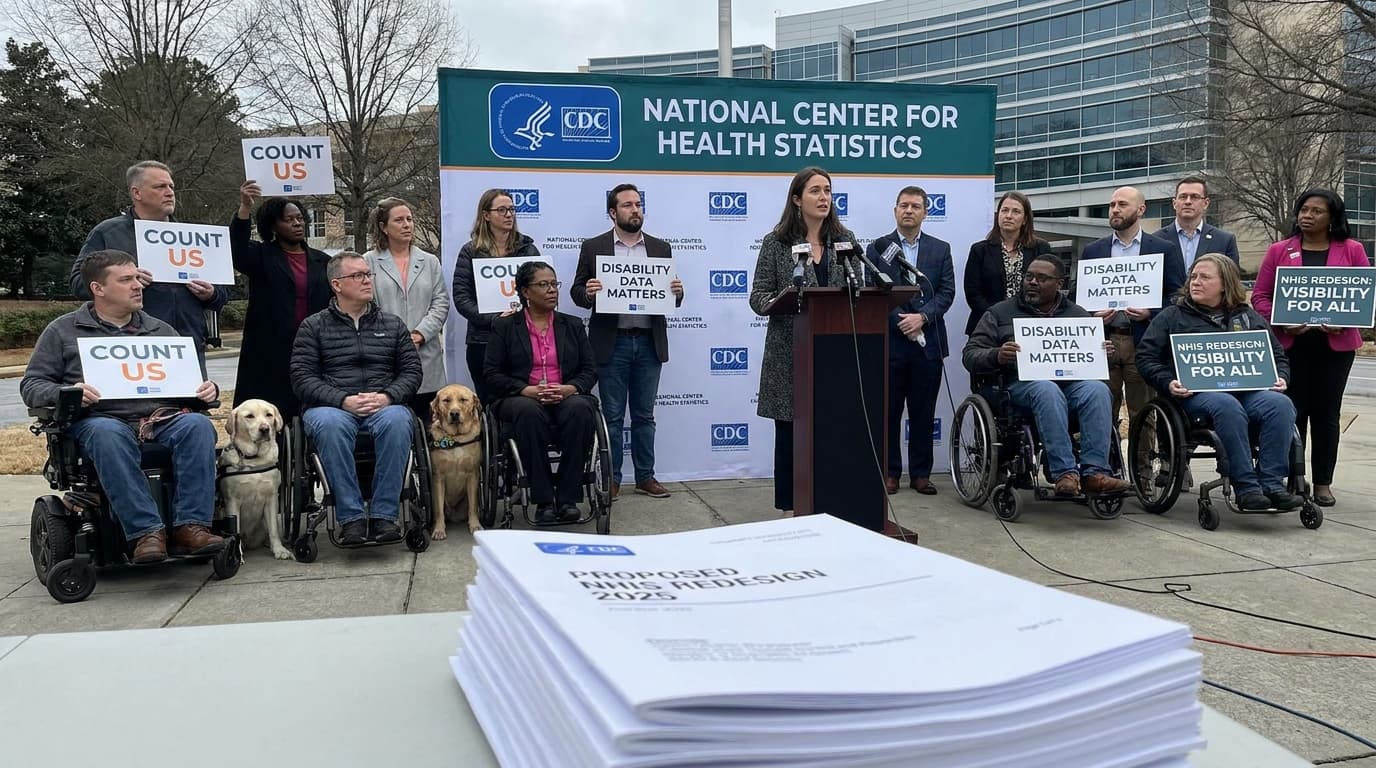
The National Health Interview Survey has been a core federal health data source since 1957, but a redesign proposed in August would reduce the adult questionnaire from 482 questions to 150 and remove multiple disability-related items. Advocates and researchers argue the shift would make a longstanding measurement problem worse at the same time the Trump administration says it wants to reduce chronic disease.
The Catalyst Brief
 Oct 1, 2026
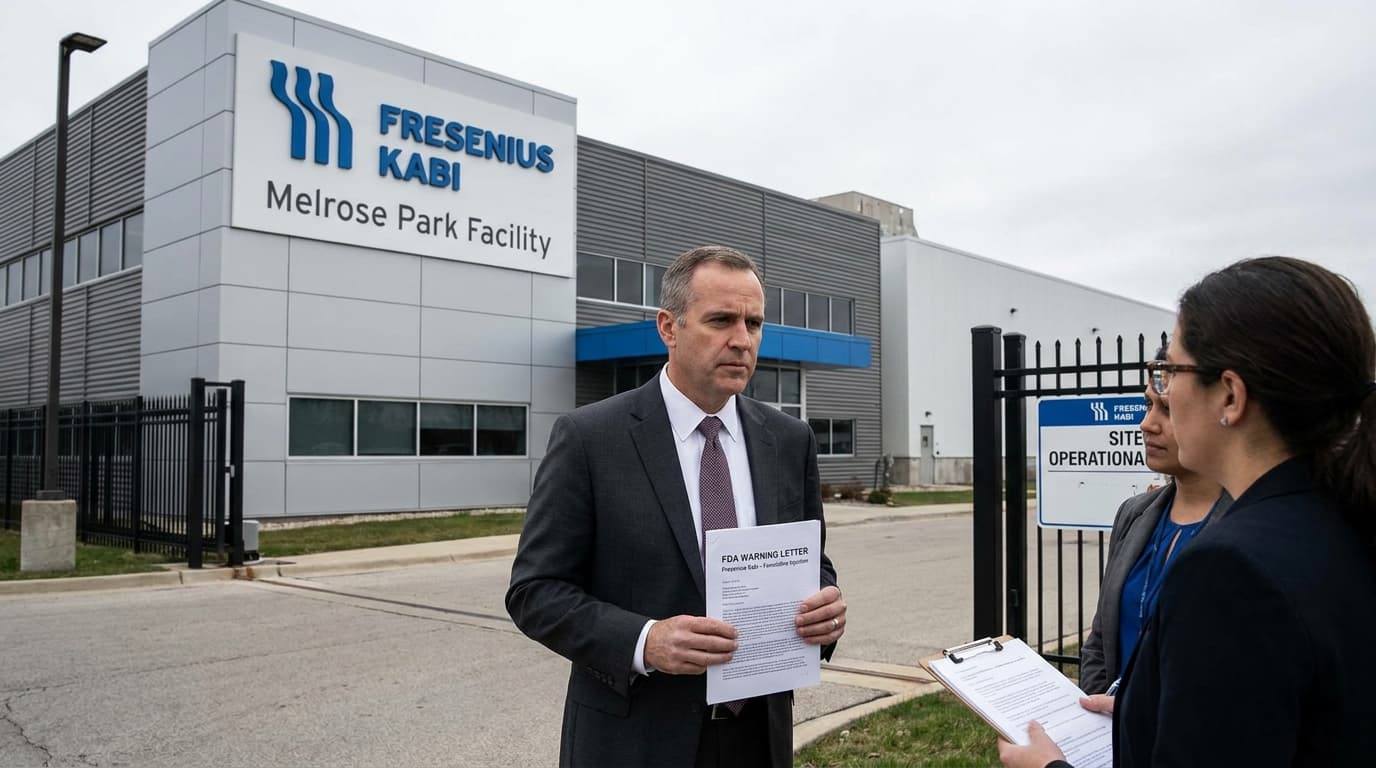
A warning letter to Fresenius Kabi centers on how the company handled excessive bioburden findings, endotoxin risk and subsequent adverse-event reports linked to famotidine injection. Beyond the recalled batches, the letter also points to gaps in the company’s response to media fill failures and visible particulate contamination, widening the compliance issue from a single product signal to broader aseptic control.
The Catalyst Brief
 Oct 1, 2026
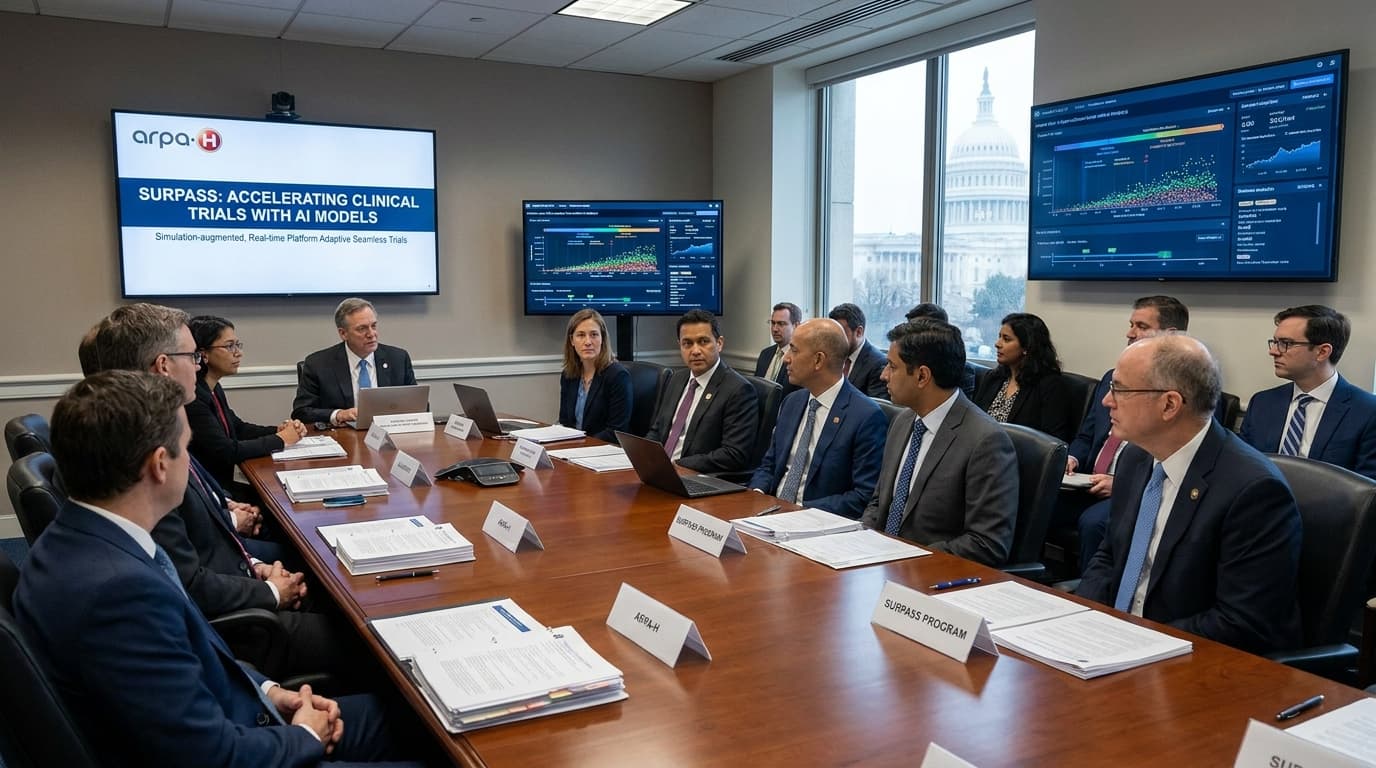
The U.S. government is trying to recast clinical-trial execution as a competitiveness problem as much as a research one. SURPASS and its companion programs point to a federal strategy centered on simulation, adaptive operations and shared infrastructure rather than only adding more trial sites or more manual process.
The Catalyst Brief
 Oct 1, 2026
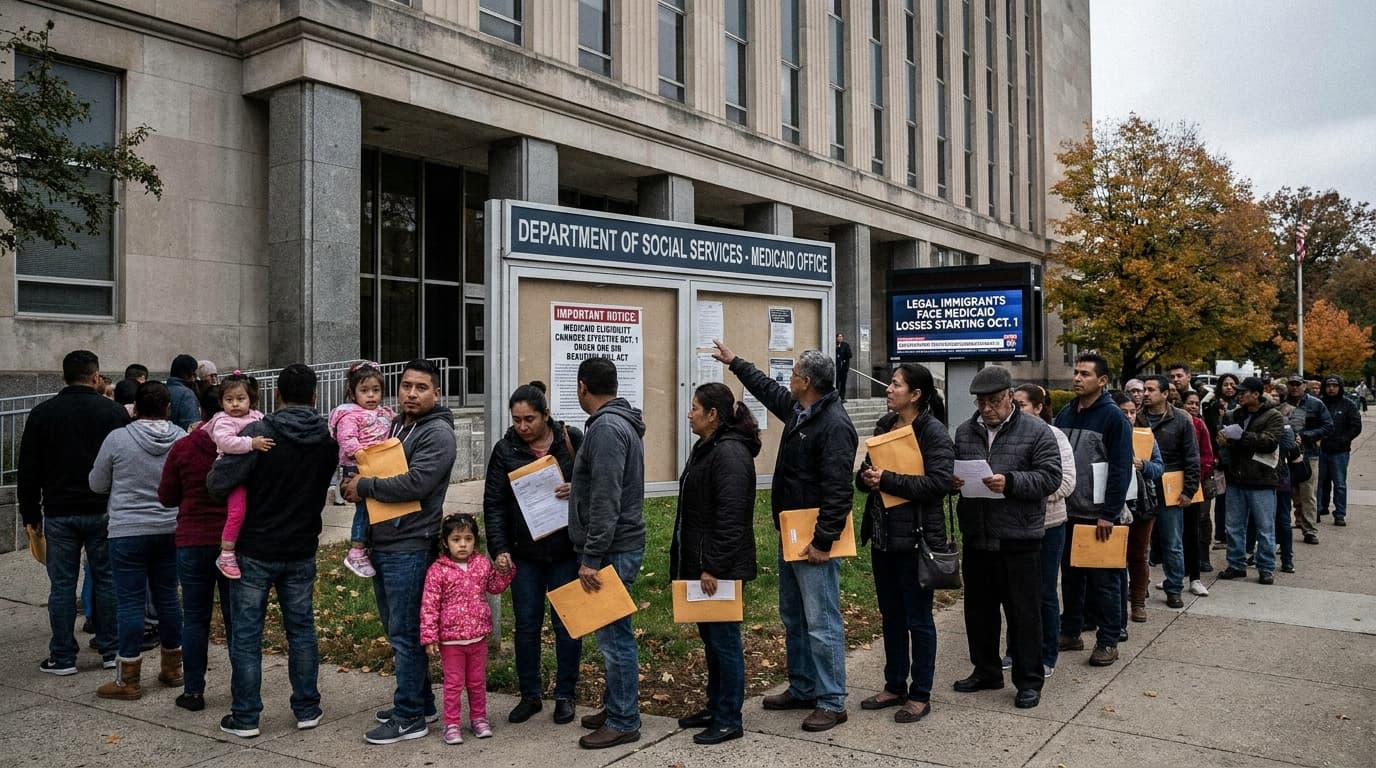
The coverage losses affect many lawfully present immigrants who had previously been eligible for Medicaid, including refugees, asylees, victims of sex trafficking, and Afghan interpreters. While the Congressional Budget Office projected about 100,000 more immigrants would be uninsured by 2034 because of the Medicaid eligibility change, state tallies point to a much larger group at immediate risk of losing coverage.
The Catalyst Brief
 Oct 1, 2026
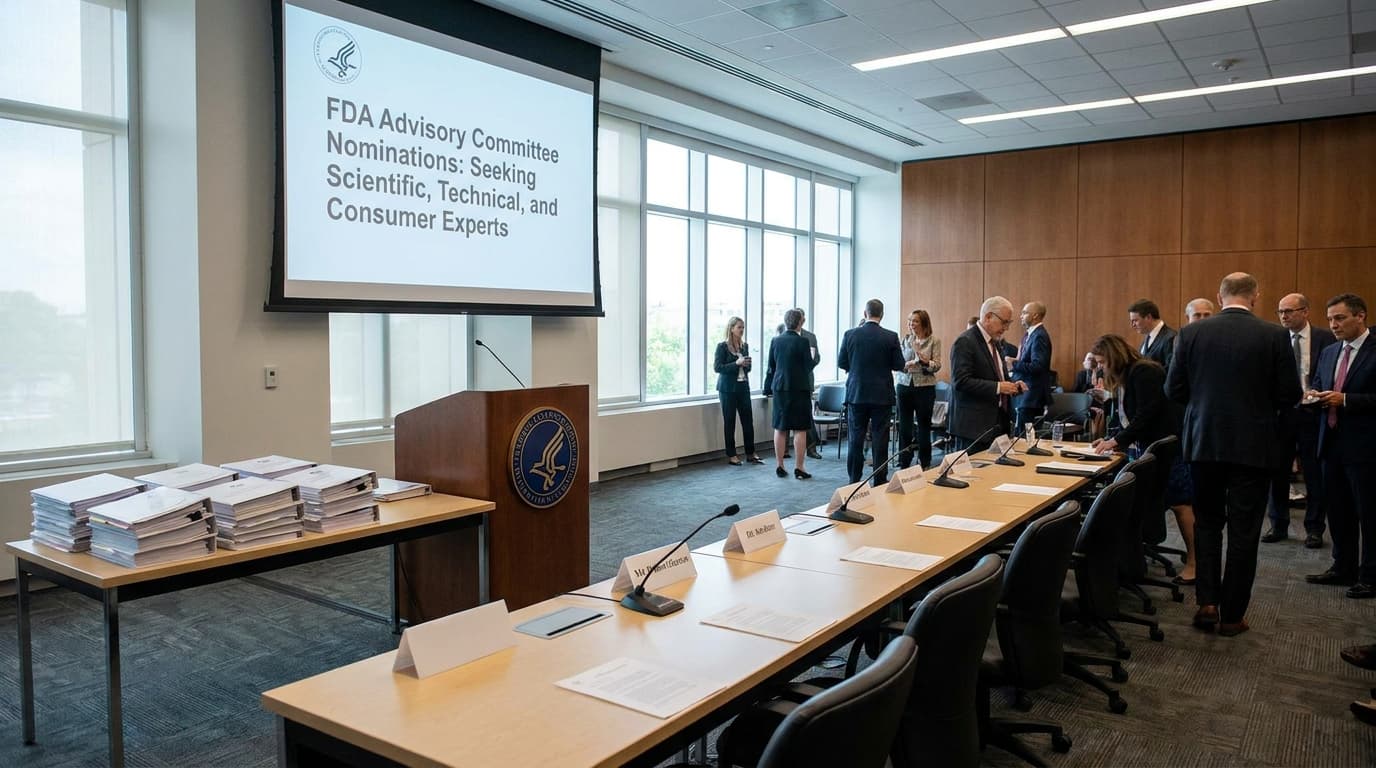
The agency said it wants to expand the range of qualified voices and perspective on its advisory committees, which advise on drugs, vaccines and medical devices before formal regulatory decisions. For companies, the recruiting push matters because these panels shape both the public record and the tone of FDA review even when their votes are not binding.
The Catalyst Brief
 Sep 30, 2026
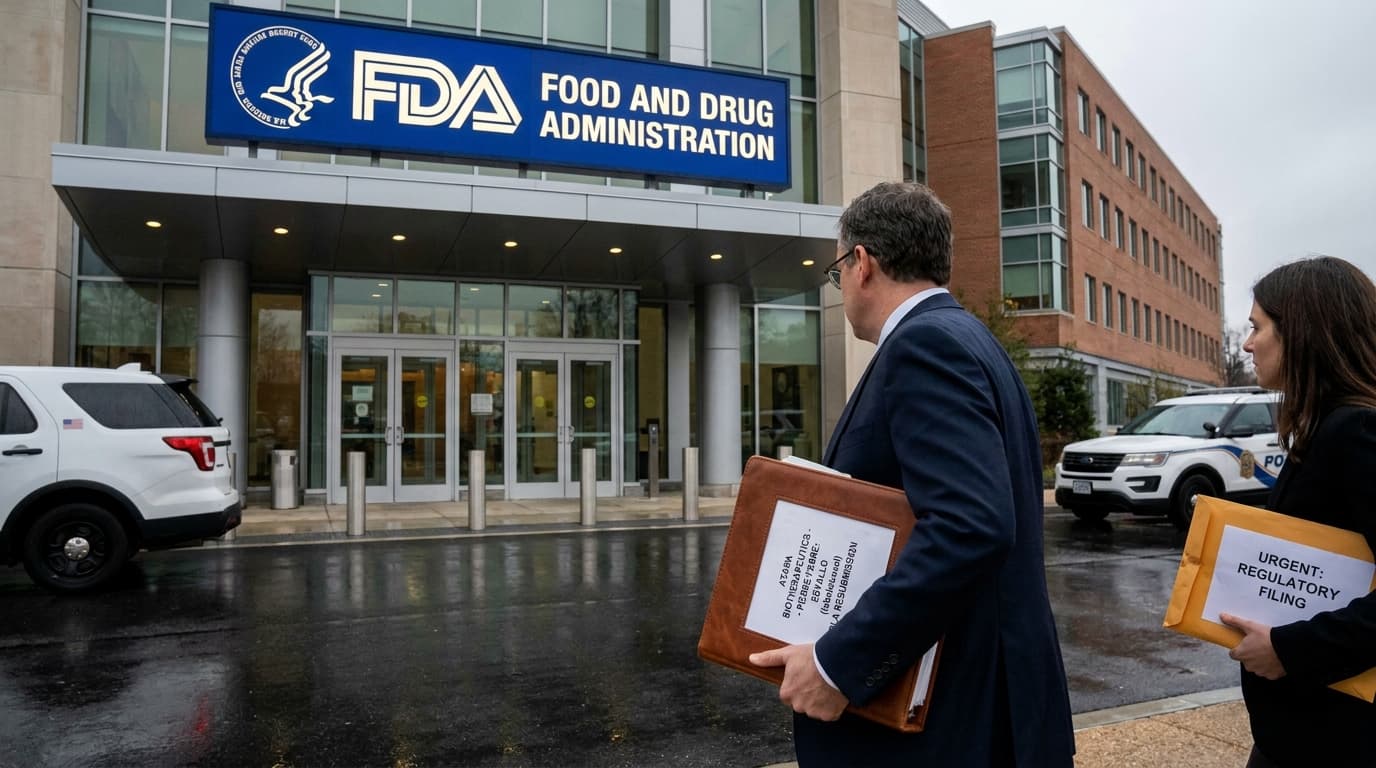
The resubmission covers Ebvallo, also called tabelecleucel, for patients 2 years and older with Epstein-Barr virus-positive posttransplant lymphoproliferative disease after solid organ transplant. The strategic signal is less about one product than about how unstable FDA positions can reshape rare-disease development plans, timelines and financing expectations.
The Catalyst Brief
 Sep 30, 2026
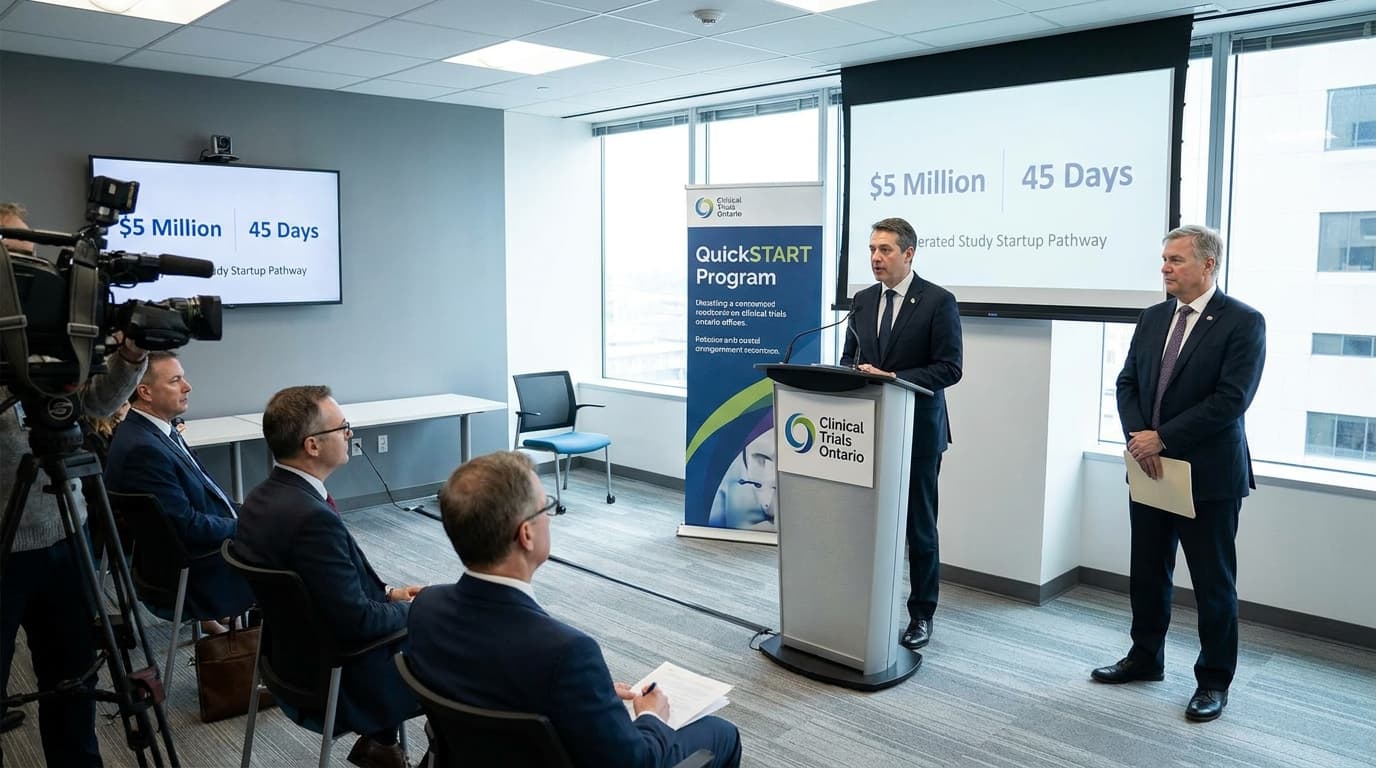
QuickSTART is designed to shorten clinical trial startup in Ontario from timelines that can run from about six months for phase 1 studies to as long as 10 months for mid-to-late-stage studies. The initiative also expands streamlined ethics review across more than 180 research sites, linking competitiveness for sponsors with faster patient access.
The Catalyst Brief
 Sep 26, 2026
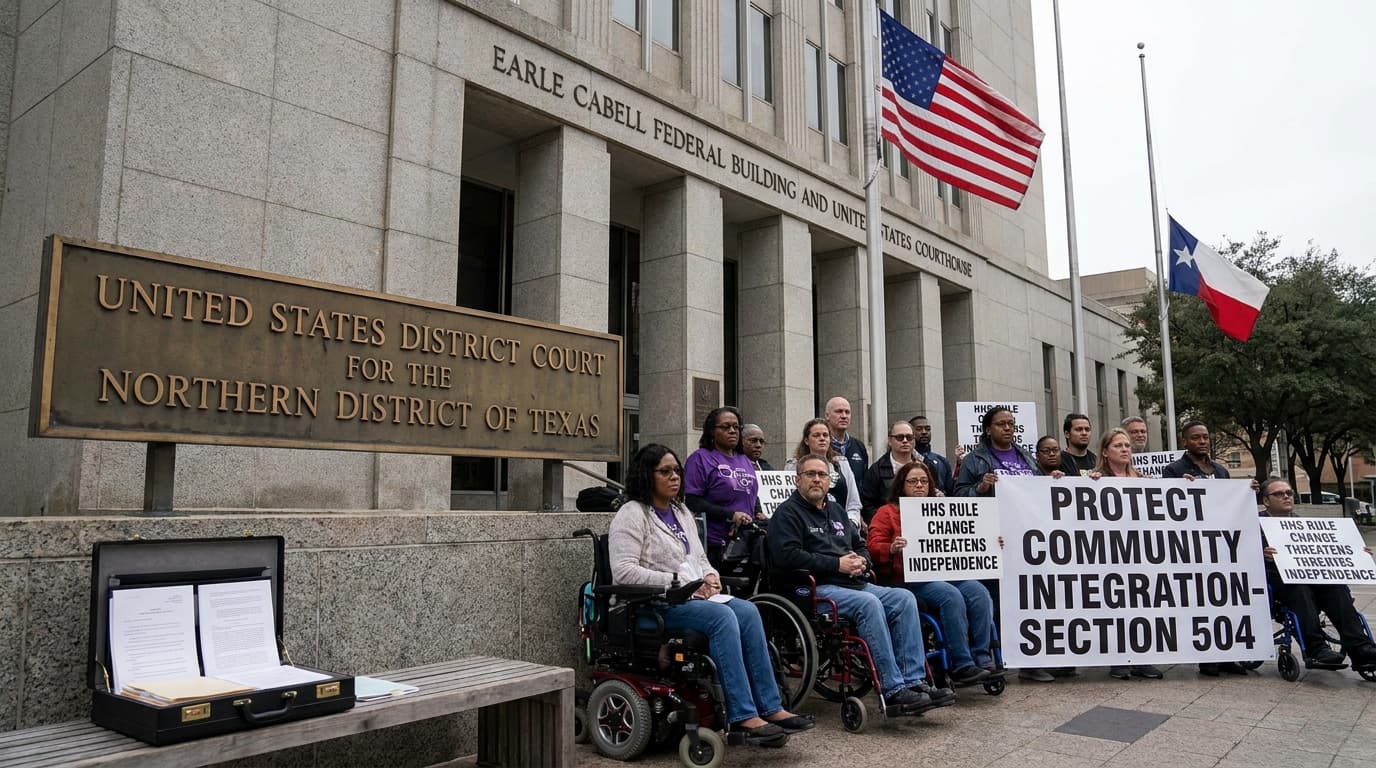
The ruling marks a significant rollback in how the federal government treats the right of people with disabilities to live and receive services in their communities. For providers, states and patient advocates, the immediate issue is not just legal language but the direction of federal enforcement after decades of support for community integration.
The Catalyst Brief
 Sep 26, 2026
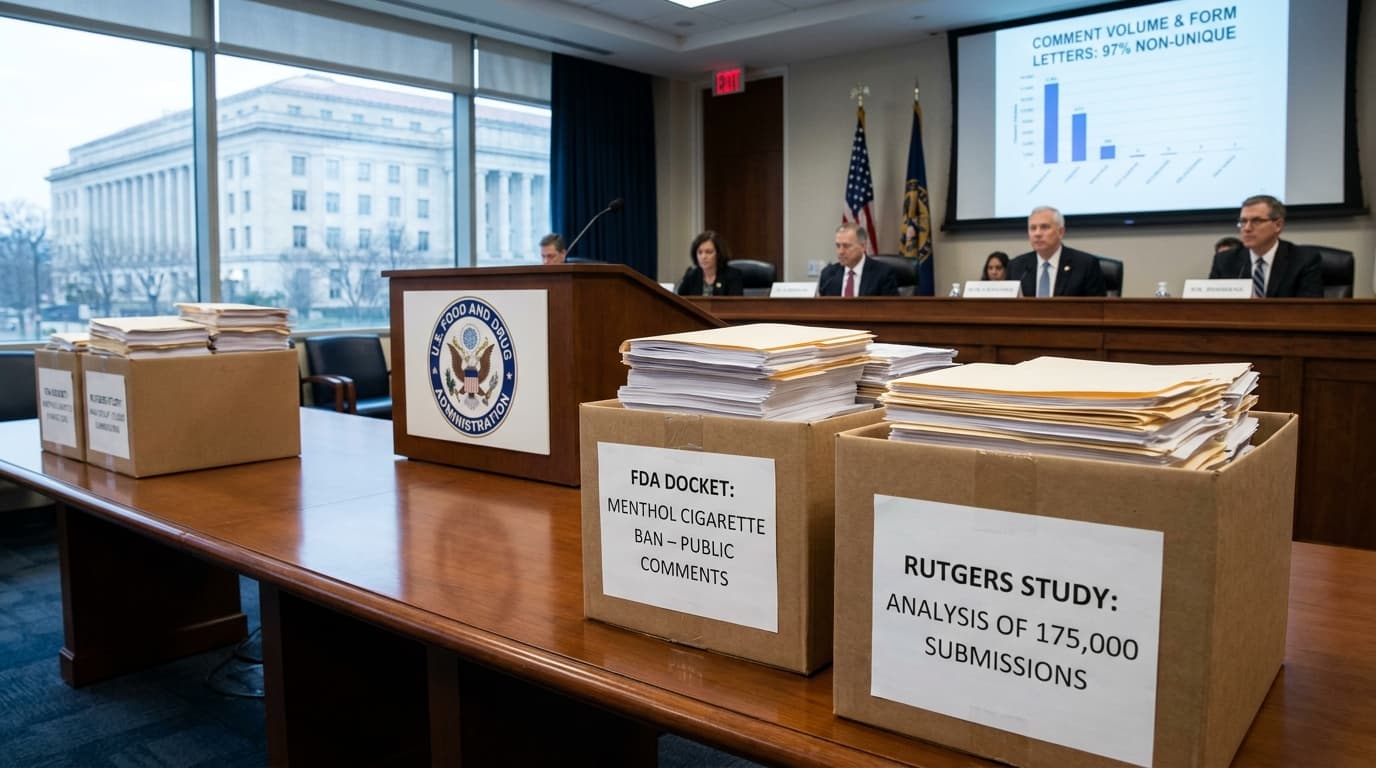
After the Food and Drug Administration proposed banning menthol cigarettes in 2022, it received an avalanche of comments that were overwhelmingly repetitive and often tied to campaigns run by Altria Group Inc. or Reynolds American, according to a new Rutgers analysis. The larger signal is that even when agencies are supposed to weigh substance over volume, a mass comment campaign can still shape timing and political feasibility when a rule becomes entangled with election-year concerns.
The Catalyst Brief
