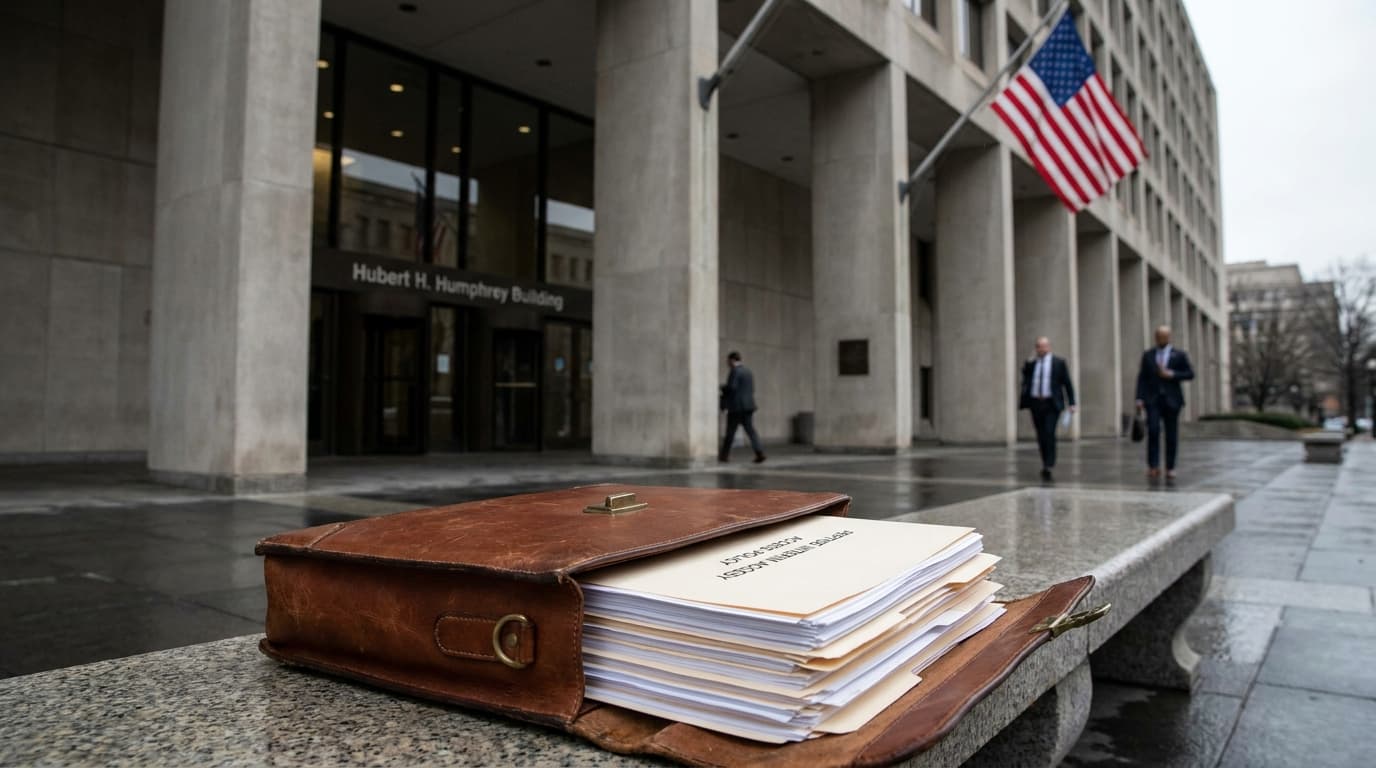
The Trump administration is moving ahead with a plan that could let specialty pharmacies produce certain injectable peptides that sit outside the usual drug approval pathway. According to a White House filing reported by STAT, the Department of Health and Human Services has sent a peptides “interim access policy” to the Office of Management and Budget for review.
The filing does not spell out the policy’s details. But two people familiar with the plan told STAT it is intended to temporarily allow compounding of some of the most popular peptides, including BPC-157, a chemical promoted for muscle building and injury healing. The proposed mechanism is enforcement discretion, which would effectively assure compounding pharmacies that they will not be targeted for producing certain peptides.
That matters because the products at issue have not gone through the rigorous vetting applied to approved medicines, even as they have gained popularity among people seeking to bulk up, look younger, or boost energy. Most of the data on these peptides comes from animal studies, and the uses driving demand are not approved by the Food and Drug Administration.
The policy shift
The proposal is the clearest regulatory step yet in a broader effort by Robert F. Kennedy Jr.’s team to ease access to wellness products that have a strong following inside the Make America Healthy Again movement. Before joining the administration, Kennedy said “FDA’s war” on peptides and other wellness products would soon end. After becoming health secretary, he argued that U.S. compounding pharmacies should be allowed to sell peptides because Americans were turning instead to “gray market” products made in China and other countries.
Those products remain available online, including through platforms such as TikTok, according to STAT. The administration’s new approach would not turn these peptides into approved drugs. Instead, it would create a temporary enforcement posture that could expand domestic supply through compounding pharmacies.
The road here
The FDA had previously placed BPC-157 and more than a dozen other injectable peptides on its list of substances too risky to be compounded. The agency cited possible risks including contamination, allergic reactions, and tumor growth.
Earlier this year, Kennedy directed the agency to reconsider a short list of chemicals that had been widely promoted by wellness influencers and fitness celebrities. In July, a panel of external FDA advisers recommended dropping restrictions on six of the seven peptides before them. STAT reported that this recommendation ran against the scientific conclusion of FDA staff scientists, who reiterated that none of the peptides had been studied enough to establish safety and effectiveness.
What to watch
The immediate next step is OMB review, which is typically where economically significant regulatory actions receive White House scrutiny. HHS officials did not immediately respond to requests for comment, according to STAT.
The strategic signal is that the administration appears willing to separate access policy from the evidentiary standards that normally govern drug approval. For compounders, that could open a temporary commercial channel into an active consumer market. For regulators and established drug developers, it raises a harder question: whether enforcement discretion becomes a lasting way to accommodate demand for unproven products that already have cultural and online momentum.